Eleutherococcus Bark: What Buyers Should Record About Processing
A buyer's checklist for Eleutherococcus bark (Wu Jia Pi): the species, drying, cutting, testing and lot records that make a specification enforceable and an RFQ comparable.
Eleutherococcus bark is easy to order and hard to verify. In traditional Chinese medicine (TCM) supply chains, the herb is Wu Jia Pi, or Acanthopanacis Cortex. The same common name covers an authentic root bark, several look-alike barks, and at least one herb with a very different safety profile. A quote that says “Wu Jia Pi, cut, dried” leaves out most of what decides whether the lot is usable.
This article is for buyers writing a specification. It covers which processing facts to put on record, why each one matters, and how to phrase them so two suppliers’ quotes can be compared. The goal is simple. If a lot is disputed later, your paperwork should already say what was agreed.
Which Species and Plant Part Should the Record Name?
Direct answer: the record should name the Latin binomial, the plant part, and the standard you are buying against. For Wu Jia Pi, the Chinese Pharmacopoeia monograph text, as reproduced by the TCM reference site Zhong Yi Shi Jia, defines the herb as the dried root bark of Acanthopanax gracilistylus W.W. Smith. The genus is now commonly written Eleutherococcus, so a supplier may use either name. The same page also reproduces an older reference text that lists several other Araliaceae species as sources. The naming has never been tidy, which is why the record must be explicit.
Two distinctions matter:
Root bark vs. other plant parts. Wu Jia Pi is bark from the root. Siberian ginseng (E. senticosus), sold as “ci wu jia,” is a different herb and is not interchangeable with it. Because the English label “Eleutherococcus bark” is loose, a spec that only says “Eleutherococcus” does not identify the material.
Wu Jia Pi vs. Xiang Jia Pi. A 2022 study in Molecules reports that Acanthopanacis Cortex is frequently adulterated with Periplocae Cortex (“xiangjiapi”). That is the root bark of Periploca sepium, a different plant family. The authors note that the two share similar morphological characteristics. They also note that periplocin, a cardiac glycoside, has been implicated in clinical accidents.
The same paper cites a barcode study that found five adulterants among nine samples bought from drug stores and medicine markets. Four of the five came from P. sepium. Nine samples is too few to give a market-wide rate. It does show that substitution is a documented problem and not a theoretical one. The paper also reports that Acanthopanacis Cortex ranked among the top 10 unqualified Chinese medicinal material varieties in China in 2021.
The pharmacopoeial description is short. The reproduced monograph says the root is dug in summer and autumn and washed, and the root bark is stripped and dried in the sun. Decoction pieces are made by removing impurities, washing, moistening the bark through, cutting it into thick slices, and drying again. The same text says to store the material in a dry place protected from mold and insects. A review of Wu Jia Pi in Longhua Chinese Medicine describes the roots as thick-barked and fragrant, usually sun-dried and cut into thick pieces or powdered.
That description leaves several variables open: the drying method, the moistening time, the final moisture, and the packing. Each can change mold risk, appearance, or consistency. Buyers who want the general pipeline context can read how herbs move from harvest to dried slice. The table below turns it into a record.
Stage
What to record
Why it matters
Harvest and collection
Species, plant part, origin or region, harvest month, lot ID
Ties the lot to a botanical source and a season. Needed for any later identity dispute.
Root washing and bark stripping
Foreign matter removed, whether woody core is excluded, soil or sand handling
Residual wood and soil change yield, ash, and appearance.
Primary drying
Sun, hot-air, or other method; drying duration; covered or open
Open sun-drying raises dust, insect, and re-wetting questions. The method should be declared, not assumed.
Moistening and slicing
Whether the bark was moistened, how long, and the cut thickness range
Moistening makes bark easier to cut but adds water that must be fully removed afterward.
Final drying
Method and final moisture result
Moisture left in thick pieces is a common route to mold in storage.
Packing and storage
Liner type, desiccant use, warehouse conditions, lot label
Protects the material between factory and your warehouse.
If a supplier offers a bark processed with any added material (for example a wine- or honey-prepared version), treat that as a separate SKU with its own process record. The monograph text describes cutting and drying only. For background on how adjuvant processing changes materials in general, see the overview of common paozhi processing methods for Chinese herbs.
Why a Clean-Looking Lot Is Not Proof of the Right Material
Many buyers accept bark by eye: uniform pieces, pale cut face, mild aroma. That is a weak test for this herb. The Molecules authors point out that traditional identification by appearance, odor, and taste depends on individual expertise and is subjective. Look-alike root barks can pass it.
So a visually uniform lot proves the supplier’s cutting is consistent. It does not prove the botanical identity. A buyer who pays more for a cleaner, more even cut without asking for identity evidence may be paying for the wrong thing.
This applies most when the intended use is ingestion, such as teas, medicinal liquors, or supplements. It applies less to display-only or non-consumable uses. Even then, the record should stay accurate.
Useful identity evidence includes:
The botanical name and plant part on the COA, matching the PO.
The identification method used (macroscopic and microscopic examination, TLC or HPLC fingerprint, or DNA barcoding). Ask which one, not just whether “testing was done.”
A retained sample from the same lot, photographed and held by both sides.
If you manufacture dietary supplements for the US market, the rule is stricter. 21 CFR 111.75 requires at least one appropriate test or examination to verify the identity of a component that is a dietary ingredient. A supplier’s paperwork alone does not satisfy that requirement, except where the rule allows an exemption you have formally obtained. This applies to supplement manufacturers subject to the rule. Confirm your own obligations with a regulatory specialist.
Cut Form: What to Specify Beyond “Sliced”
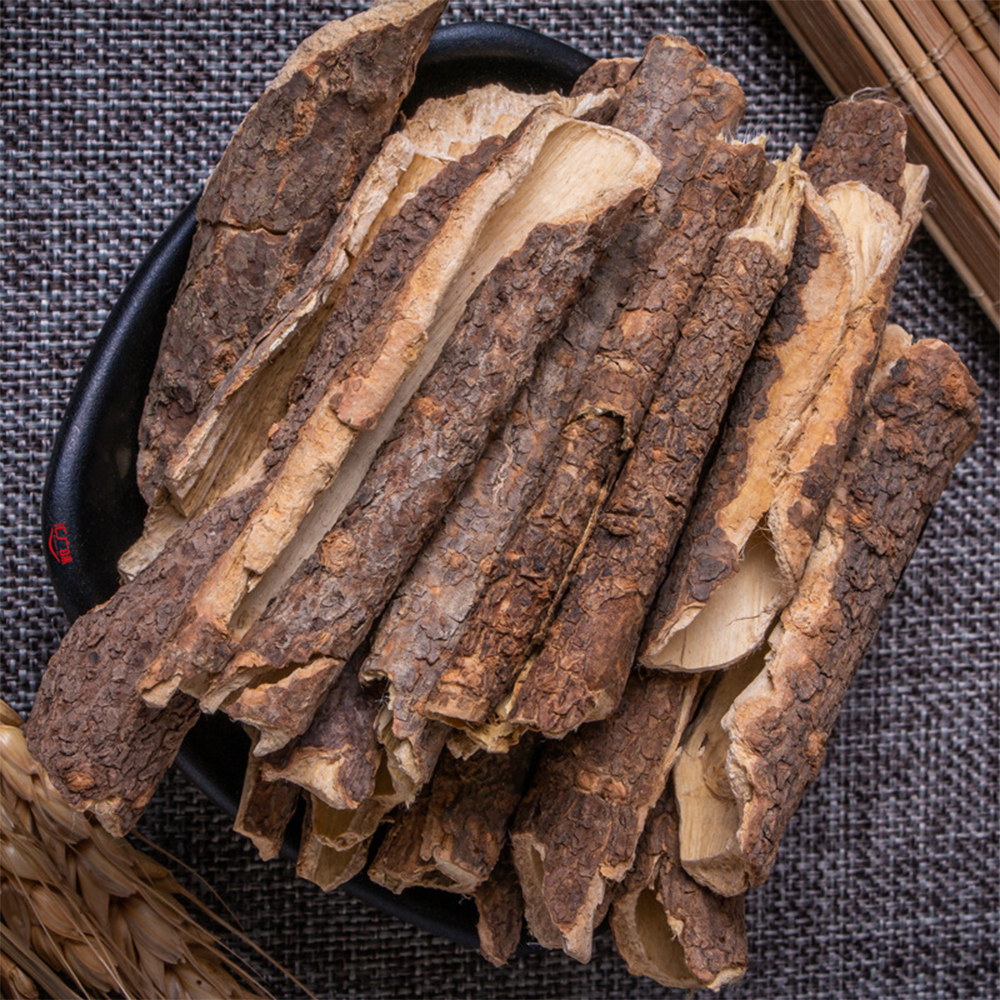
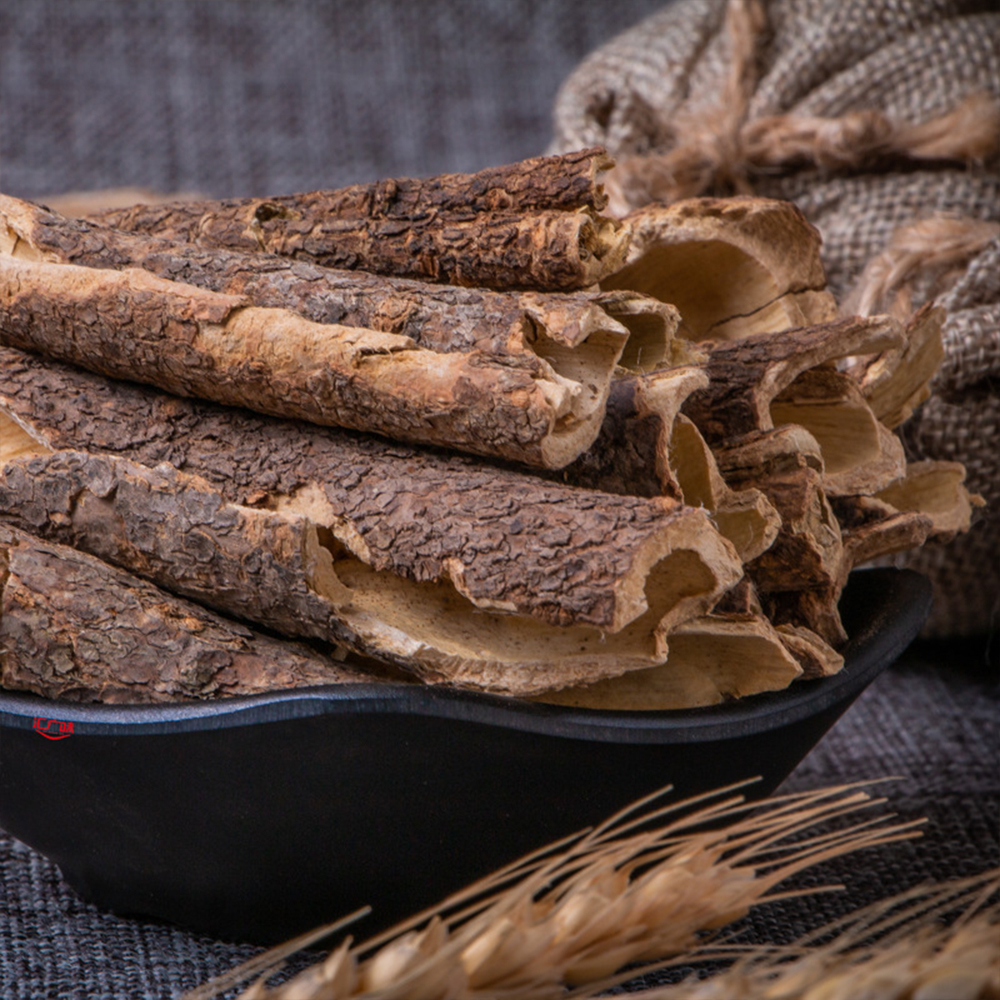
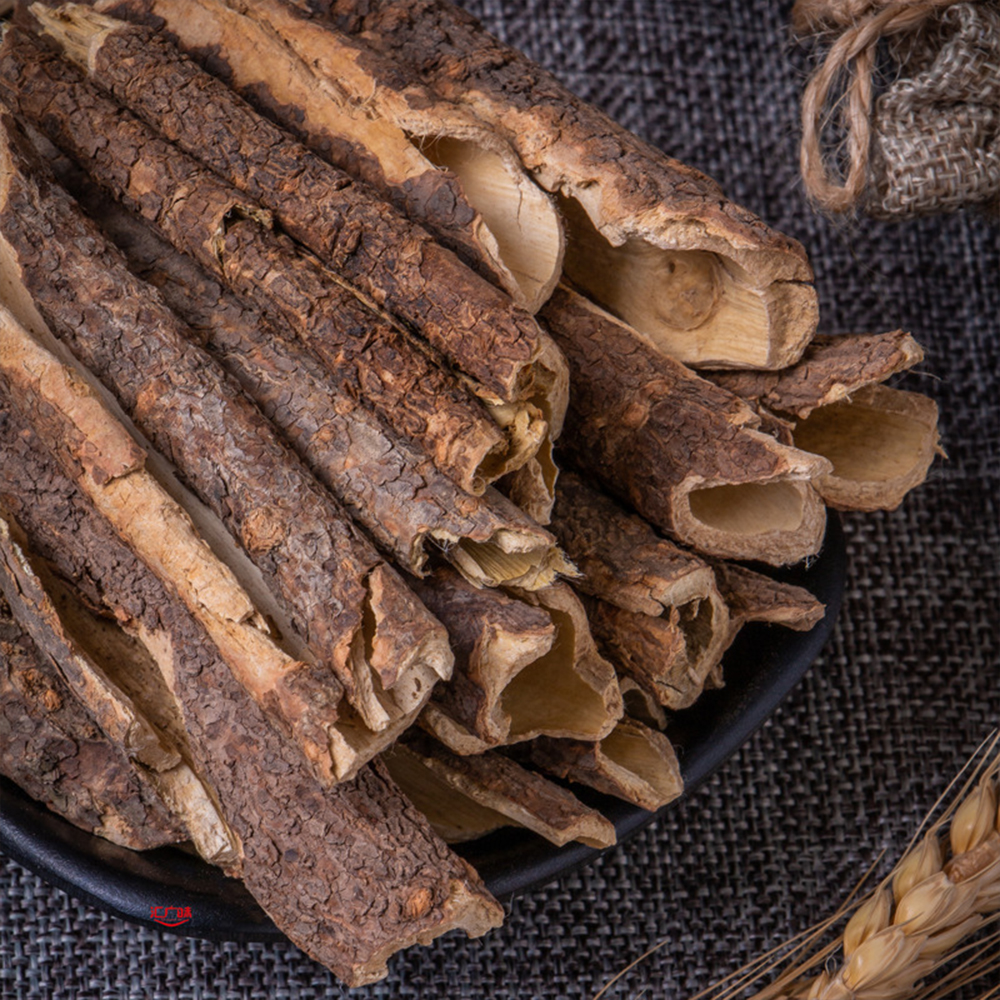
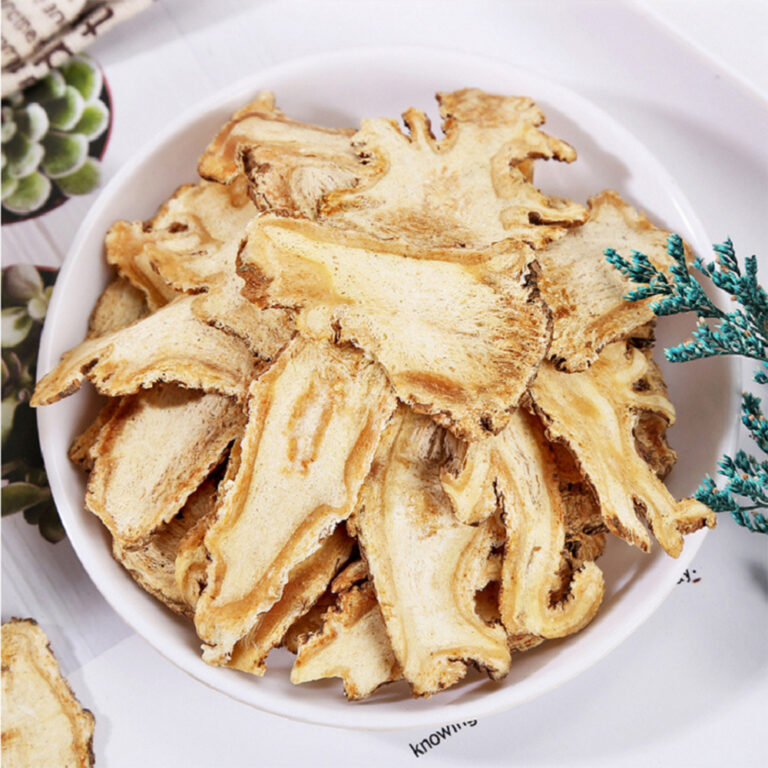
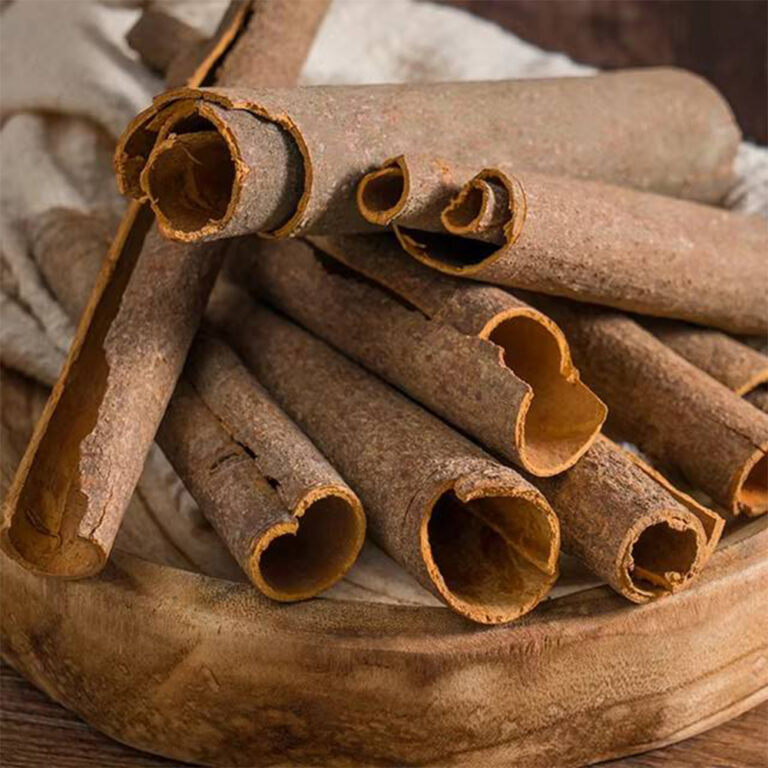
Wu Jia Pi is normally supplied as thick pieces. “Cut” can still mean very different material:
Thin flat slices.
Curled rolled sections.
Chunks with a high proportion of fines.
The choice affects extraction speed, dust, and appearance in a finished pack. A guide on choosing between bark slices, strips, or chunks explains the trade-offs between formats for bark generally.
For Wu Jia Pi, put these in the spec:
A thickness range, in millimeters, set by your downstream process.
An accepted level of fines and broken pieces.
A reference photograph of an approved sample.
I have not set numeric limits here. The right values depend on whether you are making decoction packs, liquors, or powders. Agree them against your own process and pilot batches.
Which Records Separate a Useful COA From a Decorative One?
A certificate of analysis lists results. A useful one connects those results to a specific lot and method. Use the table below to see where a supplier’s documents fall short.
Record item
Weak entry
Useful entry
Species
“Wu Jia Pi” or “Eleutherococcus bark”
Latin binomial, plant part (root bark), and the standard referenced
Process
“Dried and cut”
Harvest month, drying method, whether moistening was used, final drying step
Cut
“Sliced”
Thickness range, accepted fines or broken pieces, approved-sample photo
Testing
“COA available”
Identity method, moisture result, contaminant panel, lab name, lot number matching your shipment
Traceability
“Batch number”
Lot linked to origin and harvest record, with a retained sample held
Treat this table as a recommendation for what to request, not a statement of what any given supplier provides. Whether it supports your market depends on the destination country’s rules for botanical ingredients.
Common Documentation Gaps That Cause Disputes
Name ambiguity. The trade name “Wu Jia Pi” has historically covered more than one plant. If the PO uses only the pinyin, any later disagreement about identity is hard to settle.
Mixed lots. If several harvest batches are blended, the record should say so. Otherwise one COA is attached to material that was never tested as a single lot.
Undeclared moistening. Bark that was soaked to ease cutting and then under-dried can look fine at inspection and mold in transit.
Cut-size drift. Without a reference sample, “uniform” means whatever the supplier’s current output looks like.
COA and shipment mismatch. A lot number on the certificate that does not match the cartons is a documentation failure even if the material is sound.
What Should Buyers Specify Before Requesting a Quote?
Quote prices are only comparable when every supplier prices the same spec. Before you send an RFQ, write down:
Botanical name, plant part, and the pharmacopoeial or internal standard.
Target market and intended use (tea, liquor, extract, powder), because this changes the testing scope.
Cut form, thickness range, and fines tolerance, with a reference photo.
Drying and moistening method, and a maximum moisture value from your chosen standard.
Required test panel and identification method, with the right to retest on arrival.
Packaging, liner, and desiccant requirements.
Lot size, sample requirements, and delivery schedule.
The supplier’s product page states that it offers samples, COA reports, and low-quantity ordering. Confirm exactly what those cover for your lot before relying on them. Request a pre-shipment sample from the same lot as the shipment, and assess it against your reject criteria. The bulk sourcing guide for bark Chinese medicinal materials covers supplier comparison and reject standards in more detail. If you are comparing other cortex herbs at the same time, the range of bark Chinese medicines puts the options on one page.
Frequently Asked Questions
Is Wu Jia Pi the same as Siberian ginseng? No. Wu Jia Pi is the dried root bark of Eleutherococcus (Acanthopanax) gracilistylus. Siberian ginseng, E. senticosus, is a different herb. Ask for the Latin name and plant part so a shared “Eleutherococcus” label doesn’t cause a mix-up.
What is Xiang Jia Pi, and why does it matter for Wu Jia Pi buyers? Xiang Jia Pi is Periplocae Cortex, root bark of Periploca sepium. Published research documents it as a common adulterant of Wu Jia Pi, and it contains the cardiac glycoside periplocin. Require identity testing, not visual acceptance alone.
What processing steps should a supplier be able to document? At minimum: harvest season and origin, bark stripping, primary drying method, any moistening before slicing, final drying, and packing. Each step affects mold risk, appearance, or consistency, so request it in writing and tie it to a lot number.
Does a COA prove the bark is genuine Wu Jia Pi? Only if it states the identification method and matches your lot. A COA listing moisture and contaminants alone does not establish species. Ask which identity test was run, by which lab, and on which lot.
How should dried Wu Jia Pi be stored? The Chinese Pharmacopoeia text, as reproduced by the reference site cited above, says to store it in a dry place and protect it from mold and insects. In practice, specify a moisture-resistant liner and a controlled warehouse.
What cut form should I choose? Choose by downstream use: thicker pieces suit long boiling or liquor steeping, while smaller pieces extract faster but generate more fines. Whatever you choose, record a thickness range, a fines tolerance, and an approved-sample photo.
Our low MOQ of 1 kg (2.2 lb) makes it easy to order Chinese herbal slices or wholesale Chinese medicine herbs. Private-label and bilingual labeling are also available.
Delivery Cycle & Support
We have a fast 7-day lead time. We provide free samples, COA reports, and technical support to help you bring high-quality bulk Chinese herbs to market.
Quality & Certifications
Our products are manufactured in a GMP-certified facility and meet ISO22000 standards. All Chinese herbs are third-party tested for heavy metals, pesticides, and microorganisms.