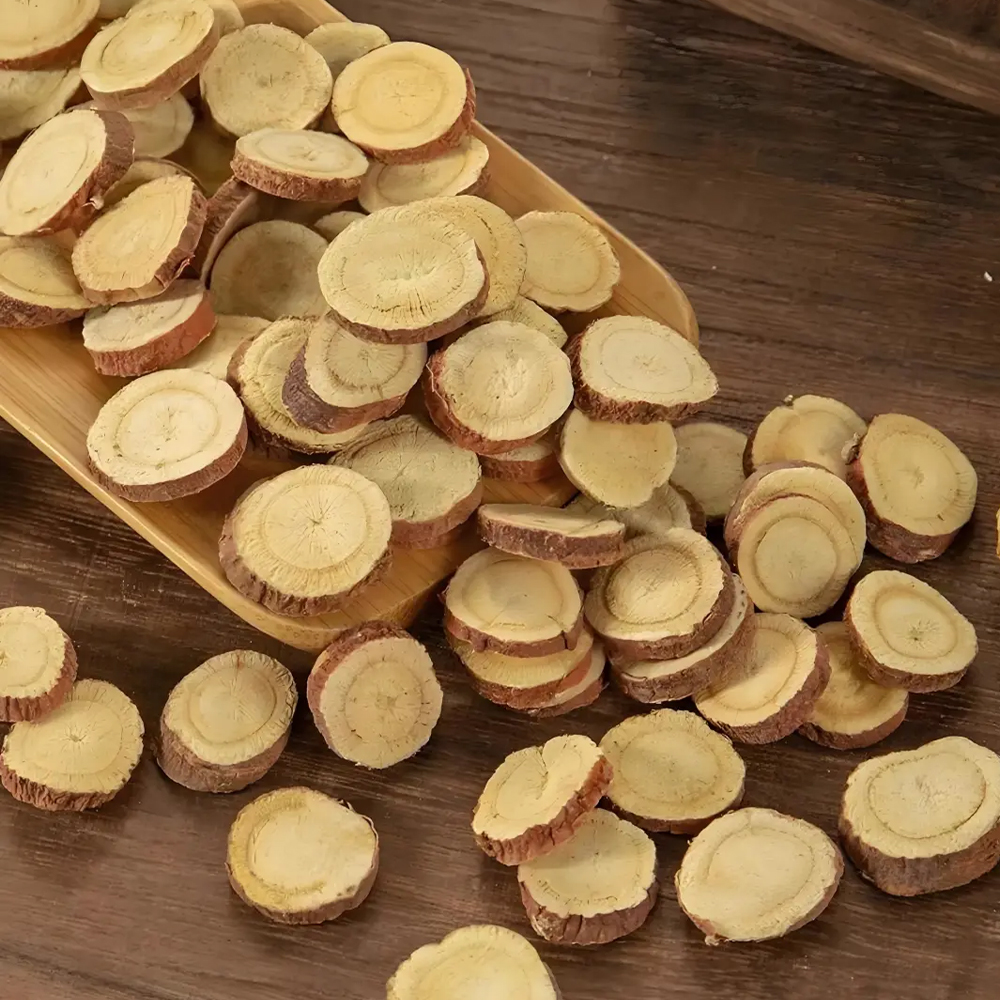
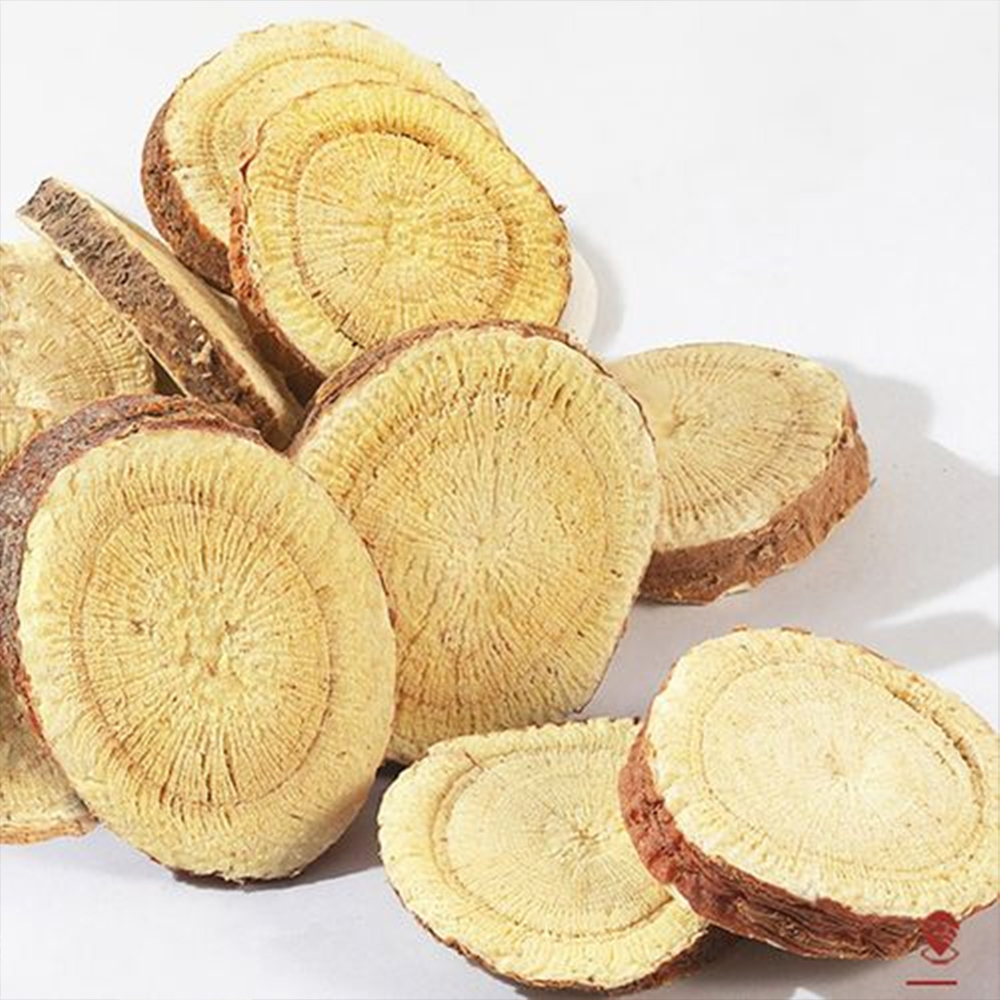
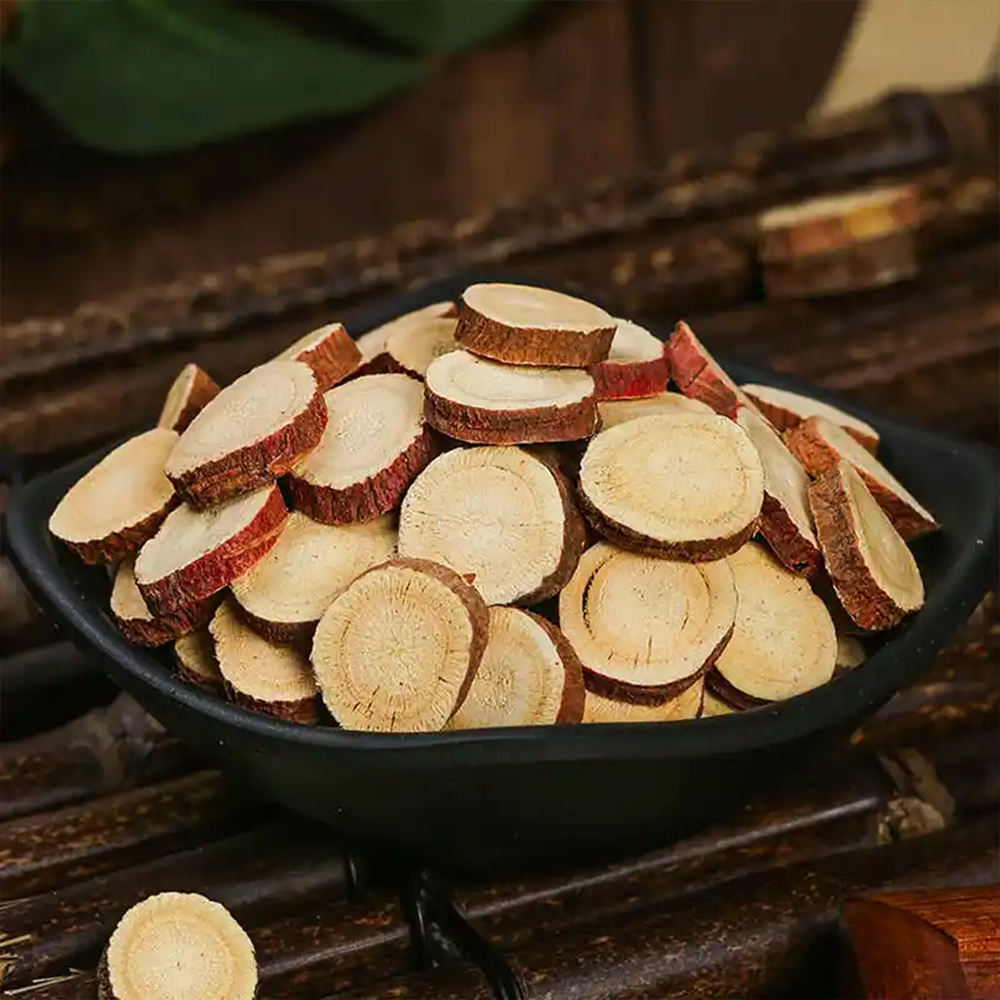
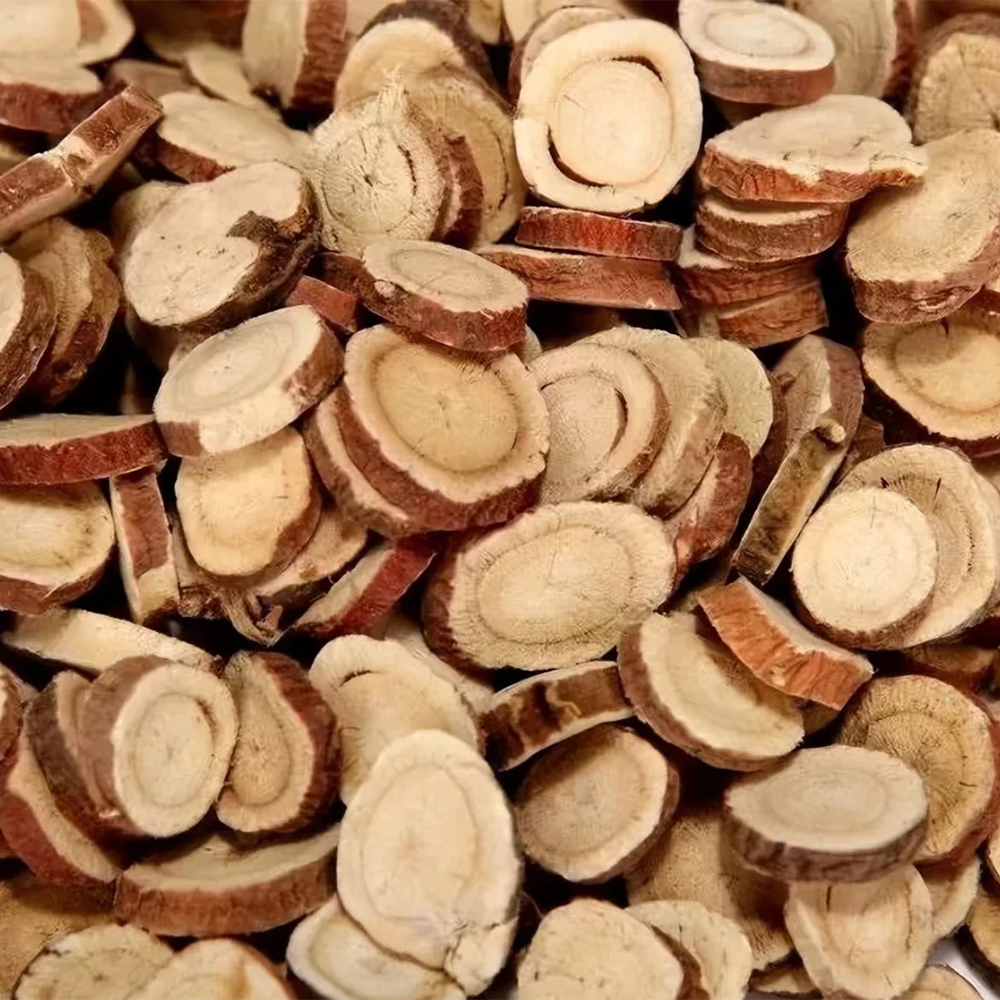
Licorice Root Slices: Controlling Cut Size Across Repeat Orders
How to control licorice root slice thickness, fines and moisture so repeat orders match the approved sample, with spec parameters, receiving checks and RFQ preparation.
Licorice root slices look like one of the simplest lines on a botanical purchasing list, yet cut size is where repeat orders most often go wrong. The first lot passes inspection. By the third, the slices are thinner, more edges are broken, bulk density has shifted, and the tea-bag filler, decoction dispensing step or extraction run no longer behaves like the approved sample. Nothing in the paperwork has changed, but the product has.
This article explains why Gan Cao (Glycyrrhizae Radix et Rhizoma) cut size drifts, which parameters belong in a written specification, how to check them on receipt, and what to agree with a supplier so that order ten looks like order one. It is written for procurement, QA and product development teams that buy licorice root in bulk for TCM, supplements, herbal tea or functional beverages.
Why Does Licorice Cut Size Change Between Orders?
Cut size drifts because slice thickness is only one of several variables that decide what arrives in the carton. The slicer setting matters, but so do the diameter of the incoming roots, the moisture of the root at cutting, shrinkage during drying, blade condition and how the slices are handled afterwards.
Root diameter varies widely. A chromatographic fingerprint reference chapter on Glycyrrhiza describes G. uralensis roots as cylindrical, 25–100 cm long and 0.6–3.5 cm in diameter. Because licorice is typically cut across the root, a slice’s diameter follows the root it came from. A lot built mostly from thick main roots and a lot that includes more slender material will look different even when the slicer is set identically.
Species and texture differ. The same chapter notes that G. inflata roots are woody with abundant lignified fibres, while G. glabra has a relatively compact texture. A change of botanical source can therefore change how cleanly the root cuts and how many chipped edges appear. This is an inference from the descriptions, not a measured cutting trial, so confirm it with your supplier if species might change between lots.
Moisture and drying move the dimensions. Dried licorice root is hard, so processors generally soften it before cutting and dry the slices afterwards, although methods vary by factory. A slice measured wet is not the same as a slice measured dry, and a drying curve that changes between batches can change both thickness and brittleness.
Handling creates fines. Thin or dry slices break during packing and transport. GuoCao’s own guide to choosing decoction-piece cut size notes that stronger cartons help thick slices avoid cracking into fines. Fines are rarely listed on an invoice, but they change the sieve profile your line sees.
What Should “Cut Size” Mean in a Licorice Specification?
In a licorice specification, cut size should be a set of measurable dimensions rather than a single word such as “thick” or “thin.” Practice differs across sources. A consumer-oriented Gan Cao guide describes the root as cut into thick slices and treats evenness of thickness as a sign of careful processing. GuoCao’s decoction-piece guide uses working bands of 1–2 mm for thin slices and 2–4 mm for thick slices, and places licorice in a thin-to-mid range. Those bands are useful starting points, but they were not independently checked against the pharmacopoeia text for this article, so confirm them against the edition that governs your target market.
Because terms overlap, define at least these dimensions:
Thickness window, in millimetres, measured on dried slices with a stated method.
Slice diameter or root grade, for example whether slender rootlets are excluded. The consumer guide notes that root tips are sold separately as Gan Cao Shao, which is a different cut rather than a different plant.
Cut direction and shape, such as round crosswise slices versus oblique slices.
Fines and broken pieces, defined by a sieve aperture and a maximum percentage passing.
Form, meaning raw Gan Cao or honey-fried Zhi Gan Cao.
Which Cut Size Suits Which Application?
No single cut size is correct for every use. The table below is a set of qualitative decision aids, not verified numerical specifications. Set the actual numbers with a pilot run in your own process.
Application
What cut size affects
Main risk if it drifts
Specification emphasis
TCM decoction dispensing
Dose by weight, visual identity, extraction behaviour
Cloudy brew from fines; inconsistent extraction between lots
Thickness window plus a fines limit
Herbal tea blends and tea bags
Blend uniformity, fill weight, sealing
Size mismatch with other ingredients causes segregation in the blend; dust interferes with filling
Match size to the other components; consider a separate tea-cut SKU
Functional beverage extraction
Surface area, extraction time, filtration
Faster extraction but more fines in thin cuts; slower release in thick cuts
Validate by pilot extraction at both ends of the window
Milling feedstock for powder or capsules
Mill feed rate, moisture pick-up
Uneven feed; moisture and foreign matter become the bigger issues
Moisture, foreign matter and sieve profile more than slice appearance
The cut-size guide mentioned above also covers how thickness interacts with brew time and packaging loss across other herbs, which helps when you are standardising several SKUs at once. For how slicing fits alongside heat and adjuvant treatments, see this overview of common processing methods for Chinese herbs.
Is a Tighter Thickness Tolerance Always Better?
No. A tighter tolerance is only worth paying for when it is tied to a measurable outcome in your process. Narrow windows raise rejection rates and cost, and they can create a false sense of control if nothing else is specified.
The evidence for “thinner is better” is also herb-specific. A pilot study in the Journal of Food and Drug Analysis found that different decoction-piece forms of Poria cocos differed significantly in chemical quality, with curls, small grains and ultra-small grains ranking highest, followed by thin slices. That result concerns Poria, not licorice, and should not be transferred to Gan Cao. GuoCao’s decoction guide makes a related point that for Ophiopogonis Radix, drying conditions can matter more than thickness. No published study linking a specific thickness tolerance to licorice extraction outcomes was found during research for this article, so buyers should test their own.
A practical approach:
Run the approved sample at the thin and thick ends of the proposed window.
Compare what matters to you: extraction yield or marker content, sensory profile, filling performance, fines after handling.
If the ends of the window give the same result, widen the tolerance and put the savings into fines and moisture control.
If they differ, narrow the window to the range that performs, and write that range into the specification.
A tight tolerance is justified where per-piece appearance is part of the product (pharmacy dispensing, retail jars) or where automated filling is sensitive to size. In other cases, a moderate window combined with a fines limit, a moisture limit and a retained reference sample usually controls the outcome better than thickness alone.
Which Parameters Keep Licorice Slices Consistent?
The parameters below are the ones that most directly determine whether repeat lots match. Each should appear in the quotation or purchase specification with a method, not just a value.
Parameter
What to write in the specification
Why it drifts
What to verify on receipt
Thickness
Target and range in mm on dried slices; measurement method
Slicer setting, blade wear, shrinkage on drying
Measure sampled slices at several points; record mean and outliers
Slice diameter / root grade
Root grade or diameter range; rootlets included or excluded
Change in raw material mix or crop year
Compare against the reference sample; measure a diameter sample
Fines and broken pieces
Sieve aperture and maximum % passing
Thin cuts, rough handling, weak cartons
Sieve a weighed sample, including material from the bottom of the carton
Moisture
Target and upper limit, plus test method
Drying curve, storage, sea freight
Compare COA with your own or third-party test
Form
Raw Gan Cao or Zhi Gan Cao; for honey-fried, honey ratio and moisture window
Processing variation
Colour, surface gloss and sweetness against the reference
Botanical source and sulfur status
Species named; statement on sulfur fumigation
Supplier or origin change
COA tied to the lot number on the cartons
Reference sample
Golden sample, photos and spec version number
Informal “same as last time” ordering
Side-by-side check on every lot
Measure thickness as a process, not an opinion. GuoCao’s guide describes one workable approach: sample by weight rather than piece count, measure each slice at three points, accept on the average, flag clusters of outliers, and trigger corrective action if two consecutive lots trend toward the same edge of the window. Whatever method you use, write it into the agreement so both sides measure the same way.
Treat raw and honey-fried licorice as separate specifications. Honey-frying adds a processing step with its own variables. The processing methods page lists honey ratio, pan type, end-point colour, moisture window and a no-sulfur statement as items to specify for Zhi Gan Cao. Do not assume a thickness window approved for raw slices carries over unchanged.
Do not rely on a “dry” claim. A quotation that says only “dry” has not specified moisture. Ask for a target, a limit and the test method, as discussed in GuoCao’s article on reading a Chinese herbal OEM quotation line by line.
Illustrative example (hypothetical, not a real customer case): a tea manufacturer approves licorice slices described only as “2–3 mm.” By the third order, the mean thickness is unchanged, but the supplier has mixed in more slender root and the carton bottoms hold noticeably more dust. The filling line begins to jam. Because the specification named no fines limit, no root grade and no sieve method, there was no agreed basis for a claim. A lot-level sieve record would have shown the trend two shipments earlier.
How Can Buyers Keep the Same Spec Across Repeat Orders?
Consistency across repeat orders depends on contract mechanics as much as on factory skill. The following controls are low-cost and address the most common causes of drift.
Version the master specification. Every quotation and purchase order should cite a spec version. The quotation guide recommends tying quotes to a master spec and a golden sample so a supplier cannot change details and still call the product “the same.”
Keep identical specs across price tiers. The same quotation guide warns that unit price can fall at higher volume because grade, moisture window or cut tolerance is quietly changed. Write “specification unchanged across all quantity tiers” into the quote.
Require change notification. Any change in raw material source, species, processing site, drying method or slicing equipment should require notice and a re-approval sample.
Retain reference samples on both sides. Seal and label a golden sample with the spec version and date, and keep photographs of the cut face and a sieve result.
Share a forecast and agree call-offs. A rolling volume forecast lets a supplier plan raw material purchases. Ask whether they can allocate material from a consistent crop year or raw lot across scheduled call-offs. This is a recommended practice rather than a verified industry rule.
Chart each lot. Record mean thickness, fines percentage and moisture per lot. A drifting line is visible long before a single lot fails.
Supplier structure also matters. GuoCao’s article on evaluating a Chinese herb supplier’s inventory capacity and lead-time reliability distinguishes factory-direct producers from trading intermediaries, noting that traders often assemble supply from several small workshops and have weaker batch visibility. Ask directly who slices your licorice, whether any step is subcontracted, and how the supplier handles peak periods such as the Chinese New Year or harvest rush. It also separates contract lead time from actual lead time, which is a useful question to ask about the last few shipments of similar volume.
How Should You Inspect Licorice Slices on Receipt?
A receiving inspection should confirm the specification with a repeatable method. Use your QA procedure to set sample sizes, and follow a consistent order:
Check that carton labels, lot numbers and the COA match.
Draw a sample by weight from several cartons and positions, not just the top layer.
Compare cut face, colour and shape with the golden sample.
Measure thickness at multiple points using the agreed method, and record mean and outliers.
Run the sieve test for fines and broken pieces.
Check moisture and note any musty smell, discolouration or visible mould.
File the results by lot so trends can be reviewed.
For wider analytical methods, the World Health Organization’s Quality control methods for herbal materials is a reference publication that collects standardised methods for assessing herbal material quality, and it is useful when drafting your own test procedures.
What Should You Specify Before Requesting a Quote for Licorice Root Slices?
Prepare the following before requesting a quotation, so that the first price already reflects the cut size you actually need:
Form: raw Gan Cao or honey-fried Zhi Gan Cao, and the botanical species.
Thickness window in mm, measurement method and dried-state basis.
Root grade or slice diameter expectations, including whether rootlets are excluded.
Fines limit with sieve aperture and sampling position.
Moisture target, limit and test method.
Sulfur fumigation statement and the COA scope you require (identity, heavy metals, pesticide residues, microbiology as relevant to your market).
Intended use, so the supplier can judge whether a tea-cut or milling-grade material is more suitable.
Annual volume, call-off schedule and trial quantity.
Packaging: carton strength, liners, label language and lot-code placement.
Approval process for the reference sample and change notifications.
Buyers who want to see the product range can start from GuoCao’s licorice root (Gan Cao) slices product page, which lists sample and COA support, or browse the wider root and rhizome Chinese medicines category when standardising several root SKUs under one specification format. Confirm MOQ, lead time and certifications directly in the quotation rather than relying on web copy.
Frequently Asked Questions
What is a typical thickness for licorice root slices? There is no single figure. Sources differ, and some describe licorice as thick-cut while others place it in a thin-to-mid range. Set a numeric window in millimetres, confirm it against the pharmacopoeia edition for your market, and validate it in your own process.
Why do licorice slices vary between batches from the same supplier? Variation usually comes from differences in root diameter and grade, moisture at cutting, drying shrinkage, blade wear, handling breakage or a change in processing site. A specification that names only thickness leaves most of these uncontrolled.
How do I measure fines in licorice slices? Sieve a weighed sample through a specified aperture and report the percentage passing. Sample from several cartons, including the bottom, because breakage settles there. Agree the aperture and maximum percentage with the supplier before the first order.
Should raw and honey-fried licorice have the same cut size specification? Not automatically. Honey-fried Zhi Gan Cao involves an extra processing step with its own variables, including honey ratio and moisture. Approve its specification and reference sample separately from raw Gan Cao.
Does thinner licorice extract better? Not reliably. Thinner slices increase surface area but also fines, and published evidence on form and extraction is herb-specific. A Poria cocos study favoured small forms, but that cannot be assumed for licorice. Run a pilot extraction.
Can the unit price drop at higher volume without changing quality? It can, but verify it. A price break should come with an identical specification. Ask the supplier to confirm in writing that grade, moisture window and cut tolerance are unchanged across quantity tiers.
What documents should accompany each licorice lot? At minimum, a COA tied to the lot number on the cartons, covering the tests you specified, plus the thickness and fines results if agreed. Keep photographs of the cut face and compare them with the golden sample.
Our low MOQ of 1 kg (2.2 lb) makes it easy to order Chinese herbal slices or wholesale Chinese medicine herbs. Private-label and bilingual labeling are also available.
Delivery Cycle & Support
We have a fast 7-day lead time. We provide free samples, COA reports, and technical support to help you bring high-quality bulk Chinese herbs to market.
Quality & Certifications
Our products are manufactured in a GMP-certified facility and meet ISO22000 standards. All Chinese herbs are third-party tested for heavy metals, pesticides, and microorganisms.