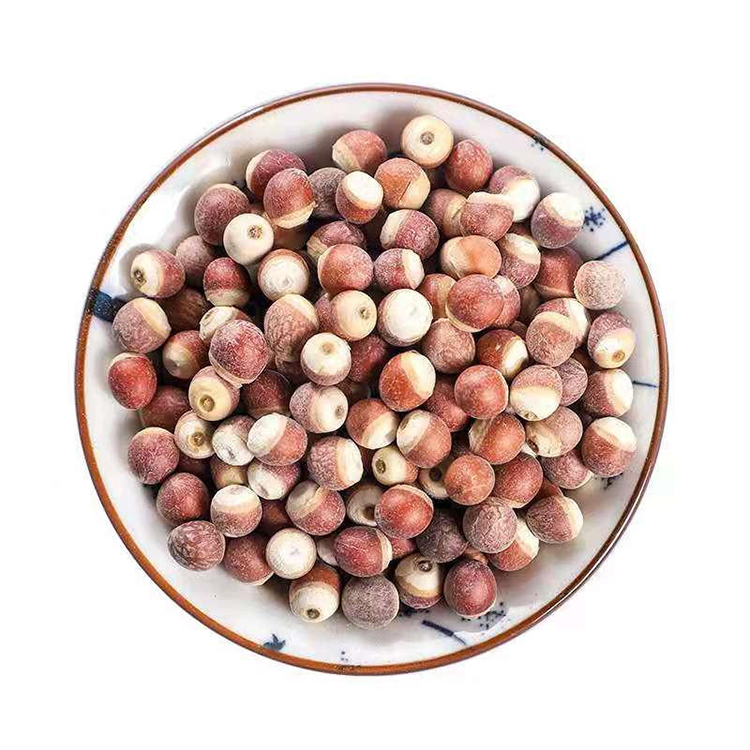
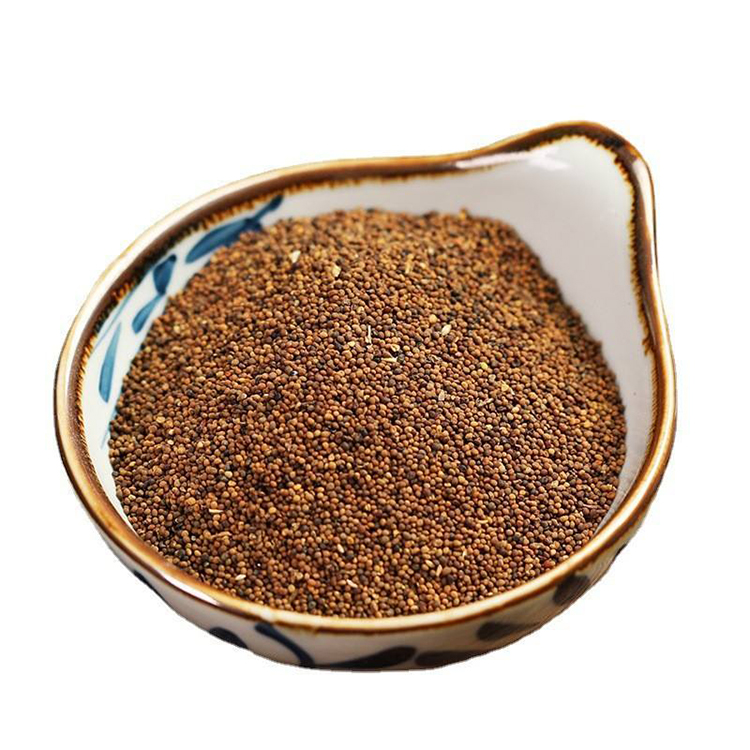
Nutmeg & Mace (Rou Kou): split the specs—buyers should stop using one sheet
A hard-nosed buyer’s guide to nutmeg vs mace, why one shared spec sheet fails, and how to separate nutmeg and mace specifications before the next shipment turns into a claims fight.
I keep seeing buyers treat the seed and the aril from the same fruit as if shared ancestry somehow wipes out physical, sensory, and regulatory differences, even though USDA’s handling report says mace is detached and processed separately from nutmeg and typically yields about 10–13% essential oils while nutmeg yields about 6.5–8%, and Codex writes nutmeg rules around form-specific moisture, volatile-oil, and defect limits that do not read like a one-size-fits-all document. Why are smart purchasing teams still acting like these are twins?
This is not niche money, either. In 2024, World Bank WITS data put Indonesia alone at $111.36 million and 18.42 million kg of nutmeg exports, with India at $30.42 million and 5.23 million kg, which means sloppy nutmeg and mace specifications are not a cute paperwork error but a recurring commercial leak in a real global trade lane.
And I’ll say the rude part out loud: when a buyer uses one spec sheet for nutmeg and mace, that buyer is usually outsourcing judgment to inertia. That is not strategy. That is admin cosplay.
Table of Contents
The botanical split buyers keep pretending not to see
Same tree. Different commodity.
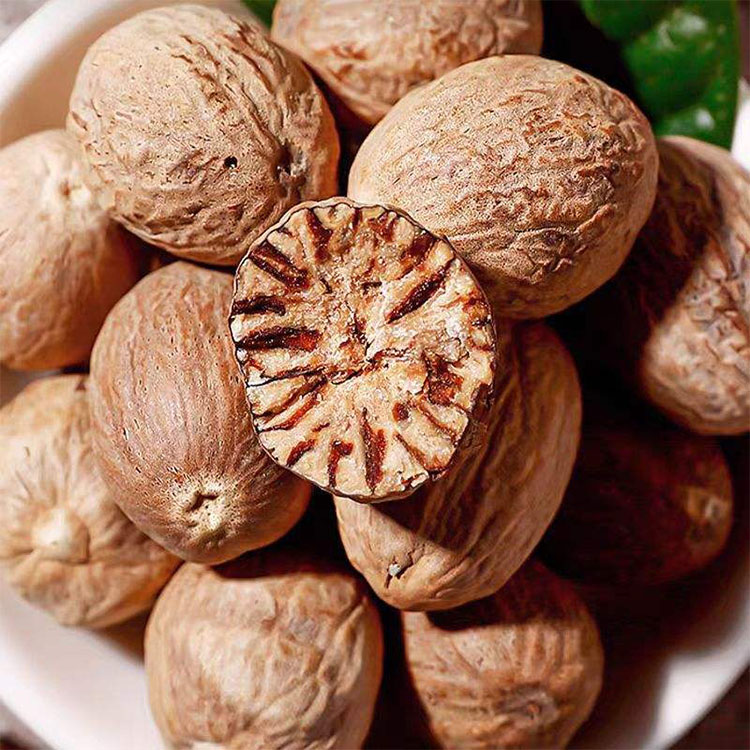
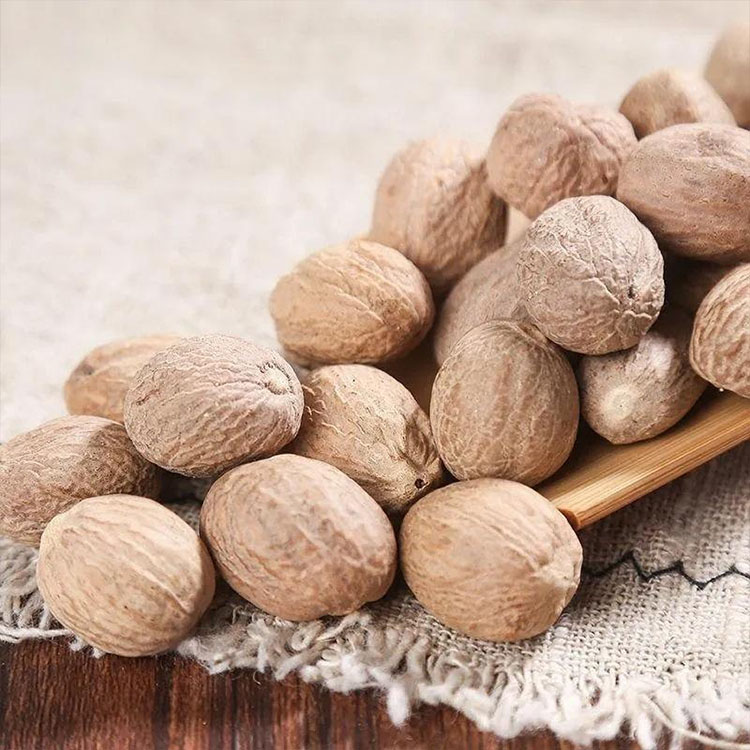
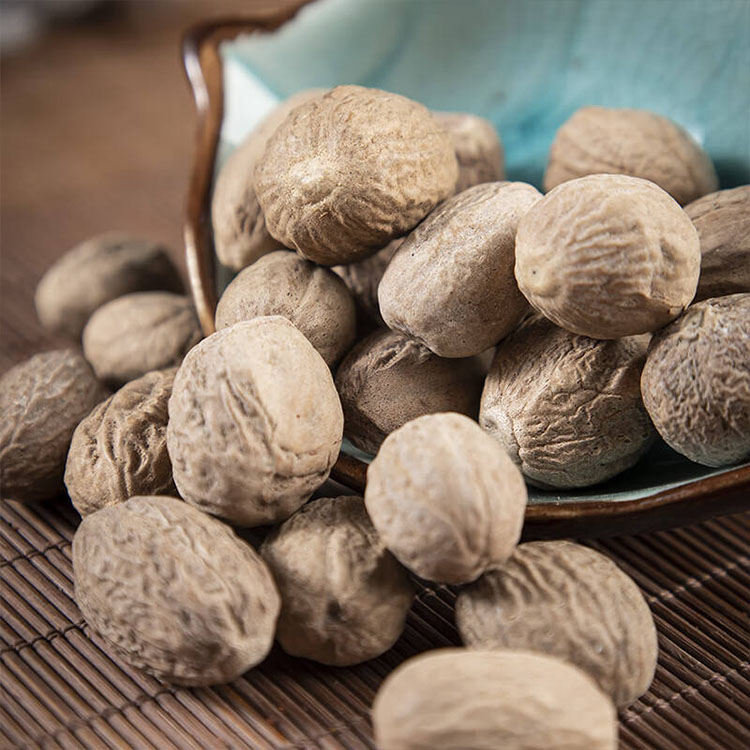
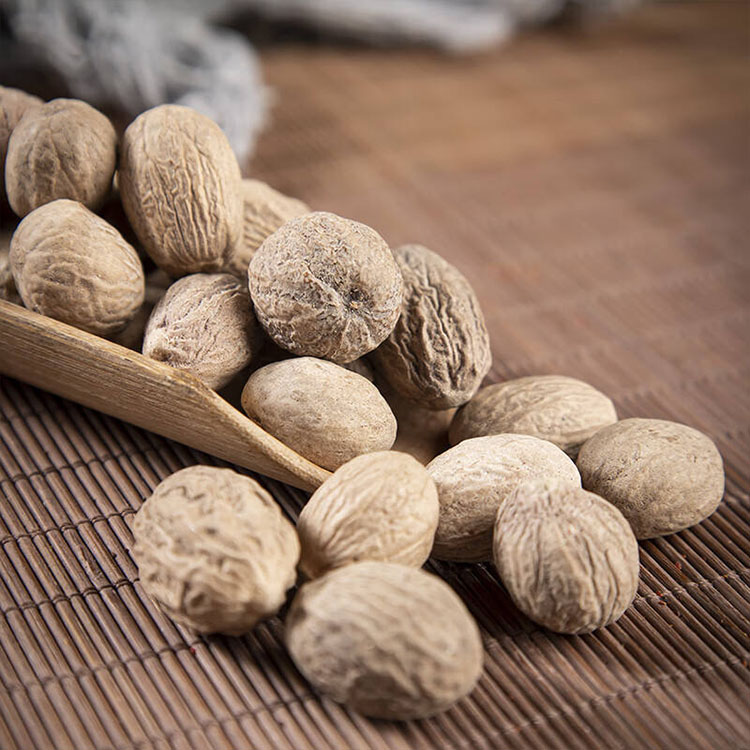
Nutmeg is the seed of Myristica fragrans; mace is the aril wrapped around that seed, and even the Codex drafting discussion for nutmeg explicitly pushed the phrase “after removing of aril parts,” with Sri Lanka noting it has a separate standard for the aril parts, which is bureaucratic language for a simple commercial truth: the market already knows these are not the same thing.
That matters fast once you move from romance to procurement. If your PO says Rou Dou Kou or Rou Kou without locking the Latin name, plant part, and presentation style, you are begging for crossed samples, mismatched COAs, and the kind of supplier defense I’ve heard too many times: “same fruit, same family, same aroma.” Really? Then why does Codex tolerate only a tiny “piece of mace” presence in whole inshell nutmeg instead of treating mace as part of normal identity?
Nutmeg vs mace at buyer level
The facts below are the ones I would put in front of any QA manager before approving a single combined spec sheet. USDA establishes the separate processing path and typical oil-yield difference; Codex CXS 352-2022 sets nutmeg’s form-specific chemical and physical limits, including the 0.1% maximum for piece of mace in whole inshell nutmeg.
Specification Point
Nutmeg
Mace
Buyer Implication
Plant part
Seed/kernel
Aril around the seed
Identity must be locked by plant part, not just species name
Core processing logic
Whole, broken, or ground/powdered nutmeg is standardized in Codex
Detached and processed separately from the seed
One shared spec sheet blurs processing loss, appearance, and COA expectations
Aromatic profile
USDA notes lower typical essential-oil yield than mace
USDA notes higher typical essential-oil yield than nutmeg
Sensory and volatile-oil acceptance ranges should not be copied across
Defect logic
Codex includes “piece of mace” as a measurable defect in whole inshell nutmeg
Mace is not just “more nutmeg”
Cross-contamination between the two is a spec issue, not a footnote
Moisture / style sensitivity
Codex sets different moisture ceilings for whole/broken vs powder
Needs its own style-based limits
Powdered forms need their own tighter control logic
If that table feels obvious, good. It should. The problem is not that the trade lacks definitions; the problem is that buyers keep ignoring them.
Codex already told you to split the specs
Read the table.
Codex CXS 352-2022 gives nutmeg separate chemical lines for whole, broken, and ground/powdered product: moisture max 10.0/10.0/8.0, and volatile oil minimum 6.5/6.0/5.0 mL per 100 g on a dry basis, then follows with physical limits such as mould, infestation, rodent hair, and a 0.1% maximum for piece of mace in whole inshell nutmeg. That is not a template for generic spice copy; it is a map for precise buying.
So here is my hard truth: if your nutmeg and mace specifications share the same volatile-oil line, the same sensory description, the same presentation styles, and the same defect language, your document is probably not a specification at all. It is a comfort blanket.
And there is a second clue buyers miss. Codex also expects origin labeling and allows region and year of harvest declarations, because aroma loss, contamination traceability, and complaint resolution all get uglier when the paper trail is vague, especially after grinding. Why keep a single sheet when even the standard cares about form and harvest detail?
The compliance risk is bigger than most buyers admit
This part stings.
According to FDA’s spice safety Q&A, imported spice shipments offered for entry into the U.S. showed an overall Salmonella prevalence of about 6.6% in fiscal years 2007–2009, and about 12% were adulterated with filth such as insects and animal hair; FDA also said spice shipments from 79 countries were examined and that contamination was not limited to a few origins. Those are not numbers that reward vague commodity definitions.
Then came the 2024 wake-up call. In Reuters’ report on the UK tightening scrutiny of Indian spice imports, Britain’s food watchdog applied extra control measures to all Indian spice imports after ethylene oxide concerns, while Reuters also reported that MDH had seen an average 14.5% of its U.S. shipments rejected since 2021 over Salmonella based on FDA data analysis. Not nutmeg specifically, no. But that is exactly the point: regulators do not care that your spec sheet was lazy.
And in Reuters’ follow-up on India widening inspections across spice manufacturers, India’s regulator ordered extensive inspections, sampling, and testing across spice-mix manufacturers, with checks for ethylene oxide and compliance on quality and safety parameters. I would be crazy to look at that regulatory mood and still approve one shared nutmeg-and-mace spec. Wouldn’t you?
How I would separate nutmeg and mace specifications tomorrow morning
Do this first.
My rule is simple: if the COA cannot tell me whether I am buying seed or aril, I do not approve the PO.
1 Put plant part in the product name
Write Nutmeg seed/kernel, Myristica fragrans and Mace aril, Myristica fragrans. No shortcuts. No “nutmeg/mace.” No “Rou Kou” without Latin name and plant part. The Codex drafting language around removing aril parts makes this distinction too plain to ignore.
2 Split by presentation style
For nutmeg, I would use separate lines for whole inshell, whole shelled seed, broken, and ground/powdered, because Codex does. For mace, I would use separate commercial lines for whole blades or pieces versus powder, because USDA says the aromatic balance differs and the aril is processed on its own path.
3 Stop copying sensory language
Nutmeg and mace are related, not interchangeable. USDA explicitly says they have similar flavors but are subtly different because of different quantities of aromatic substances, and that alone should kill the habit of using the same odor, color, and volatile-oil acceptance language for both materials.
4 Make contamination controls explicit
If FDA can tell you that imported spices had a 6.6% Salmonella prevalence and about 12% filth adulteration in the import data set, your supplier paperwork should state pathogen control, sampling plan, treatment status where relevant, and lot-level COA release requirements in black and white. “Food grade” is not a control plan.
5 Force traceability into the commercial paperwork
Country of origin, lot number, harvest year where available, packing date, presentation style, and plant part should sit on the quote, the contract, the COA, and the master label. Codex includes country-of-origin provisions and optional region/year declarations for a reason: claims get expensive when traceability is fuzzy.
This site also gives you the buying language a serious B2B spice audience wants to see: factory-direct positioning, traceability claims, GMP and ISO 22000 language, third-party testing, low MOQ of 1 kg, 7-day lead-time claims, and COA support. But I would go one step further and publish two downloadable templates right on the nutmeg page: one COA/spec sheet for seed, one for aril. That would separate real suppliers from brochure writers fast.
FAQs
What is the difference between nutmeg and mace?
Nutmeg and mace are two commercial spices from Myristica fragrans, but nutmeg is the seed kernel while mace is the aril wrapped around that seed, so they should be purchased, described, sampled, and specified as separate materials even when they come from the same fruit and same origin.
That is the clean answer buyers need. Same species does not mean same commodity.
Should buyers use one specification sheet for nutmeg and mace?
No—buyers should not use one specification sheet for nutmeg and mace because the products differ by plant part, presentation style, aromatic intensity, and defect logic, and Codex already treats nutmeg with form-specific limits while even recognizing mace fragments in nutmeg as a measurable physical issue.
I would treat a shared sheet as a warning sign, not an efficiency win.
How do you separate nutmeg and mace specs without making procurement messy?
The cleanest method is to split the documents by plant part first, then by form, then by control points: identity, sensory profile, moisture or volatile-oil expectations, contamination limits, and traceability fields, so the QA team, buyer, and supplier all approve the same definition before a lot is packed or milled.
In practice, that means two templates, not twenty.
What should a nutmeg and mace supplier include in a COA?
A strong nutmeg or mace COA should identify the exact material, the plant part, the lot, origin, form, core chemistry, contaminant or microbiology status, and release date, so the buyer can match identity and safety controls to the actual commodity rather than to a vague spice category.
If the supplier cannot provide that, the sales deck is ahead of the factory.
Your Next Steps
Start now.
Pull your current nutmeg and mace specification sheet, split it into seed and aril versions, and then ask every supplier three blunt questions: “What exactly is the plant part?”, “What style am I buying?”, and “Can you issue separate COA templates today?” If a supplier hesitates, move on.
Then use the factory-direct dried spices catalog to map your category structure, review the bulk nutmeg supplier page for a tighter nutmeg page build, and make your next quote request conditional on separate nutmeg and mace specifications, separate samples, and separate COAs. That is how buyers stop paying tuition to avoidable mistakes.
Our low MOQ of 1 kg (2.2 lb) makes it easy to order Chinese herbal slices or wholesale Chinese medicine herbs. Private-label and bilingual labeling are also available.
Delivery Cycle & Support
We have a fast 7-day lead time. We provide free samples, COA reports, and technical support to help you bring high-quality bulk Chinese herbs to market.
Quality & Certifications
Our products are manufactured in a GMP-certified facility and meet ISO22000 standards. All Chinese herbs are third-party tested for heavy metals, pesticides, and microorganisms.