


Aged Chen Pi and ordinary dried tangerine peel may look similar in a supplier photograph, but they are not commercially identical. This wholesale guide explains how buyers should compare origin, storage age, aroma, chemistry, safety testing, traceability, and intended use before approving a bulk order.

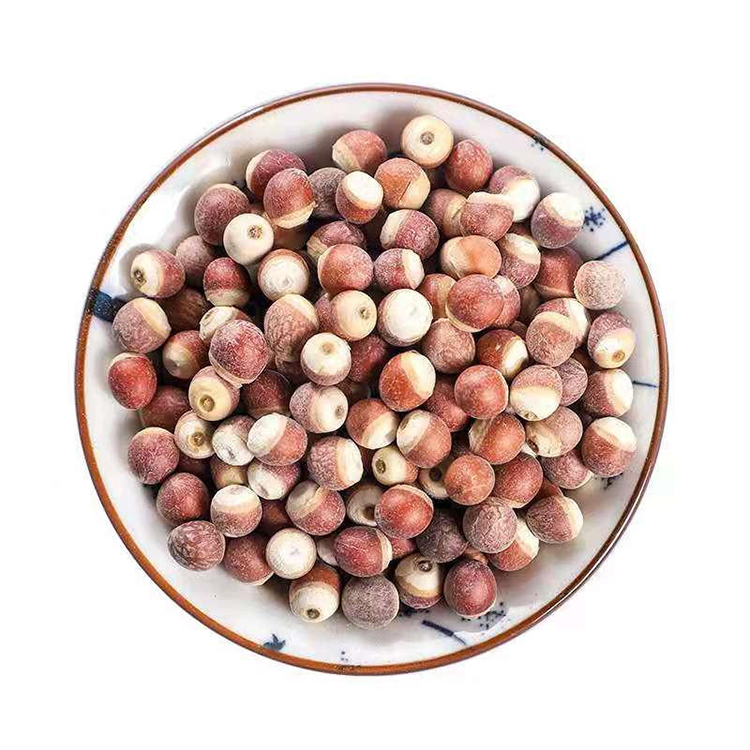
Food-grade and herbal-grade coix seed may come from the same crop, but they are not purchased, tested, released, or documented in the same way. This guide explains how serious buyers should compare identity, sensory quality, contaminants,

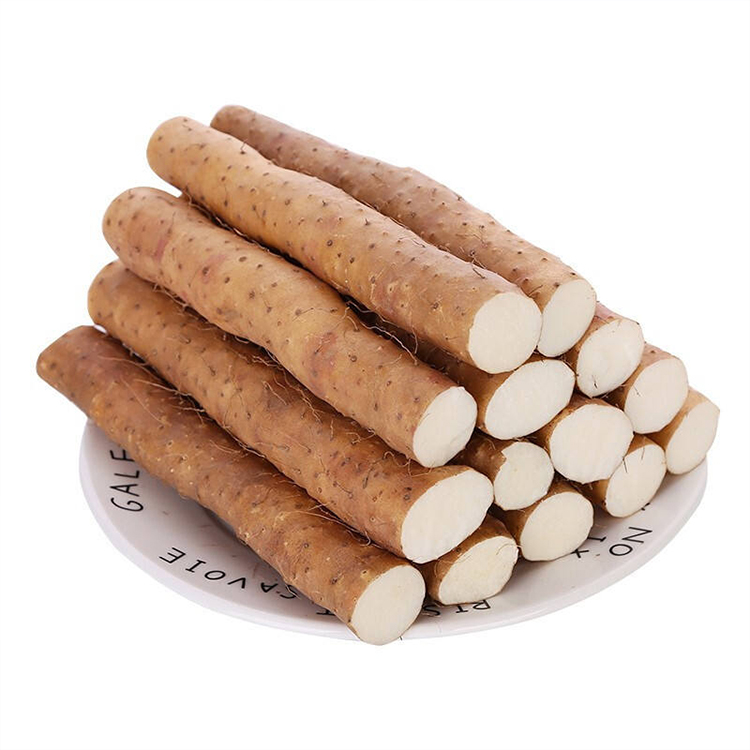
Kudzu root block high quality relies on three linked variables: starch retention, moisture control, and cutting-size circulation. This technical overview clarifies just how expert customers should specify, test, and decline Ge Gen obstructs prior to irregular material gets to removal, decoction, food, or OEM manufacturing.

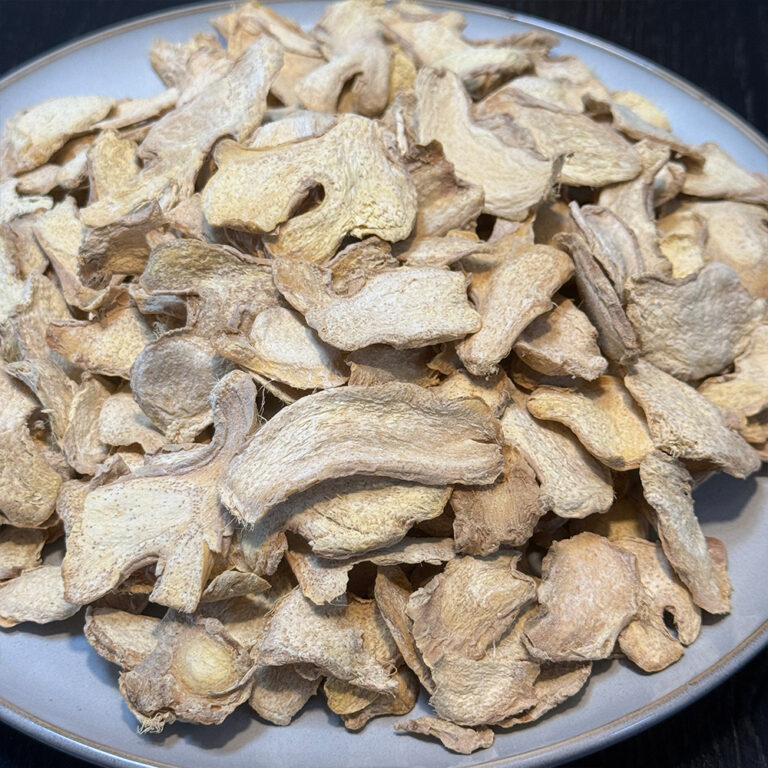
Dried ginger flakes look simple up until they get in a real assembly line. This guide breaks down spice, organic, tea, and practical food applications with sourcing cautions, high quality checkpoints, regulatory context, and useful formula suggestions for severe buyers.

Cassia seed looks simple up until it reaches a tea-bag line, supplement formula, or export audit. This overview discusses exactly how severe customers need to review clean cassia seed, roasted cassia seed, storage conditions, and distributor proof before authorizing a mass order.

Buying ginseng slices wholesale is not about finding the prettiest root photo or the lowest kilogram price. It is about proving species identity, controlling moisture, demanding COA data, matching cut size to the final product, and protecting your brand before a bad batch reaches the consumer.

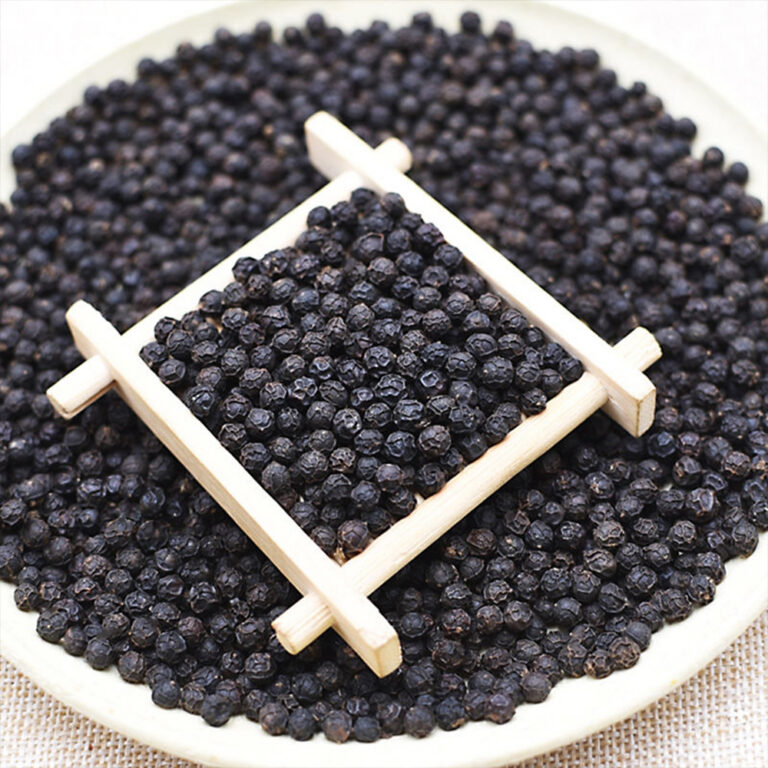
Low-cost bulk seasonings can become expensive quickly. Below is what food brands should validate before purchasing wholesale dried spices from China, from third-party laboratory screening to FSVP documents, virus reduction, and traceability.

Pet and mineral Chinese medicinals are not informal directory fillers. They belong in the hands of purchasers that comprehend documentation, legal direct exposure, set screening, solution risk, and export controls. Here is the buyer map most suppliers are as well respectful to publish.

Bark natural herbs do not fall short quietly. They soak up odors, shed volatile oils, pick up dampness, and subject weak storage self-control long prior to a COA informs the buyer anything. Here is the blunt storage system significant herbal providers must use.

Bark herbs are not filler botanicals. They belong in formulas where bitterness, tannins, volatile oils, alkaloids, extraction time, and supplier discipline actually matter.

The 2026 bulk Chinese herb market is not simply growing; it is becoming harsher, more regulated, and less forgiving. Buyers who understand origin control, pesticide limits, heavy-metal testing, species authentication, and export documentation will find real sourcing opportunities. Buyers who still treat bulk TCM herbs as loose commodity goods will pay later.

Bark Chinese natural herbs look like basic dried plant material, yet their costs move for hard factors: tree age, beginning, refining yield, moisture control, screening worry, governing stress, trader habits, and global herb need.