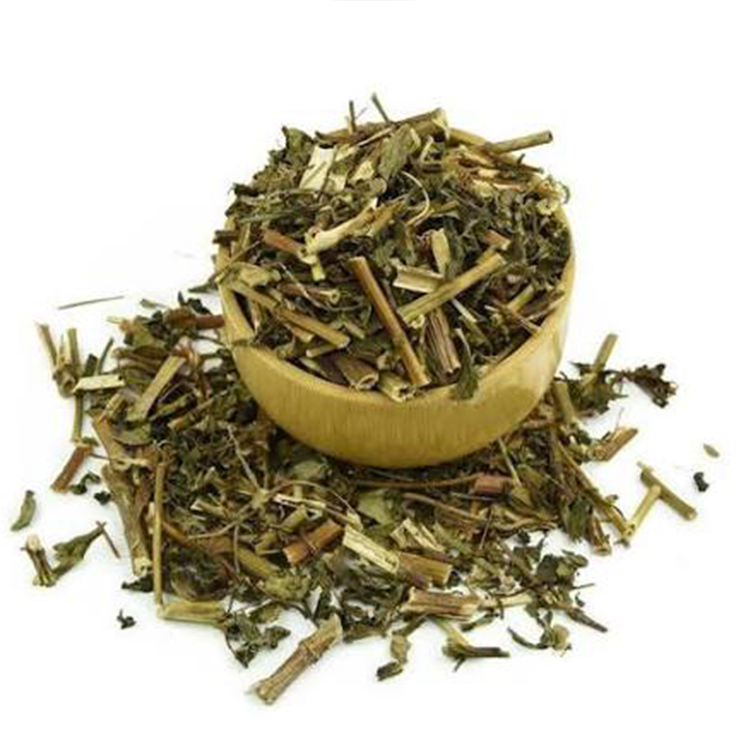



Buying Patrinia Root in bulk is not just a price exercise. This guide explains how professional herbal buyers can verify Patrinia scabiosifolia identity, control Bai Jiang Cao substitution risk, review lot-specific COAs, set testing requirements, audit suppliers, and build a purchase specification that survives real import and manufacturing scrutiny.

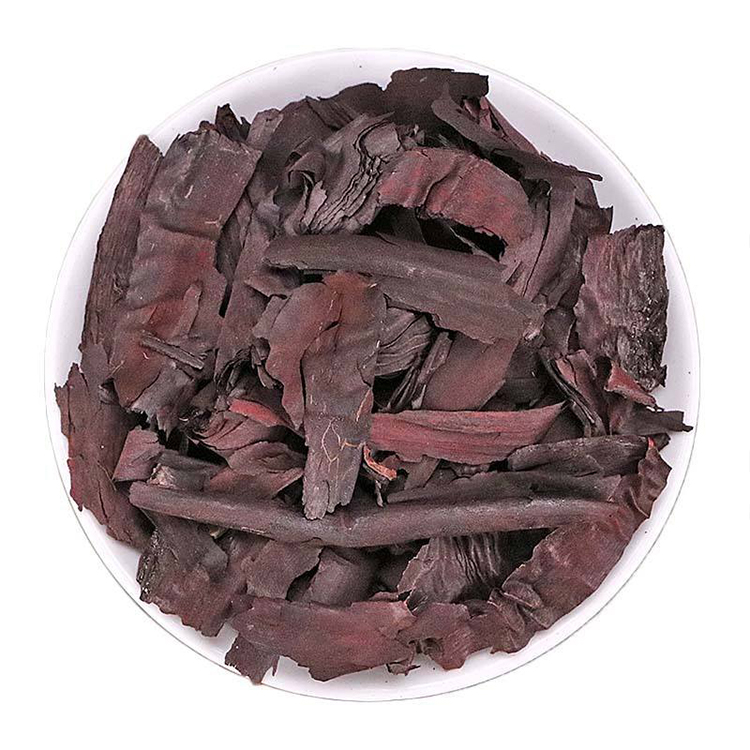
Purple Gromwell Root is easy to buy badly because color, trade names, botanical identity, cut size, and intended application are often mixed into one vague specification. This sourcing guide explains how professional buyers can separate appearance from chemistry, control cuts, verify species, and qualify a bulk supplier.

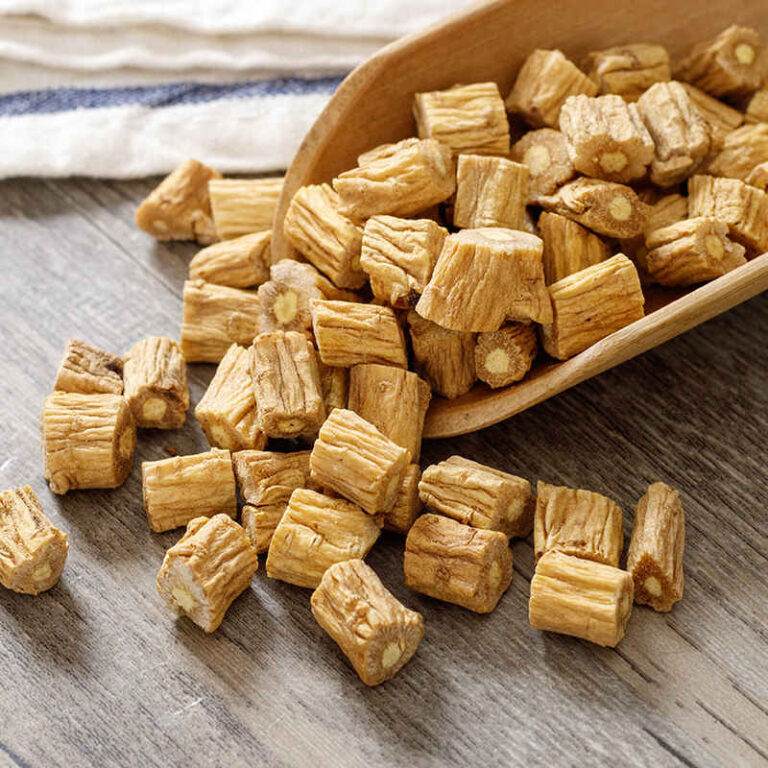
Sourcing Chinese natural slices wholesale looks simple until the wrong set lands in your warehouse: wet roots, sulfur odor, missing COA, inconsistent piece thickness, chemical risk, or Latin-name confusion. This overview describes just how significant buyers validate bulk TCM natural herbs vendors before money leaves the account.

The 2026 bulk Chinese herb market is not simply growing; it is becoming harsher, more regulated, and less forgiving. Buyers who understand origin control, pesticide limits, heavy-metal testing, species authentication, and export documentation will find real sourcing opportunities. Buyers who still treat bulk TCM herbs as loose commodity goods will pay later.

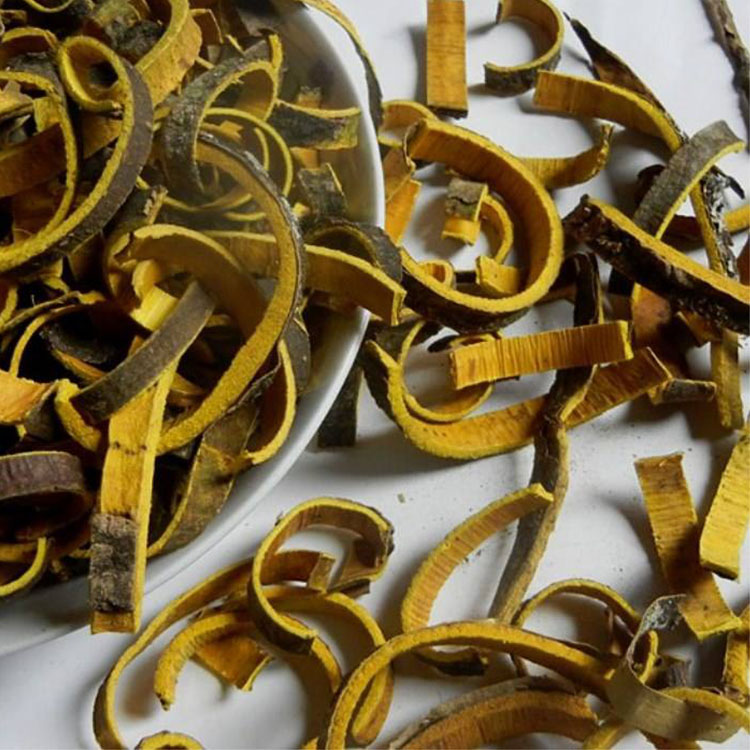
Bark herbs look simple until a buyer has to specify thickness, moisture, particle size, testing, and packaging. This guide explains when to choose bark herbs in slices, strips, or chunks, using real sourcing logic, regulatory evidence, and hard-earned industry judgment.