Bark Herbs in Slices, Strips or Chunks: How to Choose
Bark herbs look simple until a buyer has to specify thickness, moisture, particle size, testing, and packaging. This guide explains when to choose bark herbs in slices, strips, or chunks, using real sourcing logic, regulatory evidence, and hard-earned industry judgment.
When buyers ask for bark herbs in slices, strips, or chunks, they are not just choosing a prettier photo for a catalog page; they are deciding extraction speed, dust level, warehouse stability, formula consistency, visual trust, freight efficiency, and sometimes whether the production team will hate them by the second batch.
So why do so many purchase orders still say only “bark herb, good quality”?
I’ll be blunt: that is amateur sourcing language. In the bark herbs trade, vague specs invite disputes. A supplier sees “pieces.” A buyer expects neat, uniform herbal bark pieces. The warehouse receives broken bark, curled fibers, fines at the bottom of the sack, and a COA that looks fine but tells only half the story.
For professional sourcing, start with the category itself. Bark herbs, also called cortex herbs in Traditional Chinese Medicine supply chains, include materials such as Cinnamon Bark / Rou Gui, Eucommia Bark / Du Zhong, Magnolia Bark / Hou Po, Phellodendron Bark / Huang Bai, Mulberry Root Bark / Sang Bai Pi, and Eleutherococcus Bark / Wu Jia Pi. If you need category-level sourcing, the natural internal page to study first is Barks Chinese Medicines, because it groups the exact bark materials buyers usually compare.
But the format question is where the real money is lost.
Table of Contents
Slices, Strips, and Chunks: The Buyer’s Real Comparison
Not all bark cuts behave the same. A 2 mm slice and a 15 mm chunk may come from the same botanical material, the same origin, even the same production batch, yet they will act differently in boiling, soaking, extraction, blending, and packing.
Here is the working comparison I would use before approving a production spec.
Bark Herb Format
Typical Physical Look
Best Use Case
Main Advantage
Main Risk
Buyer Spec to Confirm
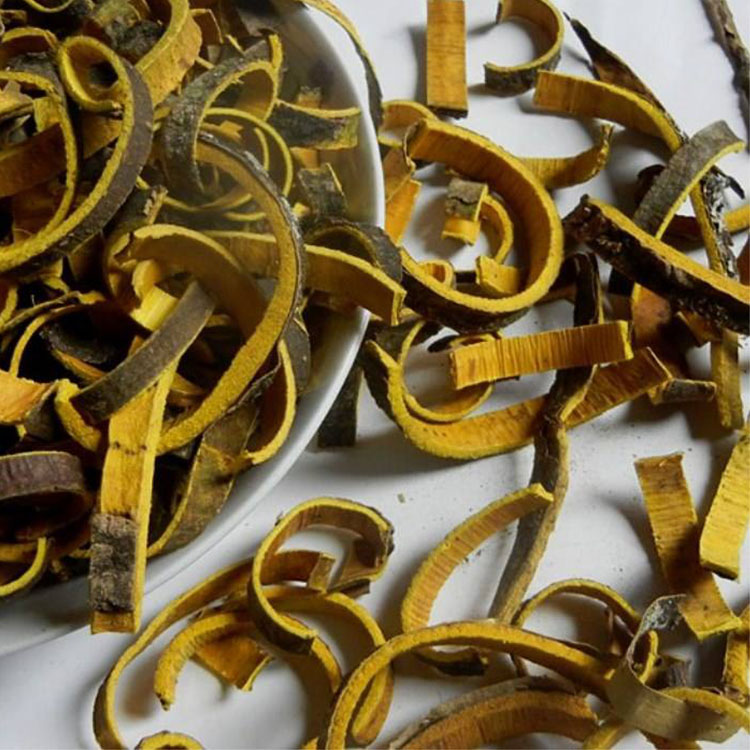
Bark herbs in slices
Flat or semi-curled pieces, often thin and broad
Decoction pieces, visual retail packs, formula display
Botanical ID, heavy metals, microbiology, pesticide panel
My hard rule: if the buyer cannot explain the downstream process, they should not choose the cut yet.
A tea brand may want beautiful strips because the customer sees the ingredient through a transparent pouch. A contract extractor may want chunks because less dust means less handling loss. A TCM decoction supplier may prefer slices because practitioners expect recognizable material. And a supplement manufacturer using grinders may not care about visual beauty at all, but they should care deeply about identity testing.
For broader product planning, the site’s own guide on whole slices versus extracts is a useful internal companion because bark format choice is really a product-development decision, not a photography decision.
The Ugly Truth: Pretty Bark Can Still Be Bad Bark
I distrust perfect-looking bark.
There, I said it.
The most dangerous mistake in dried bark herbs sourcing is treating appearance as proof of quality. Clean slices can still be over-sulfured, poorly dried, old-stock, substituted, or contaminated. Ugly chunks can be authentic, potent, and stable. The market loves beauty. Production teams need repeatability.
The U.S. supplement world keeps proving this point the hard way. In 2026, the FDA warned that certain products labeled as tejocote root or Brazil seed contained toxic yellow oleander, Thevetia peruviana, instead of the declared ingredient; the agency said these products could cause neurologic, gastrointestinal, and cardiovascular effects that may be severe or fatal in its FDA warning on yellow oleander substitution.
That case was not about bark herbs specifically. But it is exactly the kind of substitution logic professional bark buyers should fear: a plant material enters trade under a common name, the label sounds botanical, and the final buyer assumes the name equals the material.
It does not.
The second warning sign is microbial risk. In January 2026, the FDA investigated a Salmonella outbreak tied to moringa leaf powder dietary supplements, reminding retailers and consumers not to eat, sell, or serve recalled products in its Salmonella moringa leaf powder outbreak investigation. Again, moringa is not bark. But the lesson is universal for dried botanicals: low moisture helps, but it is not a magic shield.
And then there is the legal baseline. For U.S.-bound dietary supplement supply chains, 21 CFR Part 111 sets current good manufacturing practice requirements for dietary supplements, including quality control operations in manufacturing, packaging, labeling, and holding. If a supplier cannot speak the language of batch records, specifications, sanitation, identity, and release testing, I do not care how good the bark looks in a product photo.
How to Choose Bark Herbs in Slices
Choose bark herbs in slices when the final product needs recognizable plant identity, moderate extraction speed, and a clean traditional appearance for decoction, retail display, practitioner dispensing, or formula kits. Slices are usually the most buyer-friendly format because they balance surface area, authenticity cues, and packing efficiency.
Slices sell trust.
A flat slice of Cinnamon Bark / Rou Gui or Magnolia Bark / Hou Po tells the buyer, “This is not anonymous powder.” That matters in Chinese herbal slices because visual inspection is still part of professional confidence, especially when the customer is a clinic, distributor, tea blender, or traditional formulation house.
But thin is not always better. Over-thin bark slices break in shipping, generate fines, and create uneven weighing during repacking. If a buyer orders 100 kg and 8 kg becomes dust after handling, that is not a small cosmetic issue. That is margin leakage.
For bark herbs in slices, I would specify:
Practical Slice Specifications
Spec Item
Sensible Buyer Requirement
Thickness
Usually around 1–3 mm, depending on bark hardness and formula use
Moisture
Low enough for stable storage, confirmed by batch COA
Broken pieces
Defined percentage, not “acceptable” by opinion
Fines/dust
Measured before shipment if repacking or retail use matters
Odor
Characteristic aroma, no moldy, sour, burnt, or chemical smell
Testing
Heavy metals, pesticide residues, microbiology, botanical identity
Packaging
Inner food-grade liner, outer carton or woven bag, batch label
For buyers who source beyond bark, compare this with Root and Rhizome Chinese Medicines, because roots tolerate slicing differently from bark. Roots can often be cut into clean coins. Bark wants to curl, split, flake, and shed fiber. That is nature, not always a defect.
When Bark Herbs Strips Make More Sense
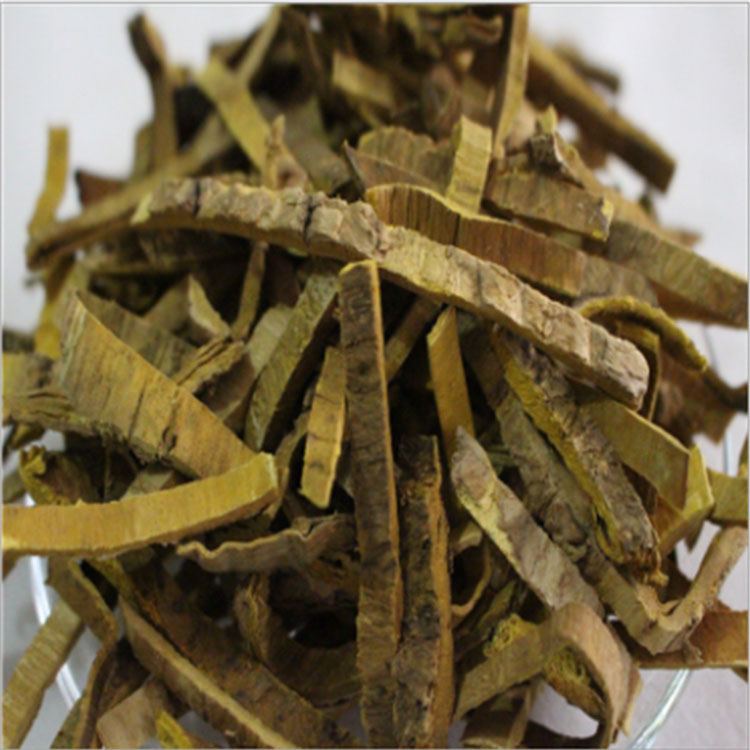
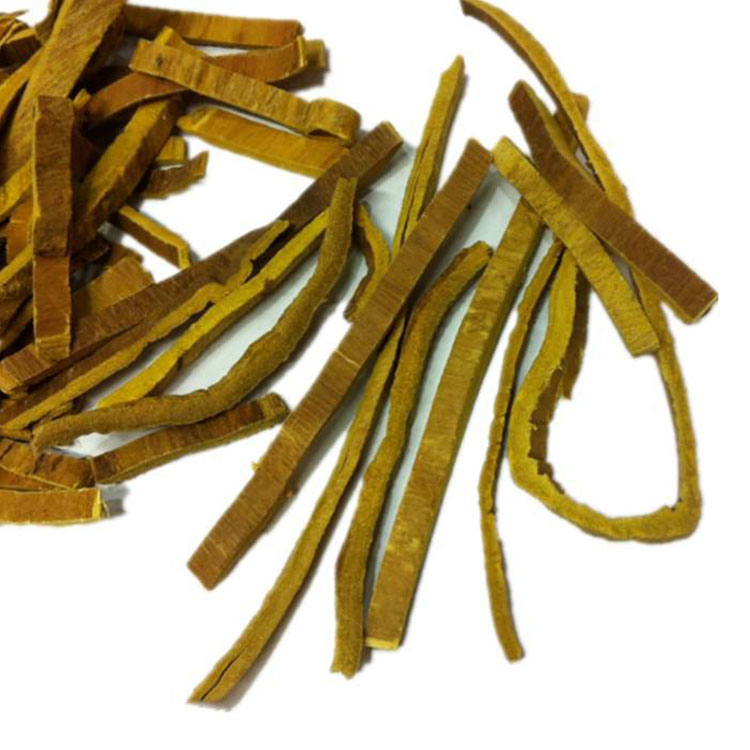
Bark herbs strips are best when the product needs a more natural, fibrous, premium-looking format for tea blends, herbal baths, slow infusions, and formulas where long visible pieces support customer confidence. Strips usually look less processed than slices and can create a stronger “whole botanical” impression.
But here is the catch: strips are harder to standardize.
A strip can be 3 cm or 15 cm. It can be narrow, wide, curled, fibrous, or flat. Unless the buyer defines length and width, two suppliers can both honestly ship “strips” and deliver totally different goods.
This is where professional procurement gets uncomfortable. You need boring details. You need photos beside a ruler. You need a retained pre-shipment sample. You need the supplier to say whether long strips are naturally peeled, machine-cut, hand-trimmed, or mixed from larger bark sheets.
For brands building visible blends, strips often outperform slices. They look rustic. They fill jars nicely. They slow down extraction a little, which can be useful in tea-style products where the customer expects a gentle infusion rather than a fast industrial extraction.
For adjacent categories such as flower-heavy blends, the internal Flower and Whole Herbs page is a smart cross-link because strips often appear in formulas beside chrysanthemum, honeysuckle, or whole herb materials where visual structure matters.
When Bark Herbs Chunks Are the Better Industrial Choice
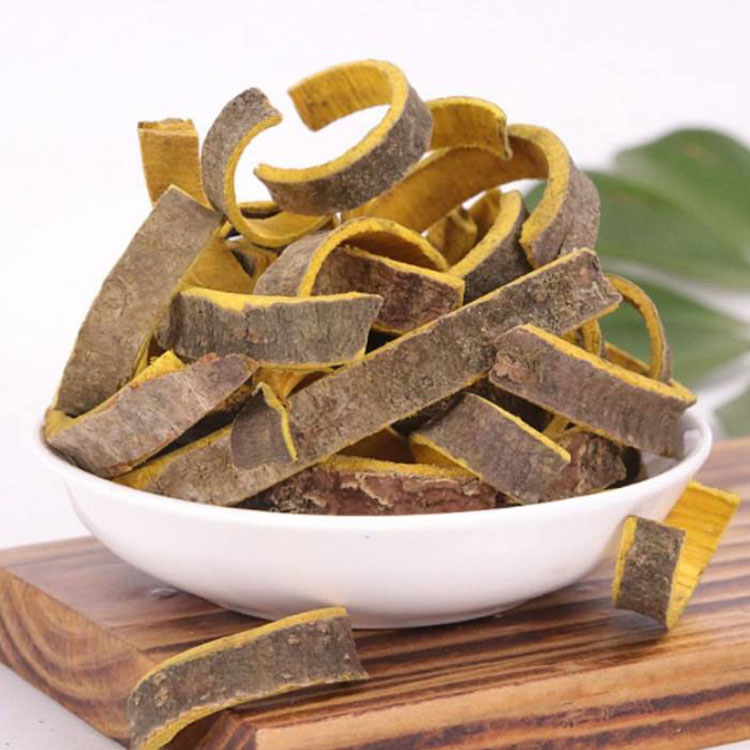
Bark herbs chunks are best for bulk extraction, long decoction, warehouse storage, and buyers who care more about durability than retail appearance. Chunks reduce dust, tolerate handling, and often survive freight better than thin slices or fragile strips, but they require longer processing time.
Chunks are honest.
They are not always pretty, and that is exactly why I like them for certain industrial jobs. A thick bark chunk has less exposed surface area, so it may release compounds more slowly, but it also tends to create fewer fines during transit. For extraction plants, that can mean cleaner handling, less dust in the air, and less material lost in the bottom seam of a bag.
Still, bark herbs chunks create their own risk: hidden moisture. A chunk may look dry outside while retaining moisture inside, especially if drying was rushed. That is how storage problems begin. Not dramatically. Quietly. Then the odor changes.
Ask for moisture data. Ask for the drying method. Ask whether the chunk size is 5–15 mm, 10–30 mm, or “random.” Random is not a spec. Random is a future complaint.
For importers building full container or mixed-pallet programs, the site’s wholesale guide to importing herbal slices from China fits naturally here because format choice affects customs documents, labeling, packaging, MOQ planning, and downstream repacking.
The Testing Conversation Buyers Avoid
The National Center for Complementary and Integrative Health notes that herbal supplements are a type of dietary supplement and that the scientific evidence varies widely by product, while also warning users to consider risks and quality issues around supplements in its NIH NCCIH guide to dietary and herbal supplements.
That is the polite version.
My less polite version: testing is where weak suppliers hide.
For bark herbs, I would not approve a serious supplier without these documents:
Non-Negotiable Documents for Bulk Bark Herbs
Document
Why It Matters
What to Watch
COA
Confirms batch-level test data
Generic COA with no batch number
Botanical identity confirmation
Reduces substitution risk
Only common name listed, no Latin/binomial name
Heavy metals report
Checks Pb, Cd, As, Hg risk
Missing limits or outdated test date
Pesticide residue test
Important for cultivated bark materials
“Pesticide free” without lab evidence
Microbiology report
Checks total plate count, yeast/mold, pathogens
No Salmonella / E. coli line item
Moisture test
Predicts storage stability
Visual dryness only
Batch photos
Confirms cut, color, and uniformity
Photos reused from catalog
Packaging label
Tracks production date, lot, net weight
No traceable batch code
For GuoCao-specific trust signals, the About Us page is worth linking from any buyer education article because it mentions the company background, product portfolio, GMP-certified production lines, ISO 22000 food safety management, testing, and planting bases. Those are the exact confidence markers professional buyers look for before asking for prices.
The Decision Rule I Use: Match the Cut to the Job
Stop asking, “Which cut is best?”
Ask this instead: “What failure am I trying to avoid?”
If the failure is poor visual trust, choose slices or strips. If the failure is too much dust in transit, choose chunks. If the failure is slow extraction, choose thinner slices or smaller pieces. If the failure is inconsistent repacking weight, avoid random strips and oversized chunks. If the failure is regulatory exposure, stop obsessing over shape and start demanding identity, COA, and contaminant data.
Here is the clean decision map.
Buyer Goal
Better Choice
Why
Traditional decoction display
Slices
Recognizable, balanced extraction, familiar format
Premium tea blend visual
Strips
Rustic appearance and strong shelf appeal
Industrial extraction
Chunks or coarse pieces
Lower dust and easier bulk handling
Fast extraction
Thin slices or crushed pieces
More surface area
Retail jar or pouch
Slices or strips
Better visual confidence
Long-term warehouse stock
Chunks
Less breakage and fines
Formula kits
Uniform slices
Easier weighing and batch consistency
Grinding into powder
Chunks or coarse pieces
Beauty matters less; identity testing matters more
For spice-adjacent bark materials like Cinnamon Bark / Rou Gui, buyers should also compare the internal Dried Spices category because some bark materials cross between TCM, culinary, beverage, and spice channels. The same botanical can require different cut specs depending on whether it is headed for decoction, seasoning, tea, or extraction.
FAQs
What are bark herbs?
Bark herbs are dried medicinal or functional plant materials taken from tree bark, root bark, or stem bark and processed into slices, strips, chunks, coarse pieces, or powder for decoction, extraction, tea blending, spice use, or downstream manufacturing. Common examples include Rou Gui, Hou Po, Du Zhong, Huang Bai, and Sang Bai Pi.
In Chinese herbal supply chains, bark herbs often sit under “barks” or “cortex” categories. The important detail is that bark behaves differently from roots, flowers, fruits, and seeds. It can curl, split, shed fibers, and hold moisture internally if drying is rushed.
Are bark herbs in slices better than bark herbs chunks?
Bark herbs in slices are better when you need visual recognition, moderate extraction speed, and easier formula weighing, while bark herbs chunks are better when durability, lower dust, and bulk storage matter more. Neither format is universally superior because the correct choice depends on processing method, packaging style, and buyer tolerance for breakage.
For retail and practitioner-facing products, slices usually win. For bulk extraction or long boiling, chunks can be more practical. For tea blends, strips may beat both because they look natural and premium in transparent packaging.
How should I specify bark herbs strips to a supplier?
Bark herbs strips should be specified by botanical name, cut length, strip width, moisture level, broken-piece tolerance, dust percentage, packaging type, and testing requirements. A professional purchase order should also request batch photos, COA, heavy metals, pesticide residues, microbiology, and clear traceability from origin to processing batch.
Do not write “long strips, good quality.” That phrase creates arguments. Use numbers: for example, strip length range, maximum fines percentage, net weight per carton, and whether the material is intended for tea, decoction, bath use, or extraction.
What tests matter most for dried bark herbs?
The most important tests for dried bark herbs are botanical identity, moisture, heavy metals, pesticide residues, microbiology, and foreign matter inspection. These tests help reduce substitution risk, storage failure, contamination exposure, and batch inconsistency, especially when bark herbs are used in dietary supplements, functional beverages, decoction pieces, or export supply chains.
For higher-risk markets, ask for a batch-specific COA rather than a generic annual report. If the supplier cannot connect the report to the exact lot number, the document is weak.
Can bark herbs be used for tea products?
Bark herbs can be used in tea products when the material is appropriate for the formula, legally acceptable in the target market, properly tested, and cut into a format that infuses well without creating excessive dust. Strips and thin slices are usually more attractive for tea blends than heavy chunks.
But brands should be careful with claims. A bark herb used in traditional practice does not automatically qualify a product for aggressive health marketing. Labeling, ingredient status, and safety review must match the destination market.
Final Thoughts: Choose the Cut Before You Negotiate the Price
Price comes later.
If you are sourcing bark herbs in slices, strips, or chunks, decide the format around the job: decoction, tea, extraction, grinding, repacking, or retail display. Then put the specification in writing. Ask for photos beside a ruler. Ask for batch-level COA. Ask for moisture, microbiology, heavy metals, pesticide residues, and identity confirmation.
And if a supplier tells you all cuts are basically the same, walk away.
Our low MOQ of 1 kg (2.2 lb) makes it easy to order Chinese herbal slices or wholesale Chinese medicine herbs. Private-label and bilingual labeling are also available.
Delivery Cycle & Support
We have a fast 7-day lead time. We provide free samples, COA reports, and technical support to help you bring high-quality bulk Chinese herbs to market.
Quality & Certifications
Our products are manufactured in a GMP-certified facility and meet ISO22000 standards. All Chinese herbs are third-party tested for heavy metals, pesticides, and microorganisms.