You buy botanicals for function, stability, and clean paperwork—not vibes. Let’s trace the real path from harvest to dried slice, with plain language, concrete controls, and a few shop-floor tips you can actually use. I’ll keep the tone human, a little scrappy, and yes—some tiny grammar slips on purpose.
GACP, GHPP, and GMP: quality systems that start before the dryer
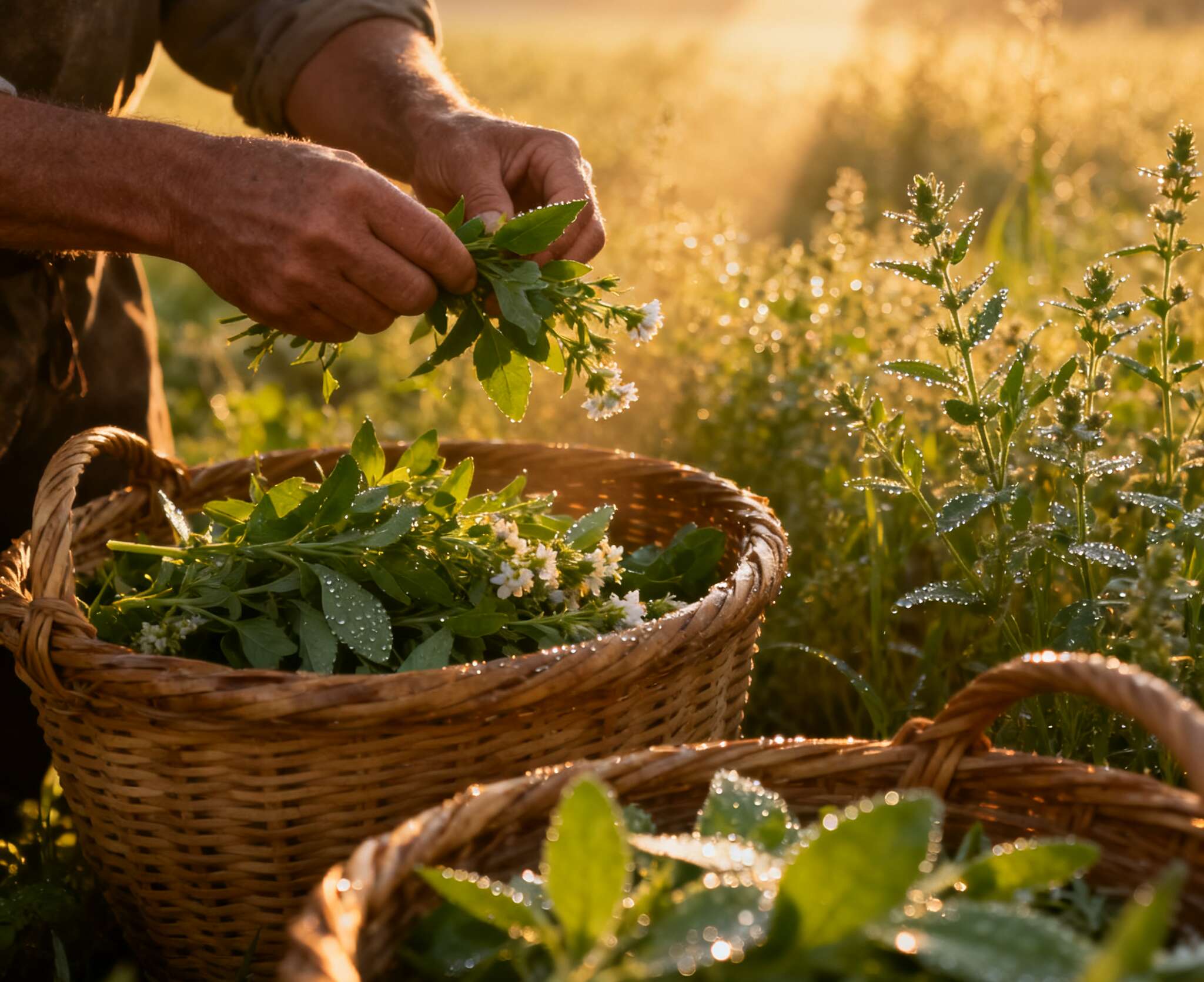
Good Agricultural and Collection Practice (GACP) sets the rules in the field: right part, right season, clean collection, fast cooling. Good Herbal Processing Practices (GHPP) covers the first factory moves: pre-clean, sort, slice/section, dry, and pack. Then GMP takes over for dosage-form manufacturing. Read that as one chain. If the field is sloppy, the dryer fights a losing battle later.
Why it matters to you: fewer deviations, more repeatable extraction, less rework. And your audit trail stays calm.
Field checklist (quick and real):
Shade and airflow as soon as you cut. Don’t stack heavy; don’t crush.
Keep lots separated by origin and time.
Pre-clean gently; ditch damaged or moldy pieces now, not later.
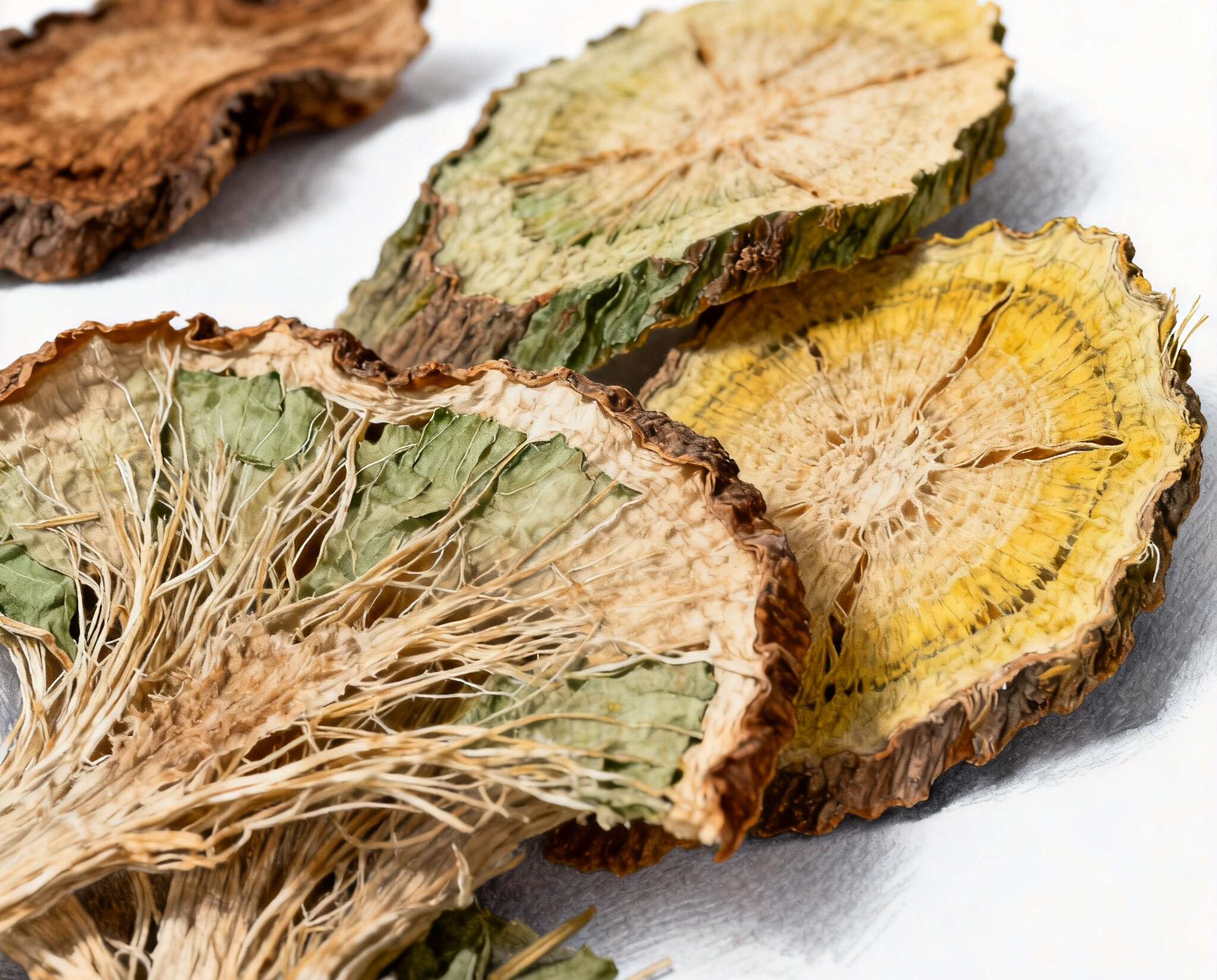
Slice thickness & bed depth control (decoction slices, cut size, airflow)
Uniform slicing is not “nice-to-have.” It controls moisture paths, a_w, and extraction kinetics. Thin slices dry fast but scuff aroma; thick slices protect actives but can trap wet cores.
Rules of thumb that hold up on the line:
Keep thickness variance tight (e.g., 2–4 mm for flowers; thicker for sturdy roots).
Load trays evenly; don’t choke the bed depth.
Rotate trolley positions on long runs to even out airflow.
Add a short equalize step post-dryer so moisture re-distributes before sealing.
Quick diagnostic: center trays always “still wet”? That’s load pattern and airflow, not a bad dryer. Fix the pattern first.
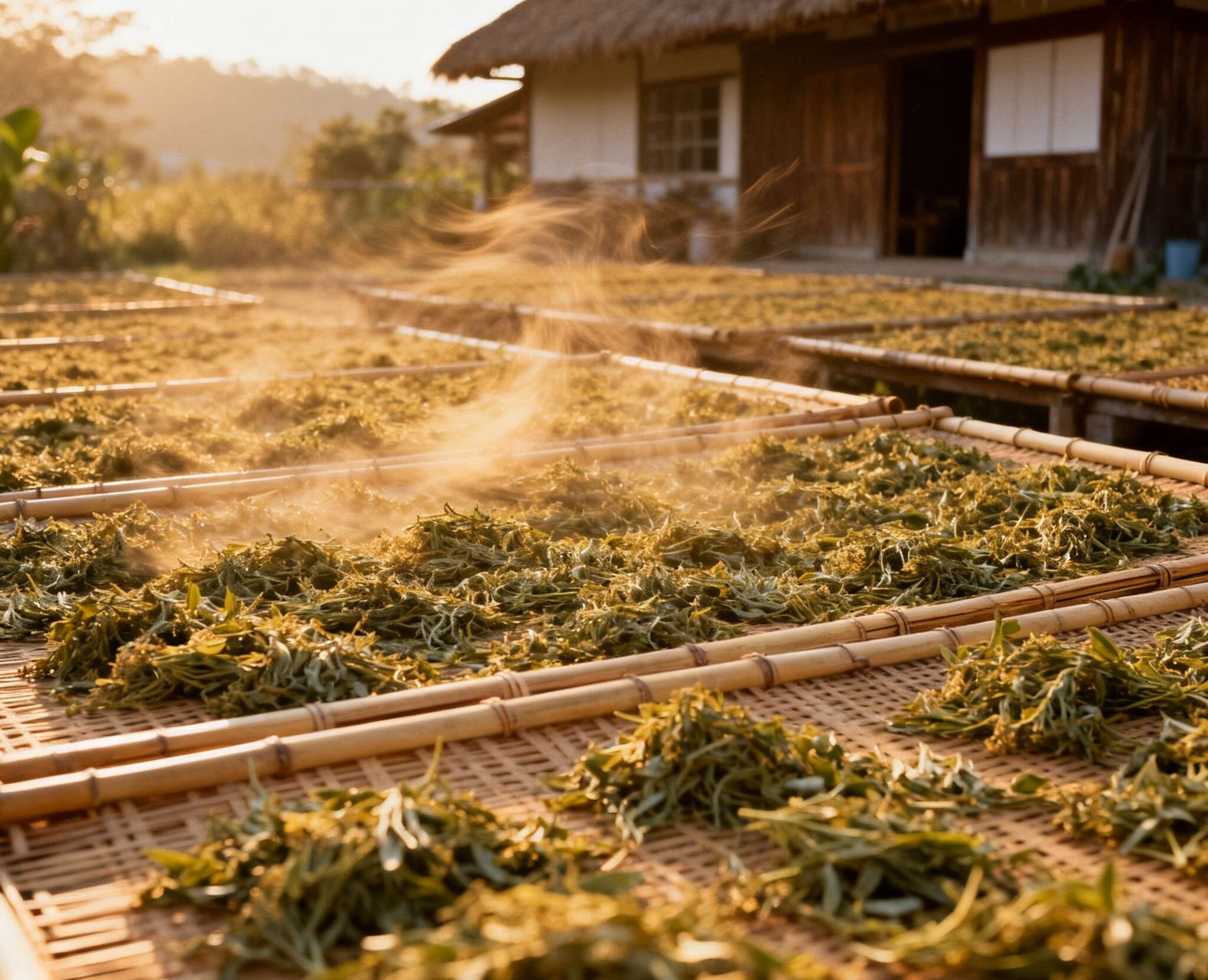
Drying methods for herbs: freeze-drying, hot-air, vacuum-assist, shade—what to pick and why
Different tissues prefer different temperatures and gas movement. Your job is to hit micro and keep the profile.
Drying method
What it preserves best
Throughput feel
Great for
Watch-outs
Freeze-drying (lyo)
Phenolics, flavonoids, aroma, shape
Slower
Flowers, heat-sensitive roots, premium SKUs
Brittle pieces; packaging must protect
Hot-air (tunnel/oven)
Balanced quality + speed
Faster
Most roots, barks, many seeds
Case hardening if inlet too hot
Vacuum-assist / microwave-vac
Speed with depth penetration
Fastest
Thick slices, waxy skins
Process control needs discipline
Shade-drying
Color and delicate volatiles
Slow
Certain flowers/leaves
Space-heavy; keep it clean-air
Solar-assist (screened)
Minimal equipment
Slow
Low-risk feeds
Dust/insects unless well screened
Temperature targeting (simple but powerful):
Leaves/flowers favor gentler heat to protect volatiles and color.
Roots/barks tolerate moderate heat with good airflow.
If you see surface dry + wet cores, add a staged profile or a vacuum pulse.
(Check Dried Spices for high-volatile SKUs, and Barks (Cortex) for sturdy materials that like steady, moderate heat.)
Water activity (a_w) and moisture content (%): the two gauges you must read
Moisture content tells you “how much” water; a_w tells you “how available” that water is to microbes. Both matter.
Target bands you can manage
Moisture content (MC%): aim for a final low-teens or lower depending on tissue and spec; the common comfort zone for long storage is below ~12%.
Water activity (a_w): aim for low enough to starve molds; that’s the practical guard against clumping and spoilage over time.
Why this works: a_w correlates with microbial growth potential, while MC% keeps label weight honest and texture stable. If you can only measure one in a pinch, check a_w.
Mini table — how to hold the line
Control point
Practical move
Tooling
a_w drift after packing
Add desiccant, verify seals, re-check headspace
Handheld a_w meter; seal-strength test
Moisture rebound in warehouse
Tight liners + MAP for aroma items
Foil/PE laminate; oxygen absorbers
Hot room on a rainy day
Dehumidify and hold at steady RH
RH logger; door discipline
(“MAP” = modified-atmosphere packaging. Don’t overthink; keep O₂ low for high-oil spices and floral SKUs.)
Critical Control Points (CCPs) from harvest to dried slice
Step
CCP focus
Practical target
Why it matters
Harvest (GACP)
Shade, clean cuts, quick move
Minimal soil, pests, damage
Lower bioburden at the start
Pre-clean/sort
Remove foreign matter; grade sizes
Visual + sieve
Evens out drying curve
Primary slice
Thickness & bed depth
Consistent spec; sharp blades
Prevents wet cores and mold risk
Drying
Staged temps, airflow, RH
Gentle for leaves/flowers; moderate for roots/barks
Saves actives; better color
Equalize
Rest sealed totes 12–24 h
a_w re-balances
Avoids hidden wet pockets
Final cut/size
Decoction slice spec or cut-&-sift
Spec sheet tied to use-case
Downstream dosing uniformity
Decontam (if needed)
Irradiation/UV or other compliant step
Only when justified
Reduce micro without cooking
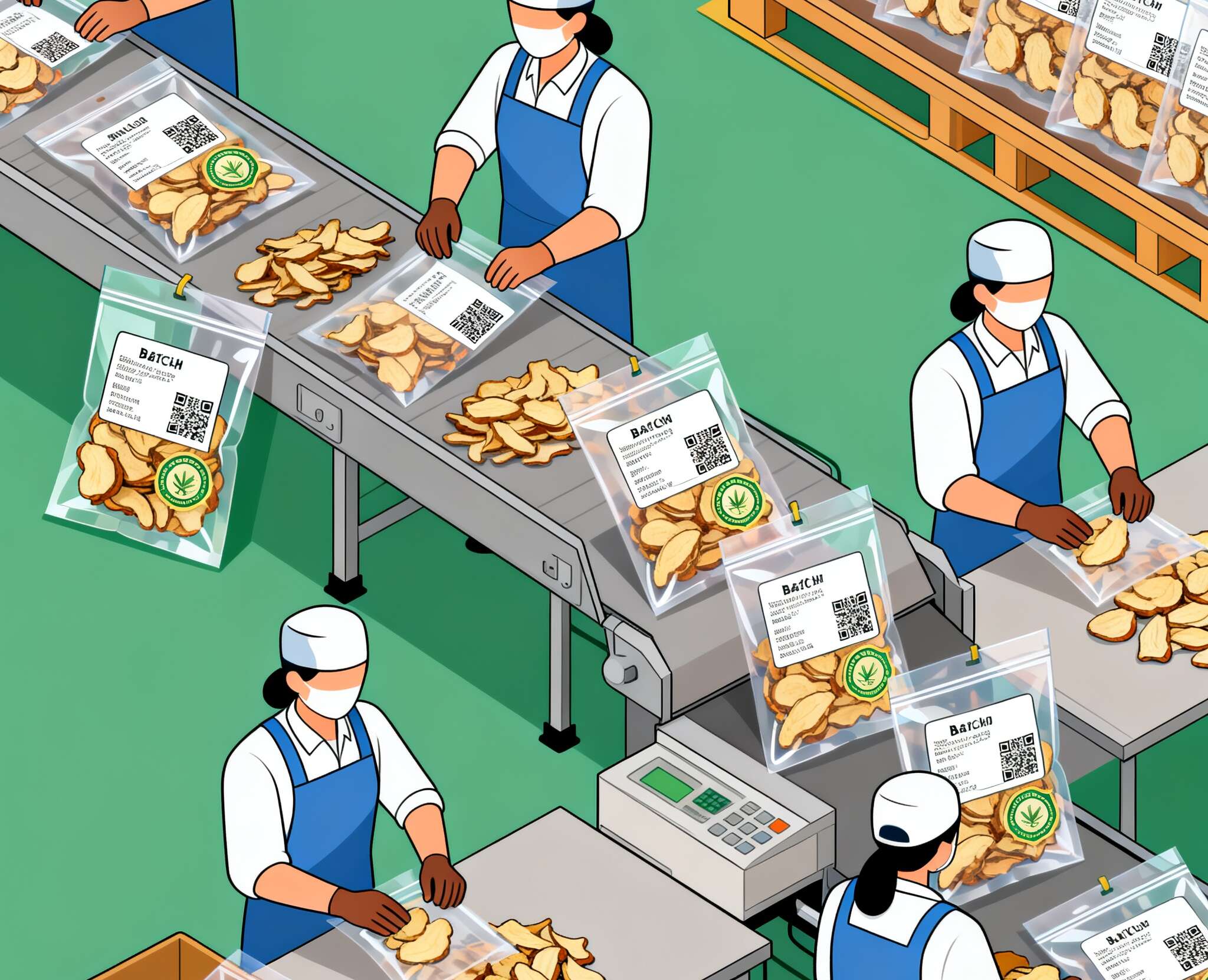
Pack
Liner + desiccant + MAP (if needed)
Verified seals; clean headspace
Locks quality at end-point
Store
RH control, cool, FEFO
Mid-range RH; steady temp
Stops re-wetting and oxidation
(FEFO = First-Expired, First-Out. Better than FIFO for diverse shelf lives.)
Packaging & warehousing: MAP, oxygen absorbers, headspace oxygen, and FEFO
Once the slice hits target MC% and a_w, lock it in:
Use high-barrier liners and verify heat-seals every shift.
For aroma SKUs and high-oil spices, MAP with nitrogen and add oxygen absorbers.
Check headspace oxygen (HSO) on random pulls; soft bags or odd smells mean “open a case and test,” not “hope it’s fine.”
Keep the warehouse steady: mid-range RH, modest temperature, off-floor pallets, pest-proofing on habits not just hardware.
If RH jumps for a day, treat it as a deviation. Log it, re-check a_w on a couple bags, and move on. Boring saves money… oops, saves trouble.
Category use-cases (route by anatomical part and risk)
Mini case snapshots (no invented names, just line reality)
Chrysanthemum blossoms: shade-dry start to fix color, short hot-air finish under gentle temps, then MAP. The petals stay bright, aroma holds, brew looks clean. We check a_w before release because small blossoms swing quick.
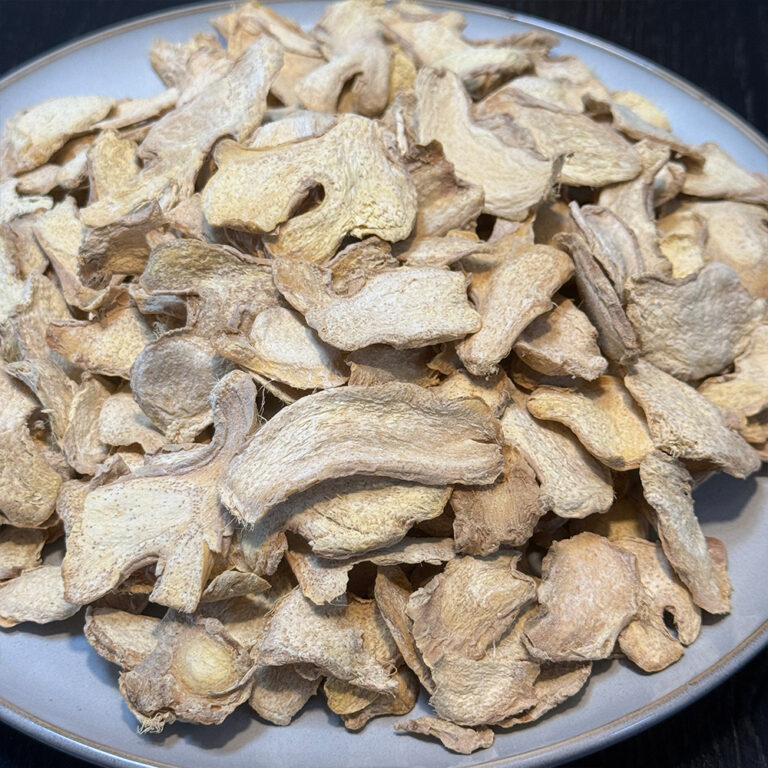
Ginger slices: staged hot-air with strong airflow, equalize overnight, then pack with absorber. The bite stays clean; no waxy centers.
Cinnamon bark: moderate temperature, deep airflow, watch for surface browning. Cool fully before sealing so you don’t trap condensation.
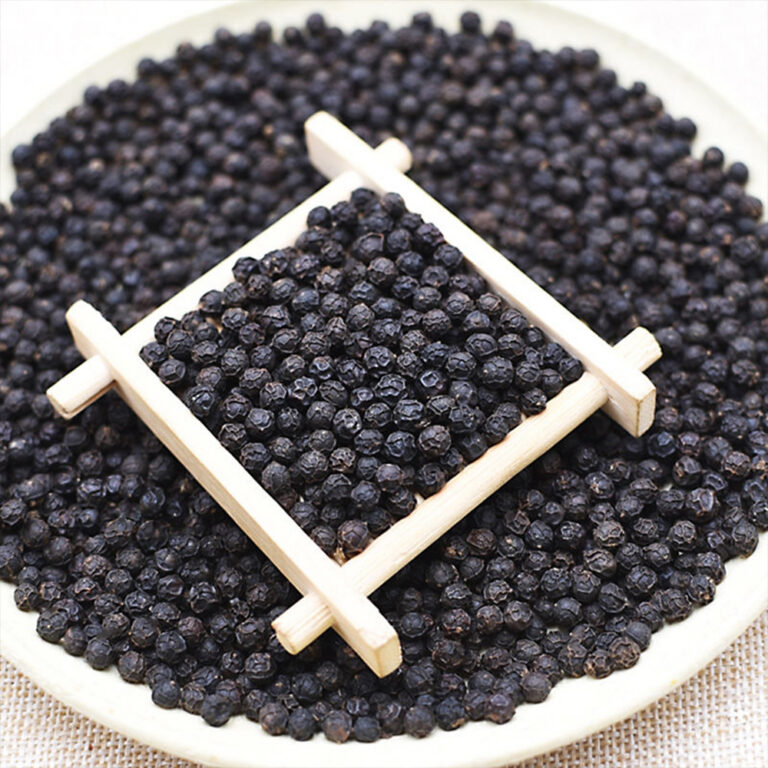
High-oil spice pods: we verify HSO after transit. If headspace rises, we tighten seal checks and liner spec. Complaints drop.
Thick rhizome chips: if cores read damp on a_w, add a vacuum-assist pulse mid-run. Problem goes away. You get the idea, dont you.
Buyer FAQ (fast answers you can hand to QA)
Do you have COAs per lot? Yes. Identity (e.g., TLC/HPTLC), micro, heavy metals, pesticide panel.
How do you control variability? Tight slicing specs, staged drying, aw checks, MAP where needed, warehouse RH discipline.
Can you do private label? Yes—OEM/ODM from brief → prototype → pilot → scale, with bilingual labels if you want.
Can you handle beverage bases and enzyme ferments? Yes, those lines are already live.
Global paperwork? Routine. Labels and docs align to your market regs.
OEM/ODM with GuoCao (custom slices, blends, private label)
GuoCao is a global Chinese medicinal herb manufacturer with GMP herbal-slice production, ISO 22000 food-safety system, ambient/cool/MAP warehousing, and third-party COA capability. Annual output around 2,500 t keeps supply stable. We support OEM/ODM for herbs, spice SKUs, blends, and even functional beverage bases. If you need two cuts of the same herb—say, a thin tea-cut and a thicker decoction slice—we’ll spec both, test both, and keep the paperwork tight.
Our low MOQ of 1 kg (2.2 lb) makes it easy to order Chinese herbal slices or wholesale Chinese medicine herbs. Private-label and bilingual labeling are also available.
Delivery Cycle & Support
We have a fast 7-day lead time. We provide free samples, COA reports, and technical support to help you bring high-quality bulk Chinese herbs to market.
Quality & Certifications
Our products are manufactured in a GMP-certified facility and meet ISO22000 standards. All Chinese herbs are third-party tested for heavy metals, pesticides, and microorganisms.