Bulk Sourcing Guide for Bark Chinese Medicinal Materials
Bulk Chinese medicinal materials are not bought by pretty photos. Bark herbs demand botanical identity, moisture control, cut-size precision, export paperwork, and supplier discipline. Here is how professional buyers should source cortex materials without getting burned.
I mean that literally: bark Chinese medicinal materials often arrive looking tough, dry, and stable, but behind that rough surface can sit the usual supply-chain sins—wrong species, rushed drying, high fines, mixed origins, weak COA data, old stock, and export documents written like someone filled them in at midnight. Why do buyers still treat bark as a low-risk commodity?
I have a blunt view: most sourcing failures in Chinese medicinal materials do not start with fraud. They start with lazy purchasing language. A buyer asks for “good quality bark.” A supplier replies with “premium grade.” Everyone smiles. Then 300 kg arrives with uneven thickness, hidden moisture, weak aroma, broken pieces, and a Certificate of Analysis that confirms almost nothing useful.
For serious buyers, the first stop should be category mapping. The Barks Chinese Medicines page groups common medicinal bark materials such as Cinnamon Bark / Rou Gui, Eucommia Bark / Du Zhong, Magnolia Bark / Hou Po, Mulberry Root Bark / Sang Bai Pi, Phellodendron Bark / Huang Bai, and Eleutherococcus Bark / Wu Jia Pi. That is where I would start before asking for price.
But price is not sourcing.
Bulk Chinese medicinal materials sit inside a regulated, inspection-heavy global trade. The World Health Organization’s 2019 global report on traditional and complementary medicine was built from contributions by 179 Member States, which tells us something obvious but often ignored: traditional medicine is not a fringe category anymore; it is an international compliance category. WHO’s global report is worth reading before pretending this market is informal.
Table of Contents
The Ugly Truth About “Wholesale Chinese Herbs”
Wholesale Chinese herbs are bought on trust, but trust is not a quality system.
So here is my rule: if a supplier cannot define the bark by Latin name, pinyin, plant part, origin, cut form, moisture range, contaminant panel, packaging method, and batch traceability, I do not care how cheap the quote is.
Cheap gets expensive.
The FDA’s dietary supplement CGMP guidance under 21 CFR Part 111 says manufacturers, packagers, labelers, and holders of dietary supplements must establish and follow current good manufacturing practice, and it also states the rule can apply to foreign firms when products are imported or offered for import into the United States. FDA’s 21 CFR Part 111 guidance is not exciting reading, but it is the kind of reading that saves a buyer from customs delays and product complaints.
The hard lesson is that bark herbs are physical materials before they are “wellness ingredients.” They have thickness, fiber, dust, aroma, water activity, microbial risk, and shipment behavior. A thin slice of Rou Gui is not the same procurement item as a thick chunk of Rou Gui. A beautiful strip of Hou Po may look premium in a jar but behave badly in a grinder. A powder may be easy to formulate, but it removes the buyer’s ability to inspect morphology.
That is why I like using the full Chinese herbal raw materials catalog as a planning tool, not just a product menu. A buyer can compare bark against roots, rhizomes, fruits, seeds, flowers, whole herbs, spices, tea bags, and enzyme products before locking into the wrong format.
What Professional Buyers Should Specify Before They Ask for Price
If you ask for a quote before writing a spec, you are not sourcing. You are gambling.
For medicinal bark materials, the purchase order should not say “bulk bark.” It should say something closer to this:
Sourcing Item
What I Would Specify
Why It Matters
Botanical identity
Latin binomial, pharmacopoeial name, pinyin, common name, plant part
Prevents species confusion and weak labeling
Cut form
Slices, strips, chunks, crushed pieces, or powder
Controls extraction speed, dust, appearance, and repacking loss
Size range
Example: 1–3 mm slices, 5–15 mm chunks, or custom strip length
Stops “random size” shipments
Moisture
Batch-tested moisture limit, not “dry enough”
Reduces mold, odor shift, and storage failure
Foreign matter
Defined maximum percentage
Protects finished-product appearance and compliance
Contaminants
Heavy metals, pesticide residues, microbiology, mycotoxins where relevant
Now the industry secret: the COA is often treated like a magic shield. It is not.
A COA without method names is weak. A COA without lot numbers is theater. A COA that says “pass” without detection limits is almost useless for a professional buyer. And a COA that does not match the physical shipment is just a PDF with confidence issues.
The risk is not theoretical. In 2023, the FDA issued a warning letter to American Chinese Natural Herbs, Inc. after an inspection found serious violations, including failure to establish component specifications and finished-product specifications under 21 CFR Part 111. The FDA warning letter is a good reminder that “Chinese herbal” is not a free pass around identity, purity, strength, composition, and contamination controls.
Bark-by-Bark: Where Buyers Usually Get Hurt
Cinnamon Bark / Rou Gui
Cinnamon Bark / Rou Gui is one of the easiest bark materials to sell and one of the easiest to mishandle. Aroma loss matters. Broken quills matter. Over-drying matters. Mixed grades matter.
For Rou Gui, I would ask for Cinnamomum cassia, plant part, volatile aroma check, moisture result, cut style, and packaging that protects aroma. If the intended use is tea, spice, or functional beverage, the visual grade matters more than some buyers admit. If the intended use is extraction, particle consistency and contamination testing matter more.
For chemistry vocabulary, PubChem records cinnamaldehyde as C9H8O, while berberine is listed as C20H18NO4+ and magnolol / honokiol are listed as C18H18O2. Do not turn those into marketing claims. Use them as technical language when discussing identity, marker testing, and lab methods with TCM raw materials suppliers.
Eucommia Bark / Du Zhong
Eucommia Bark / Du Zhong is a good test of supplier seriousness because the bark’s fibrous structure makes cutting, drying, and presentation more demanding than a casual buyer expects. Ask for photos beside a ruler. Ask for the batch number before shipment. Ask whether the lot is suitable for decoction slices, grinding, or extraction.
A supplier who cannot explain the difference is not a partner. They are inventory with a WhatsApp number.
Magnolia Bark / Hou Po
Magnolia Bark is where buyers should stop chasing pretty pieces and start asking about consistency. Hou Po can be sold in slices, strips, or chunks, but the wrong format creates downstream problems. Thin pieces may break. Thick pieces may extract slowly. Poorly dried chunks can hide moisture inside.
For brands building formulas, I would also compare bark materials with custom Chinese herbal and spice solutions because the right sourcing decision depends on the final SKU: tea bag, loose blend, capsule, extract, decoction pack, or private-label formula.
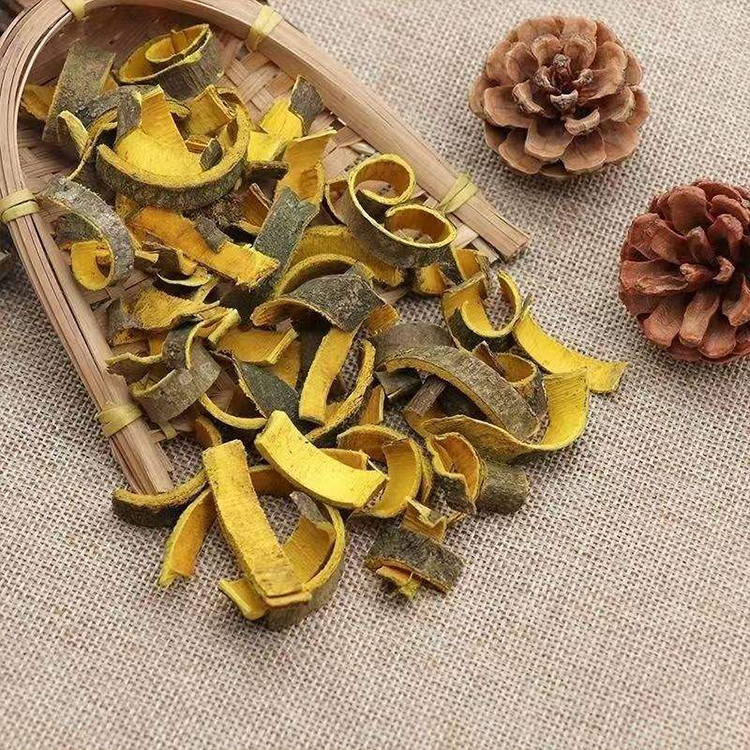
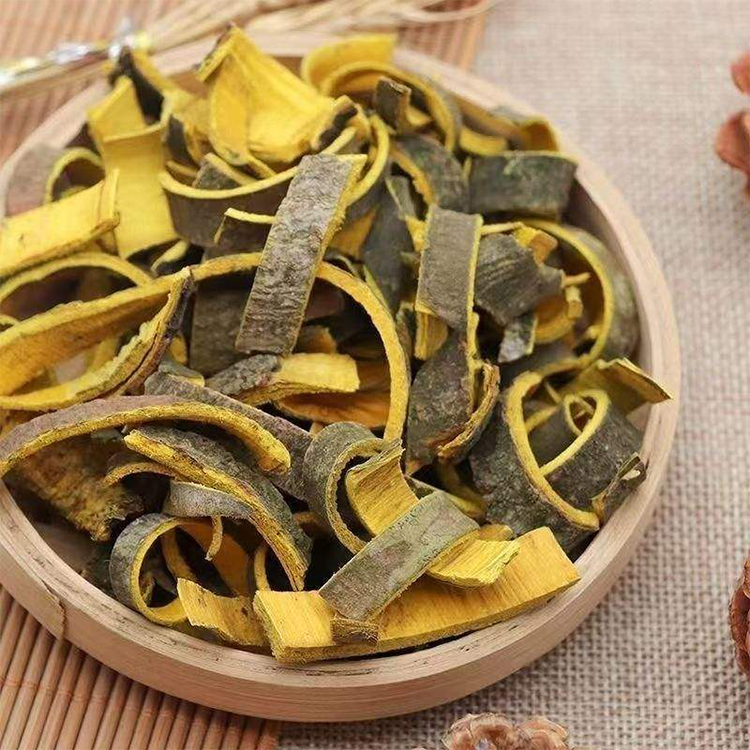
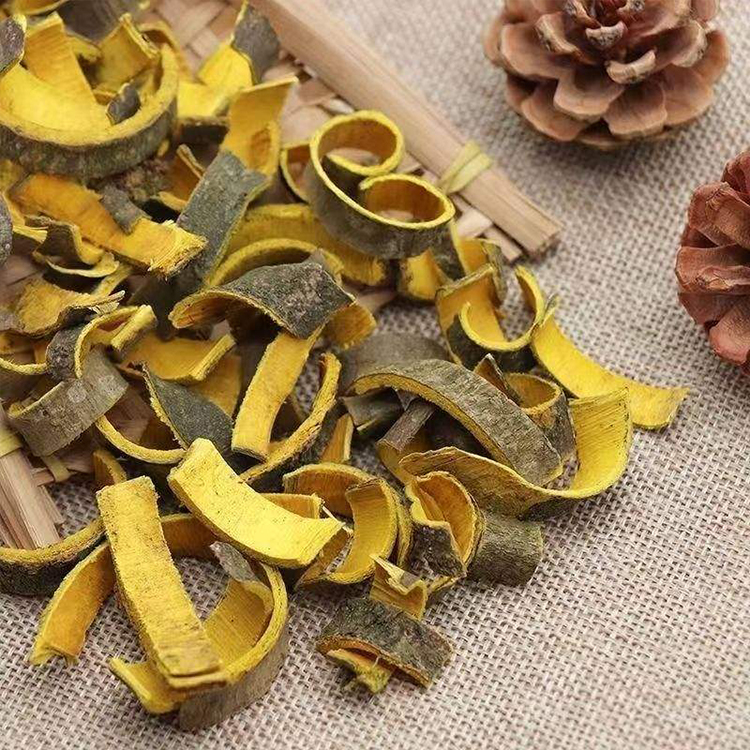
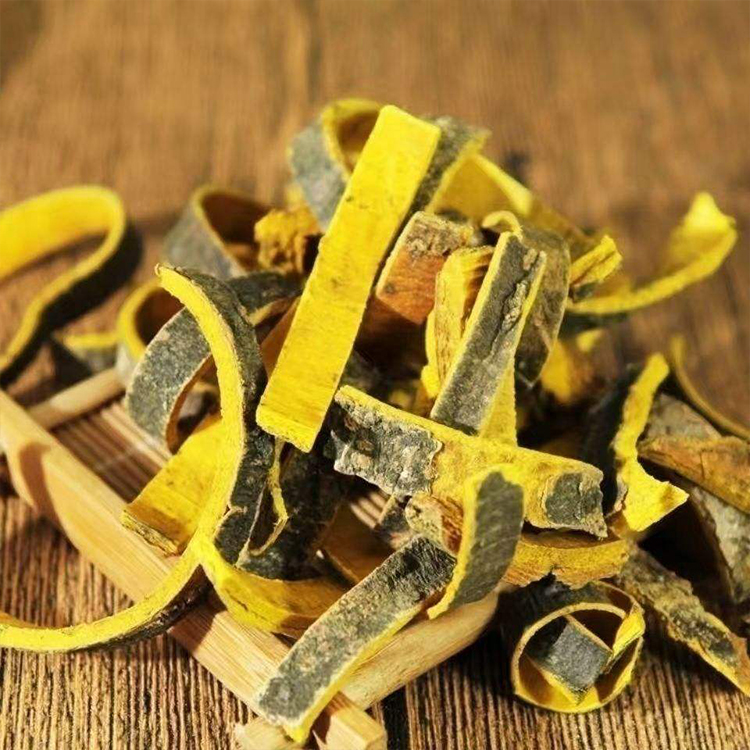
Phellodendron Bark / Huang Bai
Phellodendron Bark / Huang Bai is the kind of material where buyers need strong identity controls. Common names are not enough. “Amur cork tree bark” and “Phellodendri Cortex” may appear in commercial language, but the buyer still needs a supplier that can document the botanical source, lot traceability, and test panel.
The reason is simple: the more bitter, dark, and fragmented a bark material becomes, the harder visual inspection gets. Once bark becomes powder, the buyer loses the old-school safety net of morphology. That is when HPLC, DNA barcoding, microscopy, and contaminant testing start earning their cost.
The Evidence Buyers Do Not Like Talking About
The worst people in this trade are not always criminals. Sometimes they are optimists with no lab budget.
In a Scientific Reports study of 26 traditional Chinese medicine products bought in Australia, researchers reported that 92% showed some form of contamination or substitution, while heavy metal screening found arsenic, lead, or cadmium in many samples. The Scientific Reports audit should make every importer less romantic about paper-only supplier approval.
No, that study was not only about bark Chinese medicinal materials. But the point carries over cleanly: botanical supply chains need identity testing, contaminant screening, and supplier discipline. Bark does not become safe because it looks rustic.
The 2026 FDA Salmonella investigation tied to moringa leaf powder is another uncomfortable case. FDA and CDC reported 97 illnesses across 32 states, 26 hospitalizations, and no deaths as of March 17, 2026; FDA also said outbreak strains were detected in moringa leaf powder ingredient samples and product samples. The FDA moringa leaf powder outbreak investigation is not about bark, but it is absolutely about dried botanical risk.
That case matters because buyers love saying, “But it is dry.” Dry is not sterile. Low moisture helps stability, but it does not erase microbial history, poor handling, dirty equipment, bad storage, or contaminated upstream ingredients.
The Sourcing Framework I Would Actually Use
Step 1: Start With Use Case, Not Price
A clinic distributor, tea brand, supplement manufacturer, extract plant, and spice blender should not source the same bark format.
If the product needs visual trust, choose slices or strips. If the product needs extraction yield and warehouse durability, chunks may make sense. If the product needs encapsulation or instant blending, powder may be efficient, but it demands stronger identity and contamination controls.
This is where many buyers lose money. They pick the format that looks best in a supplier photo, not the format that behaves best in production.
Step 2: Demand a Pre-Shipment Sample From the Same Lot
A sample from “available stock” is not enough. I want the sample tied to the production lot or at least tied to the same origin, same cut, same drying method, and same processing window.
Ask for:
Batch photo beside a ruler
Pre-shipment sample
COA with methods and limits
Moisture result
Foreign matter percentage
Packaging photo
Batch label photo
Retained sample policy
Step 3: Separate Supplier Claims From Supplier Proof
“GMP-certified” is a claim until documentation appears. “ISO 22000” is a claim until certificate scope matches the actual process. “Third-party tested” is a claim until the lab name, method, sample ID, and report date appear.
For this reason, I would use the wholesale Chinese herbs resource page as supporting content for buyers building repeat orders, especially when comparing bark herbs with other Chinese herbal medicine sourcing categories.
Step 4: Build a Reject Standard Before Shipment
Buyers love acceptance standards. Serious buyers write rejection standards.
Reject the lot if:
Odor is moldy, sour, burnt, chemical, or stale
Moisture exceeds the agreed limit
Cut size differs from the approved sample
Fines exceed the allowed percentage
COA lot number does not match the shipment
Packaging is unsealed, damp, unlabeled, or mixed
Botanical identity is vague
Export documents use inconsistent product names
This sounds strict. Good.
How to Compare TCM Raw Materials Suppliers Without Getting Played
I would not compare bark suppliers by unit price first. I would compare them by how fast they answer boring questions.
Fast answers to vague questions mean sales skill. Clear answers to boring technical questions mean operating maturity.
“Invoice, packing list, certificate of origin, phytosanitary documents where required”
Customization
“Yes, OEM”
“Pilot sample, specification sheet, packaging mockup, batch testing before scale-up”
One more hard truth: if you are buying wholesale Chinese herbs for a regulated finished product, the cheapest supplier may be the most expensive person in your supply chain.
FAQs
What are bark Chinese medicinal materials?
Bark Chinese medicinal materials are dried cortex-based raw materials used in Traditional Chinese Medicine supply chains, typically harvested, cleaned, cut, dried, inspected, and sold as slices, strips, chunks, or powders for decoction pieces, herbal teas, extracts, capsules, functional foods, or private-label botanical formulas. They include materials such as Rou Gui, Du Zhong, Hou Po, Huang Bai, Sang Bai Pi, and Wu Jia Pi.
How do I choose a bark herb supplier?
A reliable bark herb supplier is a manufacturer or exporter that can prove botanical identity, origin, lot traceability, moisture control, contaminant testing, packaging integrity, export documentation, and repeatable cut specifications before asking you to commit to a commercial purchase order. I would avoid any supplier that sells only by common name and product photo.
What should a COA include for bulk Chinese medicinal materials?
A bark-herb COA is useful only when it identifies the exact lot and reports methods and limits for botanical identity, moisture, foreign matter, heavy metals, pesticide residues, microbial load, and any relevant marker compounds tied to the material’s intended use. A vague “pass” result is not enough for professional Chinese herbal medicine sourcing.
Are cheaper bark herbs risky?
Cheap bark herbs are a sourcing risk when the low price comes from mixed origins, weak drying, excessive fines, substituted species, old inventory, missing COA data, or vague export paperwork rather than true farm-level efficiency and stable processing capacity today. Price matters, but unexplained discounting should make buyers suspicious, not excited.
Can bark Chinese medicinal materials be used for private-label products?
A private-label bark herbal product is a branded finished or semi-finished format, such as tea bags, sliced decoction packs, powder blends, capsules, or extract inputs, built from verified bark raw materials under agreed specifications, labeling rules, and batch documentation requirements. The sourcing plan should match the final format before production begins.
Your Next Steps
Do not start with “What is your best price?”
Start with the bark name, Latin identity, intended use, cut form, target quantity, required tests, destination country, packaging needs, and whether you need OEM/ODM support. Then ask for a sample, a real COA, and batch photos before shipment.
If you are sourcing medicinal bark materials for wholesale, formulation, tea, extracts, or private-label production, review the Barks Chinese Medicines category, compare the full Chinese medicinal materials catalog, and send a specification-based inquiry instead of a price-only request. That one habit separates professional buyers from people who learn quality control after the container arrives.
Our low MOQ of 1 kg (2.2 lb) makes it easy to order Chinese herbal slices or wholesale Chinese medicine herbs. Private-label and bilingual labeling are also available.
Delivery Cycle & Support
We have a fast 7-day lead time. We provide free samples, COA reports, and technical support to help you bring high-quality bulk Chinese herbs to market.
Quality & Certifications
Our products are manufactured in a GMP-certified facility and meet ISO22000 standards. All Chinese herbs are third-party tested for heavy metals, pesticides, and microorganisms.