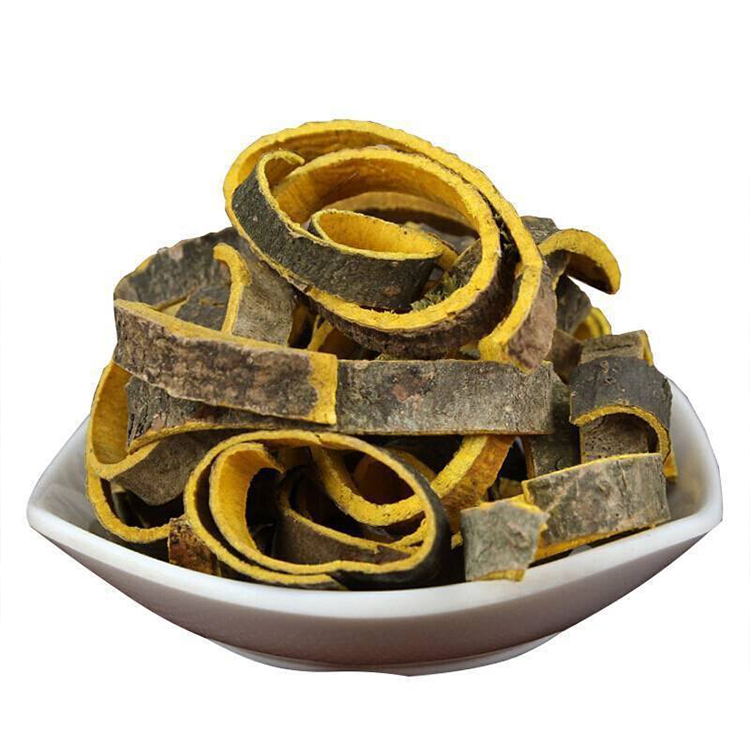



Phellodendron Bark is easy to recognize and surprisingly easy to buy badly. This procurement guide explains why yellow color and bitterness matter, why Phellodendron chinense and Phellodendron amurense should not be treated as anonymous substitutes, and what bulk buyers should demand from suppliers before approving a shipment.

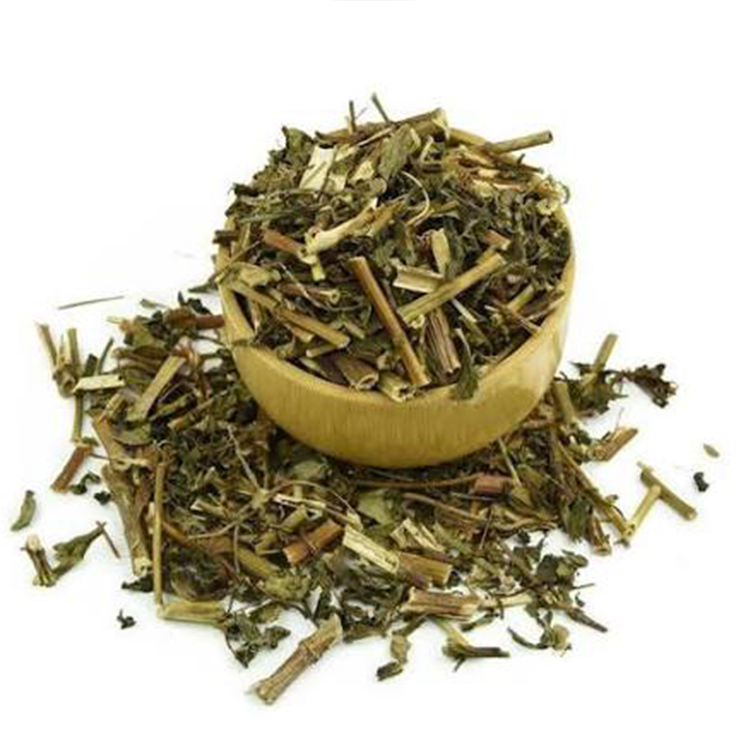
Buying Patrinia Root in bulk is not just a price exercise. This guide explains how professional herbal buyers can verify Patrinia scabiosifolia identity, control Bai Jiang Cao substitution risk, review lot-specific COAs, set testing requirements, audit suppliers, and build a purchase specification that survives real import and manufacturing scrutiny.

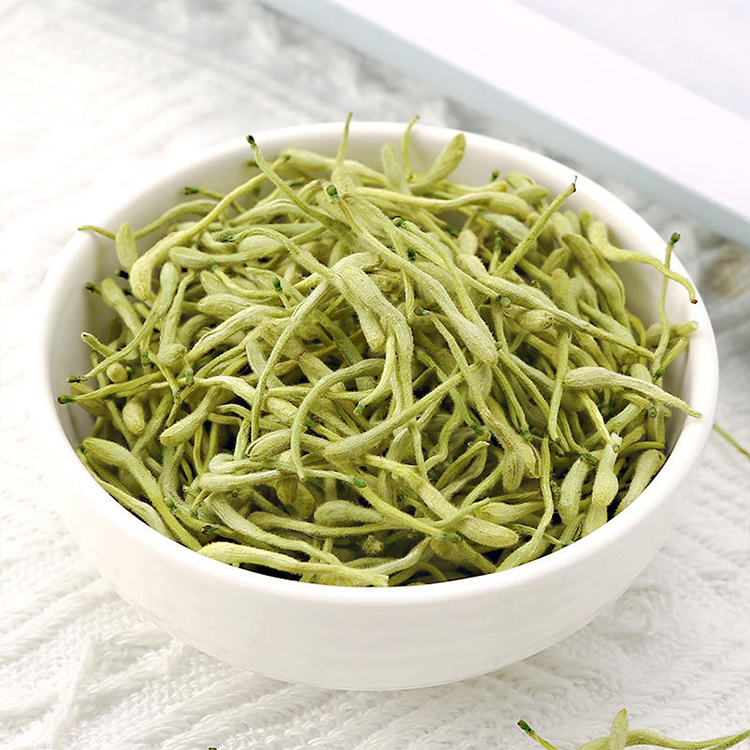
Honeysuckle Flower sourcing is not a simple color-and-price decision. This guide shows professional buyers how to control Lonicera japonica adulteration using botanical identity, DNA testing, chemical fingerprints, supplier traceability, incoming inspection, and defensible quality specifications.

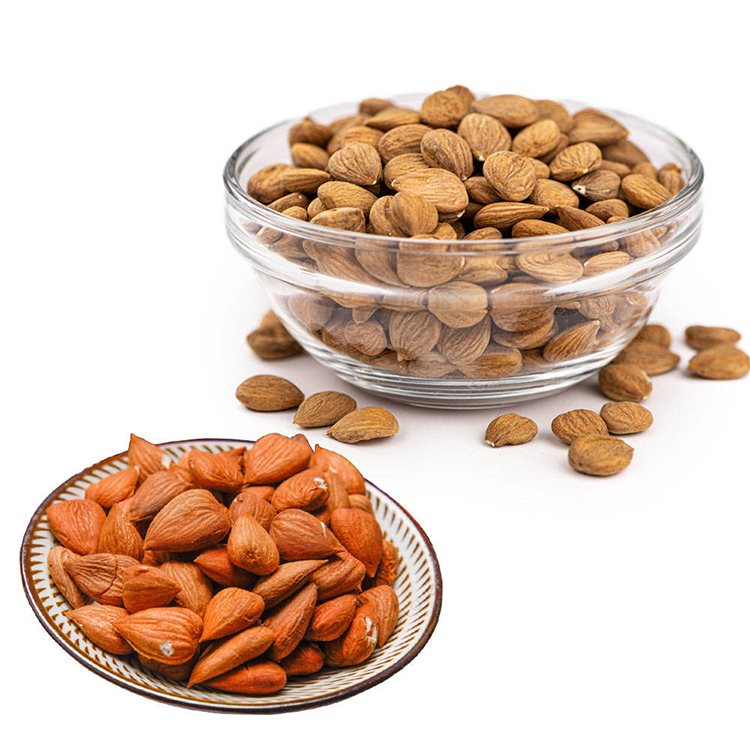
Bitter apricot seeds are not a casual commodity. This guide explains how buyers should evaluate Ku Xing Ren identity, cyanogenic glycoside risk, amygdalin testing, supplier paperwork, and documentation before placing a bulk order.

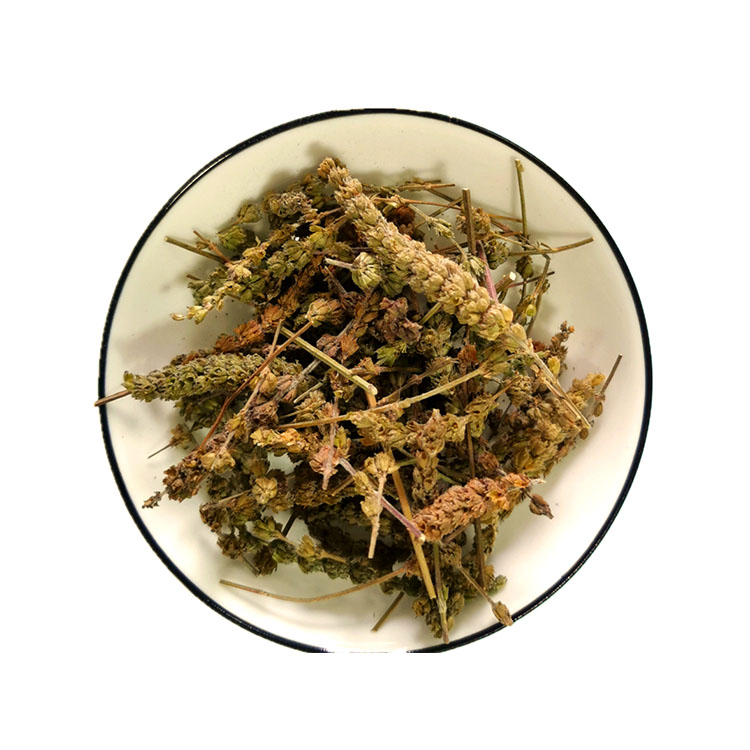
This post explains why stem-heavy Schizonepeta starts arguments even when it is botanically authentic. I break down what “purity” really means in buying rooms, which specs matter, and how to stop expensive disputes before shipment.