Sichuan Pepper Bulk Sourcing: Aroma, Numbing Strength, and Foreign Matter
Bulk Sichuan pepper should never be approved by color and price alone. This buyer-focused guide explains how to compare aroma, numbing intensity, cleanliness, safety evidence, processing controls, and shipment documentation.
A bright red sample may release an impressive citrus aroma when the bag is opened, yet the production shipment can arrive with weak numbing strength, excessive black seeds, dusty broken husks, old crop mixed into new crop, or enough field debris to turn an apparently cheap purchase into an expensive cleaning problem.
So what are you actually buying?
When I evaluate a Sichuan pepper bulk offer, I do not begin with color, price, or the supplier’s favorite adjective. I begin with identity, crop year, aroma retention, measurable numbing intensity, physical composition, foreign matter, treatment history, lot-specific testing, and the supplier’s ability to reproduce the approved sample.
“Premium grade” means nothing.
Professional buyers need a written specification that separates the sensory value of the pepper from its safety and cleanliness status. A fragrant lot can still contain stones, stems, metal, insects, pesticide residues, or Salmonella. A clean lot can still be commercially useless if its aroma has faded and its numbing effect disappears in the finished recipe.
Sichuan Pepper Bulk Is Not One Uniform Commodity
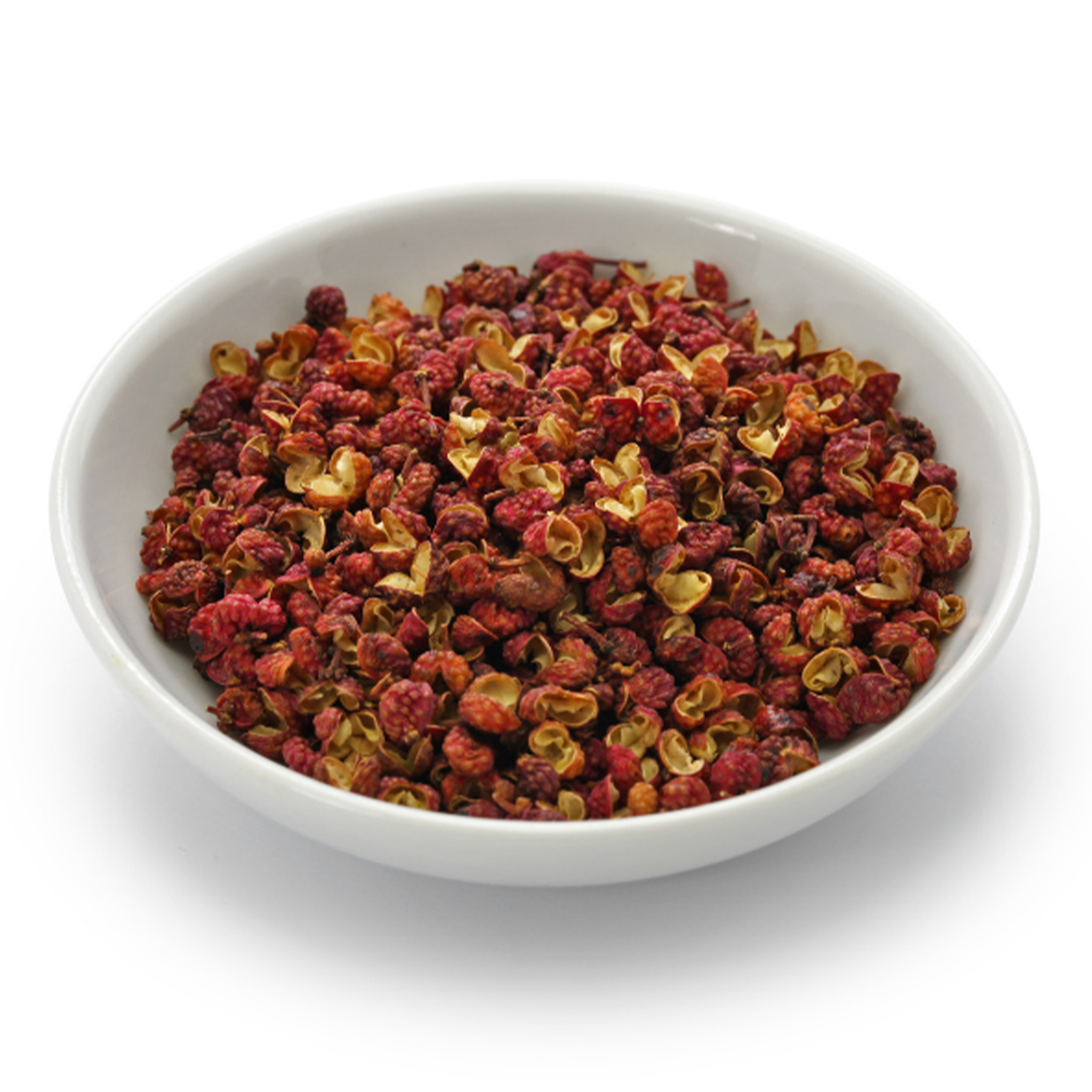
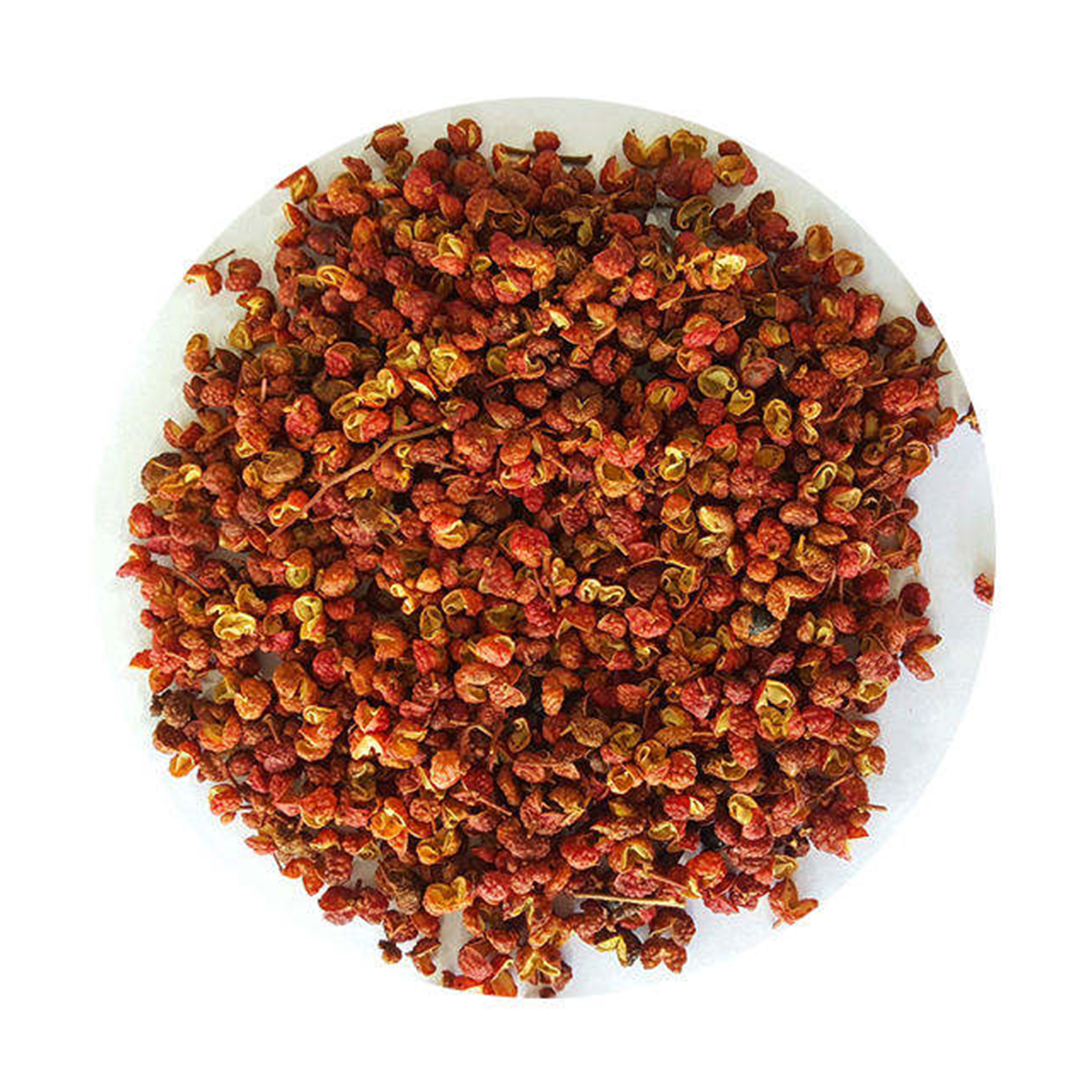
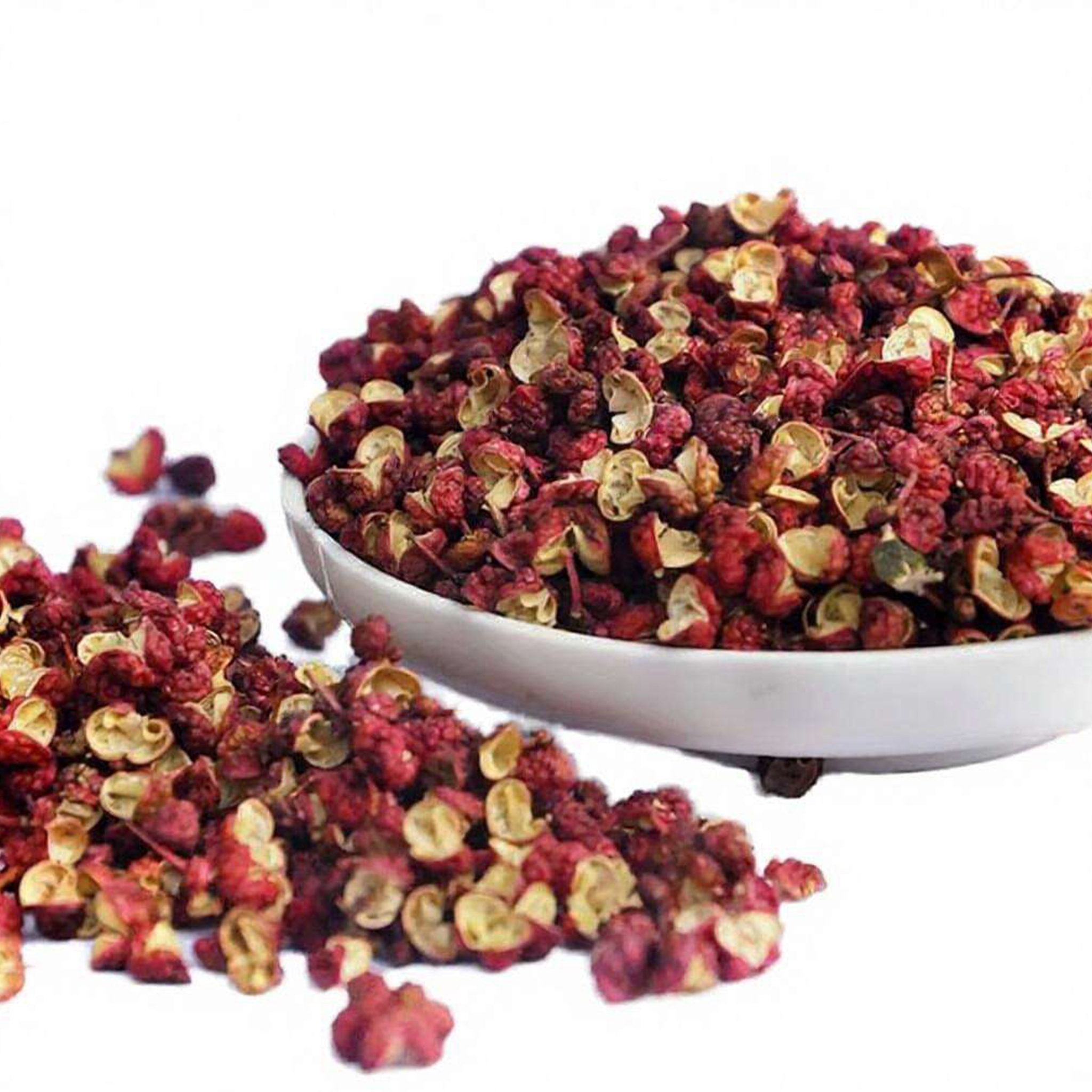
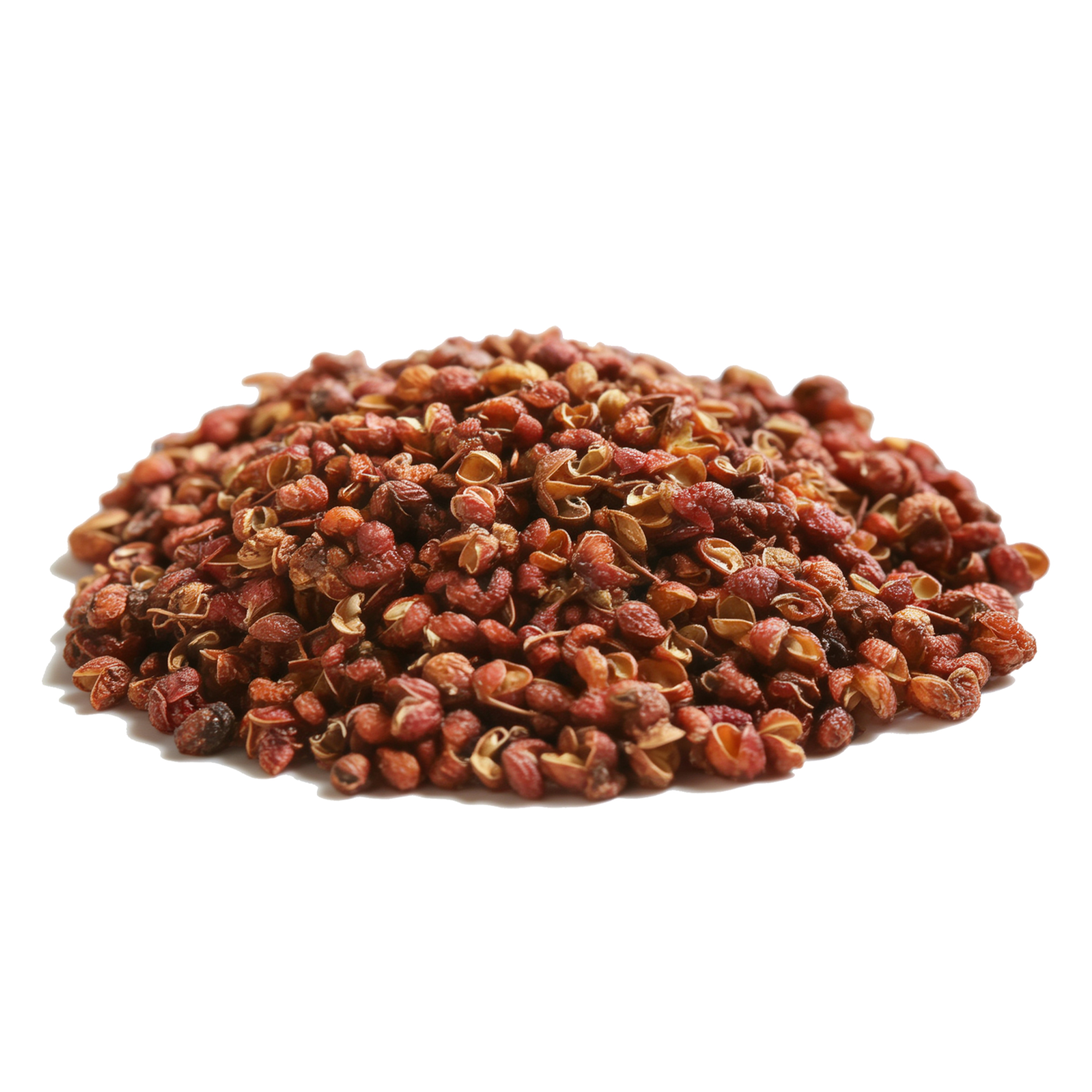
The name Sichuan pepper is used for dried husks from several species within the Zanthoxylum genus. Commercial offers may include red pepper, green pepper, whole opened husks, closed husks, crushed material, powder, mixed-origin stock, or material carrying regional names that have not been independently verified.
They are not interchangeable.
Red and green types can differ in citrus character, floral notes, bitterness, color, oil profile, numbing speed, numbing duration, and suitability for hot pot bases, dry seasoning, infused oil, snack coatings, sauces, extracts, or herbal applications.
A serious request for quotation should therefore state:
The agreed botanical or commercial identity
Red or green type
Whole husk, crushed, or powdered form
Intended food or herbal application
Country of destination
Crop or harvest year
Required origin documentation
Target aroma profile
Target numbing intensity
Maximum seeds, stems, dust, and foreign matter
Required microbiological and chemical tests
Permitted pathogen-reduction treatment
Packaging and storage requirements
Buyers comparing available formats can review the company’s Sichuan Pepper bulk supply page before requesting a representative lot sample. The wider factory-direct dried spices catalog is useful when Sichuan pepper will be consolidated with black pepper, white pepper, fennel, tsaoko, cloves, nutmeg, or other seasoning materials.
Stop Buying the Photograph
Beautiful photographs are almost worthless for approval.
They can show color, visible seed load, general husk opening, and obvious debris, but they cannot prove aroma retention, hydroxy-α-sanshool performance, moisture, microbial status, pesticide compliance, heavy metals, treatment residues, or lot consistency.
And photographs are easy to stage.
The supplier can photograph the cleanest handful in the warehouse while shipping material drawn from different bags, farms, storage periods, or processing runs. That is why the approved sample must be linked to a batch, specification, test report, and retention sample rather than treated as a decorative sales gift.
Aroma Quality: The First Commercial Warning Signal
Sichuan pepper aroma should be judged as a defined sensory profile, not as a simple “strong” or “weak” smell.
Fresh, well-handled material may show citrus-peel, lemon, grapefruit, floral, resinous, pine-like, or green notes, depending on type and origin. Defective material may smell musty, dusty, smoky, fermented, oily, rancid, flat, or like old packaging.
Smell it twice.
I recommend evaluating the whole material first and then crushing a controlled quantity immediately before assessment. Whole husks may smell acceptable while damaged oil glands, excessive storage, heat exposure, or oxygen ingress become obvious only after crushing.
What Weak Aroma Usually Tells Me
Weak aroma is rarely an isolated aesthetic problem. It can indicate:
Old crop sold without disclosure
High-temperature drying
Long exposure to open air
Excessive breakage during cleaning
Poorly sealed packaging
Warm warehouse storage
Repeated opening and repacking
Mixing of strong and weak lots
Volatile-oil loss before shipment
That matters because aroma loss does not stop when the lot leaves the factory. It continues during inland transport, container loading, ocean transit, customs delays, and warehouse storage.
Small details matter here. An assessor who knows which sample is more expensive may unconsciously score it higher. A sample evaluated immediately after grinding will usually appear stronger than one left open for 20 minutes.
My rule is blunt: if the sensory method cannot be repeated, the sensory result cannot control a commercial shipment.
Numbing Strength Is a Performance Specification
Sichuan pepper’s numbing sensation is associated principally with sanshool compounds, including hydroxy-α-sanshool. Research indexed by the U.S. National Institutes of Health found that hydroxy-α-sanshool excites sensory neurons through inhibition of two-pore potassium channels, including KCNK3, KCNK9, and KCNK18. This is not the same mechanism as the capsaicin heat produced by chili peppers.
The effect is physical.
University College London researchers also reported that the tingling generated by Sichuan pepper corresponded to stimulation of touch-related fibres at roughly 50 cycles per second. That helps explain why consumers describe the sensation as vibration, buzzing, tingling, or electrical movement rather than ordinary heat. The UCL study on Sichuan pepper tingling provides useful scientific context for sensory teams developing a repeatable reference scale.
But buyers still write “good numbing.”
That phrase is useless.
Measure the Beginning, Peak, and Finish
Two lots can receive the same general “strong” score while behaving very differently in a finished product. One may hit quickly and fade within seconds. Another may build slowly, spread across the mouth, and remain noticeable for several minutes.
A practical panel should record:
Delay before tingling begins
Maximum perceived intensity
Time required to reach peak intensity
Duration of the numbing sensation
Area of the mouth affected
Presence of bitterness or harshness
Recovery time between samples
Consistency among assessors
China’s official GB/T 38495-2020 sensory method was developed for indirect measurement of Sichuan pepper numbing intensity and applies to dried pepper, fresh pepper, pepper powder, pepper oil, oleoresin, and other high-numbing products. The method addresses assessor selection, sample preparation, evaluation procedures, and result interpretation.
There is also a regulatory housekeeping point that suppliers sometimes miss. The current Chinese national product standard is GB/T 30391-2024, Huajiao Pepper, published on September 29, 2024, and effective from April 1, 2025. A specification that still relies solely on GB/T 30391-2013 is citing a superseded edition.
Numbing Strength Can Decline Before Color Does
Color is a poor proxy for numbing strength.
Sanshool composition and sensory performance can change because of crop maturity, variety, drying, oxidation, light, heat, storage time, packaging permeability, and processing. A red husk can remain visually attractive after its most commercially valuable sensory effect has weakened.
That is why I prefer a three-part approval:
A trained sensory-panel result
Comparison with a retained reference lot
Instrumental analysis of relevant markers when the application and purchase value justify it
No single number replaces use testing. A seasoning manufacturer should test the pepper in the actual salt, chili, oil, starch, sugar, or flavor system because those ingredients can change how quickly the sensation appears and how strongly consumers perceive it.
Foreign Matter: Where Cheap Lots Become Expensive
Foreign matter is any material that does not belong in the agreed Sichuan pepper product. Depending on the specification, this can include stones, soil, unrelated plant pieces, excessive stems, string, plastic, wood, glass, metal, insects, animal hair, packaging fibres, or other field and processing debris.
Seeds require separate language.
Black seeds naturally occur inside some pepper husks, so buyers should not casually classify every seed as foreign matter. But excessive seed content still lowers the usable husk percentage, changes grinding behavior, adds hardness and bitterness, and makes the quoted price look better than the actual ingredient yield.
The same applies to stems, closed husks, dust, and broken material. They may not all be legally defined as foreign matter, yet they can still be commercial defects that must receive individual limits.
A Buyer-Side Sichuan Pepper Quality Table
The figures below are illustrative purchasing targets, not universal legal limits and not a substitute for GB/T 30391-2024 or destination-market rules. Tighten or modify them according to application, product form, customer contract, processing capability, and regulatory exposure.
Control Point
Illustrative Buyer Requirement
Verification Method
Commercial Reason
Botanical and product identity
Agreed Zanthoxylum identity; red or green type stated
Supplier records, visual examination, identity testing when justified
Prevents substitution and mixed-type shipments
Crop year
Current crop or declared year
Harvest record and traceability documents
Reduces old-stock and mixed-crop risk
Aroma
Matches retained reference; no musty, smoky, rancid, or fermented odor
Controlled sensory panel
Protects flavor consistency
Numbing intensity
Within ±15% of approved sensory reference
Standardized sensory score or agreed analytical method
Controls recipe performance
Foreign matter
Maximum 0.5% by weight
Representative separation and weighing
Limits stones, fibres, unrelated matter, and visible debris
Black seeds
Maximum 5.0% by weight
Manual separation from representative sample
Protects usable-husk yield
Stems and unrelated plant material
Separate agreed limit
Visual separation and weighing
Prevents hidden dilution
Moisture
Numeric limit agreed before order
Validated moisture method
Reduces mould, caking, and stability risk
Salmonella
Absent in the agreed analytical portion
FDA BAM, ISO 6579-1, or validated equivalent
Supports food-safety release
Metal control
Validated for actual product and pack format
Detector challenge records and reject verification
Reduces injury and equipment risk
Packaging
Food-contact liner with agreed oxygen and moisture barrier
Packaging specification and seal inspection
Slows aroma and sanshool loss
Lot traceability
One code linking raw material, processing, testing, and packing
Traceability exercise
Supports recall and complaint investigation
Do not copy these numbers blindly.
A buyer purchasing whole premium husks for visible restaurant use may require tighter seed, stem, and breakage limits than a buyer producing an extract. A powder buyer may care less about husk appearance but far more about adulteration, mesh consistency, microbial treatment, and metal-control records.
Sieving Alone Is Not a Foreign-Matter Program
A sieve separates material primarily by size. It can remove oversized stems, strings, clumps, stones of certain dimensions, and other debris that differs sufficiently from the product.
It cannot solve everything.
Magnets target ferrous material. Destoners or density separators address specific weight differences. Optical sorting can remove selected color and shape defects. Metal detectors can identify ferrous, non-ferrous, and stainless contaminants within validated sensitivity limits, although stainless steel is generally harder to detect.
The correct setup is layered.
The site’s practical guide to sieves, magnets, and metal detection for spices explains why no single device can honestly support a broad “foreign matter free” promise. FDA guidance also notes that hard or sharp objects in the 7–25 mm range may create enforcement concern depending on the product and intended use, while additional sifting may or may not remove them.
The Safety Evidence Buyers Keep Ignoring
Dry spices are not sterile.
FDA data from fiscal years 2007–2009 found Salmonella in approximately 6.6% of spice shipments offered for entry into the United States. Around 12% of examined spice shipments were adulterated with filth such as insects or animal hair. The retail prevalence was later found to be lower for most tested spice types, which FDA linked partly to pathogen-reduction treatments applied after import. FDA’s spice safety Q&A gives buyers a sobering reason to stop treating dryness as proof of safety.
Then came the salami outbreak.
A CDC investigation identified 272 Salmonella Montevideo cases across 44 states and the District of Columbia between July 2009 and April 2010. Contaminated imported black and red pepper had been applied to salami after the principal lethality step, showing how a low-moisture spice can contaminate a ready-to-eat product downstream. The CDC outbreak report remains one of the clearest warnings in the spice trade.
This was not ancient history dressed up as a modern threat. In May 2024, Reuters reported that Indian spice producer MDH had seen an average 14.5% of its U.S. shipments rejected since 2021 because of bacterial findings. Between October 2023 and May 3, 2024, 13 of 65 MDH shipments—about 20%—were rejected after Salmonella checks, according to Reuters’ analysis of FDA data. The company maintained that its products were safe.
Hard truth: a polished factory presentation cannot kill Salmonella.
Buyers should review the site’s guide to contamination risks in dried spices when building microbiological, pesticide, heavy-metal, mycotoxin, and physical-hazard requirements for Sichuan pepper.
Ask What Happened Before the COA
A certificate of analysis is useful only when it represents the actual commercial lot and discloses enough information to interpret the result.
I want to see:
Supplier and manufacturing location
Exact product and plant part
Lot or batch number
Crop year and origin
Sampling date
Identity of the sampling party
Laboratory name and accreditation status
Test method
Analytical portion
Numeric results
Units
Detection or quantification limits
Acceptance specification
Treatment status
Release authorization
A report saying only “Salmonella: Negative” is incomplete. Negative in what sample size? Which method? Who sampled the lot? Was the sample taken before or after treatment? Could the product have been recontaminated during cooling, grinding, or packing?
Ask the awkward questions.
How to Source Sichuan Pepper in Bulk Without Buying Blind
The purchasing sequence matters more than most buyers admit.
Ask the Szechuan pepper supplier to confirm every specification line in writing. The specification should define identity, crop year, product form, aroma, numbing strength, moisture, black seeds, stems, closed husks, dust, foreign matter, microbiology, pesticides, heavy metals, treatment, packaging, labeling, sampling, inspection, and rejection rights.
Step 3: Request a Representative Sample
The sample should come from the offered commercial lot whenever possible.
A pre-production sample made from unrelated showroom stock proves almost nothing about the shipment. Require a sample code, batch reference, sample date, and confirmation that a retained duplicate remains with the supplier.
Step 4: Test the Pepper in Its Real Formula
Bench-top tasting in water or on the tongue is only the first screen.
Test the approved sample in the real oil, salt level, chili system, cooking process, extraction method, or packaging format. Heat and processing can change aroma and numbing perception, while fats may alter the release of lipophilic flavor compounds.
Step 5: Compare Pre-Shipment Material With the Approved Sample
Use blinded sensory comparison and physical sorting. Check several bags or sample increments rather than accepting one convenient scoop from the top of one sack.
Consistency beats theater.
Step 6: Control the Documents
The invoice, packing list, certificate of origin, phytosanitary documentation where applicable, treatment declaration, COA, product name, botanical identity, lot number, net weight, and label should agree with one another.
Step 7: Write Rejection and Claim Rules Before Shipment
Your contract should state:
Which specification controls
How samples will be collected
Which laboratory method applies
Who pays for retesting
What constitutes a failed lot
Whether replacement, rework, discount, or refund applies
How quickly claims must be submitted
Which retained sample resolves disputes
Whether mixed or substituted lots are prohibited
Without these terms, a failed shipment becomes a negotiation rather than a controlled quality event.
Red Flags in a Sichuan Pepper Wholesale Offer
I become cautious when a supplier:
Refuses to state the crop year
Uses “Sichuan origin” without traceability
Cannot separate red and green specifications
Sends one generic COA for every inquiry
Quotes a superseded product standard
Describes numbing strength only as “strong”
Calls black seeds foreign matter only when convenient
Promises zero foreign matter without explaining the method
Cannot identify where sieves, magnets, and detectors sit
Says “steam sterilized” but provides no treatment record
Avoids discussing post-treatment recontamination
Changes lot numbers between the sample and invoice
Offers a suspiciously low price without a yield breakdown
Will not retain a sealed reference sample
Cheap pepper has a pattern.
It usually contains more non-husk material, weaker crop segregation, looser cleaning, older stock, weaker packaging, or less defensible testing. The invoice may be cheaper per kilogram, but the usable aromatic husk, finished-product consistency, cleaning loss, complaint exposure, and QA workload tell a different story.
FAQs
What is Sichuan pepper bulk sourcing?
Sichuan pepper bulk sourcing is the commercial process of selecting, specifying, sampling, testing, purchasing, and importing whole, crushed, or powdered Zanthoxylum husks according to agreed requirements for identity, crop year, aroma, numbing strength, physical composition, foreign matter, food safety, packaging, traceability, and destination-market compliance.
It is not simply buying a large bag of pepper. The buyer must link the approved sample to the commercial lot and define how conformity will be verified before shipment.
How can buyers test Sichuan pepper numbing strength?
Sichuan pepper numbing strength can be tested through a standardized sensory panel that controls sample weight, preparation, concentration, temperature, contact time, assessor training, reference materials, onset, peak intensity, duration, bitterness, and recovery time, supported by chemical analysis of sanshool compounds when purchase value or application risk justifies instrumental verification.
GB/T 38495-2020 offers a formal sensory framework, but buyers should still test the pepper in the finished recipe because oil, salt, chili, sugar, heat, and processing can alter perceived intensity.
What causes weak Sichuan pepper aroma quality?
Weak Sichuan pepper aroma quality is usually caused by old crop, high-temperature drying, excessive breakage, oxidation, warm storage, permeable packaging, prolonged exposure to air, repeated repacking, or mixing aromatic new material with flatter stock, all of which reduce the volatile compounds responsible for citrus, floral, resinous, and fresh green sensory notes.
Aroma should be assessed after controlled crushing and compared with an approved retained reference rather than judged only from an unopened bag.
What counts as foreign matter in bulk Sichuan peppercorns?
Foreign matter in bulk Sichuan peppercorns is material that does not belong to the agreed product, including stones, soil, unrelated plants, string, plastic, wood, glass, metal, insects, animal hair, packaging fibres, or other field and processing debris, while seeds, stems, closed husks, dust, and broken pieces should receive separate commercial defect limits.
The distinction matters because naturally occurring black seeds may not be classified identically to external contamination, although excessive seeds still reduce usable yield and may add hardness or bitterness.
How do I choose a reliable Szechuan pepper supplier?
A reliable Szechuan pepper supplier identifies the product and crop precisely, links samples to commercial lots, accepts written aroma and cleanliness limits, provides lot-specific test results, explains treatment and foreign-material controls, maintains traceability, retains reference samples, uses suitable packaging, and agrees to objective inspection, rejection, and corrective-action procedures before shipment.
Certificates and factory photographs are supporting evidence, not substitutes for representative sampling, numeric specifications, validated methods, and consistent performance between the sample and delivered lot.
Is strong aroma enough to approve Sichuan pepper wholesale orders?
Strong aroma is not enough to approve a Sichuan pepper wholesale order because aroma does not prove botanical identity, numbing strength, crop consistency, usable husk percentage, microbiological safety, pesticide compliance, heavy-metal status, treatment legality, foreign-matter control, packaging integrity, or whether the attractive sample genuinely represents the complete production shipment.
Approval should combine sensory testing, physical separation, lot-specific laboratory evidence, document review, process verification, and comparison with a sealed retained sample.
Your Next Step: Turn the Sample Into a Contract
Do not request the cheapest Sichuan pepper bulk quotation first.
Send a specification.
Define the type, crop year, format, intended use, aroma profile, numbing target, black-seed limit, stem limit, foreign-matter limit, safety testing, treatment status, packaging, sampling plan, and rejection procedure. Then request a lot-linked sample and a complete COA.
The weak suppliers will become vague.
The capable ones will ask technical questions, discuss realistic tolerances, explain their cleaning and treatment process, and provide evidence that follows the lot from raw material intake to final packing.
For a bulk quotation, sensory sample, packaging recommendation, or customized quality specification, submit the intended application, annual volume, destination country, preferred red or green type, and required test scope through the Sichuan Pepper bulk product page. Ask for evidence before price.
Our low MOQ of 1 kg (2.2 lb) makes it easy to order Chinese herbal slices or wholesale Chinese medicine herbs. Private-label and bilingual labeling are also available.
Delivery Cycle & Support
We have a fast 7-day lead time. We provide free samples, COA reports, and technical support to help you bring high-quality bulk Chinese herbs to market.
Quality & Certifications
Our products are manufactured in a GMP-certified facility and meet ISO22000 standards. All Chinese herbs are third-party tested for heavy metals, pesticides, and microorganisms.