Export Compliance Risks for Animal and Mineral Chinese Medicinals
Animal and mineral Chinese medicinals sit in the danger zone where traditional formulas meet wildlife law, customs quarantine, toxic-element limits, and importer liability. Here is the hard compliance map buyers should demand before any shipment moves.
The Ugly Truth: “Traditional” Does Not Clear Customs
Paperwork kills deals.
I have seen enough supplier decks, quote sheets, COA packs, and “don’t worry, we export every month” messages to know the same pattern keeps repeating: the buyer asks for animal and mineral Chinese medicinals, the seller answers with price and MOQ, and nobody asks the boring question that actually decides whether the shipment survives customs—what is the legal identity of this material, and can we prove it?
So who owns the risk when a carton gets held?
That is the uncomfortable part of Traditional Chinese medicine export compliance. In ordinary botanical sourcing, a sloppy Latin name may create a quality dispute. In animal and mineral medicinals, the same sloppiness can trigger CITES review, wildlife enforcement, quarantine inspection, toxic-element scrutiny, product seizure, reputational damage, or a buyer audit that quietly ends the relationship.
The risk is not imaginary. Reuters reported in 2023 that an Environmental Investigation Agency review found 72 firms using threatened leopard and pangolin body parts in at least 88 traditional Chinese medicine products—a number that should make any serious exporter stop treating endangered species TCM ingredients as a fringe issue: Chinese listed firms used endangered animal parts as ingredients, report says.
That is not a “bad actor only” story. It is a systems story.
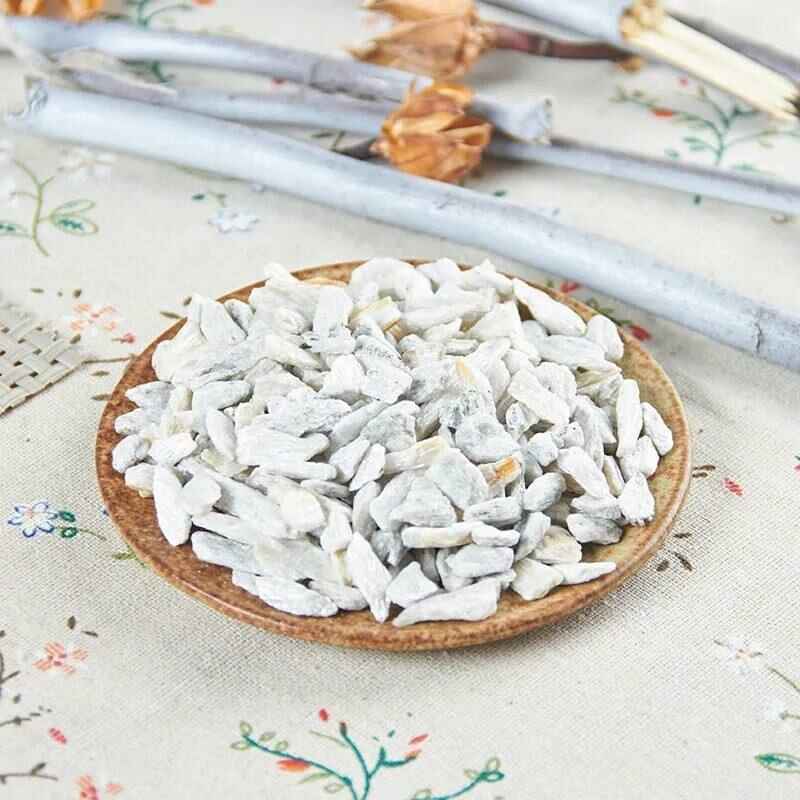
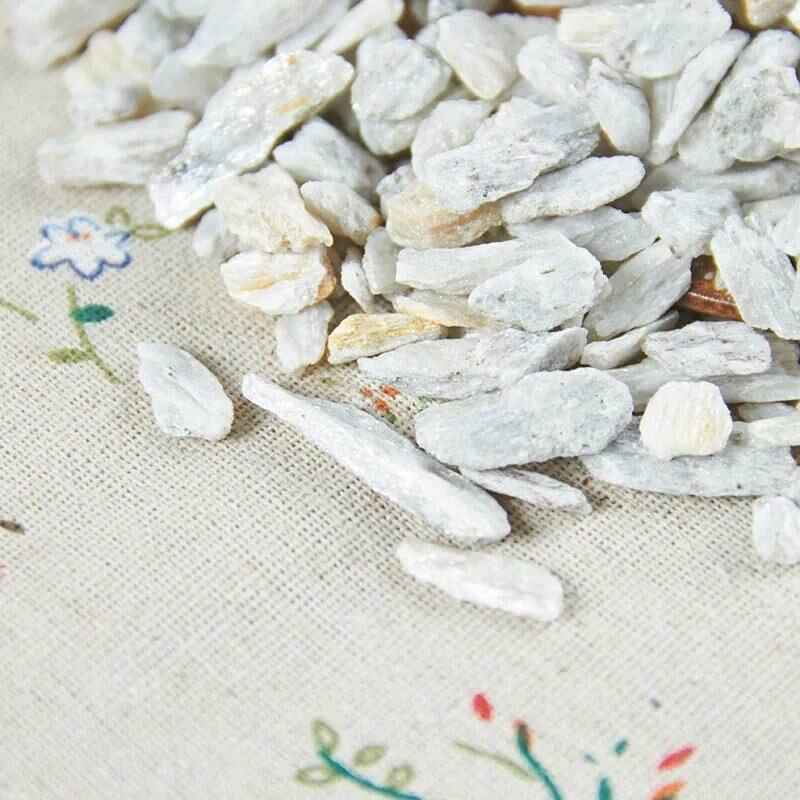
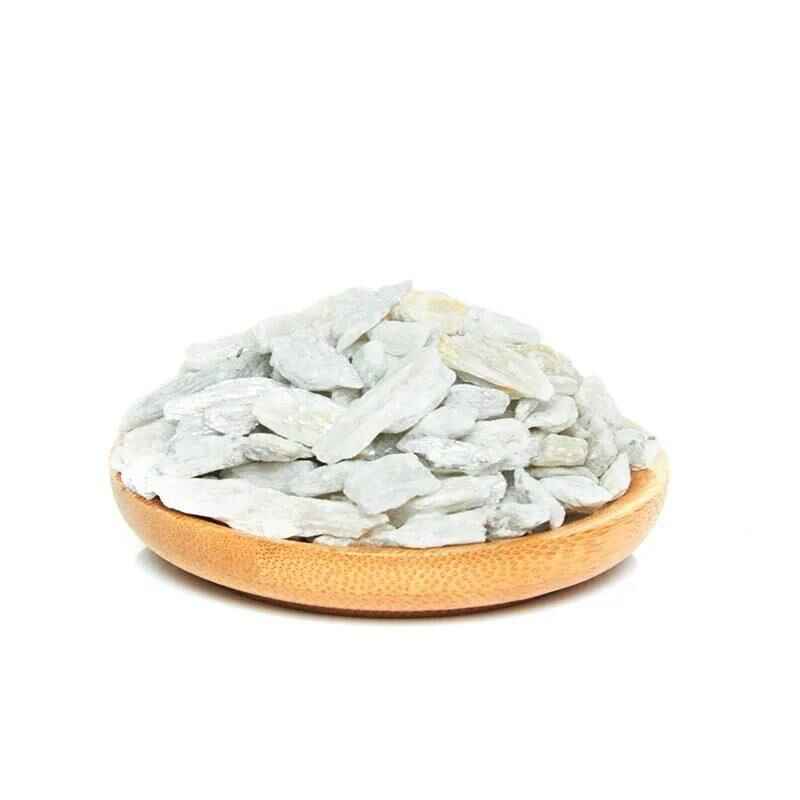
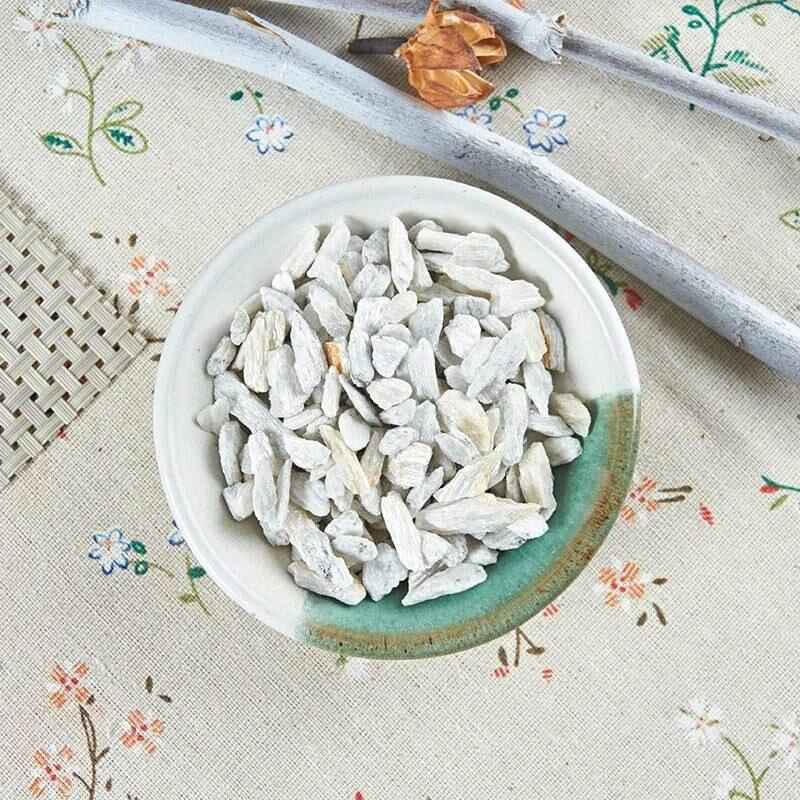
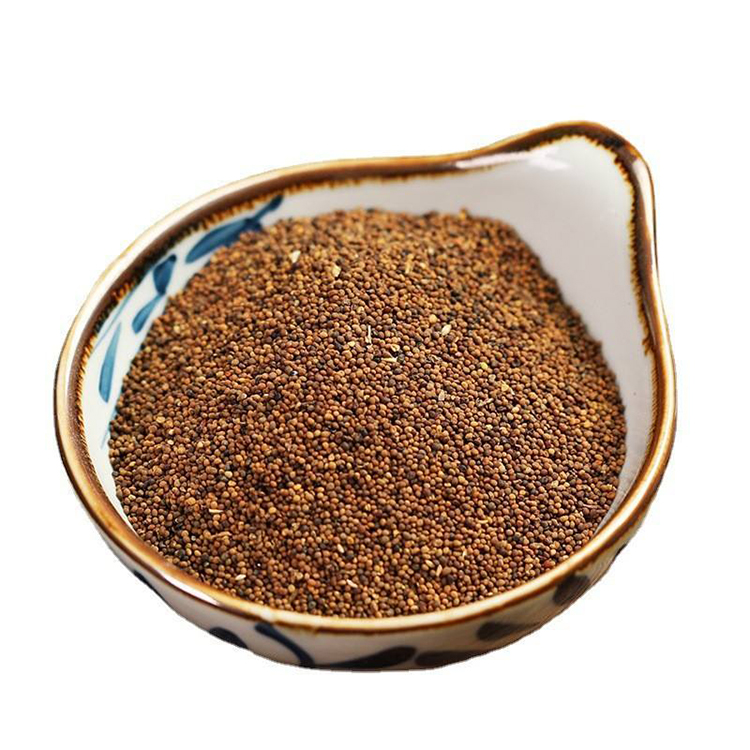
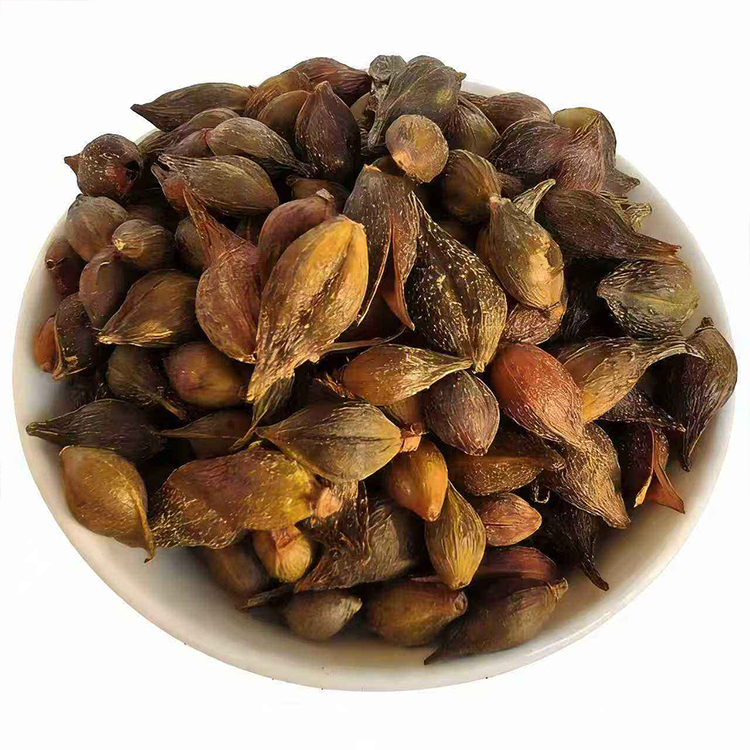
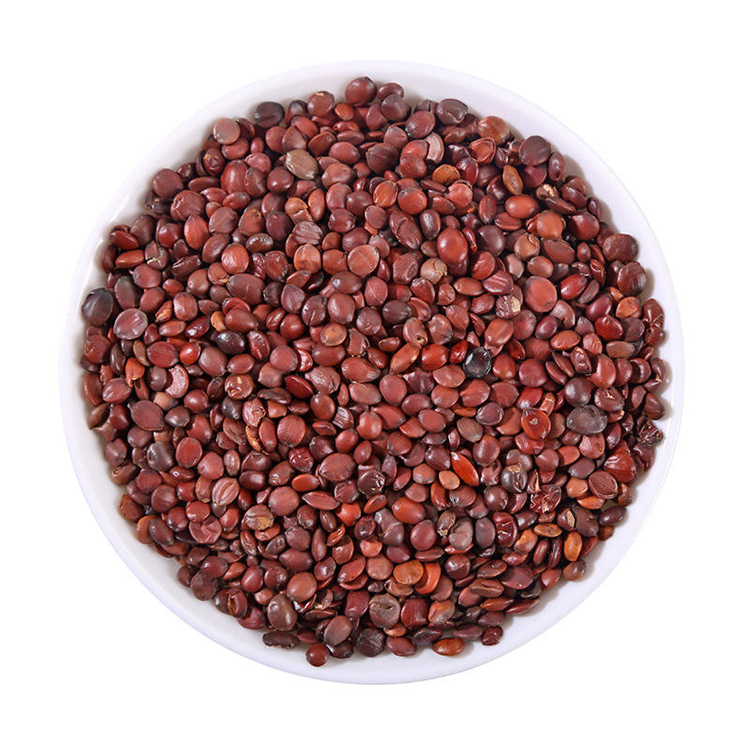
And yes, legitimate suppliers still exist. On the sourcing side, category pages such as animal and mineral Chinese medicinals can help buyers separate routine commercial items—Ge Jie, Hai Piao Xiao, Long Gu, Ru Xiang, Shui Zhi—from materials that need deeper legal screening before anyone discusses FOB price, HS code, or a 20-foot container.
But I will say the quiet part loudly: animal-derived TCM is not just another SKU family.
Table of Contents
CITES Is Not a Sticker: It Is the Gatekeeper
CITES—the Convention on International Trade in Endangered Species of Wild Fauna and Flora—controls international trade in listed wild animals and plants through Appendix I, Appendix II, and Appendix III rules. The U.S. Fish & Wildlife Service explains that Appendix I species face the highest protection level and generally cannot be traded commercially, while Appendix II requires export or re-export documents from the exporting side: CITES Appendices.
Here is the industry mistake: people assume “processed medicine” means the wildlife rules disappear.
They do not.
The U.S. Fish & Wildlife Service permit guidance states that Appendix I imports require both import and export permits, Appendix I and II exports require export permits, and re-export of previously imported CITES specimens requires a re-export certificate—even when the item has been converted into manufactured goods: CITES Permits and Certificates.
That line matters for Chinese proprietary medicine export license planning, especially when the formula, label, or ingredient declaration contains terms such as:
Canada’s government gives a blunt, useful example list for traditional medicines containing CITES animal and plant ingredients, including pangolin scales, musk deer, tiger bone, leopard bone, and primate-derived materials: Animal and plant ingredients in traditional medicine.
I would not let a buyer approve any animal-derived TCM shipment until the supplier has answered one question in writing: Is this material, derivative, substitute, or label claim connected to a CITES-listed species in any market touched by the shipment route?
Those are not herbal-store problems. Those are organized-trade problems.
The smaller cases are just as useful. In 2014, the U.S. Department of Justice said Cheng Zhuo Liu pleaded guilty to smuggling 100 pounds of dried protected sea cucumbers, Isostichopus fuscus, hidden in a vehicle spare-tire area; prosecutors estimated the value at $5,000–$10,000: Federal authorities continue crackdown on smuggling of protected marine animals.
Why should a TCM exporter care about dried sea cucumber?
Because the legal mechanics look familiar: animal-derived material, international movement, misdeclared or concealed goods, protected species, commercial value, and enforcement agencies that do not care whether the buyer describes the material as “traditional,” “natural,” or “for wellness.”
That is the hard truth. Customs does not inspect your philosophy. Customs inspects documents, species identity, origin, permits, labeling, cargo description, and risk signals.
For routine supplier qualification, I would pair legal screening with an operational audit. This is where a page such as Guide to Chinese Herb Supplier Audit Process belongs naturally in the buyer workflow, because compliance failures usually start long before the shipment reaches the port: weak batch genealogy, mismatched COA numbers, vague origin notes, and salespeople answering regulatory questions they are not trained to answer.
Animal vs Mineral Medicinals: The Risk Is Different, Not Lower
Mineral medicinals can feel safer because they do not trigger wildlife trafficking headlines. That confidence is dangerous.
Animal-derived medicinals create species, origin, welfare, quarantine, CITES, and legality questions. Mineral medicinals create identity, heavy-metal, toxic-element, particle-size, dosage-form, and buyer-market classification questions. One can get seized for wildlife law. The other can fail because the lab report shows arsenic, lead, mercury, cadmium, or incompatible product classification.
COA, botanical origin, pesticide panel, GC/MS if required
Medium
Notice the boring phrase repeated across the table: documents I would demand.
That is where real trade discipline lives. A buyer looking at Cuttlefish Bone / Hai Piao Xiao should not stop at product photos and pinyin. They should ask whether the invoice, carton label, COA, quarantine certificate, and buyer-facing specification all say the same thing: Sepia esculenta, Hai Piao Xiao, cuttlefish bone, lot code, net weight, processing form, and intended use.
Same with Gecko / Ha Jie. A reptile product demands more discipline than a basic dried root. The question is not only “Can you supply?” It is “Can you prove the species, source, export legality, and destination-market acceptability?”
Customs Quarantine Is Where Weak Documents Go to Die
Customs quarantine for TCM materials is not a ceremonial stamp. It is a filter.
China’s animal and plant quarantine rules require owners or agents to apply for quarantine inspection, submit documents such as quarantine certificates, certificates of origin, trade contracts, and invoices where relevant, and support exit quarantine for animals, plants, animal products, plant products, or other quarantine objects under the importing country’s requirements, Chinese rules, bilateral agreements, and contract requirements: Inspection and Quarantine rules.
That means the exporter has two jobs at once:
First, satisfy the exporting-side process.
Second, avoid creating an import-side problem in the buyer’s country.
A COA that only says “PASS” is amateur hour. A serious COA pack for animal and mineral Chinese medicinals should include test methods, units, limits, actual numbers, batch number, sample date, approval, and lot-to-carton traceability. For testing logic, the most useful internal support page is Importing Chinese Herbs to the US and EU: COA, Pesticide, and Heavy Metal Testing Explained, because it frames COA, pesticide residues, heavy metals, FSVP, and batch traceability in the language import teams actually use.
Here is my working checklist for exporters.
The Minimum File I Would Not Ship Without
Commercial invoice with exact material name, Latin name, pinyin, form, net weight, and HS code
Packing list matching carton labels and batch numbers
Certificate of Analysis with actual results, not vague “qualified” language
Species declaration for animal-derived materials
CITES classification review for any species-linked material
Export permit, import permit, or re-export certificate where required
Certificate of Origin
Quarantine certificate or inspection documents where the trade lane requires them
Processing flow chart and batch manufacturing record
Heavy metals panel using ICP-MS or equivalent validated method
Microbiology panel for animal-derived, shell, fossil, or porous materials
Residue panel where agricultural, resin, or botanical exposure is plausible
Intended-use statement: raw material, dietary supplement, food, pharmaceutical, cosmetic, research, or other
This is not paperwork for paperwork’s sake. It is how you keep a buyer’s warehouse, legal team, and customs broker from turning against you.
The Mineral Problem: HgS, As₄S₄, Pb₃O₄, and the False Comfort of “Natural”
Mineral medicinals are where marketing language becomes risky fast.
Zhu Sha is commonly associated with cinnabar, mercury sulfide, HgS. Xiong Huang is associated with realgar, often represented as arsenic sulfide chemistry such as As₄S₄. Mi Tuo Seng is linked historically with litharge, lead oxide chemistry such as PbO. Dai Zhe Shi is hematite, Fe₂O₃.
These are not innocent words in export files.
If a buyer is selling into food, supplement, OTC, cosmetic, or practitioner channels, the classification and testing expectations change. The same powdered mineral that appears in historical materia medica may be commercially radioactive from a compliance perspective because modern regulators and buyers think in toxic elements, exposure limits, label claims, and finished-product risk.
But exporters still under-document minerals. I see this constantly in product conversations: the supplier discusses appearance, mesh size, and price, but not arsenic spec, mercury spec, lead spec, cadmium spec, method validation, or whether the destination market even accepts the ingredient in the intended product class.
That is backwards.
For resin and borderline botanical-mineral categories, the same discipline applies. A buyer looking at Frankincense / Ru Xiang should ask different questions than a buyer looking at Zhu Sha, but the mindset is identical: identity first, contamination second, legal classification third, commercial promise last.
How to Manage Export Compliance Risks Before the Purchase Order
The cleanest strategy is not heroic crisis management. It is refusing to quote high-risk material until the buyer’s target market, intended use, species identity, and document requirements are clear.
I would run animal and mineral Chinese medicinals through a five-gate system:
Gate 1: Name Discipline
Match pinyin, Chinese characters, Latin name, English name, pharmacopoeial name, and product form. “Gecko” is not enough. “Shell” is not enough. “Fossil bone” is not enough.
Gate 2: Species and Legal Status
Check CITES Appendix I, II, and III. Check national law in the exporting country, transit country, and importing country. Check whether the material is wild, farmed, synthetic substitute, fossilized, mineral, resin, or processed derivative.
Gate 3: Customs and Quarantine Lane
Confirm whether the material is treated as animal product, mineral product, botanical, food material, medicine, dietary supplement ingredient, or proprietary finished medicine. The label and invoice should not fight each other.
Gate 4: Testing and COA Packet
Use ICP-MS for toxic elements where relevant. Use microbiology panels for animal-derived and porous materials. Use identity testing, macroscopic inspection, DNA barcoding where practical, and residue screening where the source profile demands it.
Gate 5: Buyer-Market Review
The U.S., EU, Canada, Australia, Japan, South Korea, Malaysia, and the Philippines do not treat every TCM material the same way. The buyer’s importer of record, customs broker, and regulatory consultant must confirm the lane before shipment.
For custom formulations, private label, bilingual labeling, and specification alignment, it makes sense to bring the supplier into the process early through custom Chinese herbal and spice solutions. But do not confuse OEM capability with legal clearance. They are related. They are not the same.
The Insider View: Why Good Suppliers Lose Good Orders
I will be blunt again.
Many suppliers lose export orders not because the product is bad, but because their compliance story sounds improvised. A buyer asks for CITES status, and the salesperson sends a product photo. A distributor asks for heavy-metal limits, and the factory sends a generic COA with no method. A customs broker asks for species-level identification, and the exporter replies with pinyin.
That is how trust dies.
The professional buyer wants boring evidence:
repeated lot history
traceable origin
stable Latin naming
compliant label language
matching carton-invoice-COA data
no endangered species ambiguity
fast answers on permit requirements
documented CAPA when something goes wrong
If a supplier can do that, price pressure drops. Not always. But often.
And when a buyer is ready to move from risk review to sourcing, the next step should be a structured inquiry, not a casual WhatsApp message with “best price?” A formal request a quote should include destination country, intended use, annual volume, testing requirements, packaging form, label language, and any buyer-side prohibited species or mineral restrictions.
That is how serious trade starts.
FAQs
What is Traditional Chinese medicine export compliance for animal and mineral medicinals?
Traditional Chinese medicine export compliance for animal and mineral medicinals is the process of proving that each material can legally move across borders through correct species identification, CITES review, customs classification, quarantine documentation, COA testing, toxic-element control, and destination-market approval before shipment.
In plain trade language, it means the seller must prove the material is legal, correctly named, properly tested, accurately declared, and acceptable in the buyer’s country. The higher-risk items are animal derivatives, reptile materials, marine products, fossil or shell materials, and mineral medicinals containing mercury, arsenic, or lead chemistry.
Which animal Chinese medicinals create the highest CITES compliance risk?
Animal Chinese medicinals create the highest CITES compliance risk when they contain, claim to contain, resemble, or substitute for protected species such as pangolin, musk deer, tiger, leopard, seahorse, bear, certain reptiles, primates, and other listed wildlife derivatives.
The risk does not disappear because the item is powdered, sliced, dried, packed in a formula, or sold as a proprietary medicine. CITES can apply to parts, derivatives, and re-exported manufactured goods. That is why species-level identity and legal acquisition proof matter before price negotiation.
Are mineral Chinese medicinals safer to export than animal medicinals?
Mineral Chinese medicinals are not automatically safer to export; they usually carry less wildlife-law exposure but more toxic-element, product-classification, labeling, and finished-product safety risk because materials linked to HgS, As₄S₄, PbO, or other mineral chemistry may trigger strict buyer or regulator review.
The mistake is treating mineral products as simple rocks. Modern importers ask about arsenic, mercury, lead, cadmium, particle size, intended use, dosage form, and whether the destination market permits the ingredient in food, supplement, medicine, cosmetic, or practitioner-only channels.
How should exporters manage customs quarantine for TCM materials?
Exporters should manage customs quarantine for TCM materials by preparing a shipment file that matches product identity, origin, batch number, inspection documents, quarantine certificates, invoice descriptions, packing list data, COA results, and destination-country requirements before goods leave the factory.
Animal-derived materials need extra care because quarantine authorities may focus on disease risk, processing status, origin, packaging, and certificate validity. Mineral and fossil materials need clearer classification language. If the carton, invoice, and COA disagree, the shipment starts looking risky even when the product itself is legitimate.
What documents should buyers request before ordering animal and mineral Chinese medicinals?
Buyers should request a complete compliance pack before ordering animal and mineral Chinese medicinals, including COA, species declaration, Latin and pinyin identity, Certificate of Origin, quarantine documents, CITES permits or written non-CITES justification, heavy-metal reports, microbiology reports, batch traceability, and intended-use confirmation.
For high-risk animal materials, add legal acquisition proof and export/re-export documentation. For minerals, add ICP-MS toxic-element results and safety specifications. For proprietary formulas, ask whether any ingredient creates CITES, endangered species, drug-registration, food-safety, or label-claim risk in the destination market.
Final Thoughts: Build the Compliance File Before You Build the Order
The winners in animal and mineral Chinese medicinals will not be the loudest exporters or the cheapest brokers. They will be the suppliers and buyers who can prove legal identity, batch history, species status, toxic-element control, and customs readiness before a shipment gets near the port.
My advice is simple: do not buy mystery material, do not accept vague COAs, do not ignore CITES, and do not let sales language outrun documentation.
If you are sourcing animal and mineral Chinese medicinals for export, prepare your destination market, intended use, annual volume, required tests, and prohibited-species list first—then send a structured inquiry through the supplier’s quote channel and demand a document pack before approving the purchase order.
Our low MOQ of 1 kg (2.2 lb) makes it easy to order Chinese herbal slices or wholesale Chinese medicine herbs. Private-label and bilingual labeling are also available.
Delivery Cycle & Support
We have a fast 7-day lead time. We provide free samples, COA reports, and technical support to help you bring high-quality bulk Chinese herbs to market.
Quality & Certifications
Our products are manufactured in a GMP-certified facility and meet ISO22000 standards. All Chinese herbs are third-party tested for heavy metals, pesticides, and microorganisms.