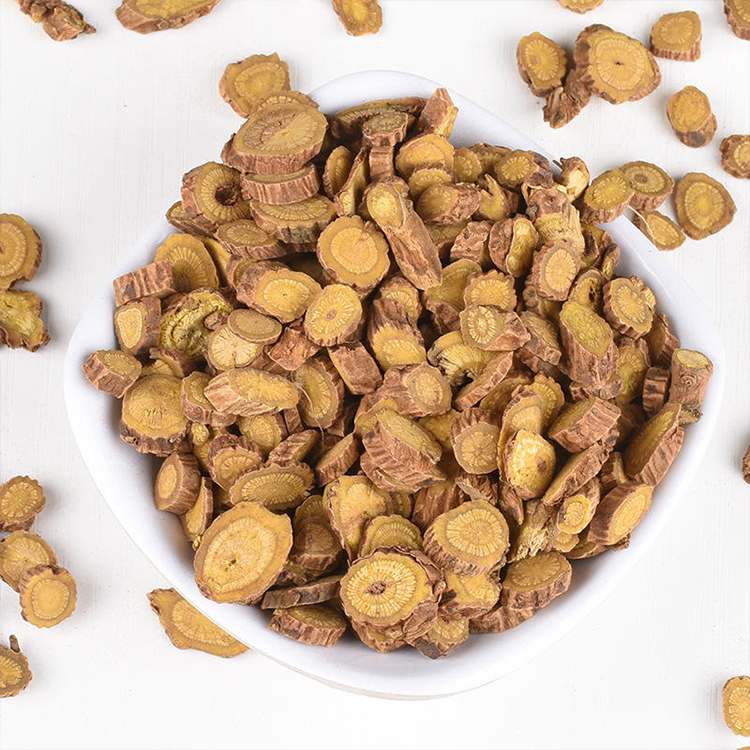
Scutellaria Root Sourcing Guide for Herbal Ingredient Buyers
Buying Scutellaria root is not simply a matter of comparing quotations. This procurement guide explains how professional herbal ingredient buyers can verify Huang Qin identity, define defensible quality standards, challenge weak COAs, test commercial lots, and qualify a bulk supplier before money and inventory are exposed.
When a buyer asks for “skullcap” without naming Scutellaria baicalensis Georgi, the root plant part, physical form, governing specification, marker profile, and release tests, the purchase order is already weak before anyone discusses price, freight, or lead time.
Why invite a substitution dispute?
The name “skullcap” covers multiple Scutellaria species. Chinese skullcap normally means the dried root of Scutellaria baicalensis, traded as Huang Qin or Scutellariae Radix. American skullcap generally refers to Scutellaria lateriflora, commonly sold as aerial herb. Those materials are not interchangeable simply because an English common name overlaps.
That sounds obvious. It is not.
I have a blunt rule for botanical procurement: a quotation that does not reproduce the botanical name and plant part is not a real quotation. It is an invitation to negotiate the meaning of the product after something goes wrong.
Why Scutellaria Root Buying Fails Before the Laboratory
A professional Scutellaria root specification should begin with this identity statement:
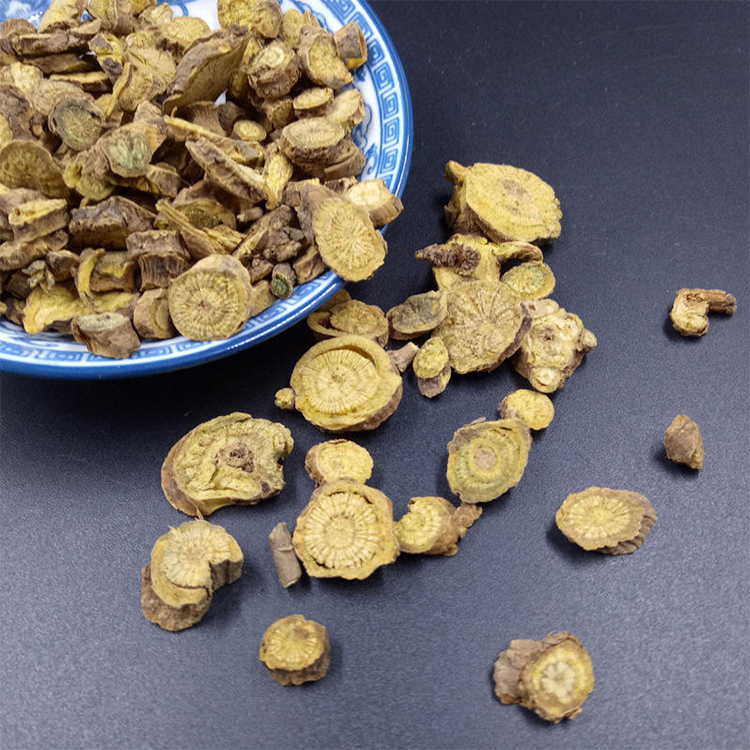
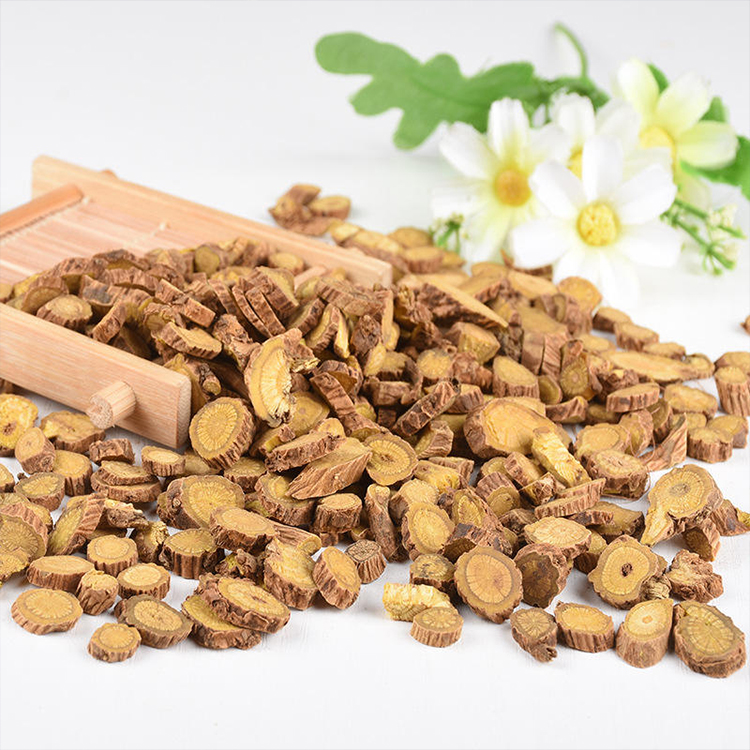
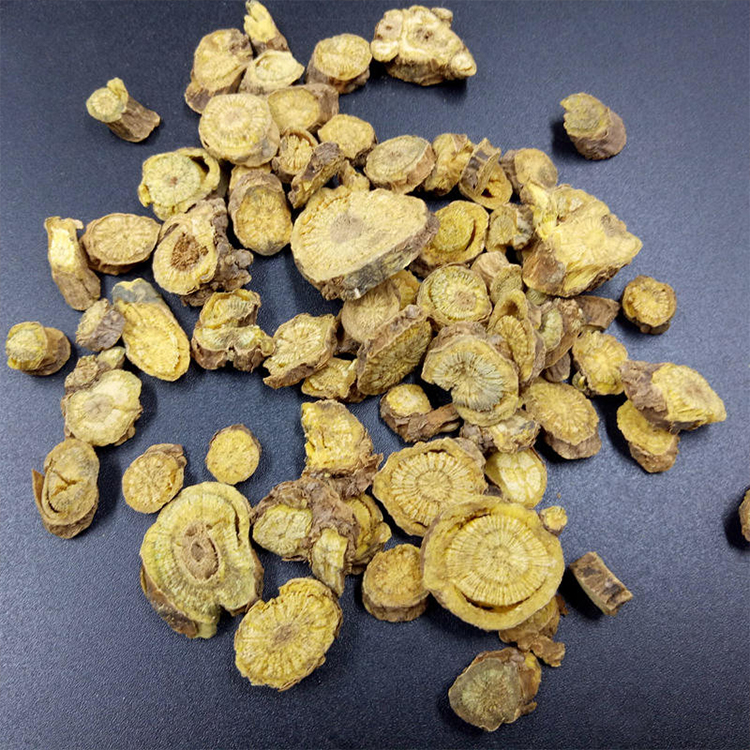
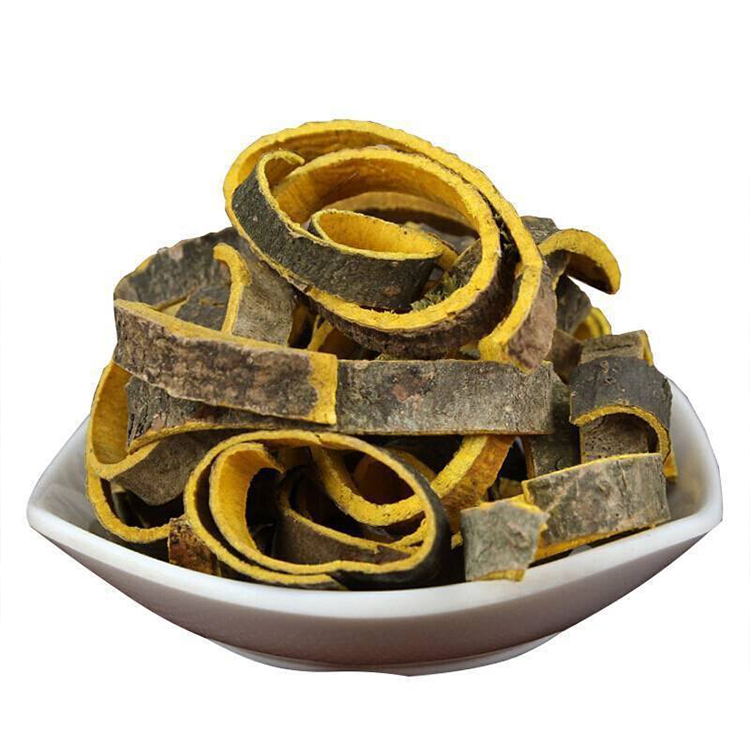
Dried root of Scutellaria baicalensis Georgi, family Lamiaceae, traded as Huang Qin or Scutellariae Radix.
The physical form must follow immediately:
Whole root
Cut root or flakes
Coarse-cut material
Powder
Standardized extract
Non-standardized dry extract
These are separate commercial materials. A specification written for slices cannot simply be copied onto an extract, and an extract specification tells us little about the cleanliness, cut distribution, or foreign matter of raw root.
A peer-reviewed DNA barcoding study indexed by the U.S. National Library of Medicine reported that dried roots of Scutellaria amoena, Scutellaria rehderiana, and Scutellaria viscidula had been used as substitutes or adulterants for Scutellaria baicalensis.
That evidence matters because processed roots can lose obvious field characteristics. Once the material is sliced, milled, blended, or extracted, visual identification becomes less reliable. Powder makes the problem worse.
Cheap powder is cheap for a reason.
Macroscopy may work for intact roots. Microscopy can support identification in powder. HPTLC or HPLC can assess the chemical profile. DNA methods can help resolve species questions, although heavily processed extracts may contain degraded or insufficient DNA.
No single technique answers every question. The sensible approach is orthogonal testing: use methods based on different scientific principles and compare whether they tell the same story.
Common name confusion is not a minor labeling error
A purchase order stating only “skullcap root” leaves several questions unanswered:
Which Scutellaria species?
Is the plant part definitely root?
Has fibrous material or non-root matter been removed?
Is the material raw, sliced, powdered, or extracted?
Which national or compendial standard governs release?
Which chemical markers are expected?
Which contaminants are included in the testing panel?
If a supplier answers those questions with “standard export quality,” I would stop the discussion.
That phrase means nothing.
Table of Contents
The Scutellaria Root Quality Standard Buyers Should Write
There is no universal commercial specification suitable for every buyer, market, and dosage form. A U.S. dietary supplement manufacturer, a European herbal tea company, a cosmetic extract producer, and a traditional decoction-piece distributor may all buy Huang Qin, but their release requirements can differ substantially.
Your specification must match the intended use.
The USP Chinese Skullcap Root Powder monograph, for example, defines the powder as dried roots of Scutellaria baicalensis Georgi and uses quantitative flavonoid requirements. It specifies not less than 11% total flavone glucuronides, calculated from baicalein 7-O-glucuronide and wogonin 7-O-glucuronide, and not more than 3.5% total flavone aglycones, calculated from baicalein and wogonin, on a dried basis.
Those chemical entities include:
Baicalein 7-O-glucuronide, commonly called baicalin: C₂₁H₁₈O₁₁
Wogonin 7-O-glucuronide, commonly called wogonoside: C₂₂H₂₀O₁₁
Baicalein: C₁₅H₁₀O₅
Wogonin: C₁₆H₁₂O₅
Do not copy those percentages blindly into every contract. The USP values concern a defined powder monograph. A raw sliced-root purchase may be governed by another pharmacopoeia, national rule, customer specification, or validated in-house standard.
The point is discipline: name the standard, edition, test method, units, and acceptance criteria.
Buyer specification table
Control point
Minimum buyer requirement
Evidence to request
Reject or investigate when
Botanical identity
Scutellaria baicalensis Georgi
Approved botanical reference, macroscopic or microscopic record, HPTLC/HPLC identity
Common name only, wrong species, unresolved mixed profile
Plant part
Root
Raw-material description, photographs, microscopy where appropriate
Validated HPLC method, standards, calculations, result
Result reported without basis, dry-weight correction, or method
Pesticides
Market-specific multi-residue panel and numeric limits
Compound list, method, LOQ, individual results
“Pesticide free” without panel scope or detection limits
Elemental contaminants
Lead, cadmium, arsenic, mercury, plus market-specific elements
ICP-MS or ICP-OES results with units and limits
Generic “heavy metals pass” statement
Microbiology
Product- and market-specific limits
Total counts and named pathogen results
No pathogen scope, copied values, expired test date
Mycotoxins
Risk-based aflatoxin or other mycotoxin testing
Method and individual toxin results
Mold history, humid storage, or no risk assessment
Sulfur dioxide
Test when sulfur treatment is possible or restricted
Processing declaration and analytical result
Unexplained pale color or sulfur odor
Packaging
Food-contact-compatible barrier system with lot identification
Packaging specification and label artwork
Unlined bags, weak seals, reused cartons, missing lot code
Storage
Defined temperature, humidity, pest, and segregation controls
Warehouse logs and stock-rotation procedure
Floor storage, open bags, odor exposure, visible condensation
COA integrity
Lot-specific numerical data with methods and approval
Signed COA tied to shipment lot
Template COA, unmatched lot number, results identical across lots
Retained sample
Representative sealed sample from released lot
Retention procedure and retention period
Supplier cannot reproduce or investigate the shipped lot
A serious factory should be able to connect these controls from incoming root to released material. The site’s guide to 15 raw-herb and sliced-product process controls is useful here because it links supplier approval, botanical identity, drying, cutting, contaminants, packaging, and traceability into one production sequence.
Moisture is not just a number
Buyers often ask for moisture and then ignore what happened before the test.
That is lazy procurement.
A compliant result measured immediately after drying does not prove the material remained controlled during storage, repacking, consolidation, or ocean freight. Hygroscopic botanical material can regain water. A container can experience temperature cycling. A poorly sealed inner liner can turn an acceptable lot into a mold investigation.
Ask for the following:
Drying endpoint and method
Time between drying and packing
Packaging barrier type
Warehouse temperature and humidity controls
Date of sampling
Date of testing
Date of final sealing
Container-loading conditions
Desiccant use, when appropriate
Procedure for damaged or opened bags
And ask who owns the decision when the arrival result differs from the pre-shipment COA.
Silence is an answer.
COAs Are Marketing Until the Supplier Is Qualified
A certificate of analysis can be technically accurate, carelessly assembled, deliberately misleading, or completely unrelated to the material in front of you.
The PDF does not know which bag was sampled.
For U.S. dietary supplement operations, 21 CFR 111.75 requires at least one appropriate test or examination to verify the identity of a dietary ingredient component, unless the FDA grants a specific exemption. Reliance on a supplier’s COA for other specifications also requires qualification of that supplier and confirmation that its testing is reliable.
This is where buyers fool themselves. They collect documents but never test whether the documents deserve trust.
The supplier-COA lesson is already in FDA enforcement records
In an April 21, 2022 FDA warning letter, the agency cited a company for relying on supplier COAs covering microbiology and heavy metals for several botanical ingredients without first establishing the reliability of those COAs through confirmation testing.
Scutellaria was not the named ingredient in that case. The procurement lesson still applies directly.
A supplier qualification program should establish:
Who collected the sample.
How the sample represented the lot.
Which laboratory performed the test.
Whether the laboratory was competent for that method.
Which reference standards were used.
Whether the method was compendial, validated, or verified.
Whether the reported limit matches the destination market.
Whether your own confirmation result agrees.
How often reconfirmation occurs.
What triggers disqualification.
A logo-heavy COA with no method identifiers, no limits of quantitation, no numerical contaminant results, and no laboratory address is not sophisticated documentation.
It is decoration.
Ask for raw evidence, not just the summary page
For higher-risk or higher-volume lots, request selected supporting records:
Chromatograms
Reference-standard details
Sample preparation
Dilution factors
Calculation basis
Moisture correction
Instrument sequence
Blank and control results
Laboratory accreditation scope
Chain-of-custody record
Out-of-specification investigation, when applicable
ISO/IEC 17025 accreditation can strengthen confidence, but buyers should check whether the relevant botanical, chemical, microbiological, or contaminant method falls within the laboratory’s actual accredited scope.
The certificate alone is not magic.
The same skepticism should be applied to a supplier’s broader factory claims. A useful starting point is this wholesale herbal material supplier qualification guide, but buyers should still request current certificates, issuing bodies, certificate numbers, covered sites, scope statements, and expiry dates.
Three Evidence Files Every Buyer Should Read
Procurement teams sometimes treat regulatory cases as somebody else’s problem. That is a mistake. Enforcement records show where ordinary commercial shortcuts eventually lead.
The finding does not mean every commercial Huang Qin lot is adulterated. It means species substitution is plausible enough to justify a defensible identity strategy.
My opinion is firm: a buyer purchasing powder at scale without a validated identity plan is not saving money. The buyer is merely delaying the invoice for failure.
2. The 2024 contaminant warning
In a September 13, 2024 FDA warning letter to Far East Summit LLC, FDA stated that botanical dietary ingredients are frequently at risk for heavy-metal, microbial, and pesticide contamination because of growing, harvesting, and processing conditions.
That sentence should be printed above every herbal purchasing desk.
Contamination risk is not eliminated because a plant is traditional, natural, organic, wild-collected, mountain-grown, or described as premium. Those are commercial descriptions. Contaminant control requires limits, sampling, methods, results, trending, investigation, and corrective action.
Natural is not analytical.
3. The Limbrel recall
On December 18, 2017, FDA requested the recall of all unexpired lots of Limbrel products after receiving 194 adverse-event reports between January 1, 2007 and November 9, 2017. The reports involved drug-induced liver injury, pancreatitis, and hypersensitivity pneumonitis. FDA anticipated a Class I recall and identified baicalin derived from Scutellaria baicalensis and catechin derived from Acacia catechu as primary ingredients in the products.
This case does not establish that ordinary Scutellaria root, or baicalin by itself, caused every reported event. The finished formulation, dosage, population, claims, and other ingredients matter. But it proves something buyers and brand owners often resist: botanical-derived ingredients can become part of a serious safety and enforcement file, and disease-positioning can transform a marketing problem into an unapproved-drug problem.
So control the claims too.
Do not let a purchasing guide, product page, label, distributor sheet, or influencer script promise treatment of hepatitis, cancer, infection, arthritis, liver disease, or other medical conditions unless the product has the lawful status and evidence required in the destination market.
How to Source Scutellaria Root Without Buying an Excuse
The strongest sourcing process is not complicated. It is simply harder to manipulate.
Step 1: Define the end use
State whether the material will be used in:
Traditional decoction pieces
Herbal tea
Dietary supplements
Extraction
Functional beverages
Cosmetics
Research
Further processing
Finished medicinal products
The use determines which tests, microbial limits, particle sizes, packaging systems, and regulatory documents matter.
Step 2: Fix the material identity
Write the complete description in the RFQ and purchase order:
Scutellaria root, dried root of Scutellaria baicalensis Georgi, Huang Qin, specified commercial form, no substitution permitted.
Do not allow the supplier to shorten it to “skullcap.”
Step 3: Issue the specification before requesting the final price
A naked price-per-kilogram quotation is nearly useless. It should be tied to:
Grade
Physical form
Cut or mesh
Assay basis
Contaminant panel
Packaging
MOQ
Incoterm
Lead time
Testing responsibility
Inspection point
Rejection rights
Replacement terms
The cheapest supplier under a loose specification can become the most expensive supplier after retesting, rework, demurrage, relabeling, destruction, replacement, or recall.
I would rather negotiate a harder specification than a softer price.
Step 4: Qualify the supplier
Request and verify:
Legal company name
Manufacturing-site address
Business and export licenses
Quality certificates and scopes
Organizational chart
Quality contact
Approved-supplier system
Traceability procedure
Cleaning and pest-control procedures
Change-control process
Deviation and CAPA process
Recall or withdrawal process
Recent audit evidence
Laboratory details
Subcontractor disclosure
A trader can still be useful, but the trader must disclose who manufactures, tests, stores, and releases the material. Hidden subcontracting destroys traceability.
Step 5: Approve a representative sample
A supplier may send a hand-selected sales sample that looks better than routine production.
Assume this possibility.
The sample approval should state whether the sample is:
A reference sample
A pre-shipment sample
A production-lot sample
A composite sample
A retained sample
A golden sample controlling future appearance
Photograph it, assign an internal code, seal it, record its weight, and preserve enough material for later comparison.
Step 6: Test independently
At minimum, match testing to the risk assessment and destination market. Common categories include:
Botanical identity
HPTLC or HPLC profile
Quantitative marker assay
Moisture
Foreign matter
Ash
Pesticides
Lead, cadmium, arsenic, and mercury
Microbiological quality
Named pathogens
Mycotoxins where relevant
Sulfur dioxide where relevant
The WHO good herbal processing guidelines call for documented specifications, chemical profiles, marker quantitation where applicable, defined limits for heavy metals and microbes, controls for residues, lot-specific certificates of analysis, clear labels, suitable storage, stability consideration, and retained samples.
That is not excessive paperwork. It is the evidence chain.
Step 7: Run a pilot lot
Do not jump from a 200-gram sample to a multi-ton annual agreement.
A pilot order shows how the supplier handles normal production, packing, documents, communication, shipping, and deviations. It also reveals whether cut distribution, extraction behavior, taste, color, filtration, and yield remain acceptable outside the sample room.
One clause matters more than buyers expect: no material, process, origin, laboratory, packaging, or specification change without written notice and approval.
Suppliers change things. Crops change. Laboratories change. Packaging changes. The contract must force those changes into view.
A Scutellaria Root Supplier Scorecard That Punishes Weak Evidence
The “best Scutellaria root suppliers” are not necessarily the companies with the best websites, lowest MOQs, longest certificate lists, or fastest replies.
The best supplier is the one that repeatedly ships conforming lots and produces reliable evidence when challenged.
This is my recommended scoring model. It is a procurement tool, not an official regulatory formula.
Written investigations, root-cause analysis, effective corrections, advance change notification
Commercial and logistics performance
5%
Accurate lead times, suitable MOQ, secure packing, document accuracy, responsive communication
Total
100%
Evidence beats promises
My decision bands are simple:
85–100: Approve, subject to ongoing verification
70–84: Conditional approval with defined corrective actions
55–69: Pilot only; no strategic dependence
Below 55: Reject
A supplier scoring 95 on price and responsiveness but 40 on identity and contaminants is not a bargain.
It is an uninsured liability.
FAQs
What is Scutellaria root?
Scutellaria root is the dried root of Scutellaria baicalensis Georgi, a Lamiaceae species traded as Huang Qin or Scutellariae Radix, and professional buyers should specify the Latin binomial, root plant part, physical form, applicable monograph, marker profile, contaminant limits, and batch-traceability requirements before accepting a quotation.
It should not be confused with American skullcap, Scutellaria lateriflora, which is commonly sold as aerial herb. Buyers should also distinguish whole root, sliced root, powder, and extract because each form requires different identity, physical, chemical, and contaminant controls.
How do buyers verify Huang Qin identity?
A buyer verifies Huang Qin by combining authenticated botanical reference material with macroscopic or microscopic examination, a chromatographic identity test such as HPTLC or HPLC, and, when substitution remains plausible, a validated DNA method, while ensuring that every result belongs to the same sampled lot offered for shipment.
The test strategy should reflect processing. DNA can be useful for raw roots and powders, while heavily processed extracts may require greater reliance on chemical fingerprints and marker profiles. An English common name or supplier statement is not an adequate identity test.
What tests belong in a Scutellaria root quality specification?
A commercial Scutellaria root specification should define identity, plant part, moisture, foreign matter, ash where applicable, chromatographic fingerprint, selected flavonoid markers, pesticides, elemental contaminants, microbiological limits, mycotoxins where risk-based, sulfur dioxide when relevant, packaging, storage, sampling rules, release authority, and the governing market standard.
The exact numerical limits should come from the applicable pharmacopoeia, regulation, product category, destination market, or validated buyer specification. “Complies,” “food grade,” and “pesticide free” are inadequate unless the supplier identifies the standard, method, test scope, result, units, and detection limits.
What is the difference between Chinese skullcap and American skullcap?
Chinese skullcap is Scutellaria baicalensis and is normally purchased for its dried root, whereas American skullcap is Scutellaria lateriflora and is commonly traded as aerial herb; the shared word “skullcap” does not make them interchangeable, chemically equivalent, or acceptable substitutes in a regulated formula or purchase specification.
A buyer should place the full Latin name and plant part on the RFQ, specification, purchase order, COA, packaging label, and internal material code. This simple discipline prevents many receiving, formulation, and labeling errors.
How do I choose the best bulk Scutellaria root supplier?
The best bulk Scutellaria root supplier is the supplier that can repeatedly match a written specification, prove botanical identity, trace each lot to origin, disclose processing and storage controls, support independent testing, investigate deviations, and deliver consistent commercial lots rather than merely sending an attractive sample and a generic certificate.
Assess technical evidence before price. Review confirmation-test history, contaminant panels, laboratory methods, certificate scope, change control, CAPA quality, retained samples, packaging, shipment performance, and the supplier’s willingness to disclose subcontractors.
Which documents should be approved before shipment?
Before shipment, a buyer should hold an approved specification, signed purchase order, supplier qualification file, origin and traceability records, representative pre-shipment sample, lot-specific COA, identity and contaminant results, packing list, label copy, manufacturing or processing statement, change-control agreement, and any market-specific customs, phytosanitary, allergen, or safety documents.
Every document should carry matching product names, lot numbers, quantities, dates, and legal company details. Resolve inconsistencies before loading, not after customs, laboratory testing, or receiving inspection exposes them.
Lock the Lot Before You Lock the Price
Do not begin by asking, “What is your lowest Scutellaria root price?”
Begin with the material identity, intended use, destination market, annual volume, physical form, marker expectations, contaminant limits, packaging, and independent-testing plan. Then request a representative sample, lot-specific documentation, and a quotation tied to the approved specification.
That sequence protects the buyer.
For Scutellaria root flakes, custom cuts, powders, testing documents, or bulk procurement, send the full technical requirement through the GuoCao herbal ingredient sourcing contact page. Ask for a quotation against your specification—not a generic grade—and require the proposed lot, COA scope, packaging, MOQ, Incoterm, and lead time to be stated in writing.
The hard truth is uncomplicated: you are not buying a yellow root.
Our low MOQ of 1 kg (2.2 lb) makes it easy to order Chinese herbal slices or wholesale Chinese medicine herbs. Private-label and bilingual labeling are also available.
Delivery Cycle & Support
We have a fast 7-day lead time. We provide free samples, COA reports, and technical support to help you bring high-quality bulk Chinese herbs to market.
Quality & Certifications
Our products are manufactured in a GMP-certified facility and meet ISO22000 standards. All Chinese herbs are third-party tested for heavy metals, pesticides, and microorganisms.