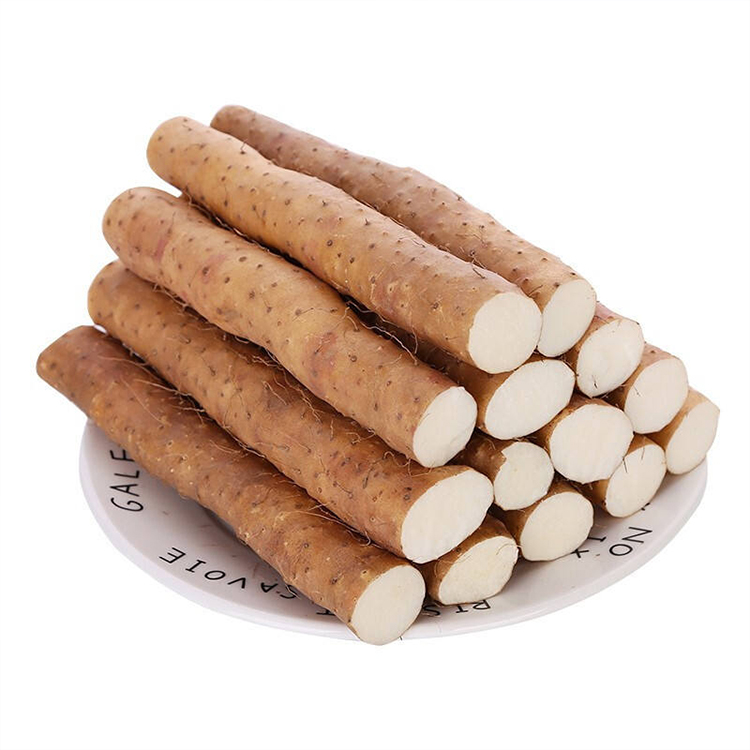
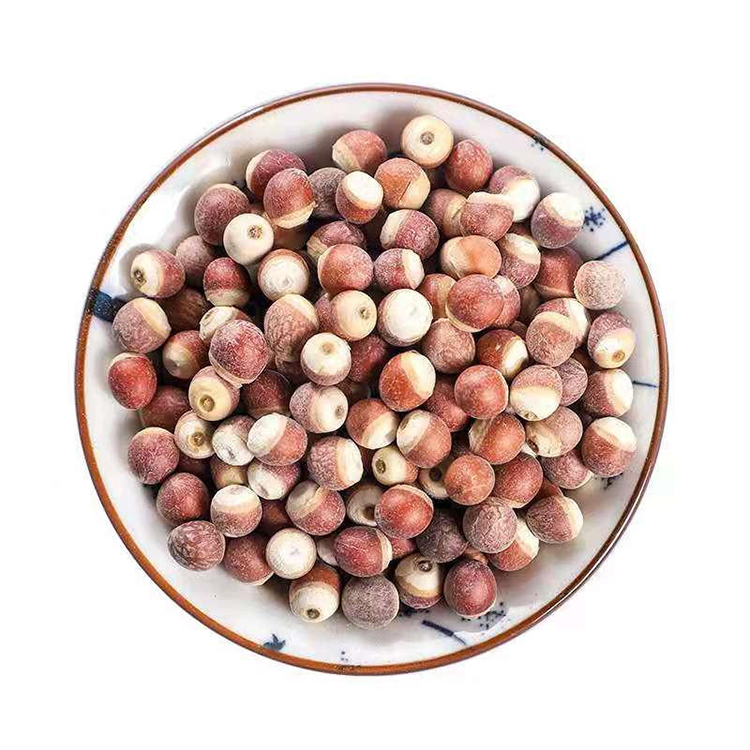
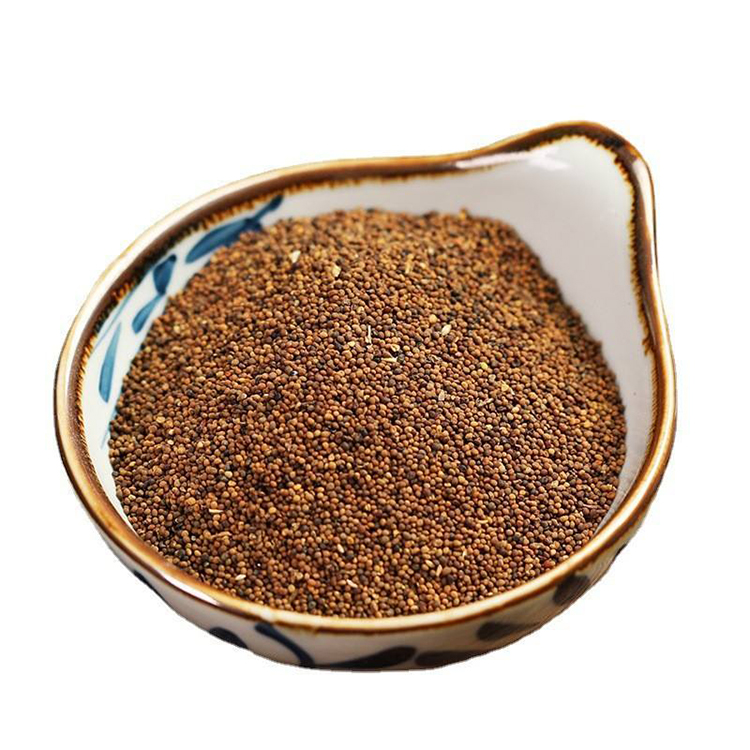
If you work in sports nutrition, you already know the annoying truth: recovery isn’t sexy. It’s sleep, carbs, protein, smart training load, and not doing dumb stuff on rest day.
So why do people keep asking for Astragalus (Huang Qi), Ginseng (Ren Shen / Xi Yang Shen), and Epimedium (Yin Yang Huo) in “recovery” products?
Because brands want a clean, traditional, story-friendly stack that still feels “functional.” And if you pick the right role for each herb (instead of tossing them together like a random salad), you can build formulas that make sense on paper and in the market.
I’ll walk you through how to do that—using real study angles, practical formulation logic, and supply-chain reality (because if your COA fails, your formula “benefits” don’t matter).
Sports Nutrition and Recovery
When people say “recovery,” they usually mean one (or more) of these:
Less soreness (DOMS) and faster return to baseline
Lower fatigue drag after hard sessions (especially endurance blocks)
More stable immune function when training volume spikes
Here’s the key: one formula can’t max out every target without getting messy. So your job is to pick a main lane and then stack support ingredients that don’t fight each other.
That’s where these three herbs can slot in nicely—if you’re honest about what the evidence actually says.
Astragalus membranaceus (Huang Qi) and VO2max
Astragalus shows up in sports talk mainly for aerobic support + fatigue resistance (plus the “training-heavy immune dip” angle).
Astragalus 4 g/day, 15 days: VO2max and time-to-exhaustion
A 2024 systematic review summarized a study in mountain hikers where 4 g/day for 15 days linked to:
VO2max rising 40.85 → 44.25 mL/kg/min
Post-exercise heart rate dropping 161 → 147 bpm
Time-to-exhaustion improving 820 ± 31 s vs 780 ± 28 s in control (Source: Antonelli et al., 2024, Encyclopedia/MDPI systematic review summary)
How I’d use this in positioning: Not “instant performance.” More like: supports aerobic engine + helps you feel less cooked after hard output.
A double-blind, placebo-controlled trial (n=11) looked at eccentric muscle damage and found astragaloside supplementation associated with:
Lower CK, LDH, myoglobin in early recovery days
Lower IL-6 and TNF-α
Higher IGF-1 early in recovery
Strength returning to baseline ~2 days earlier than placebo (Source: Yeh et al., 2022, Nutrients)
How I’d use this in formulation thinking: Astragalus (or astragaloside-standardized material) can sit in the “repair + inflammation timing” slot. It’s not a steroid vibe. It’s more “less downtime.”
Panax ginseng (Ren Shen) and resistance exercise-induced muscle damage (EIMD)
Ginseng is tricky because it’s famous, but sports outcomes are mixed.
Systematic review takeaway: not a reliable EIMD fix (yet)
A 2024 systematic review focused on resistance training muscle damage markers and concluded: Panax ginseng did not consistently attenuate EIMD markers across the included studies, and the evidence base is still limited. (Source: Morgans et al., 2024, Journal of Sports Medicine and Physical Fitness)
That doesn’t mean ginseng is useless. It means you shouldn’t build your entire “DOMS claims” story on it.
Better lane for ginseng:
Adaptation support (stress, perceived fatigue)
“Daily energy” without stimulant branding
Mental clarity angle (especially for active lifestyle, not just athletes)
And if you want a more “cooling” positioning, American ginseng (Xi Yang Shen) often fits better than the hot, punchy Ren Shen vibe.
A 2025 randomized cross-over placebo-controlled study on wild ginseng extract reported improvements in things like maintaining muscular power and supporting antioxidant/cortisol responses during a cycling + time trial protocol. (Source: Lee et al., 2025, MDPI)
How I’d use this: Not as “makes you stronger.” More as: helps you hold performance together when fatigue stacks up.
Epimedium (Yin Yang Huo), icariin, AMPK–PGC-1α, endurance
Epimedium is famous in sexual wellness, but in sports R&D it usually comes in through icariin and cellular energy signaling.
Icariin and mitochondrial biogenesis signaling (preclinical)
A 2024 paper in Food Bioscience reported icariin promoted endurance-related outcomes in mice and discussed the AMPK–PPARδ–PGC-1α pathway. (Source: Dong et al., 2024, Food Bioscience)
Reality check: that’s not a human RCT. It’s still useful for mechanism language (careful wording), not hard performance promises.
Icariin-zinc and exhaustive swimming time (animal model)
A 2021 rat study found an icariin-zinc complex prolonged exhaustive swimming time and increased plasma testosterone in that model. (Source: Zhang et al., 2021, Frontiers in Pharmacology)
How to use Epimedium in sports formulas without getting weird:
Keep it supporting, not leading
Aim for “vitality / drive / training motivation” language
Don’t make it all about libido (unless that’s your product lane)
Evidence Snapshot Table
Ingredient / Active
Study type
Dose / duration
What moved
Best use-case angle
Source
Astragalus (Huang Qi)
Systematic review summary of athlete studies
4 g/day, 15 days
VO2max ↑, post-ex HR ↓, time-to-exhaustion ↑
Endurance fatigue + “engine support”
Antonelli et al., 2024
Astragalosides
DBPC trial (n=11)
4 mg/day, 7 days
CK/LDH/Mb ↓, IL-6/TNF-α ↓, IGF-1 ↑, strength back sooner
DOMS + faster return
Yeh et al., 2022 (Nutrients)
Panax ginseng
Systematic review
various
No consistent EIMD marker reduction
Don’t oversell DOMS; use stress/energy lane
Morgans et al., 2024
Wild ginseng extract
Randomized cross-over
acute
Power maintenance, antioxidant/cortisol signals
Fatigue management + performance “hold”
Lee et al., 2025
Icariin (Epimedium)
Animal + mechanism
weeks
Endurance + mito signaling (AMPK/PGC-1α)
Mechanism language; secondary support
Dong et al., 2024
Icariin-zinc
Rat model
weeks
Exhaustive swim time ↑; testosterone ↑ (rats)
“Vitality” add-on, not main claim
Zhang et al., 2021
How to Combine Astragali Radix, Ginseng Radix, and Epimedii Folium in Formulas
Here’s the simple model I like: Base + Driver + Spark.
Base = Astragalus (Huang Qi): recovery foundation, immune + fatigue support
Driver = Ginseng (Ren Shen or Xi Yang Shen): day-to-day energy + adaptation tone
Spark = Epimedium (Yin Yang Huo): “vitality” edge, use lightly
Practical stack designs (no fluff)
Formula scenario
Astragalus (Huang Qi) role
Ginseng role
Epimedium role
Format ideas
Endurance block / high volume
Engine + fatigue buffer
Stress adaptation
Optional, low dose vitality note
Tea bags, RTM powder, capsules
Strength training + DOMS focus
Recovery marker storyline (astragalosides angle)
Support consistency, not DOMS claims
Optional, keep subtle
Capsules, stick packs
Functional beverage (non-stim)
“Daily support” base
Clean energy vibe
Tiny “drive” note
Tea bags, enzyme shot
If you’re building for mass retail, keep claims conservative. If you’re building for practitioner channels, you can go deeper on marker language (CK, IL-6, etc.) while staying compliant.
GMP, ISO 22000, third-party COA: recovery products still need boring controls
Sports buyers don’t just ask “does it work?” They ask:
Can you pass heavy metals and pesticide panel every lot?
Do you have micro limits locked down?
Do you have identity + active marker testing, not just “it looks right”?
Can you keep batch-to-batch consistency when demand jumps?
That’s why I like suppliers who talk about process control like ops people, not like poets.
GuoCao runs GMP production, works under an ISO 22000 food-safety system, and supports third-party COA per lot. You can see their manufacturing/product ecosystem here:
For sourcing teams, this is the part that prevents late-stage chaos. Because when a shipment gets held, your “recovery formula” turns into “out of stock” real fast.
Where GuoCao fits if you’re building a real SKU (not just a concept)
If you’re a supplement manufacturer, functional beverage brand, hospital buyer, or distributor, you usually want two things at the same time:
Specs that pass audits (COA clean, documentation ready)
A supplier who can scale and customize without losing control
GuoCao positions as a one-stop wholesale partner for Chinese medicinal herbs and spices, with OEM/ODM support and export-ready production. Useful links if you’re mapping products or sourcing routes:
And yeah—if you’re building a sports recovery drink line, the “herbal enzyme / postbiotic” format can be a smart route because it’s easier to sell as a daily habit. Not everyone wants another capsule. Some people just want a small bottle and move on.
Our low MOQ of 1 kg (2.2 lb) makes it easy to order Chinese herbal slices or wholesale Chinese medicine herbs. Private-label and bilingual labeling are also available.
Delivery Cycle & Support
We have a fast 7-day lead time. We provide free samples, COA reports, and technical support to help you bring high-quality bulk Chinese herbs to market.
Quality & Certifications
Our products are manufactured in a GMP-certified facility and meet ISO22000 standards. All Chinese herbs are third-party tested for heavy metals, pesticides, and microorganisms.