Mulberry Root Bark Sourcing: Peeling, Drying, and Storage Requirements
Mulberry Root Bark quality is determined long before the shipment reaches your warehouse. This guide explains how buyers should verify botanical identity, peeling completeness, drying records, moisture control, storage conditions, contaminant testing, and lot-level traceability when sourcing Sang Bai Pi in bulk.
When I evaluate Mulberry Root Bark, I do not treat peeling as a cosmetic step, drying as a vague promise, or storage as something the warehouse team can solve after arrival, because each stage can alter identity, composition, microbial stability, and the commercial usability of the final lot.
So why do buyers still approve it from photographs?
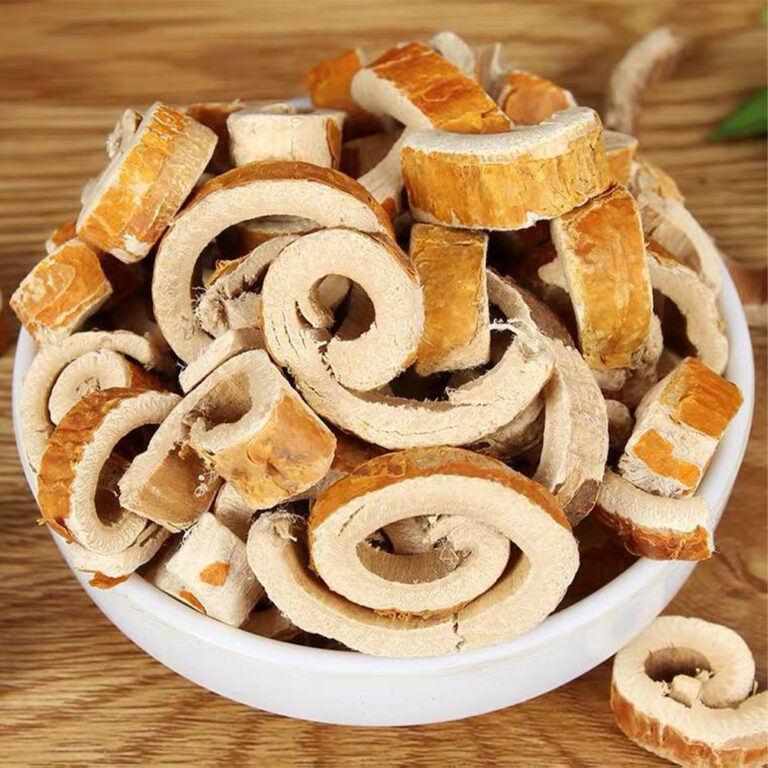
Mulberry Root Bark is commonly traded as Sang Bai Pi, Mori Cortex, Cortex Mori, White Mulberry Root Bark, or Morus alba Root Bark. Those names may appear interchangeable on quotations, but a professional specification must lock four facts together:
Botanical species: Morus alba L.
Plant family: Moraceae
Plant part: root bark
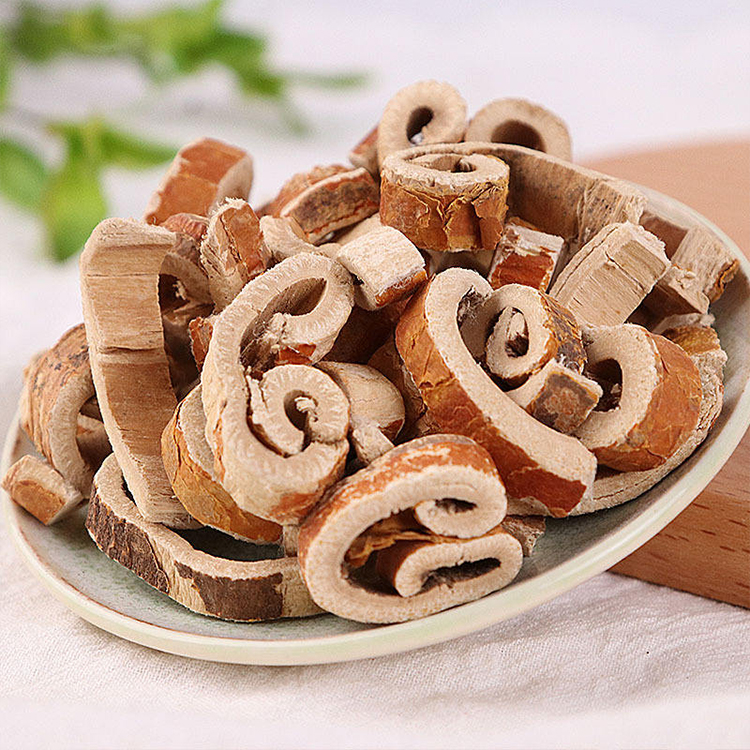
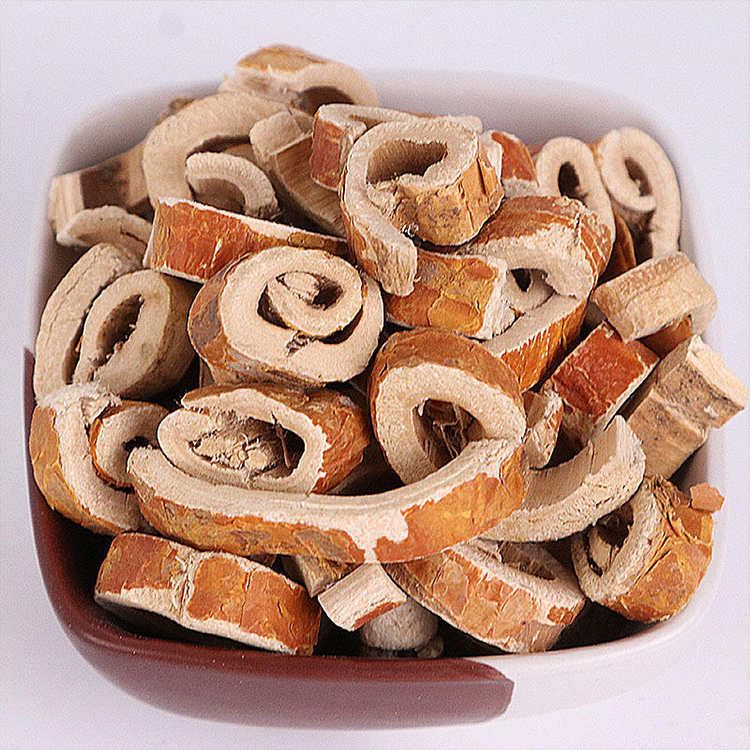
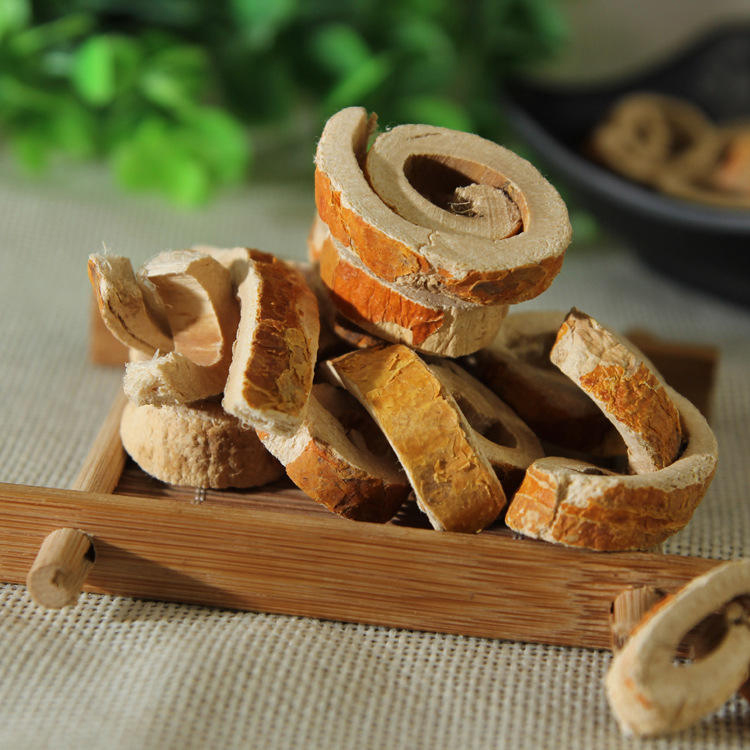
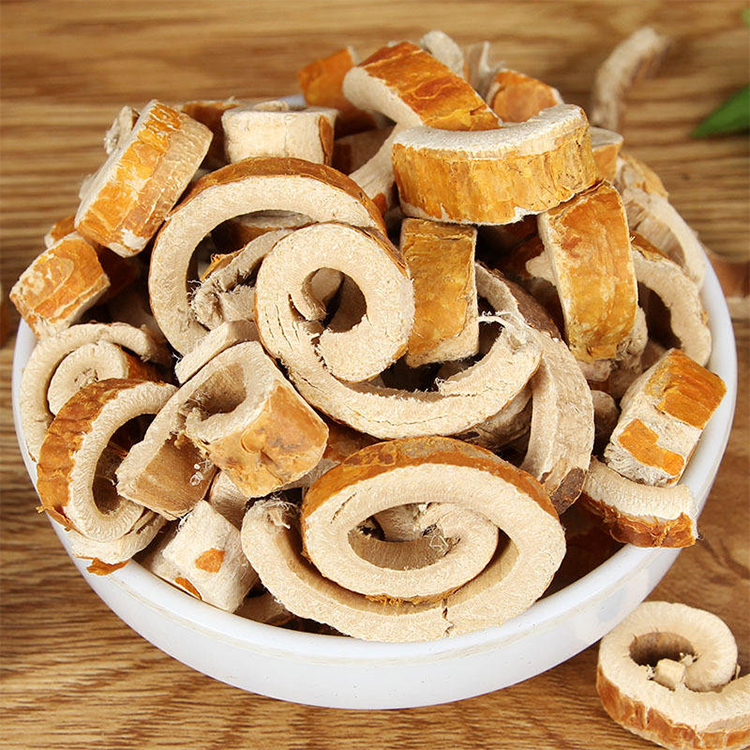
Processing state: outer corky phellem removed and material dried
The product is not simply bark cut from a mulberry tree. It is a defined herbal material whose identity depends partly on what has been removed.
That distinction is where serious sourcing begins.
Table of Contents
Mulberry Root Bark Is Defined by What Gets Removed
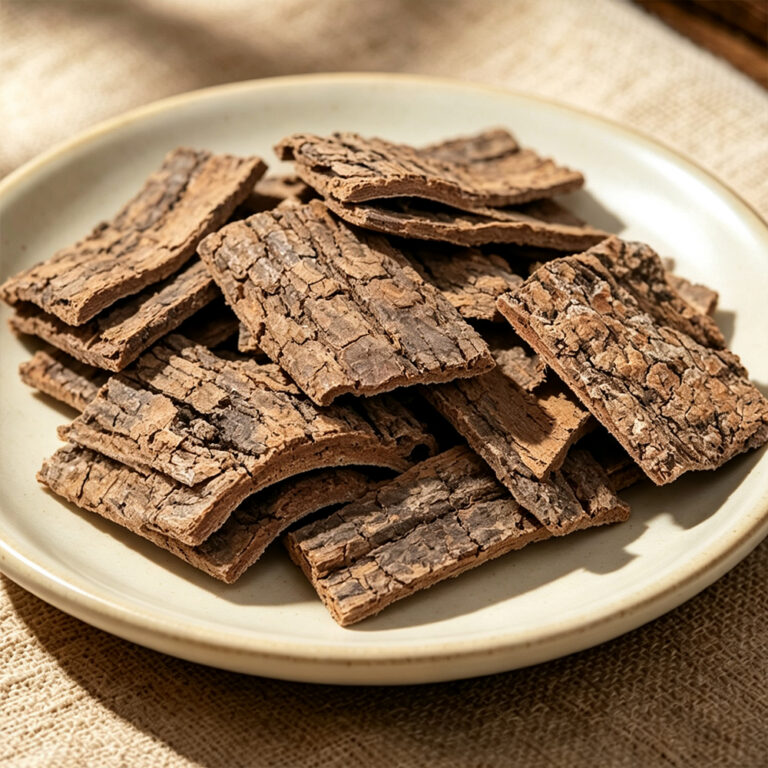
The modern commercial and pharmacopoeial description of Mori Cortex refers to the dried root bark of Morus alba L. after removal of the corky outer layer. Historical and modern processing research describes collection mainly from late autumn until the following spring, followed by soil removal, removal of fibrous roots, scraping of the yellow-brown rough outer skin, longitudinal splitting, peeling, and drying.
Here is the hard truth: a supplier showing pale, clean-looking bark has not proved correct peeling.
A 2021 HPLC-ESI-MS study compared unpeeled mulberry root bark, peeled Mori Cortex, and the separated phellem. Researchers identified 33 compounds in unpeeled root bark, 22 in peeled Mori Cortex, and 26 in the phellem layer. The study also measured seven major constituents across 13 batches.
After peeling, the measured contents of mulberroside A, chlorogenic acid, dihydromorin, and moracin O increased, while oxyresveratrol, kuwanon G, and kuwanon H decreased. The point is not that one profile was universally “better.” The point is that peeling materially changed the chemical profile.
That kills the argument that residual phellem is merely a visual defect.
A buyer should therefore define peeling quality through representative sampling, not one staged photograph. The inspection should check:
Residual yellow-brown or corky outer tissue
Remaining soil trapped in rough surfaces
Excessive removal of usable inner bark
Root wood still attached to the bark
Mixed peeled and unpeeled pieces
Evidence of artificial whitening or undisclosed treatment
I would also require a retained approved sample. Words such as “fully peeled” become far less slippery when the supplier and buyer are holding the same physical reference.
Color Alone Is Weak Evidence
Traditional quality descriptions often favor bark that is relatively white, thick, flexible, powdery when torn, and free from coarse outer skin. Those are useful sensory clues, but they are not substitutes for identity testing, peeling records, and chemical comparison.
A brilliant white lot can still be poorly documented. A naturally cream or pale yellow lot can still be authentic.
Do not buy color.
Buy controlled processing.
The Peeling, Drying, and Storage Specification I Would Sign
A usable purchasing specification must convert “good quality Sang Bai Pi” into observable requirements, test methods, records, and rejection rules.
Control Point
Requirement I Would Put in the Specification
Evidence Required Before Shipment
Red Flag
Botanical identity
Morus alba L., family Moraceae
Macroscopic and microscopic identity plus chromatographic fingerprint where required
Common name only
Plant part
Root bark, not stem bark or branch bark
Raw-material intake record and plant-part declaration
“Mulberry bark” with no plant part
Peeling
Corky phellem and yellow-brown rough outer tissue removed to an agreed visual standard
Processing record, lot photographs, composite sample
Mixed peeled and unpeeled material
Cleaning
Soil, stones, fibrous roots, wood and unrelated plant matter controlled
Foreign-matter result and incoming inspection record
Cleanliness assessed from one handful
Drying
Documented maximum temperature, duration, airflow, layer depth and drying endpoint
Batch drying record and water-content result
“Naturally dried” with no data
Water content
Comply with the named pharmacopoeial or buyer-approved limit
Lot-specific result close to shipment date
Old COA reused for a new shipment
Microbiology
Risk-based microbial panel suitable for intended use
Lot-linked test report
No testing because material “looks dry”
Chemical contaminants
Heavy metals, pesticide residues and other market-specific risks assessed
Method-specific COA from a qualified laboratory
Generic “passed” statement
Packaging
Clean, dry, food-contact-suitable packaging with adequate moisture protection
Packaging specification and material declaration
Reused fibre sacks with no cleaning record
Storage
Dry, pest-controlled, ventilated and environmentally monitored
Warehouse records and lot-location history
Bags stored directly on floor or against walls
Traceability
Raw lot to processed lot to cartons and shipment
Matching lot numbers across COA, labels and invoice
Supplier lot changes halfway through the paperwork
This is the same discipline described in the site’s guide to quality standards for Chinese herbal slices in international markets, which separates identity, moisture, contaminants, microbiology, storage, and traceability instead of hiding everything behind one “premium grade” label.
How to Dry Mulberry Root Bark Without Guesswork
There is no defensible universal drying temperature that fits every cut size, dryer design, climate, loading depth, and target market.
I distrust suppliers who answer “How do you dry it?” with one temperature but cannot provide airflow, duration, initial moisture, final water content, or the location of the temperature probe. A temperature number without the rest of the process is theatre.
The revised EMA Good Agricultural and Collection Practice guideline requires drying conditions to be selected according to the plant part and quality needs. For open-air drying, herbal material should be spread in a thin layer, raised above the ground, protected from rain and insects, and dried uniformly to reduce mold risk.
For Dried Mulberry Root Bark, I would require the manufacturer to record:
Loading condition: Fresh bark weight, cut or strip dimensions, and initial condition.
Drying equipment: Sun drying, shade drying, hot-air dryer, belt dryer, tray dryer, or another defined system.
Process parameters: Maximum product temperature, air temperature, drying duration, airflow or fan setting, tray depth, and turning frequency.
Drying endpoint: Water-content or loss-on-drying result, rather than “dry to the touch.”
Deviation history: Rain exposure, dryer shutdown, excessive loading, re-drying, or material held overnight.
Release timing: Moisture testing after equilibration and close enough to shipment that warehouse reabsorption has not made the result meaningless.
A thick strip and a thin strip may feel equally dry while carrying different internal moisture. The centre of a bundled piece may remain wetter than the exposed surface. And a shipment that passed moisture testing before spending six weeks in an uncontrolled warehouse may no longer match its COA.
The EMA specification guideline treats water content, foreign matter, ash, extractable matter, contaminants, identification, and microbial quality as formal specification elements. It also states that water-content acceptance criteria should follow the applicable pharmacopoeial monograph or be scientifically justified when no suitable monograph limit exists.
My purchasing rule is blunt: never copy a generic moisture limit from another bark herb and pretend it belongs to Sang Bai Pi.
Name the reference standard. Name the method. Test the actual lot.
The Best Way to Store Mulberry Root Bark
The best way to store Mulberry Root Bark is to prevent three events: moisture reabsorption, pest access, and cross-contamination.
That sounds elementary. Warehouses still get it wrong.
The 2025 EMA GACP guideline says packaged dried medicinal plants should be stored in dry, well-aerated buildings with controlled environmental conditions. In humid environments, airtight rooms, containers, or bags can be used to prevent unwanted moisture absorption, but the material must first be dried sufficiently to avoid mold during transport.
Warehouse Controls I Would Audit
No direct floor contact. Cartons or bags should be palletized, with enough clearance for cleaning, inspection, and airflow.
No wall contact. Exterior walls can create condensation zones and hidden pest routes.
Environmental monitoring. Temperature and relative humidity should be logged, reviewed, and linked to corrective actions rather than collected as decorative data.
Moisture-barrier packaging. Packaging must match the climate and transit route. A breathable sack may work in one controlled warehouse and fail badly in a humid ocean shipment.
Odor separation. Dried Mulberry Root Bark should not sit beside strongly aromatic spices, fumigants, cleaning chemicals, or materials with volatile oils.
Quarantine status. Received, sampled, approved, rejected, and returned lots must be physically and electronically distinguishable.
FEFO inventory control. First-expire, first-out is safer than relying only on the date the goods entered the warehouse.
Pest monitoring. Traps, trend records, inspection frequency, and escalation actions should be documented.
The site’s guide to drying and preservation techniques for herbal materials provides a broader reference for protecting dried herbs after processing, while its storage guidance connects environmental control with batch traceability and shelf-life management.
Keep a Retained Sample
This is cheap insurance.
The EMA GACP guideline recommends retaining a representative sample from every batch supplied to a medicinal-product buyer for three years so that reported deficiencies can be investigated later.
I would retain enough material for at least:
Visual and microscopic comparison
Repeat moisture testing
Chromatographic identity work
Contaminant investigation
Comparison with a customer complaint sample
The retained sample must carry the same lot identity as the cartons, COA, packing list, invoice, and shipment records. Otherwise, it is just an anonymous bag in a cabinet.
Evidence Beats the Supplier Brochure
A second study should make buyers uncomfortable.
Researchers used HPLC to measure seven active components across 58 batches of Mori Australis Cortex and Mori Cortex. The method achieved linearity of at least (r \geq 0.9990), while precision, 24-hour stability, repeatability, durability, and recovery tests had relative standard deviations below 3%.
The average mulberroside A content reported for Mori Cortex was 22.995 mg/g. Average chlorogenic acid was 2.486 mg/g, astragalin 2.438 mg/g, kaempferol 2.916 mg/g, morusin 4.158 mg/g, and isoquercetin 1.264 mg/g.
I would not copy those research averages directly into a commercial specification. Different origins, harvests, methods, and intended markets can produce different defensible limits.
But the study proves something procurement teams often ignore: lot variation is measurable, and botanical identity cannot be managed by common name alone.
Contaminants Are Not a Theoretical Problem
Mulberry Root Bark buyers should not assume that peeling and drying control every risk. Soil-associated materials may also require market-specific testing for lead, cadmium, arsenic, mercury, pesticide residues, microorganisms, mycotoxins, sulfites, or other hazards identified by a formal risk assessment.
In November 2021, the FDA published a recall of Angelicae Sinensis after routine sampling detected elevated lead and cadmium. No illnesses had been reported, but the product still entered recall because contaminated herbal material is a regulatory and commercial failure before it becomes a medical event.
Different herb. Same lesson.
A COA is not administrative decoration. It is part of the release decision.
What a Mulberry Root Bark Supplier Should Send
Before approving a commercial lot, I would request one consolidated release package containing:
Product specification with Morus alba L., root bark, and peeled processing state.
Supplier and processing-lot numbers.
Harvest location and collection period.
Cleaning and phellem-removal record.
Drying method, maximum temperature, duration, and final water-content result.
Macroscopic, microscopic, and chromatographic identity evidence where applicable.
Foreign matter, ash, extractive, contaminant, and microbiological results required by the target market.
Packaging-material specification.
Storage and transport instructions.
Certificate of Analysis tied to the cartons being shipped.
Representative pre-shipment sample.
Retained-sample confirmation.
Certificate of origin, phytosanitary document, and other destination-specific paperwork where required.
Mulberry Root Bark is the dried root bark of Morus alba L., traded as Sang Bai Pi, Mori Cortex, Cortex Mori, or White Mulberry Root Bark, with the outer corky phellem removed before final drying and commercial grading for herbal, decoction-piece, extract, or formulation use.
A correct purchase specification should state the botanical species, Moraceae family, root-bark plant part, peeled processing status, cut form, intended market, analytical standard, packaging, and lot-level testing requirements.
Why must the phellem be removed from Sang Bai Pi?
The phellem must be removed because recognised Mori Cortex identity is tied to peeled root bark, and a 13-batch HPLC study showed that peeling changed the measured levels of seven major compounds rather than merely improving the appearance, color, or cleanliness of the finished material.
Buyers should define acceptable residual outer bark, inspect a representative composite sample, and require batch records showing how peeling was performed and verified.
How should Mulberry Root Bark be dried?
Mulberry Root Bark should be dried under a documented, validated regime that controls maximum temperature, duration, airflow, layer depth, weather exposure, and final water content while preventing contact with soil, rain, insects, smoke, exhaust, and uneven wet pockets that could support mold.
Natural drying should use thin, evenly exposed layers raised above the ground, while mechanical drying should be supported by recorded parameters and a tested endpoint rather than a fixed temperature copied from another herb.
What is the best way to store Mulberry Root Bark?
The best way to store dried Mulberry Root Bark is in clean, dry, pest-controlled, well-aerated storage with controlled environmental conditions, using moisture-barrier or airtight packaging in humid climates only after the bark is sufficiently dried and every lot has been coded, monitored, and retained.
Keep bags or cartons off floors and walls, segregate them from strong odors and chemicals, monitor environmental trends, use FEFO inventory control, and recheck moisture when storage or transit conditions could have changed the lot.
What documents should a Mulberry Root Bark supplier provide?
A qualified Mulberry Root Bark supplier should provide a lot-specific specification, botanical identity evidence, harvest and peeling records, drying parameters, water-content results, contaminant testing, microbiological data, packaging details, storage conditions, Certificate of Analysis, traceability map, and a retained reference sample linked to the shipment.
Export buyers may also require a certificate of origin, phytosanitary certificate, packing list, invoice, customs codes, treatment declarations, laboratory accreditation details, and destination-market compliance documents.
Qualify Your Mulberry Root Bark Before You Negotiate Volume
Do not begin with the lowest price per kilogram.
Begin with a recent lot number, a complete specification, peeling photographs, drying records, a lot-specific COA, and a representative sample. Compare the sample with the approved commercial standard. Then test it independently.
For bulk Sang Bai Pi, custom cutting, packaging, or repeat supply, submit your target specification through the Mulberry Root Bark supplier page and request evidence for one real production lot.
The supplier that answers the uncomfortable technical questions clearly is usually worth more than the supplier offering the comfortable price.
Our low MOQ of 1 kg (2.2 lb) makes it easy to order Chinese herbal slices or wholesale Chinese medicine herbs. Private-label and bilingual labeling are also available.
Delivery Cycle & Support
We have a fast 7-day lead time. We provide free samples, COA reports, and technical support to help you bring high-quality bulk Chinese herbs to market.
Quality & Certifications
Our products are manufactured in a GMP-certified facility and meet ISO22000 standards. All Chinese herbs are third-party tested for heavy metals, pesticides, and microorganisms.