Rehmannia Root Sourcing: Raw vs Prepared Material Considerations
Rehmannia Root sourcing is not a straightforward "raw versus ready" choice. The actual issue is whether your supplier can verify agricultural identification, refining control, residue conformity, and set traceability prior to the material enters your formulation, warehouse, or export pipeline.
I do not care how brightened a vendor’s sales brochure looks if they can not tell me whether the Rehmannia Root is raw Sheng Di Huang, dried Rehmanniae Radix, or refined Shu Di Huang with batch-level documents, because that one difference modifications moisture danger, sensory account, removal behavior, and regulative direct exposure downstream. Why do customers still treat it like one generic brownish root?
That is the hard fact in Rehmannia Root sourcing: the marketplace discusses tradition, but shipments fail on documents, deposits, sulfur dioxide, heavy metals, microbial counts, and careless processing documents.
For customers comparing raw Rehmannia root and ready Rehmannia root, the initial quit should be herb quality. The business material comes from Rehmannia glutinosa, frequently related to Sheng Di Huang in its raw/dried kind and Shu Di Huang in its ready kind. On the supplier side, GuoCao lists Rehmannia Root (Sheng Di Huang) as Rehmannia glutinosa, with the common name Rehmannia Root and the Western pen names Chinese foxglove. That is useful, but it is only the opening line of the investigation.
Table of Contents
The Market Trouble Nobody Wants to Claim Out Loud
The majority of poor Rehmannia acquisitions do not look negative initially.
They smell acceptable. They picture well. The carton labels look clean enough. Once a lab starts asking awful inquiries– types identification, sulfur dioxide, lead, cadmium, arsenic, mercury, aflatoxins, overall plate matter, yeast and mold and mildew, pesticide residues– the romance passes away rapidly.
I have a blunt guideline for this group: if the material is black, sticky, and affordable, I assume nothing until the vendor verifies every little thing.
The FDA has actually made the same point in its very own completely dry regulatory language. In a 2024 warning letter, the company stated that herb nutritional components are regularly in jeopardy for hefty steel, microbial, and chemical contamination because of growing, harvesting, and handling variables. That was not composed particularly for Rehmannia Root, however any serious herb purchaser should review it as a caution flare for origin and root materials.
And this is not academic. The FDA’s 2024 cinnamon lead alert reported raised lead levels ranging from 2.03 to 3.4 ppm in specific ground cinnamon products, a suggestion that imported botanical assets can come to be compliance calamities also when the active ingredient is common, acquainted, and widely traded.
So what makes Rehmannia Root special?
It beings in a tough corner of the supply chain: origin crop, high dampness level of sensitivity, origin-sensitive chemistry, and in the ready kind, added handling intricacy. The more steps a product experiences, the more possibilities there are for quality drift, substitution, microbial development, undeclared handling aids, or easy human negligence.
Raw Rehmannia Root: Sheng Di Huang Is Not “Unrefined Simpleness”
Raw sounds more secure.
It is not.
Raw Rehmannia Root, frequently sold as Sheng Di Huang or dried Rehmanniae Radix, is typically valued for its identification as a root material rather than a heavily changed processed component. But resources still has the timeless root-crop issues: dirt get in touch with, microbial load, drying control, storage moisture, pesticide background, and farm-level traceability.
The smart purchaser asks for evidence at three levels: agricultural verification, farming beginning, and post-harvest handling.
If you are sourcing with a specialized origin category, GuoCao’s origin and rhizome Chinese medicinal materials web page is contextually relevant due to the fact that Rehmannia belongs inside that higher-risk team of below ground botanicals. Roots and roots typically lug extra soil, more microbial danger, and more post-harvest taking care of variant than fallen leave or blossom materials. That does not make them poor. It makes them ruthless.
Right here is where I get opinionated: I prefer to purchase a somewhat less lovely raw Rehmannia Root with complete traceability than a glossy set without ranch beginning, no harvest day, and a recycled COA design template.
Pretty samples lie.
For raw Rehmannia Root sourcing, the purchaser ought to check:
Latin name: Rehmannia glutinosa
Pinyin name: Sheng Di Huang
Component made use of: origin
Form: whole, cut, sliced, or dried out root
Wetness target and actual examination result
Macroscopic and tiny identification
HPTLC, TLC, or DNA screening where appropriate
Heavy metals: Pb, Cd, As, Hg
Chemical deposit panel
Microbial limits
Aflatoxins where danger account requires
Sulfur dioxide if drying or conservation history is uncertain
Country and region of beginning
Set number, harvest day, production date, and retest day
Do deny “Rehmannia Root” as a name. Acquire a recorded batch.
Prepared Rehmannia Root: Shu Di Huang Carries A Lot More Handling Danger
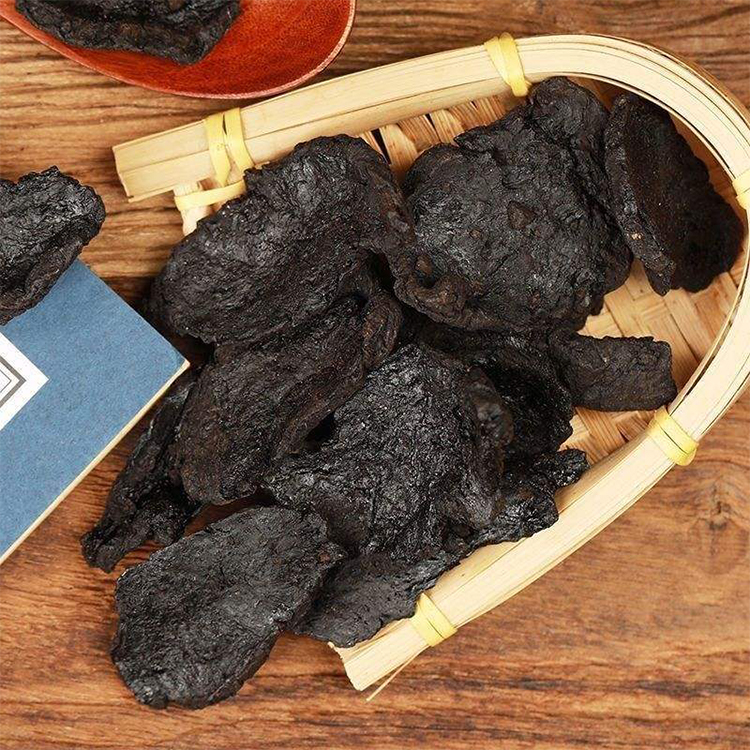
Prepared Rehmannia root is a various animal.
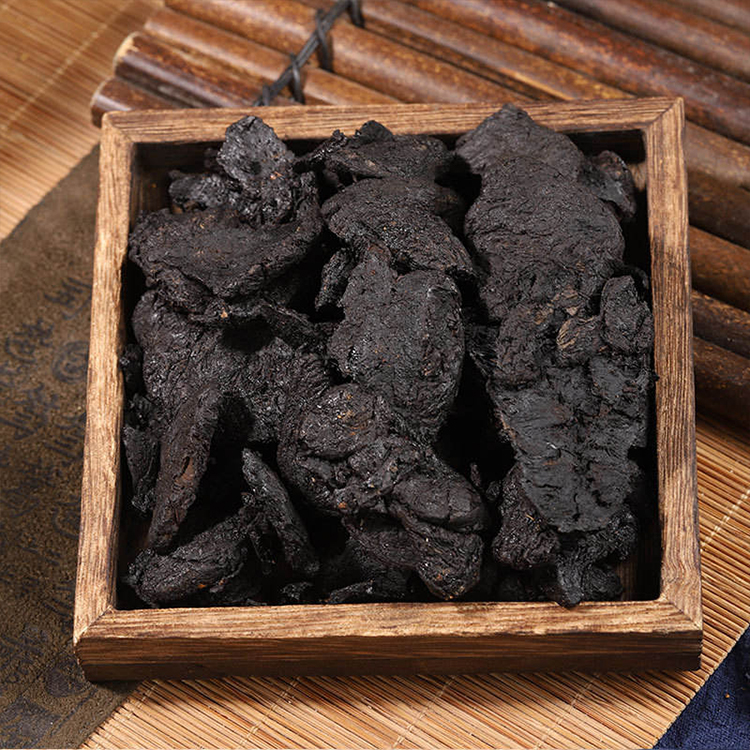
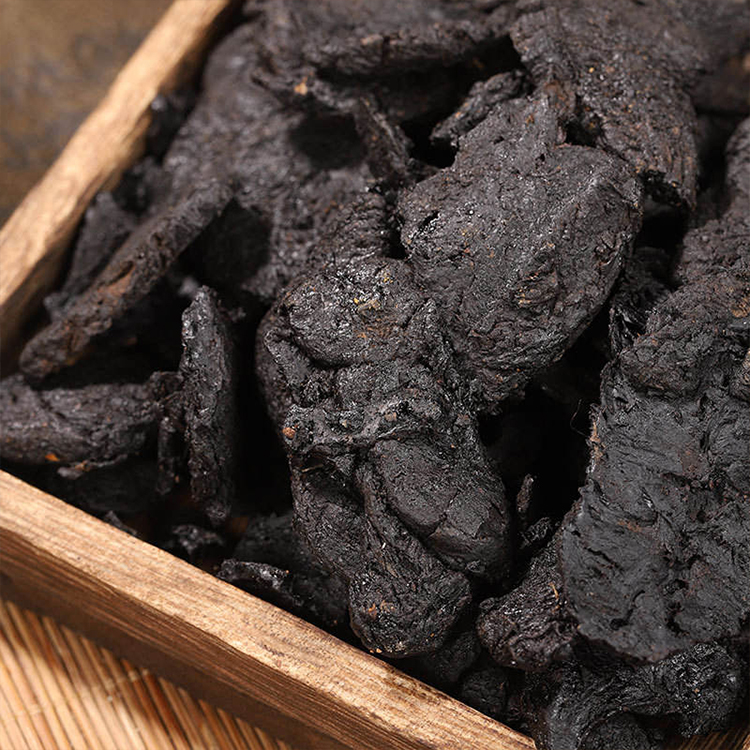
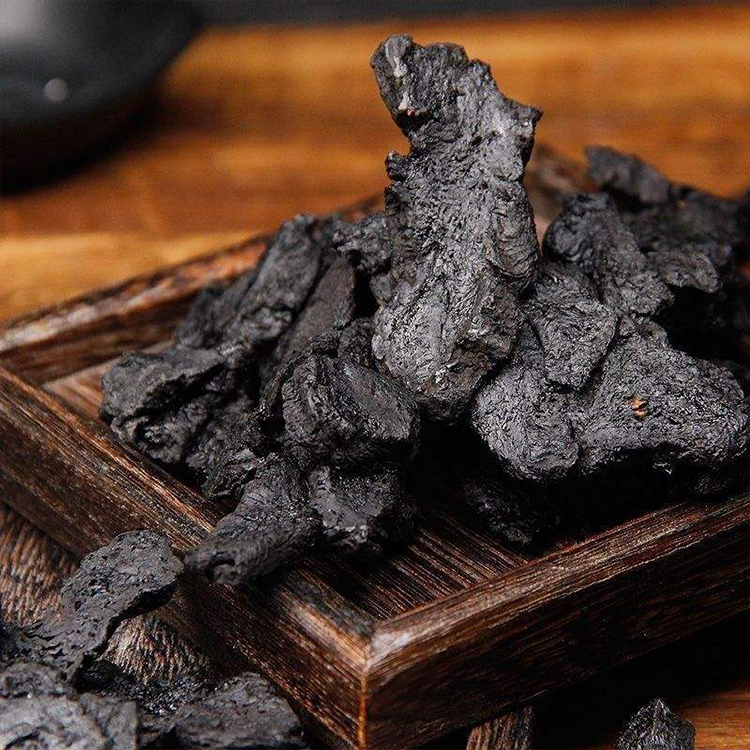
Shu Di Huang is not just resources in darker clothing; it is Rehmannia that has been transformed via steaming, drying out, and frequently wine-assisted handling customs, which can change the chemical finger print, appearance, sweet taste, color, and essence efficiency of the finished herb.
That is why ready Rehmannia root should be sourced as a refined ingredient, not an asset root.
A PubMed-indexed research on typical processing reported that Rehmannia Root is typically refined via duplicated cycles of rice white wine immersing, steaming, and drying before professional usage. The study used proton NMR and FT-MS to analyze metabolite changes during processing. You can evaluate the abstract below: Standard processing highly impacts metabolite structure in Rehmannia glutinosa origins.
Handling adjustments chemistry. No surprise there.
However the commercial effect is ruthless: two suppliers can both use “ready Rehmannia Root” while selling materially different ingredients. One might use regulated steaming and drying out. An additional might utilize faster way warmth therapy, irregular moisture removal, or inadequately documented white wine processing. Theoretically, both state Shu Di Huang. In manufacturing, they are not the exact same active ingredient.
Springer’s 2023 research on heavy steam handling of Rehmannia glutinosa demonstrated how temperature influences compounds such as catalpol and verbascoside, with 120 ° C highlighted in the research’s handling findings.
This is where the sourcing conversation requires to end up being uncomfortable. If a provider can not provide a processing flow sheet, time-temperature record, and finished-batch test information, they are not marketing you a controlled Shu Di Huang component. They are selling you a story.
Raw vs Prepared Rehmannia Root: Buyer’s Contrast Table
Sourcing Element
Raw Rehmannia Root/ Sheng Di Huang
Prepared Rehmannia Root/ Shu Di Huang
Core identification
Dried or raw-form Rehmannia glutinosa root
Refined Rehmannia glutinosa origin, normally steamed and dried
Brands requiring raw/dried origin identity and simpler processing chain
Brands needing traditional ready material with regulated processing proof
Red flag
Affordable product with vague origin and no residue panel
Sticky black product without any handling document or microbial data
Hard concern to ask
“Which farm region and harvest lot does this batch originated from?”
“Show me the steaming, drying, and finished-batch moisture documents.”
The Origin Question: Henan, Chemistry, and the Misconception of “Same Plant, Very Same Product”
Beginning issues.
One distributor might deal with beginning as a sales design, but major purchasers know that geography can shift chemistry, return, morphology, and supply integrity. With Rehmannia glutinosa, this is not just mythology dressed up as procurement language.
A 2026 Frontiers in Plant Scientific research paper reported that geographical origin affected medical high quality through coordinated molecular changes, and the chemical evaluation located distinctive build-up patterns of crucial bioactive compounds, specifically higher acteoside material in roots from Henan.
That does not imply every buyer must require Henan material for every single solution. It does mean “origin: China” is insufficient.
Ask for district. Ask for growing base. Request for harvest year. Ask whether the batch is single-origin or mixed throughout regions. And if the distributor goes peaceful, you have your solution.
The ISO side is additionally moving in the instructions of tighter standardization. ISO lists ISO 9109:2024, “Typical Chinese medicine– Rehmannia glutinosa origin,” under its Conventional Chinese Medicine brochure. That conventional puts on dried out Rehmannia glutinosa origin in worldwide profession, while fresh and processed kinds are omitted in the listing description readily available via requirements brochures.
That exemption issues. It informs purchasers not to lazily transfer dried-root assumptions onto prepared Shu Di Huang.
COA Theater: The Paper Looks Tidy Up Until You Read It
The majority of COAs are not fake.
They are worse: they are incomplete.
A distributor can send a COA with a batch number, a moisture outcome, and a few hefty steels, and many purchasers will call it a day. I would not. For Rehmannia root high quality requirements, the COA has to match the desired market, formulation type, and governing threat.
As an example, if the finished product is a tea, essence, pill, granule, or drink component, the test assumptions may differ. If the product is entering the united state, EU, UK, Australia, GCC, or Southeast Eastern market, chemical residue reasoning and impurity limits might vary. If the product is organic, wild-crafted, or traditionally farmed, audit assumptions vary again.
This is why common COA review is weak sourcing.
Use GuoCao’s wider wholesale Chinese organic and flavors brochure to map relevant products, then match each item category to its very own danger profile. Rehmannia Root need to not be examined like a dried out blossom. It should be assessed like a soil-contact medicinal origin with processing-sensitive chemistry.
A severe Rehmannia COA ought to consist of, at minimum:
Organic identity verification
Set number and manufacturing date
Wetness
Ash, where applicable
Heavy metals: lead, cadmium, arsenic, mercury
Chemical residue screening
Microbial limits
Yeast and mold
Salmonella and E. coli
Sulfur dioxide
Aflatoxins when required
Processing affirmation for Shu Di Huang
Storage conditions
Retest day
Laboratory name, technique referrals, and signature
Yet do not stop at the COA. Request the raw information when the order is big sufficient. Request for chromatograms. Ask who carried out the examination. Ask whether the laboratory is inner, third-party, ISO/IEC 17025 recognized, or simply “companion lab” without any name.
That a person expression– partner lab– has actually hidden a great deal of nonsense.
Provider Due Diligence: What I Would Certainly Ask Before Paying a Down payment
I would not begin with cost.
I would start with control.
For bulk sourcing, the useful question is not “Just how much per kilo?” The beneficial question is “What can go wrong with this batch, and can this supplier show they understand just how to stop it?”
GuoCao mentions that its procedure includes GMP-certified production lines, ISO 22000 food-safety standards, custom slicing, work degrees, multilingual labeling, and bulk-order flexibility. If you are examining formulation-specific needs, the custom Chinese natural seasoning services web page fits naturally right into the sourcing conversation since Rehmannia Root buyers typically require a defined cut size, wetness target, packaging layout, or private-label specification.
Below is my buyer-side checklist:
1. Ask for the specific kind
Do you require raw Rehmannia root, dried Rehmannia root, Rehmannia pieces, or ready Rehmannia Root? Do not allow the provider response with a poetic summary. Pressure a business specification.
2. Request processing records
For Shu Di Huang, demand the processing method, steaming temperature level, drying out problems, variety of cycles if appropriate, wine-processing statement if made use of, and completed wetness range.
3. Request for batch-level pictures
A tidy product picture suggests little. Ask for pictures of the specific set: entire carton, internal bag, close-up piece, tag, and range referral.
4. Request third-party screening
Interior screening serves for process control. It is not nearly enough for high-risk export orders. For larger orders, demand third-party COA confirmation for heavy steels, pesticides, microbial limits, and sulfur dioxide.
5. Ask for preserve examples
If there is a problem, you require a preserved sample. Without it, everyone says from memory.
6. Ask about product packaging
Prepared Rehmannia root can be sticky and moisture-sensitive. Packaging has to handle clumping, oxidation, smell transfer, and mold threat. Vacuum packaging, food-grade inner liners, dampness barriers, and carton honesty are not aesthetic details.
For buyers needing supplier history, GuoCao’s worldwide herbal task instances page works inner assistance due to the fact that it speaks to bulk collaborations and customized product job, not simply single-item catalogue surfing.
Warning I Would Not Neglect
Some warning signs look tiny.
They are not.
If a provider supplies raw and prepared Rehmannia Root at almost the very same cost, ask why. Prepared material takes handling time, labor, energy, yield loss, and quality assurance. If there is no cost difference, a person might be pressing truth.
If a provider can not explain Sheng Di Huang versus Shu Di Huang, walk away.
If the COA has no set number, walk away faster.
If the product is incredibly damp, sticky, sour-smelling, or irregularly blackened, quarantine it before it touches production supply. Prepared Rehmannia should be dark and rich, yes, yet there is a line between appropriately processed and microbiologically dubious.
If the vendor states, “No consumer has ever asked for that examination,” do not be humiliated. Be dubious.
The safety and security literary works is not gentle here. An evaluation in PMC on typical Chinese medication security surveillance talks about contamination, deterioration, and quality-control troubles in Chinese natural medication prep work. It deserves reviewing if your purchasing team still believes this is only a pricing workout: Security security of typical Chinese medicine.
My Difficult Position: Prepared Material Demands a Higher Bar
I trust raw Rehmannia Root much faster than prepared Rehmannia root.
Not since raw is instantly much better. It is not. I trust it much faster because there are less human decisions hidden inside the product. With ready Shu Di Huang, the provider’s process becomes part of the ingredient. That implies your audit needs to examine both the plant and the kitchen area, in a manner of speaking.
For raw Rehmannia root, the core concern is: Was this correctly identified, appropriately dried out, easily kept, and examined against the right contaminants?
For ready Rehmannia root, the question ends up being: Was this properly determined, effectively refined, continually changed, safely dried out, easily saved, and tested against the best impurities?
That is a much longer sentence since it is a longer danger chain.
Customers seeking basic procurement solutions can make use of the bulk Chinese natural herbs and flavors frequently asked question as a sensible interior link for MOQ, examples, customization, and service expectations. But for Rehmannia, I would still add a custom-made spec sheet. Never ever let a basic FAQ replace a batch-specific standard.
FAQs
What is the difference between raw Rehmannia Root and ready Rehmannia Root?
Raw Rehmannia Root, often called Sheng Di Huang, is dried out or minimally processed Rehmannia glutinosa root, while ready Rehmannia Root, typically called Shu Di Huang, is changed with steaming, drying out, and occasionally wine-assisted handling that alters its shade, appearance, wetness profile, and chemical finger print. The purchaser must treat them as various business materials, not interchangeable versions of the exact same component.
In sourcing terms, raw material needs solid beginning, drying, and residue control. Prepared material demands every one of that plus processing recognition, microbial control, and wetness monitoring.
Exactly how do you source Rehmannia root safely for bulk orders?
Safe Rehmannia Root sourcing means buying a specified set of verified Rehmannia glutinosa root with documented origin, harvest data, processing condition, moisture outcome, pollutant screening, microbial restrictions, product packaging controls, and a COA that matches the customer’s destination market and product layout. The procedure should start with a created requirements, not a cost demand.
For huge orders, request for pre-shipment samples, third-party testing, container images, preserve samples, and clear claims language. If the product will be utilized in supplements, teas, essences, or functional beverages, examination demands ought to be evaluated prior to deposit settlement.
What top quality requirements matter most for Rehmannia glutinosa root?
One of the most essential Rehmannia glutinosa root top quality requirements are botanical identification, set traceability, wetness control, contaminant limits, microbial restrictions, pesticide deposit compliance, sulfur dioxide condition, and handling documentation for prepared Shu Di Huang. Chemical markers such as catalpol, acteoside/verbascoside, and 5-HMF might likewise help review handling consistency.
No solitary examination shows high quality on its own. A clean heavy-metal outcome does not show right handling. An herb ID outcome does not confirm appropriate microbial status. Genuine quality assurance is layered.
Is Shu Di Huang the same as Sheng Di Huang?
Shu Di Huang is not the same as Sheng Di Huang; both come from Rehmannia glutinosa, but Sheng Di Huang describes raw or dried Rehmannia root, while Shu Di Huang refers to prepared Rehmannia Root that has actually undertaken heat-based processing that transforms its physical and chemical account. The names ought to never ever be utilized loosely on order.
This matters since solution habits, sensory account, water task, remove return, and regulative documentation may differ. A buyer requesting Shu Di Huang need to request for processing records, not just an item image.
Why does beginning issue when buying Rehmannia Root?
Beginning issues in Rehmannia Root sourcing since location can affect plant chemistry, growing problems, harvest high quality, dirt direct exposure, local processing routines, and the possibility of consistent supply. A set labeled just as “China origin” is less informative than a batch linked to province, farm base, harvest period, and manufacturing lot.
For significant purchase, ask whether the batch is single-origin or combined. Mixing is not automatically poor, but unrevealed blending makes quality contrast nearly impossible.
Last Ideas: Make the Provider Prove the Root
Rehmannia root sourcing is not a vocabulary test.
It is a control test.
If you are getting raw Rehmannia root, need proof of identification, beginning, drying out high quality, and residue security. If you are purchasing ready Rehmannia root, increase bench: need processing documents, dampness control, microbial data, and evidence that Shu Di Huang is being made regularly as opposed to cosmetically darkened and pressed right into containers.
My guidance is simple: before your following bulk order, construct a one-page Rehmannia spec sheet covering kind, beginning, handling status, testing needs, packaging, labeling, and retain-sample policy. After that send it to the vendor before asking for cost.
Our low MOQ of 1 kg (2.2 lb) makes it easy to order Chinese herbal slices or wholesale Chinese medicine herbs. Private-label and bilingual labeling are also available.
Delivery Cycle & Support
We have a fast 7-day lead time. We provide free samples, COA reports, and technical support to help you bring high-quality bulk Chinese herbs to market.
Quality & Certifications
Our products are manufactured in a GMP-certified facility and meet ISO22000 standards. All Chinese herbs are third-party tested for heavy metals, pesticides, and microorganisms.