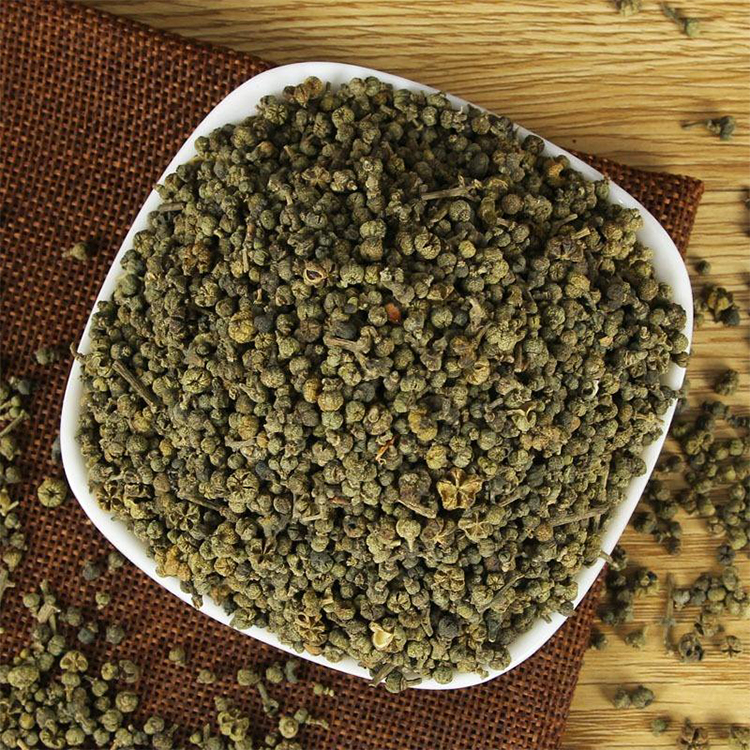
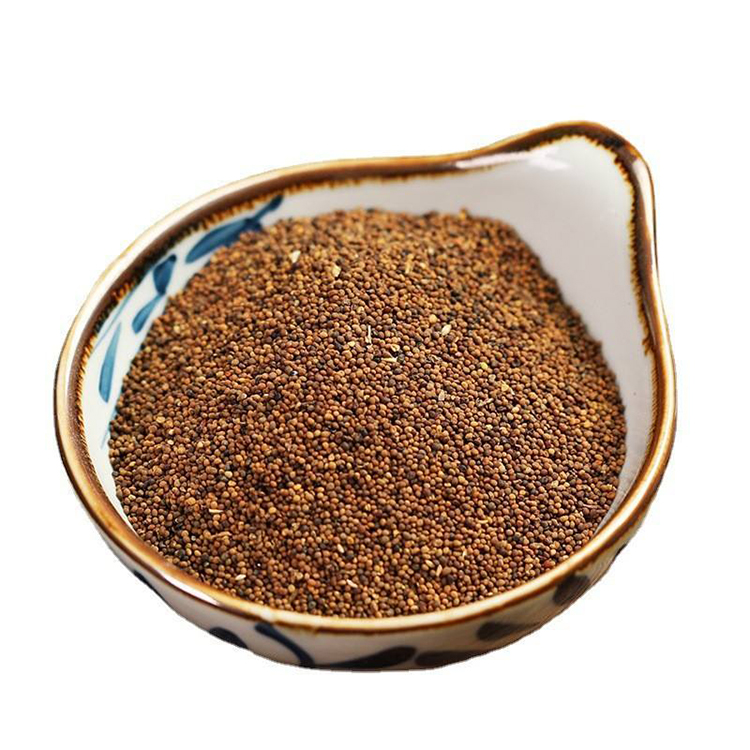
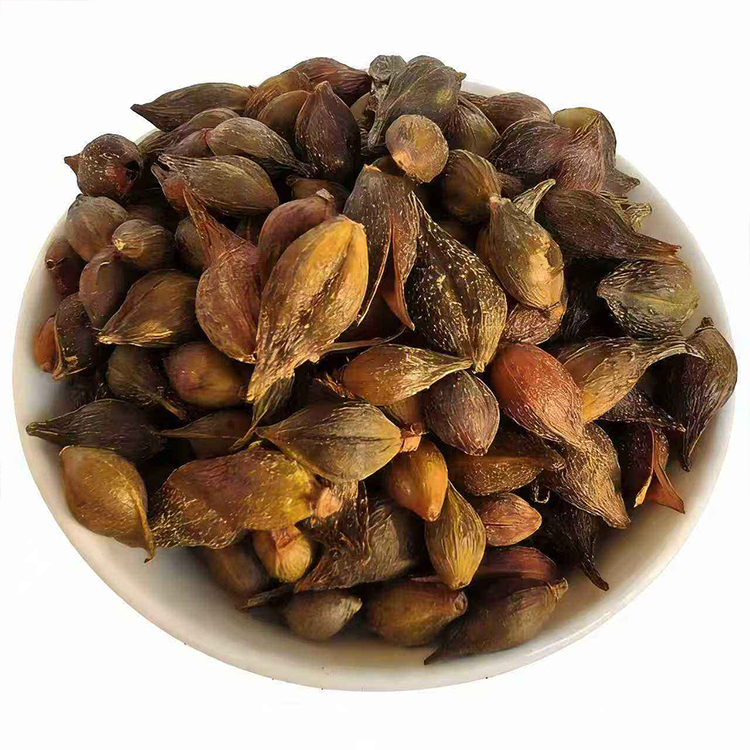
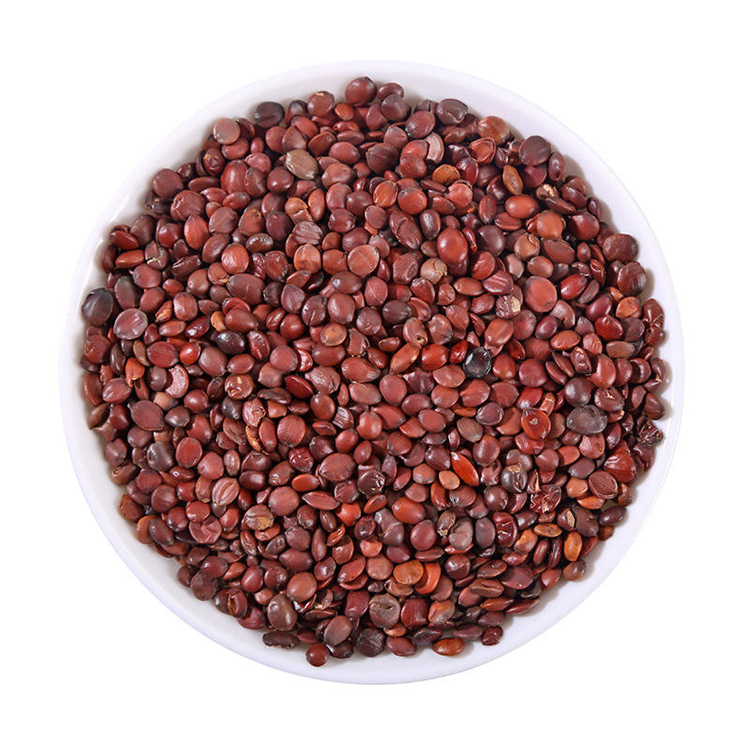
Evodia Fruit Procurement Guide: Potency, Bitterness, and Supplier Control
Evodia Fruit is not a commodity that should be purchased by color, bitterness, or price alone. This procurement guide explains how professional buyers should verify Wu Zhu Yu identity, potency, processing, contamination risks, and supplier control before approving a bulk lot.
A shipment of Evodia Fruit can look dark, smell forceful, taste aggressively bitter, and still fail the commercial questions that matter: Is it the approved botanical source, was it harvested at the right stage, does the lot meet its marker specification, and can the supplier prove where it came from?
So why do buyers still approve it by photograph?
Evodia Fruit, also traded as Wu Zhu Yu or Euodiae Fructus, is not a simple dried fruit. It is a chemically active herbal material with several accepted historical source names, marked variation between harvest periods, a strong sensory profile, and documented toxicity concerns that make casual procurement especially reckless.
I take a hard position here: a bitter sample is not a potency certificate, and a polished COA is not proof of supplier control.
Professional procurement begins with identity. It continues with an agreed specification. It ends only when the commercial shipment matches the approved sample and the evidence survives review.
Table of Contents
The Name Problem Comes Before the Quality Problem
The first purchasing risk appears before a laboratory ever touches the sample.
“Evodia Fruit” is a commercial name. “Wu Zhu Yu” is the Chinese materia medica name. “Euodiae Fructus” is the pharmacopoeial drug name. Meanwhile, Evodia rutaecarpa, Euodia ruticarpa, and Tetradium ruticarpum may appear across specifications, research papers, customs documents, catalogs, and certificates.
These names are not interchangeable without explanation.
The Royal Botanic Gardens, Kew, treats Tetradium ruticarpum (A.Juss.) T.G.Hartley as the accepted botanical name and lists Euodia ruticarpa as a synonym in its Plants of the World Online taxonomic record. Pharmacopoeial and commercial documents, however, often retain older Evodia or Euodia terminology.
That creates a paperwork trap.
A buyer may receive:
A quotation for Evodia Fruit
A specification naming Evodia rutaecarpa
A COA stating Euodiae Fructus
A shipping document stating Wu Zhu Yu
A botanical database using Tetradium ruticarpum
All five may refer to the intended material, but only if the supplier has formally reconciled the names.
My rule is simple: the specification should state the accepted botanical name, recognized pharmacopoeial synonyms, plant family, plant part, drug name, processing form, and country or region of origin. “Latin name: Euodiae Fructus” is incomplete because Euodiae Fructus is a drug name, not a full binomial botanical identity.
Buyers reviewing the available bulk Evodia Fruit product specification should therefore use the product page as the start of an inquiry, not the end of botanical verification.
Identity Evidence I Would Request
A serious identity file should contain:
Full botanical name and documented synonyms
Rutaceae family confirmation
Dried, nearly ripe fruit as the declared plant part
Macroscopic photographs of the approved lot
Microscopic or chromatographic identity results
Harvest location and harvest period
Raw or processed status
Reference method and acceptance criteria
Voucher or authenticated reference sample where the application demands it
Lot-specific confirmation rather than a generic species brochure
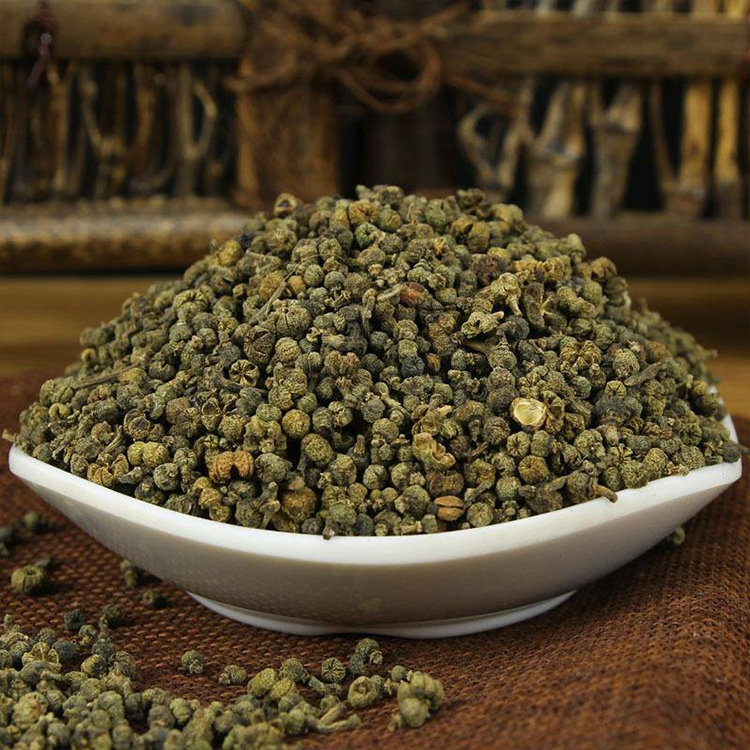
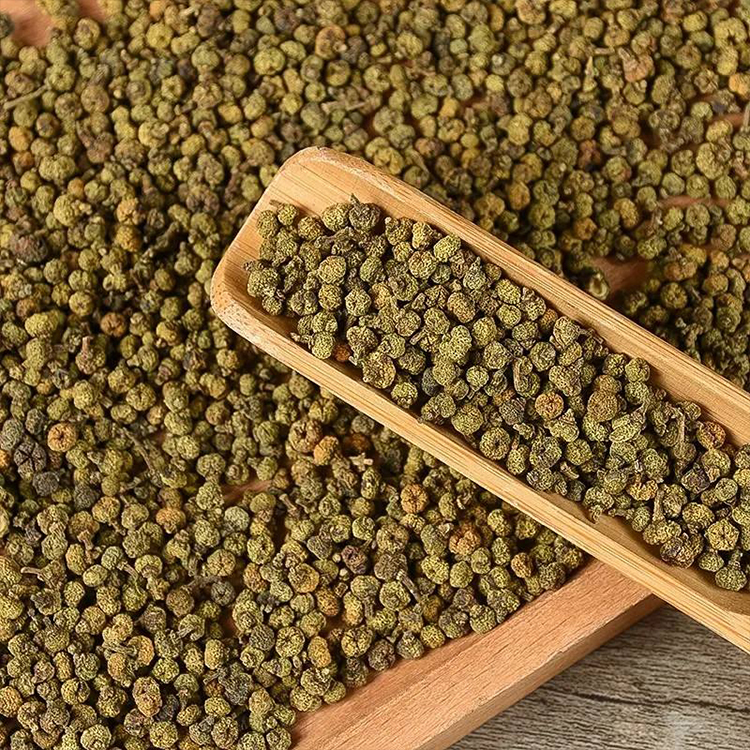
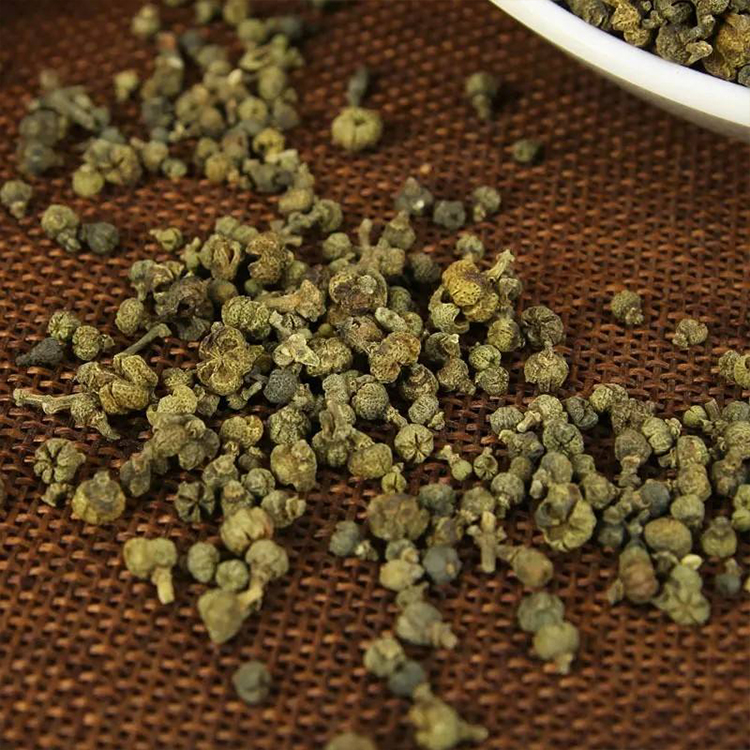
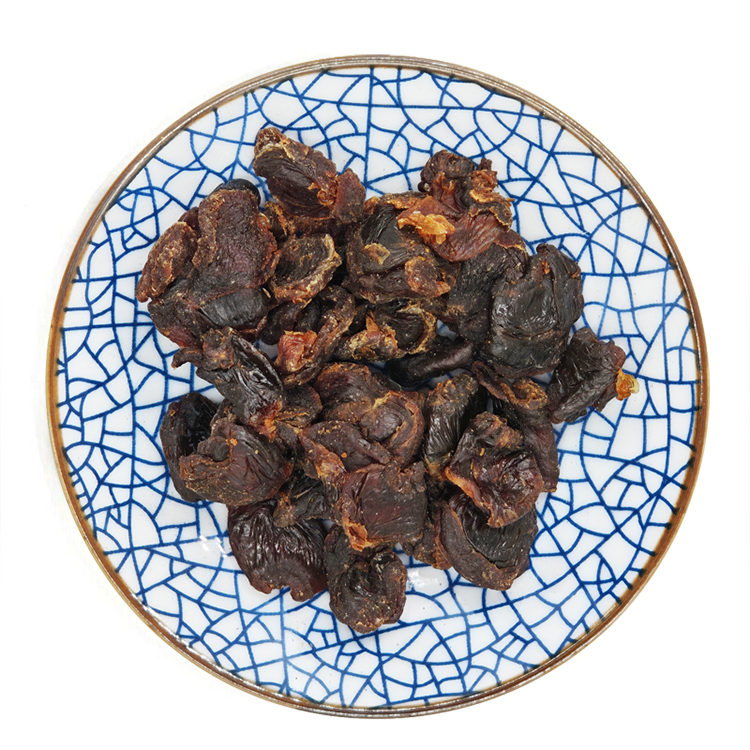
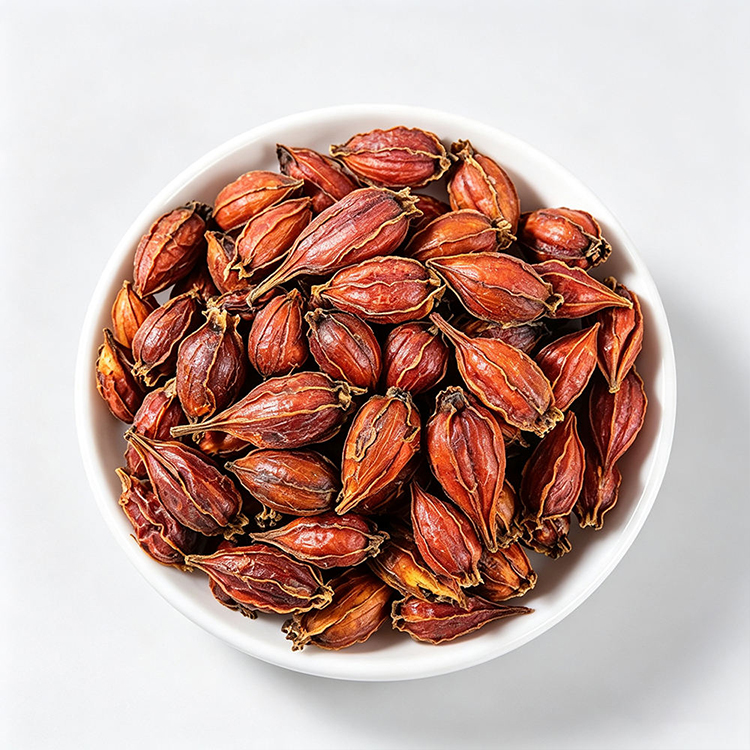
The Hong Kong Department of Health’s Fructus Evodiae identification guide documents practical microscopic features including oil-secretory cavities, exocarp cells, mesocarp cells, calcium oxalate crystals, and stone cells. Its separate Fructus Evodiae comparison guide highlights macroscopic features such as the five-pointed fissure at the apex and dotted protuberances or oil spots on the surface.
This matters because identity is not established by a supplier writing the correct name in Excel.
Identity must be demonstrated.
Potency Starts With Harvest Timing, Not the Final COA
Buyers frequently ask for “high evodiamine content” as though potency were a setting that the laboratory turns up after production.
It is not.
Potency begins in the field, where species, genetics, location, climate, fruit maturity, harvest date, drying conditions, storage duration, and processing method influence the chemical profile before the supplier creates a certificate.
A 2025 study on growth and harvest timing found that the optimal collection point for immature E. officinalis fruit was approximately two weeks after flowering, when the fruit combined higher weight and active-ingredient content without having dehisced. The study measured seasonal changes in evodiamine and rutaecarpine rather than assuming every harvest was chemically equivalent. Buyers can review the full harvest-timing study in the National Library of Medicine archive.
That finding should not be blindly converted into a universal two-week purchasing rule for every source species. It does prove something more useful: harvest timing can materially alter commercial quality.
Yet many COAs state only:
Product name
Batch number
Moisture
Ash
“Conforms”
No harvest date. No maturity stage. No chromatogram. No explanation of the test method.
That is documentation theater.
The Pharmacopoeial Marker Baseline
According to reviews summarizing the 2020 Chinese Pharmacopoeia requirements, Euodiae Fructus should contain:
Not less than 0.15% combined evodiamine and rutaecarpine
Not less than 0.20% limonin
The HPLC method described in the literature uses detection at 225 nm. The broader chemistry, processing, safety, and quality-control discussion is available in the 2025 Frontiers in Pharmacology review of Euodiae Fructus.
These values provide a defensible reference point. They are not permission to copy two numbers into every global specification.
The applicable pharmacopoeia, product classification, processing form, destination country, dosage form, customer agreement, and regulatory route still control the final acceptance limits. A food ingredient, dietary supplement component, traditional medicine ingredient, extract feedstock, and pharmaceutical raw material may require different documentation and release logic.
What an Assay Report Should Actually Show
For evodiamine content and related marker testing, I would ask for:
Test method name and version
Sample preparation procedure
Instrument type
Column details
Reference-standard source and purity
Detection wavelength
Individual evodiamine result
Individual rutaecarpine result
Combined result
Limonin result
Units stated clearly as percentage or mg/g
Chromatogram for the supplied lot
System-suitability evidence
Analyst and reviewer approval
Testing date
Laboratory identity
Accreditation scope where third-party testing is claimed
A one-line “evodiamine: pass” result is not quantitative evidence.
And “tested by HPLC” is not a method.
Evodia Fruit Bitterness Is a Clue, Not a Release Test
Evodia Fruit should not taste mild and anonymous. Its traditional sensory description is pungent, bitter, aromatic, and warming, and a weak or stale sensory profile can signal ageing, poor storage, over-processing, dilution, or a mismatched material.
But bitterness creates false confidence.
Very bitter material is not automatically more potent. A buyer cannot taste a sample and calculate combined evodiamine and rutaecarpine content. Nor can a purchasing manager detect pesticide residues, lead, arsenic, aflatoxins, pathogenic microorganisms, or sulfur-treatment problems by chewing one fruit.
Still, sensory review has value when it is controlled.
How I Would Standardize a Sensory Check
Instead of writing “strong bitterness” in an email, define a comparative procedure:
Use an authenticated retained reference
Use the same sample weight
Use the same grinding or whole-fruit form
Use the same water temperature and extraction time if an infusion is assessed
Compare aroma, pungency, bitterness onset, bitterness persistence, stale notes, smoke notes, mold notes, and foreign odors
Record the result against an approved sensory range
Keep photographs and retained samples
Investigate major deviation before release
The point is not to turn purchasing staff into human chromatographs.
The point is to detect change.
A new lot that is dramatically weaker, sharper, smokier, mustier, or chemically different from the approved reference deserves investigation even when its basic COA values pass.
Raw and Processed Material Must Not Be Mixed in One Specification
Processing can change sensory character and chemical composition.
Euodiae Fructus may be supplied raw or processed, including traditional processing associated with licorice preparations. Research reviews note that processing can reduce toxicity, while also changing constituent profiles. That makes “processed Wu Zhu Yu” a material definition, not a marketing adjective.
Your specification should answer:
Is the product raw or processed?
What processing method was used?
What processing aids were used?
What is the material-to-processing-aid ratio?
What temperature and duration were applied?
Is the assay specification applied before or after processing?
Are processing records traceable to the finished lot?
Could the process introduce allergens, undeclared ingredients, or residues?
Do not approve a raw sample and receive processed commercial stock. Do not approve processed material without knowing how the processing was controlled.
The Procurement Specification That Separates Buyers From Gamblers
The following table is a commercial starting point, not a replacement for destination-market regulatory review.
Control Item
What the Buyer Should Define
Evidence to Request
Typical Rejection Trigger
Product identity
Euodiae Fructus/Wu Zhu Yu with accepted species and synonyms
Macroscopy, microscopy, TLC/HPTLC or validated identity method
Species, plant part, or synonym chain cannot be reconciled
Plant part
Dried, nearly ripe fruit
Raw-material record and visual inspection
Excess stems, leaves, open debris, or unrelated fruit
Origin
Country, province, growing area, supplier or farm source
Traceability record and purchase record
Mixed or undisclosed origin
Harvest
Harvest year, period, and maturity stage
Harvest or procurement record
Old crop sold as current crop or no harvest information
Processing
Raw or named processed form
Batch process record
Processing method differs from approved sample
Evodiamine and rutaecarpine
Agreed individual and combined HPLC limits
Lot-specific assay and chromatogram
Result below specification or unexplained method change
Limonin
Agreed quantitative limit
HPLC result
Below specification
Sensory character
Defined pungency, aroma, bitterness, and absence of off-notes
Approved reference and inspection record
Musty, smoky, rancid, unusually weak, or foreign odor
Moisture
Buyer-defined maximum based on form and storage plan
Validated moisture result
Above limit or uneven moisture across bags
Foreign matter
Quantified maximum
Sorting and inspection record
Excess dust, stems, stones, insects, or unrelated botanical matter
Heavy metals
Destination-specific lead, arsenic, cadmium, and mercury limits
ICP-MS or equivalent report
Any result above the agreed legal or buyer limit
Pesticides
Market-specific multi-residue panel
GC-MS/MS and LC-MS/MS report
Prohibited compound or residue above limit
Microbiology
Total counts plus specified pathogens where applicable
Lot-specific microbial report
Salmonella, unacceptable pathogens, or counts above limit
Mycotoxins
Risk-based aflatoxin or broader panel
Accredited laboratory report
Above destination limit
Sulfur dioxide
Declared treatment status and agreed residual limit
Quantitative test
Undeclared treatment or excessive residue
Packaging
Food- or pharmaceutical-contact suitable inner packaging, lot coding, net weight
Packaging specification and photographs
Unsealed, wet, damaged, or incorrectly coded bags
Retained sample
Sealed reference from the shipped lot
Supplier retention record
No retention policy or sample does not match shipment
Change control
Notification before source, process, lab, method, or packaging changes
Signed quality agreement
Unapproved change discovered after shipment
The hardest part is not writing this table.
The hardest part is enforcing it when a supplier says, “The result is almost the same.”
Almost is expensive.
Supplier Control: A COA Cannot Manage a Factory
A bulk Evodia fruit supplier should be evaluated as a system, not as a salesperson with access to laboratory templates.
I would separate the review into five layers.
1. Source Control
The supplier should know who grew or collected the fruit, where it was produced, how the source was approved, and how incoming lots are separated.
For buyers comparing multiple fruit and seed materials, the site’s wholesale fruit and seed Chinese medicines catalog provides the relevant product family. But a category page proves range, not traceability. Traceability requires farm, collector, warehouse, intake, and batch records.
Ask whether lots from different regions or harvest years are blended.
Then ask why.
Blending is not automatically wrong. Undisclosed blending is.
2. Incoming-Lot Control
Each incoming lot should be quarantined until identity and condition are reviewed. The receiving record should capture supplier, origin, lot code, quantity, packaging condition, harvest information, inspection result, sampling details, and disposition.
Never assume that the beautiful pre-shipment sample came from the same lot loaded into your order.
Use sealed counter-samples. Match lot codes. Sample multiple bags.
3. Laboratory Control
The laboratory should use methods suitable for the material and intended decision. Identity, potency, contamination, and processing checks are different questions and may require different methods.
A generic COA copied across harvests is worse than useless because it creates false assurance.
The FDA’s August 2025 dietary supplement compliance program lists failures such as missing ingredient specifications, inadequate identity testing, unsuitable test methods, missing quality-control procedures, and failure to confirm that finished batches meet release criteria. The enforcement framework can be reviewed in the FDA’s Dietary Supplements Compliance Program 7321.008.
For companies placing botanical products into the US dietary supplement channel, FDA’s CGMP compliance guide explains that 21 CFR Part 111 requires written quality systems, specifications, quality-control operations, traceable lot identifiers, and appropriate handling of rejected materials.
A foreign supplier’s certificate does not transfer the importer’s responsibility.
4. Processing and Storage Control
Evodia Fruit contains aromatic and chemically active constituents. Heat, moisture, oxygen, storage time, pests, and poor warehouse discipline can change the material before shipment.
The supplier should control:
Drying endpoint
Temperature exposure
Humidity
Pest management
Cleaning and sorting
Cross-contamination
Storage duration
First-expired or first-in-first-out logic
Container closure
Repacking
Retained samples
Warehouse temperature and humidity records
GuoCao states that it operates GMP-certified processing lines, ISO 22000 controls, seven planting bases, controlled storage, third-party testing, and annual capacity of approximately 2,500 tons on its Chinese herbal manufacturer profile. Those are commercially relevant claims, but buyers should still request current certificates, scope pages, batch records, test reports, and evidence tied to the Evodia lot under review.
A certificate logo is not an audit.
5. Deviation and Complaint Control
This is where weak suppliers become visible.
Ask what happens when:
The independent assay is lower than the supplier COA
One bag has visible mold
The pesticide panel detects an undeclared residue
The shipment has mixed lot codes
The commercial material is less bitter than the approved sample
The carton count is wrong
Customs asks for additional botanical documentation
The buyer rejects the batch
The supplier should have a written investigation process, root-cause analysis, corrective and preventive action, retained-sample review, replacement procedure, and responsibility for costs.
“Next order discount” is not corrective action.
Buyers needing custom grinding, slicing, blending, packaging, or documentation should define these controls through the site’s herbal blending, milling, and custom processing service, rather than adding processing requirements after the raw material has already been purchased.
Three Evidence Files Buyers Should Not Ignore
Case File 1: Harvest Timing Changed the Active-Marker Result
The 2025 Japanese harvest study measured evodiamine and rutaecarpine across collection periods and identified an optimal stage for immature E. officinalis fruit at about two weeks after flowering.
The procurement lesson is blunt: “same herb” does not mean “same chemistry.”
A supplier that cannot state harvest period or maturity stage cannot adequately explain potency variation.
Case File 2: Botanical Contamination Is an Enforcement Issue
In a September 2024 warning letter, the FDA told Far East Summit LLC that botanical dietary ingredients are frequently at risk of heavy-metal, microbial, and pesticide contamination because of growing, harvesting, and processing conditions. The agency specifically criticized the absence of adequate component contaminant specifications.
The full FDA warning letter to Far East Summit LLC should be required reading for anyone who believes a botanical supplier’s “natural” claim reduces testing obligations.
Natural is not clean.
Case File 3: Taxonomy Can Break the Document Chain
Kew recognizes Tetradium ruticarpum as the accepted name, while pharmacopoeial and commercial records continue to use Evodia and Euodia terminology.
This is not academic wordplay. Conflicting botanical names can trigger customer questions, laboratory mismatches, customs delays, label inconsistency, and rejected technical files.
A good specification resolves the naming chain before shipment.
My Non-Negotiable Evodia Supplier Checklist
Before approving a bulk order, I would require affirmative answers to these questions:
Is the full botanical identity stated with recognized synonyms?
Is the material confirmed as dried, nearly ripe fruit?
Is the exact production origin disclosed?
Is the harvest year disclosed?
Is the maturity or harvest stage controlled?
Is the lot raw or processed?
Is the processing method documented?
Are evodiamine and rutaecarpine tested quantitatively?
Is limonin included in the specification?
Is a chromatogram available?
Does the COA belong to the offered lot?
Are heavy metals tested against destination-market limits?
Does the pesticide panel fit the origin and destination?
Are microbial risks assessed?
Are mycotoxins included where the risk assessment requires them?
Is sulfur treatment declared?
Is representative sampling documented?
Are retained samples kept?
Can the supplier trace the lot backward and forward?
Are source or method changes reported before shipment?
Is commercial stock compared with the approved sample?
Are damaged or failed materials quarantined?
Is there a written complaint and CAPA process?
Are packaging materials and lot codes controlled?
Will the supplier accept independent pre-shipment or arrival testing?
One “no” may be explainable.
Five vague answers usually tell the whole story.
FAQs
What is Evodia Fruit?
Evodia Fruit is the dried, nearly ripe fruit used in Chinese materia medica as Euodiae Fructus or Wu Zhu Yu, generally sourced from Tetradium ruticarpum and its pharmacopoeial legacy synonyms, and evaluated through botanical identity, sensory traits, chemical markers, contaminant testing, processing status, and lot-level traceability.
It is commonly traded under the older name Evodia rutaecarpa, although modern botanical databases may use Tetradium ruticarpum. Buyers should include both accepted and recognized legacy names in specifications to prevent document mismatches.
How is Evodia Fruit potency measured?
Evodia Fruit potency is the measurable chemical and material consistency of a commercial lot, usually assessed through confirmed species identity, HPLC marker assays such as combined evodiamine and rutaecarpine plus limonin, controlled moisture and foreign matter, appropriate processing, and comparison against an agreed pharmacopoeial or buyer specification.
The 2020 Chinese Pharmacopoeia thresholds summarized in published reviews are at least 0.15% combined evodiamine and rutaecarpine and at least 0.20% limonin. Buyers must still confirm which standard legally and commercially applies to their destination and product category.
Does stronger Evodia Fruit bitterness mean higher potency?
Evodia Fruit bitterness is a sensory quality attribute associated with the herb’s expected pungent-bitter character, but it is not a numerical potency test and cannot replace HPLC assay data, botanical identification, chromatographic fingerprinting, or contaminant results when a buyer releases a commercial batch for manufacturing or distribution.
Strong bitterness may support a sensory comparison with an approved reference. It cannot show the exact evodiamine content or confirm that the material is free from pesticides, heavy metals, microorganisms, mycotoxins, or undeclared processing residues.
What makes a reliable bulk Evodia fruit supplier?
A reliable bulk Evodia fruit supplier is a manufacturer or qualified processor that can connect every shipment to an approved botanical source, harvest and processing records, representative sampling, lot-specific testing, traceable packaging, controlled storage, deviation handling, and written responsibility for investigation, replacement, or corrective action when a batch fails.
The supplier should also provide current certification scopes, lot-specific COAs, method details, chromatograms when requested, retained samples, change-control notices, and evidence that the commercial shipment matches the approved reference.
How should buyers source Evodia Fruit from China?
To source Evodia Fruit safely, define the accepted species and synonyms, plant part, raw or processed form, sensory profile, marker limits, contaminant panel, packaging, destination-market documents, sampling method, and rejection rules before requesting quotations, then verify the supplier with retained samples, independent testing, and repeat-lot performance.
Do not select a supplier solely by kilogram price. Compare total procurement risk, including testing gaps, customs documentation, batch inconsistency, rejected production, rework, replacement freight, regulatory exposure, and the supplier’s response when evidence contradicts its COA.
Request a Lot-Specific Evodia Fruit Proposal
Do not ask only for “your best Evodia price.”
Send a purchasing specification that includes your destination country, application, required botanical identity, raw or processed form, annual volume, trial quantity, target evodiamine and rutaecarpine level, limonin requirement, contaminant limits, packaging format, laboratory documentation, and expected delivery schedule.
Then request:
A representative sample from an identified lot
The matching lot-specific COA
HPLC assay results and chromatograms
Botanical identity evidence
Heavy-metal, pesticide, microbial, and other required safety reports
Harvest and origin information
Processing records where applicable
Packaging photographs
A written response to your rejection and change-control requirements
Use the GuoCao wholesale and OEM inquiry page to submit your Evodia Fruit specification and request a traceable sample, technical documents, testing options, packaging details, and a commercial quotation.
Our low MOQ of 1 kg (2.2 lb) makes it easy to order Chinese herbal slices or wholesale Chinese medicine herbs. Private-label and bilingual labeling are also available.
Delivery Cycle & Support
We have a fast 7-day lead time. We provide free samples, COA reports, and technical support to help you bring high-quality bulk Chinese herbs to market.
Quality & Certifications
Our products are manufactured in a GMP-certified facility and meet ISO22000 standards. All Chinese herbs are third-party tested for heavy metals, pesticides, and microorganisms.