Patchouli: How Leaf-to-Stem Ratio Affects a Buying Specification
Patchouli leaf and stem differ in aroma chemistry, price, and handling risk. Learn how to define, measure, and write a leaf-to-stem ratio into a Guang Huo Xiang purchase specification.
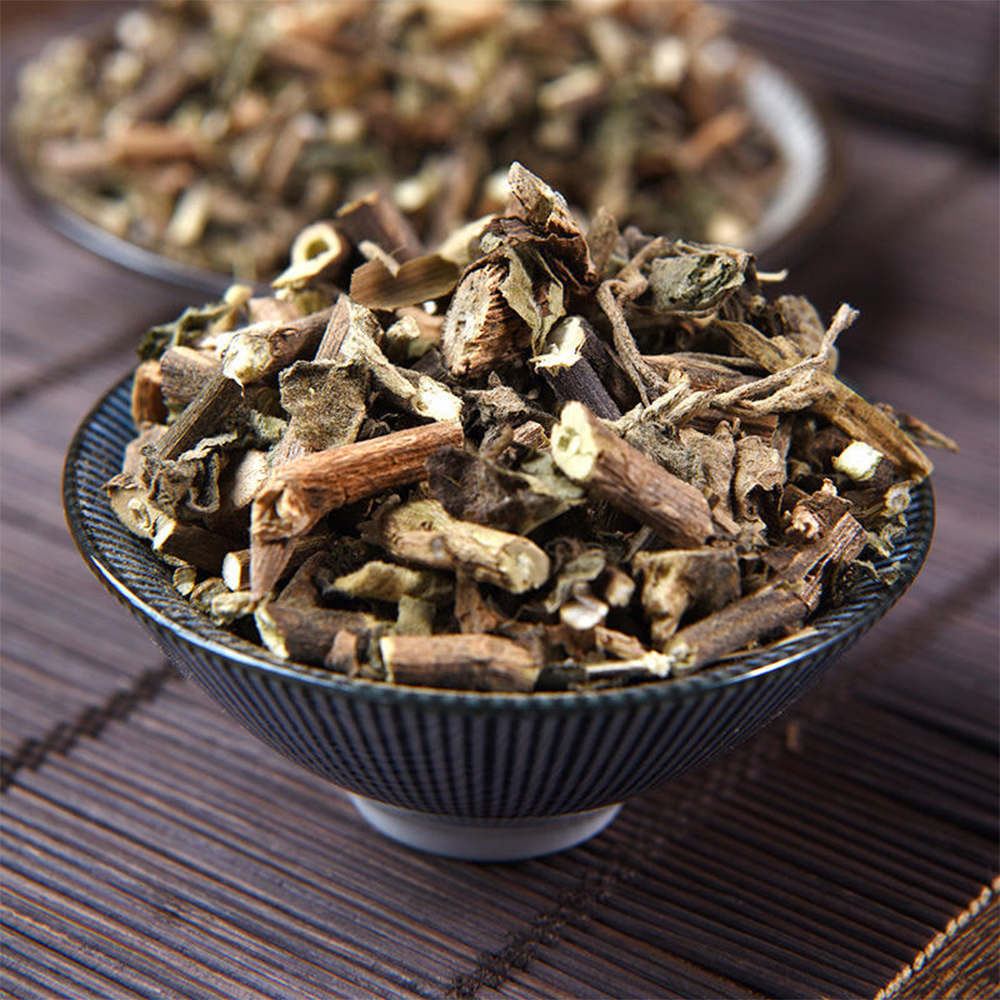
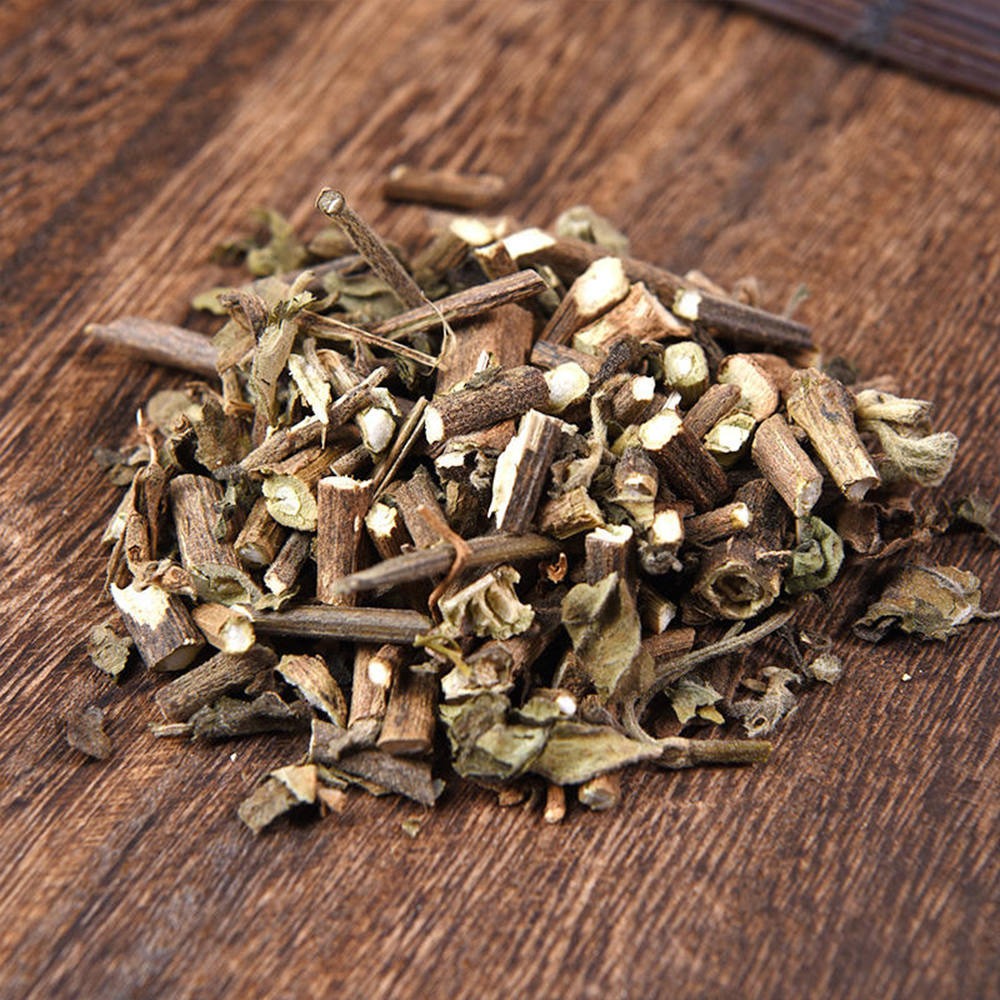
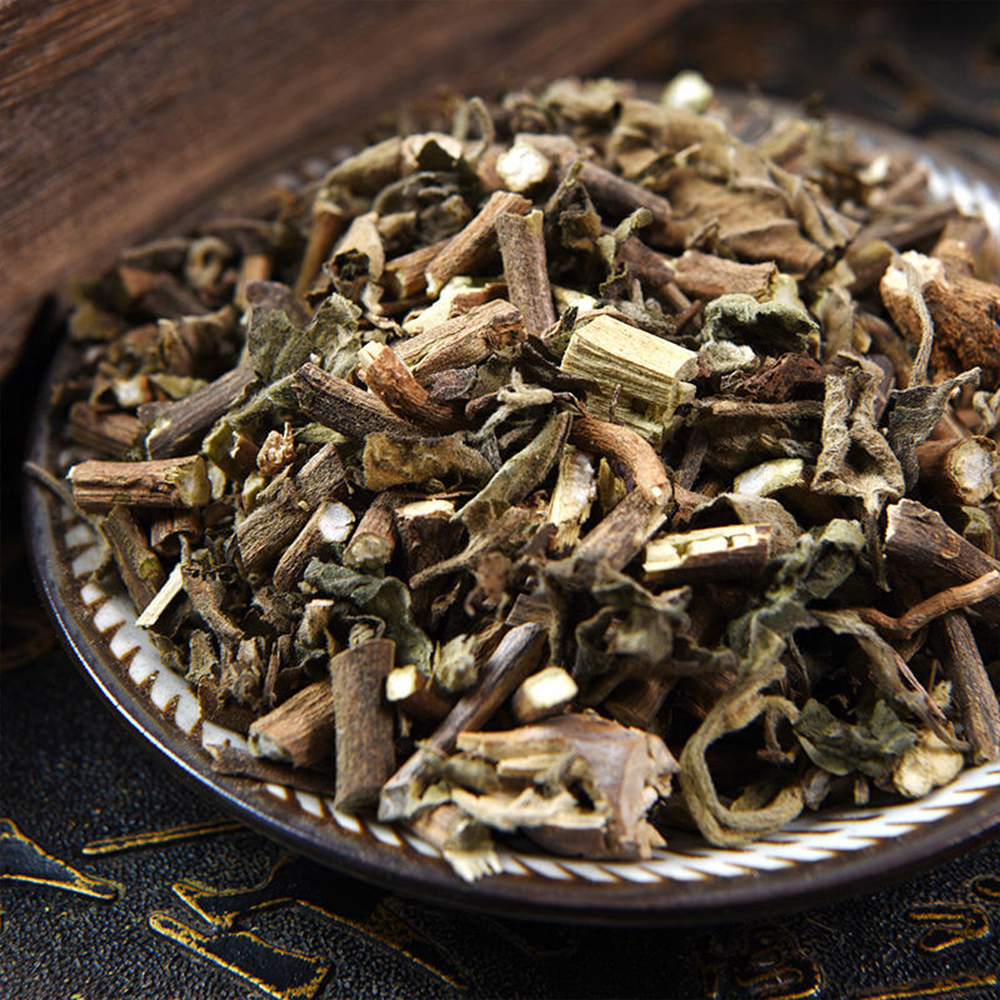
Patchouli (Guang Huo Xiang, Pogostemonis Herba) is often listed as “patchouli leaf,” yet what arrives in the bag is a mixture of leaf and stem. That mixture matters because the two plant parts do not carry the same volatile profile. In a recent GC–MS comparison, leaves held roughly six times more patchouli alcohol than stems. For a buyer, leaf-to-stem ratio therefore affects aroma, marker content, cut appearance, price, and the odds of a dispute after sample approval. This article explains what the ratio means, how pharmacopoeial rules treat it, how to measure it, and how to write it into a purchasing specification that a supplier can actually be held to.
What Does Leaf-to-Stem Ratio Mean in Patchouli Purchasing?
Leaf-to-stem ratio is the weight share of leaf versus stem in a lot of dried patchouli, usually stated on a dry-weight basis. It is a plant-part composition spec, separate from botanical identity and separate from cleanliness.
The distinction is practical. Pharmacopoeial patchouli is the dried aerial part of Pogostemon cablin, so stem is a legitimate component of the herb. A stem-rich lot is not automatically adulterated. It may simply be a different grade from the leafy sample the buyer approved.
Two naming traps make disputes more likely:
“Patchouli leaf” in catalogs. The trade name suggests leaf only, but the pharmacopoeial definition covers the whole aerial part. A quotation that says only “patchouli leaf” does not tell you how much stem to expect.
“Huo Xiang” without a Latin name. The term is also used for a different genus (Agastache). Always write Pogostemon cablin (Guang Huo Xiang) on the purchase order.
The same pattern appears in other aerial herbs. Buyers of Schizonepeta run into it too, and the discussion of stem/leaf ratio disputes in Schizonepeta (Jing Jie) shows how an authentic but stem-heavy lot can still disappoint a buyer who never fixed the plant-part mix in writing.
Why Leaf and Stem Are Not Interchangeable
Leaf and stem differ chemically, and the difference is large enough to move a specification.
A GC–MS study of different parts of Pogostemon cablin published in the Journal of AOAC International reported patchouli alcohol at 12.47 mg/g in leaves versus 2.05 mg/g in stems. The same study found the reverse for pogostone: 2.71 mg/g in stems versus 1.40 mg/g in leaves. It also identified more volatile components in leaves (47) than in stems (28). Stem is therefore not just a diluent. It shifts the chemical fingerprint.
The illustration below shows what that implies if you blend the two reported values. It is simple arithmetic assuming linear mixing, not a measured result or a specification limit.
Leaf share (dry weight)
Illustrative blended patchouli alcohol (mg/g)
20%
about 4.13
40%
about 6.22
60%
about 8.30
80%
about 10.39
Moving from 20% to 80% leaf raises the blended figure about 2.5 times. Two lots can both be authentic patchouli and still differ by that much in marker content.
Two cautions apply. First, these figures come from one study and one set of samples. Origin, harvest time, and chemotype change the baseline. A plant-physiology study in PLOS ONE notes that patchouli in China is typically grouped into a patchoulol type and a pogostone type, so a ratio that works for one chemotype may not transfer to another. Second, do not compare these mg/g values with pharmacopoeial assay limits. Methods, units, and sample preparation differ.
What Do Pharmacopoeial Standards Say About Leaf Content?
The Chinese Pharmacopoeia monograph for Pogostemonis Herba sets a minimum leaf content, not a target. A Chinese-language database reproduction of the monograph text lists leaf at not less than 20%, foreign matter (listed as impurities) at not more than 2%, moisture at not more than 14.0%, total ash at not more than 11.0%, acid-insoluble ash at not more than 4.0%, and ethanol-soluble extractives at not less than 2.5%. It also describes a gas chromatography assay for patchouli alcohol. That page appears to reproduce an older edition, so confirm current limits in the edition your contract names. The AOAC study above refers to the same 20% leaf figure as the QC context for its work.
Treat 20% as a pass/fail floor for compliance, not as a grade. A lot at 22% leaf and a lot at 60% leaf can both conform, yet they will smell, look, and perform differently. If your application is sensitive to aroma or marker content, the pharmacopoeial floor is where your specification starts, not where it ends.
Which Leaf-to-Stem Specification Fits Your Application?
There is no universal ideal ratio. The right specification depends on what the material has to do after delivery.
Application
What drives the ratio requirement
Specification approach
Main risk if left vague
TCM decoction pieces and dispensing
Pharmacopoeial compliance, identity, traditional appearance
Leaf minimum at or above the monograph floor, edition named; foreign matter and moisture limits
Lot fails release at the receiving pharmacy or importer
Herbal tea and sachet blends
Visual appearance, cut consistency, aroma, fines
Leaf share band, cut-size or sieve profile, fines limit, photo standard
Woody-looking or dusty product; blend aroma drift
Botanical extraction
Reproducible marker content and yield
Leaf share band plus patchouli alcohol assay by GC; origin or chemotype stated
Lot-to-lot extract variation; batch rejection
Private-label retail herb
Shelf appeal and perceived quality
Leaf share minimum, color and aroma reference, breakage tolerance
Consumer complaints about “sticks”
The tea and extract rows follow the same logic as the Fish Mint bulk buying guide for tea and extract manufacturers, which argues that tea-grade and extraction-grade material need different specifications even when the Latin name is identical. The principle carries over to patchouli: define the end use before the plant-part mix.
Is a Higher Leaf Percentage Always Better?
No. Leaf-rich material is often the better aroma carrier, but a “maximum leaf” instruction creates its own problems.
Cost and yield. Producing a leaf-rich grade usually means separating leaf from stem or selecting leaf-rich harvest fractions. That tends to lower yield per kilogram of harvested herb and raises the unit price. Whether the premium is justified depends on whether your product can actually use the extra aroma or marker content.
Fragility. Leaf breaks more easily than stem during cutting, packing, and transport. A lot specified at very high leaf content can lose part of that leaf as fines before it reaches your plant.
Over-specification. If your downstream process is an extract standardized by assay, a tight leaf band may add cost without improving the finished product. A marker-based acceptance limit can do more work.
The more defensible approach is a defined band tied to application and, where relevant, to a marker assay. A minimum leaf share and a maximum stem share, both on a dry basis, give the supplier room to operate and give you a measurable basis for rejection.
How Should Buyers Measure and Verify Leaf Content?
A written method matters more than the number. Without one, both sides can measure honestly and still disagree.
Sample representatively. Draw from several bags and several positions in each bag. Leaf fragments and fines tend to settle toward the bottom during transport, so a top-of-bag scoop overstates stem.
State the moisture basis. Calculate fractions on a dry-weight basis, or declare the moisture at which weighing took place.
Define “leaf.” Decide in writing whether identifiable leaf fragments count as leaf, and how fines below a stated sieve size are classified.
Separate by hand and weigh. Split a representative sample into leaf, stem, foreign matter, and fines. Record each weight and photograph each fraction.
Seal a reference sample. Keep a retained approval sample and attach the fraction data to the purchase order.
Cross-check with chemistry. For extraction or aroma-sensitive uses, ask for patchouli alcohol by GC on the same lot, because plant-part counts do not capture origin or chemotype effects.
A usable specification sheet should map these checks to identity, purity, strength, composition, and contaminant limits. The guide to creating specification sheets for Chinese herbal slices outlines that structure and the incoming-quality-control failures that put lots on hold, such as a missing acceptance criterion or a certificate that does not match the lot code. For importers, the overview of quality standards for Chinese herbal slices in international markets helps you decide which pharmacopoeial or market-specific references to cite alongside the leaf requirement.
How Can the Ratio Change After Sample Approval?
A leaf-rich approval sample does not guarantee a leaf-rich delivery. These are mechanisms worth asking a supplier about; they are not proof that any particular lot was affected.
Cutting and sieving. If leaf is processed together with stem, fragile leaf can be reduced to fines and sieved out, which raises the apparent stem share in the finished cut material.
Lot blending. Combining several harvest batches can pull the average ratio away from the approved sample.
Transport segregation. Vibration moves fines downward in bags and cartons.
Microbial treatment. Steam or other kill-steps act on leaf-rich material that holds more volatile compounds. The trade-offs are covered in the discussion of aroma retention versus kill-step choices for patchouli. If aroma is part of your spec, ask for evidence before and after treatment, and confirm that the leaf fraction was measured on the finished lot rather than on raw material.
What Should Buyers Specify Before Requesting a Patchouli Quote?
A quotation can only be as precise as your request. Before contacting suppliers, prepare:
Botanical identity:Pogostemon cablin (Guang Huo Xiang), plant part, and the pharmacopoeia and edition you work to.
End use: decoction pieces, tea, extraction, or retail pack. This sets the ratio target.
Leaf share: minimum leaf and maximum stem on a dry basis, plus the measurement method.
Physical form: whole, cut-and-sifted, or specific cut size; fines limit; foreign matter limit.
Chemistry: patchouli alcohol assay by GC if the end use depends on it; origin or chemotype if known.
Contaminant and microbial panels: heavy metals, pesticide residues, microbiology, and whether results are on the finished, treated lot.
Documents: COA format, lot-to-COA matching, retained-sample policy, and photos of fractions.
Commercial terms: order quantity, packaging, delivery schedule, destination market, and sample requirements.
Buyers comparing sources can review the supplier’s patchouli (Guang Huo Xiang) bulk supplier page. That page lists sample and COA support, but it does not state a leaf-to-stem ratio, so request that figure, the measurement method, and a sample, and compare the results against your written spec before approving a lot.
Frequently Asked Questions
What is a normal leaf-to-stem ratio for patchouli?
There is no single normal ratio. The Chinese Pharmacopoeia monograph text sets a minimum of 20% leaf for Pogostemonis Herba, but commercial grades vary above that floor. Choose the ratio by application, and confirm the edition of the standard in your contract.
Is stem-heavy patchouli adulterated?
Not by itself. Pharmacopoeial patchouli is the dried aerial part, which includes stem. A stem-heavy lot is a composition and grade issue. It becomes a conformity problem if leaf falls below the contractual or pharmacopoeial minimum.
Do patchouli leaves contain more aroma compounds than stems?
In one GC–MS study, leaves contained more patchouli alcohol (12.47 mg/g) than stems (2.05 mg/g), while stems contained more pogostone. Results vary with origin, chemotype, and harvest, so verify with lot-specific testing.
How do I measure leaf content in a patchouli sample?
Take a representative sample from several bags, state the moisture basis, separate leaf, stem, fines, and foreign matter by hand, weigh each fraction, and photograph them. Write the definition of “leaf” and the treatment of fines into the contract.
Should I specify leaf percentage or patchouli alcohol content?
For extraction or aroma-sensitive uses, specify both. Leaf percentage controls plant-part composition and appearance, while a GC assay for patchouli alcohol checks chemistry that origin and chemotype can shift independently of the leaf share.
Why does the delivered lot look stemmier than my sample?
Common causes include a non-representative approval sample, blending of batches, leaf loss as fines during cutting or sieving, and settling during transport. A retained golden sample, fraction data in the purchase order, and defined sampling rules reduce these disputes.
Our low MOQ of 1 kg (2.2 lb) makes it easy to order Chinese herbal slices or wholesale Chinese medicine herbs. Private-label and bilingual labeling are also available.
Delivery Cycle & Support
We have a fast 7-day lead time. We provide free samples, COA reports, and technical support to help you bring high-quality bulk Chinese herbs to market.
Quality & Certifications
Our products are manufactured in a GMP-certified facility and meet ISO22000 standards. All Chinese herbs are third-party tested for heavy metals, pesticides, and microorganisms.