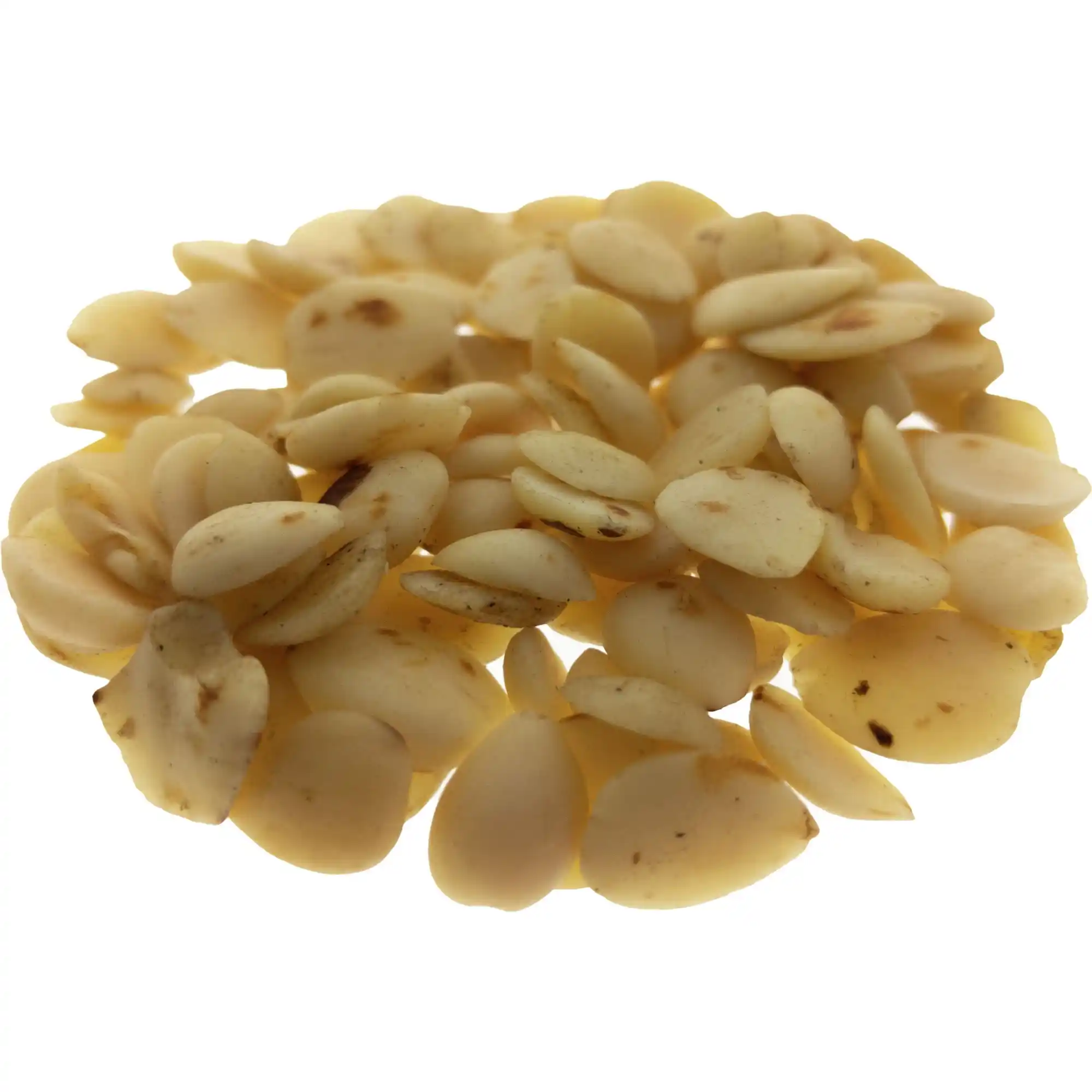
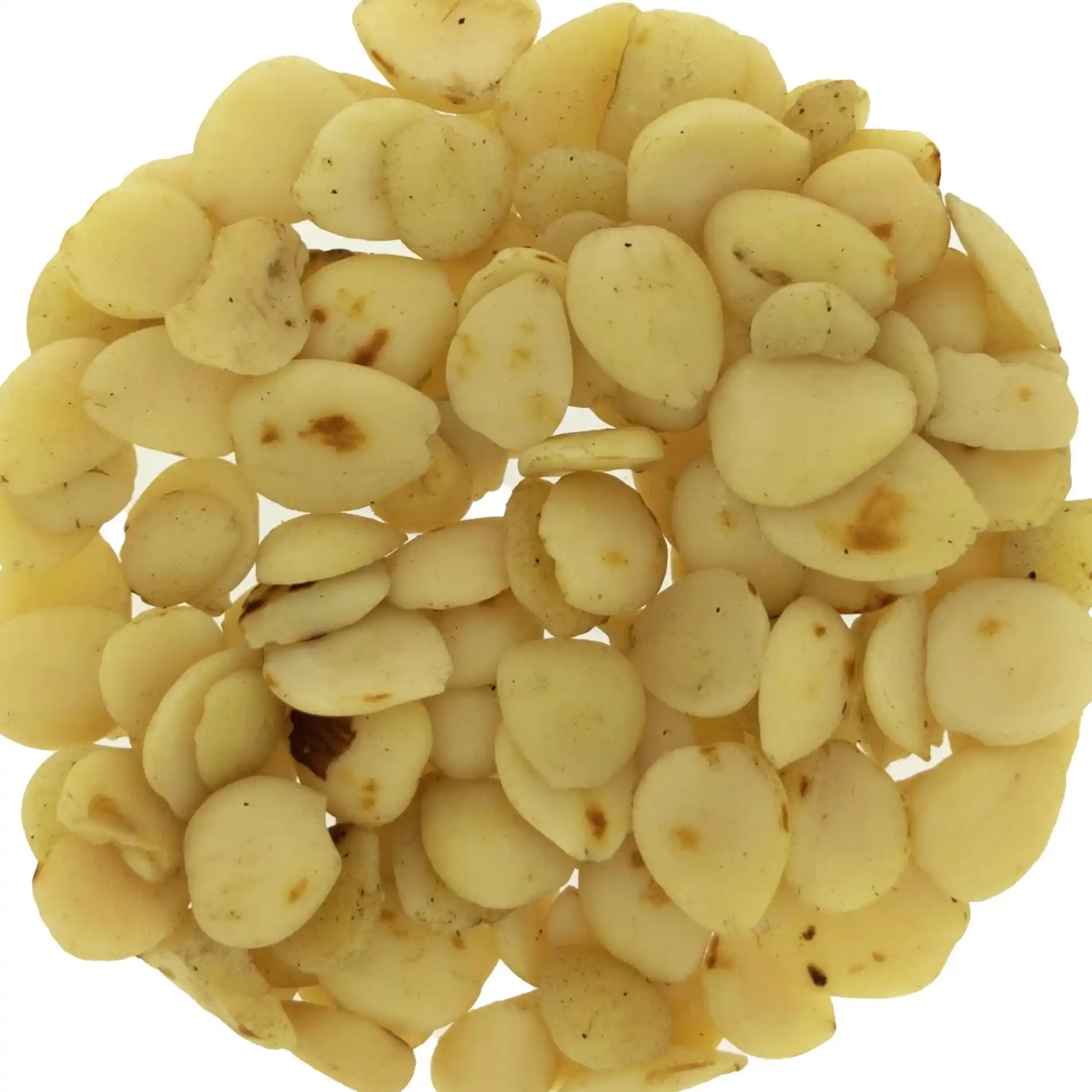
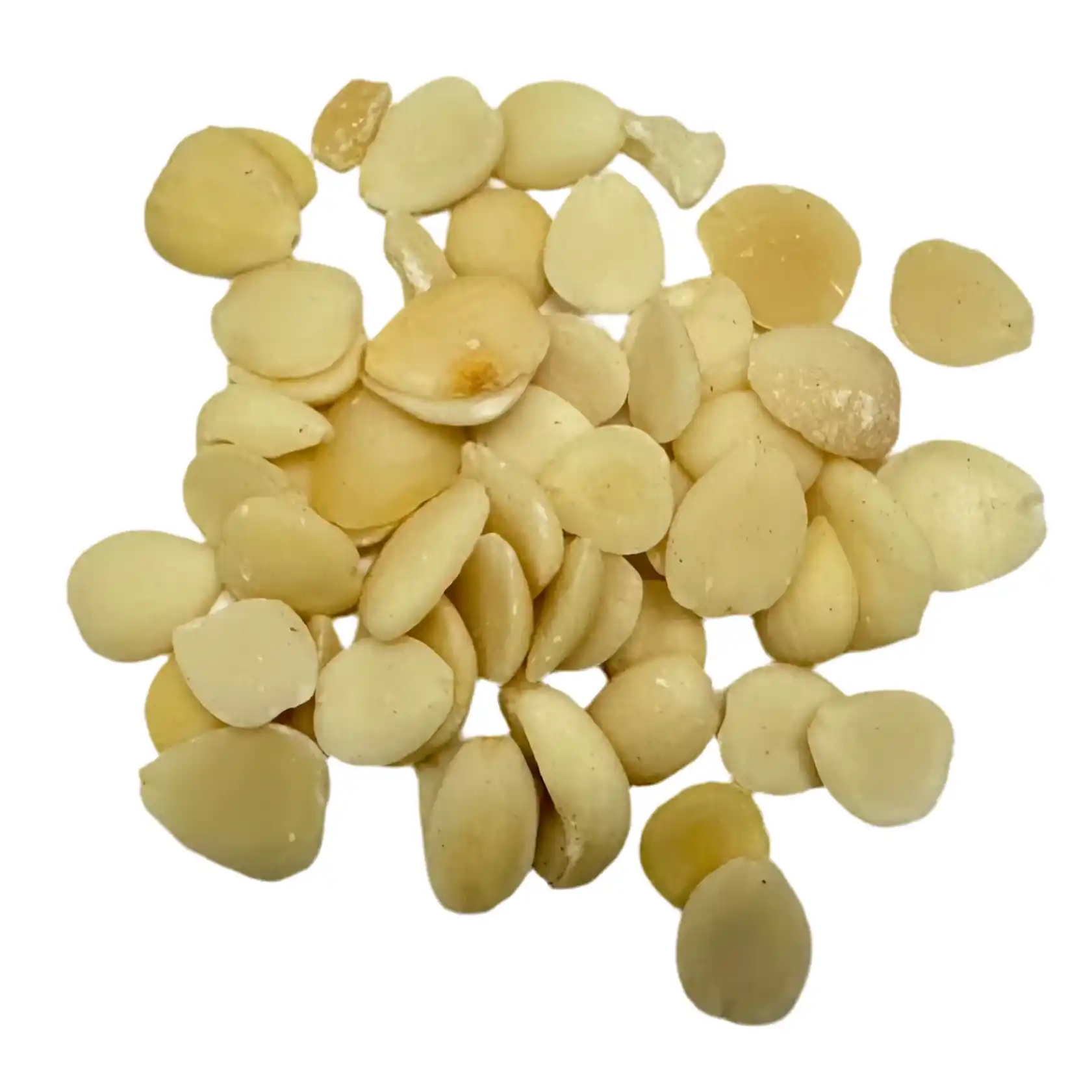
If you work with cough syrups, lung formulas, enzyme drinks or herbal capsules, you already met this tiny trouble-maker: bitter apricot seed (Ku Xing Ren).
On paper it looks simple. Small seed, classic herb, cheap to ship. In real life it decides three big things at once:
Will the formula really calm cough and open the chest?
Will the safety team sleep well tonight?
Will your QA people spend half their week chasing weird lots?
This is why Ku Xing Ren raw material is not just another line on the PO. It’s one of those “if you buy it wrong, you pay for it later” items.
Below we walk through the key points from a buyer’s view, and also show where GuoCao can take some of this headache off your plate.
Bitter Apricot Seed Functions in Cough and Lung Formulas
TCM respiratory indications of Ku Xing Ren
In traditional Chinese medicine, Ku Xing Ren belongs to the group “relieve cough and wheeze”. It goes to Lung and Large Intestine. In daily clinic language, people use it to:
push down rebellious Lung Qi
stop cough and ease breathing
moisten intestine and support bowel movement
You rarely see it alone. It sits inside complex formulas together with herbs like tangerine peel, fritillaria bulbs, magnolia bark and so on. Many of those are also standard items in GuoCao’s Chinese herbs and spices catalog, so buyers can build one full cough or lung SKU just from one supplier instead of ten.
For cough and lung SKUs, Ku Xing Ren shows up in:
classic decoction pieces for pharmacies and hospitals
OTC cough syrups and lozenges
bagged herbal teas for dry throat and sticky phlegm
enzyme and fermented drinks that talk about “lung support” and “internal cleansing”
The seed looks small, but the indication is right in the hotspot of your product line.
Modern use cases and product scenarios
Modern R&D teams don’t just follow old books. They look at three main “scenes” for bitter apricot seed:
Acute cough and chest tightness – combined with warm herbs to open the chest.
Dry cough after flu or pollution – combined with moistening herbs and fruits.
Long-term lung support – blended with antioxidant herbs for people who feel their breathing is not so strong.
So, one single raw material, but very different context:
pharma companies care about repeatable extract profile
supplement brands care about label claim and story
beverage factories care about flavour, colour and filtration
If the Ku Xing Ren upstream is messy, all three types of customers feel the pain.
Amygdalin and Safety Limits in Bitter Apricot Seed Raw Material
Here comes the double-edged part.
Bitter apricot seed contains a compound called amygdalin. This one brings both the good and the bad:
on the good side, it links to antitussive, anti-asthmatic and anti-inflammatory effects
on the bad side, it can release small amounts of cyanide when enzymes break it down
So this kind of seed are not simple. Efficacy and toxicity travel together.
Cyanogenic glycosides and detox process
From a manufacturing view, you treat Ku Xing Ren as a controlled risk herb, a bit like ephedra or pinellia in TCM:
you control variety and origin
you control processing
you control dose inside the finished product
A key point is heat. Long boiling, roasting or steam-processing can break down part of the amygdalin and cut the cyanide risk. That’s why Ku Xing Ren belongs inside real decoction or extraction, not in “throw two kernels into your smoothie” kind of product.
Can release cyanide, especially when eaten raw or overdosed.
Remove part of the risk by proper processing and strict dosage.
Good purchasing means you know both rows and you make sure your supplier knows them too.
Aflatoxin, Rancidity and Ku Xing Ren Storage Quality Control
Amygdalin is not the only issue.
Aflatoxin risk in bitter apricot kernels
Like many nuts and oil seeds, bitter apricot kernels can pick up aflatoxins when storage is humid or ventilation is bad. The annoying part: often only a small group of black or spotted seeds carry most of the toxin load.
For a buyer this means:
you can’t just “look at the sack and guess”
you need a supplier who does sorting plus testing, not one or the other
you need aflatoxin items on the CoA and a release spec that QA really enforces
In real factory slang, this belongs to the “kill at inbound” list. If you let bad Ku Xing Ren enter the warehouse, it’s already too late and your whole cough batch may sit on hold.
Rancidity and fixed oil oxidation
Another silent killer is rancidity. Ku Xing Ren carries a lot of fixed oil. Over time, especially in warm, open warehouses, this oil oxidizes. Colour changes, smell turns “old nut”, volatiles shift.
That sounds cosmetic, but it isn’t:
extraction yield and profile can drift
flavour of your syrup or tea goes weird
customer complaint rate jumps, and marketing team gets sad
GuoCao avoids this by using normal-temperature, cool and modified-atmosphere storage for sensitive herbs, backed with SOP for rotation and re-test. This is part of why our bitter apricot seed bulk supply stays more stable in long-distance shipping.
A simple QC table helps you see the whole story:
Problem
What you see
What you can do
Aflatoxin
Black / mouldy seeds, bad storage history, fail lab test.
Sort out dark kernels, demand aflatoxin test on every lot, lock spec.
Rancidity
Yellow-brown colour shift, stale nut smell, sticky surface.
Use cool / MAP storage, shorter shelf life, re-test before release.
Micro load
High total plate count, mould in lab report.
Strengthen drying, cleaning and warehouse air control.
You dont want to meet these issues in finished cough syrup. Better clean them at raw material gate.
Raw Material Purchasing Checklist for Ku Xing Ren in Cough and Lung Products
Now let’s move from theory to buyer “black talk”. Below is a Ku Xing Ren checklist many QA and sourcing teams use in some form.
Identity and spec design
First part is very basic, but still many people miss it:
clear name: Ku Xing Ren, bitter apricot seed, not sweet almond
Latin name and cut type defined in spec
moisture, ash, foreign matter, slice size, all written down
GuoCao’s Chinese herbs and spices raw materials catalog gives this info herb by herb, so you can align internal naming and avoid “mystery seed” confusion.
Inbound QC and COA requirements
When a new lot arrives, inbound QC should not only count bags. It should focus on four things:
Visual and sensory check
any mould, insects, fake material
colour compared with reference sample
smell: fresh nut vs rancid or musty
Laboratory items on COA
heavy metals, pesticide screen
aflatoxins for kernels
micro limits for your product type
Process-related info
is it raw kernel or processed slice
how it was dried and stored
suggested decoction / extraction time
Traceability
batch number and harvest year
farm or region code
internal lot number at supplier side
GuoCao supports this with ISO 22000 system, one-batch-one-test policy and third-party labs, which fits the needs of pharma factories, supplement makers, drink brands and distributors.
Ku Xing Ren buyer cheat-sheet
You can turn the above into a quick table people keep on their desk:
Step
What to ask
What good suppliers answer
Identity
“Is this bitter apricot seed in pharmacopeia grade?”
They show full spec and state Ku Xing Ren clearly, not just “apricot kernel”.
Safety
“How you control aflatoxin and cyanide risk?”
They talk about sorting, testing, and processing, not only “we always safe”.
Storage
“Where and how do you store Ku Xing Ren?”
They describe cool / controlled storage, rotation rule and re-test policy.
Documents
“Can we get full COA pack and GMP / ISO files?”
They send a standard document set without drama.
This kind of small sheet looks simple, but it saves a lot of email ping-pong.
Spec Design for Cough, Supplement and Beverage Customers
Different downstream clients have different pain points, so the Ku Xing Ren spec also shifts a bit.
Supplement factories and functional drink brands usually focus on:
clean label feel
flavour and mouth-feel
story around “lung health”, “detox”, “gut-lung axis”
fast response on OEM and ODM projects
Here Ku Xing Ren often works together with peels, barks and flowers. GuoCao’s article What Is the Best Dried Herb? and the importing herbal slices wholesale guide help these teams understand slice form, moisture control and transit questions, so they don’t lose power on shipping details.
Because we run GMP decoction slice lines plus enzyme drink production, GuoCao can take Ku Xing Ren from raw seed all the way to semi-finished material ready for your bottling or encapsulation line.
How GuoCao Supports Global Buyers of Bitter Apricot Seed
Let’s be real. You can draw a perfect spec, but if the supplier can’t hit it, the paper don’t help much.
GuoCao sits as a global Chinese herbal slices manufacturer with:
GMP production lines for TCM decoction slices
normal temperature, cool and modified-atmosphere warehouses
ISO 22000 food safety system
third-party COA testing capability
around 2,500 tons yearly herbal capacity
OEM / ODM service for TCM slices, teas, enzyme drinks and more
Bitter apricot seed is one of the regular export items, together with many lung-related herbs. Our products now ship to North America, Europe, Australia, East Asia and Southeast Asia, serving pharma companies, health-product factories, commercial traders, hospitals, beverage brands, cosmetic formulators and distributors.
If your next project needs Ku Xing Ren inside a cough syrup, a lung formula, a functional drink or even a new bagged tea, you don’t need a perfect theory essay. You need a partner who already understands:
Our low MOQ of 1 kg (2.2 lb) makes it easy to order Chinese herbal slices or wholesale Chinese medicine herbs. Private-label and bilingual labeling are also available.
Delivery Cycle & Support
We have a fast 7-day lead time. We provide free samples, COA reports, and technical support to help you bring high-quality bulk Chinese herbs to market.
Quality & Certifications
Our products are manufactured in a GMP-certified facility and meet ISO22000 standards. All Chinese herbs are third-party tested for heavy metals, pesticides, and microorganisms.