Schizonepeta (Jing Jie): stem/leaf ratio and why buyers argue about “purity”
This post explains why stem-heavy Schizonepeta starts arguments even when it is botanically authentic. I break down what “purity” really means in buying rooms, which specs matter, and how to stop expensive disputes before shipment.
Purity sells fast. In the Jing Jie trade, though, that word usually hides a much duller, much harsher fight about morphology, aroma load, breakage, pricing pressure, and whether the shipment contains the same plant-part balance as the sample that won the order in the first place. Who wants to admit the problem is contract sloppiness?
I’ll say the rude part out loud. When buyers complain about “Jing Jie purity,” they often mean, “I paid leaf money and got stem weight.” That is not the same thing as adulteration, and mixing those two claims is how bad buying decisions become melodrama.
According to the Hong Kong Department of Health’s Schizonepeta guide, Herba Schizonepetae is the dried aerial part of Schizonepeta tenuifolia—stems, leaves, and spike—while Schizonepetae Spica is only the fruit-spike; the same guide also states that volatile oil content at the spike is significantly higher than at the stem. In other words, the official identity is broad, but the chemistry is not evenly distributed, and that gap is where the argument begins.
That distinction matters. A stemmy lot can still be authentic Herba Schizonepetae, yet disappoint a buyer who wanted a greener, more aromatic, spike-richer material for retail presentation, tea-bag filling, or stronger sensory performance. Is that fraud, or just a lazy spec?
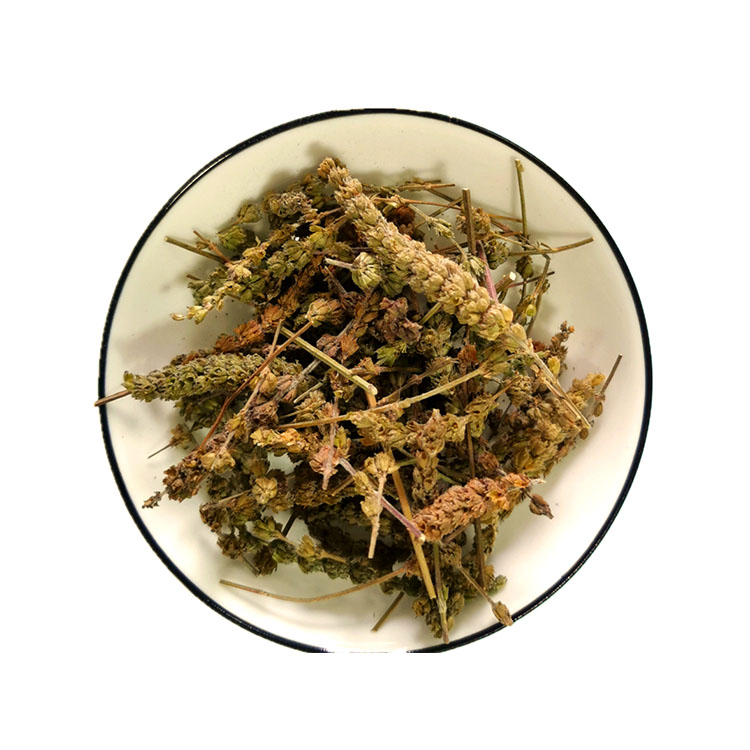
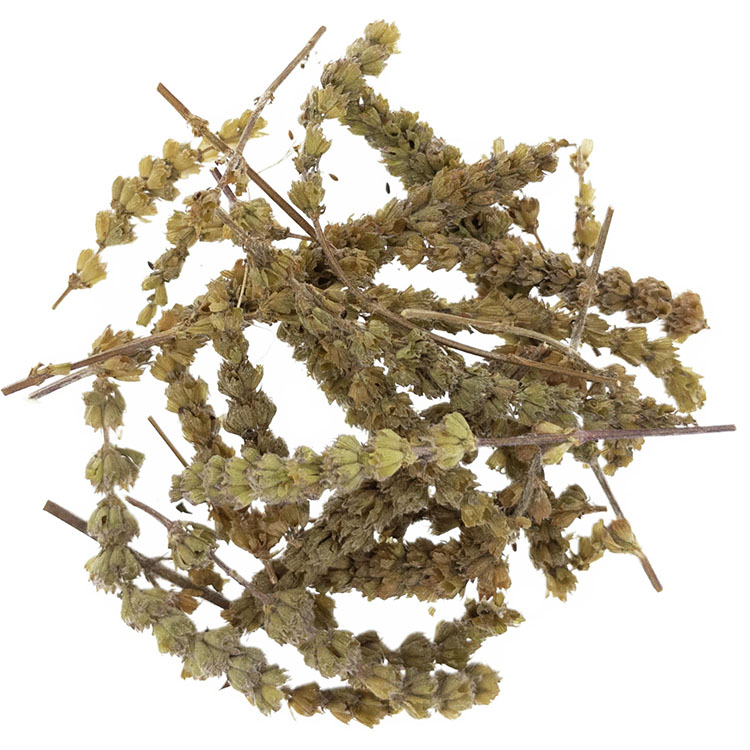
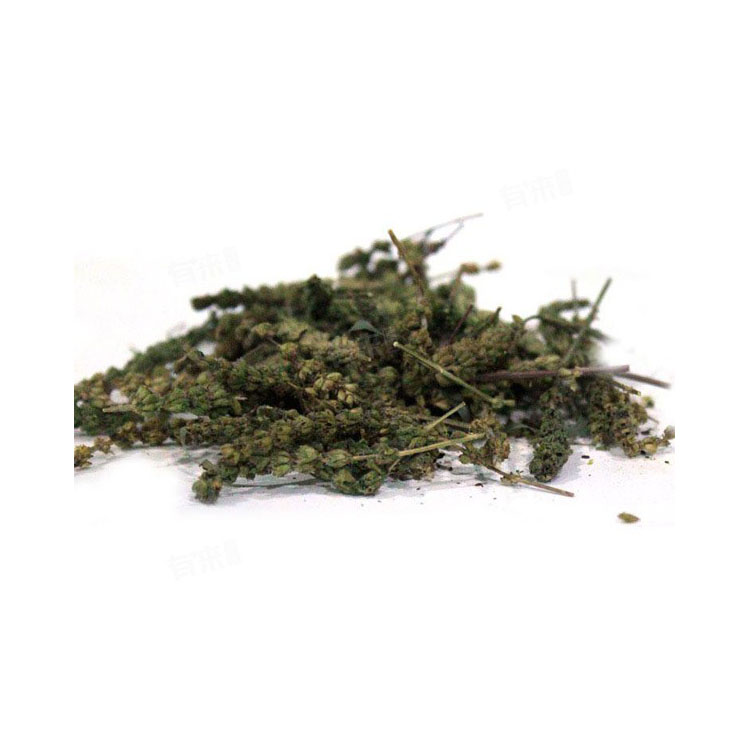
I’ve seen this movie before. The approval sample looks leafy, bright, and fragrant; the delivered lot lands with more square stems, more broken fragments, fewer aromatic tops, and suddenly “purity” gets thrown around like a regulatory term, even though the real dispute is plant-part composition, not species identity.
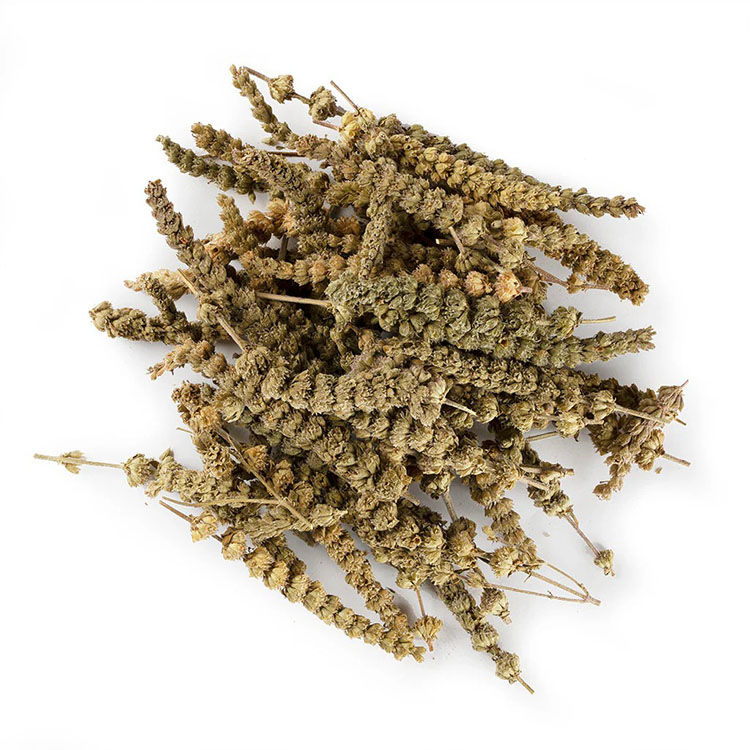
The official morphology backs that up more than most buyers realize. The same Hong Kong guide describes crude Herba Schizonepetae with opposite leaves “mostly fallen off,” square-cylindrical stems about 50–80 cm long and 0.2–0.4 cm in diameter, and terminal spikes around 2–9 cm long. That means a visually stem-forward lot is not automatically fake; post-harvest handling and drying naturally push the material toward more visible stem and fewer intact leaves.
So here’s my hard truth: stem/leaf ratio is a commercial spec, not a moral spec. Buyers argue because the market likes vague adjectives—pure, premium, top grade, clean—when it should be using fractions, tolerances, photos, and retained reference samples. That is exactly why a page like quality standards for Chinese herbal slices in international markets should do more than wave at compliance, and why I’d rather see a CTQ, spec freeze, and golden sample workflow than another soft promise about “high purity.”
And the broader botanical trade has earned the skepticism. A 2024 review in Natural Product Reports examined 78 publications and 2,995 samples across five botanicals and found 818 samples reported as adulterated or mislabeled; ginkgo leaf was highest at 56.7%, black cohosh 42.2%, echinacea 28.5%, elder berry 17.1%, and turmeric 16.5%. Buyers are not imagining the risk. They are reacting to a market that repeatedly gives them reasons to doubt labels, specs, and supplier language.
Then regulators show up, and all the romantic language dies. In Reuters’ August 2024 report on India’s spice testing, 474 of 4,054 samples tested by India’s food regulator between May and early July failed quality and safety parameters; in a related June 2024 Reuters report, Rajasthan said it had seized 12,000 kilograms of spices amid alleged contamination concerns. That is what happens when “purity” stops being a sales word and becomes a file on a regulator’s desk.
And the U.S. position is even less sentimental. In March 2024, the FDA’s alert on ground cinnamon said six distributors had products with lead levels ranging from 2.03 to 3.4 ppm, while the agency’s linked Ecuador cinnamon investigation involved levels between 2,270 ppm and 5,110 ppm. Once contamination is measured, nobody cares whether the label said “premium,” “pure,” or “heritage.” Numbers win.
That is why I do not trust “purity” on a quote sheet. I trust separation data, moisture limits, foreign matter limits, lab results, and a reference sample sealed on day one.
Anyone landing on your Schizonepeta (Jing Jie) bulk supply page from the broader Flower and Whole Herbs catalog is already making a visual judgment about morphology. Meet them there. Say what fraction is stem, what fraction is leaf, what fraction is spike, whether the ratio is stated on a dry basis, how fines are counted, and what happens when the release lot misses the approved band.
Here is the table I would actually use in a buying meeting:
Buyer type
What they call “purity”
What they usually want from Jing Jie
What must be written into the spec
TCM dispenser / decoction-piece buyer
Authentic, aromatic whole herb
Genuine Herba Schizonepetae with acceptable stems, leaves, and spike
Species ID, medicinal part, origin, cut form, moisture, foreign matter
Retail herb seller
Clean, green, pretty material
More visible leaf and spike, less woody stem, stronger shelf appeal
Stem/leaf/spike % by dry weight, color photo standard, breakage tolerance
Sieve profile, fines %, moisture cap, microbiology, pack style
Extractor / processor
Consistent input
Reproducible chemistry and low lot-to-lot drift
Marker profile or volatile-oil expectation, moisture, foreign matter, batch retention
Importer / distributor
Low-risk cargo
Material that clears testing and survives customer scrutiny
COA set, pesticide panel, heavy metals, micro limits, release documents
My own buying rule is boring, which is why it works. Pull a representative sample, separate it into stem / leaf / spike / fines / foreign matter, weigh each fraction on a dry basis, photograph the fractions, seal a retained “golden sample,” and attach those files to the PO. Three grams of rhetoric cannot beat five numbers and four photos.
But buyers keep skipping that step because everyone wants speed. Then they wonder why a leaf-rich approval sample turns into a woody landed lot. This is also where a solid procurement guide for Chinese herbal products or a more tailored custom Chinese herbal spice solution page earns its keep: not by sounding polished, but by forcing the buyer to declare the application before the supplier declares the price.
Here’s the insider version, stripped clean. In Jing Jie, “purity” usually collapses into four separate questions:
Is it really Schizonepeta tenuifolia?
What is the plant-part mix?
How clean is it physically and microbially?
Does it perform the way this buyer needs it to perform?
Miss even one, and the argument starts. Bundle all four into one fuzzy word, and the argument never ends.
FAQs
What does “purity” mean in Jing Jie buying?
In Jing Jie buying, “purity” usually means the shipment matches the agreed botanical identity, plant-part composition, cleanliness, aroma strength, and contamination limits, rather than some mystical all-leaf ideal; in practice, it is a bundle of measurable specs covering stem, leaf, spike, moisture, foreign matter, and test results.
That is why I treat “pure” as marketing unless it is tied to a written release standard.
Is a high stem ratio proof of adulteration?
A high stem ratio is not, by itself, proof of adulteration because official material defines Herba Schizonepetae as the dried aerial parts of Schizonepeta tenuifolia, which include stems, leaves, and spike; the real question is whether the shipment matches the contracted grade, intended application, and authentication data.
What makes buyers angry is not stem alone. It is unexpected stem.
How should buyers judge Jing Jie quality quickly?
The fastest professional way to judge Jing Jie quality is to verify species identity, hand-separate a representative dry sample into stem, leaf, spike, fines, and foreign matter, record each fraction by weight, compare aroma and color against a retained golden sample, and confirm contamination and microbial tests.
That method is plain, cheap, and very hard to argue with later.
What should a Jing Jie purchase order specify?
A Jing Jie purchase order should specify botanical name, medicinal part, cut form, allowed stem/leaf/spike percentages on a dry basis, moisture limit, foreign matter limit, sieve profile, aroma or volatile-oil marker expectations when relevant, packaging format, and the exact lab documents required before release.
If the PO only says “high purity,” the dispute has already been scheduled.
Why do buyers and suppliers fight after sample approval?
Buyers and suppliers fight after sample approval because many herb deals are closed on a pretty pre-shipment sample, then fulfilled against a loose verbal standard that never fixed morphology, tolerance bands, or a reference lot, leaving every later disagreement to be argued through photos, memory, and leverage.
That is not a quality system. That is theater.
If you want this page to convert serious buyers, stop selling “purity” as a vibe. Send them from the product pitch to the spec logic: the Jing Jie product page, the quality standards page, and then straight to contact with one hard question: What stem/leaf/spike balance do you actually need? That is where grown-up herbal sourcing starts.
Our low MOQ of 1 kg (2.2 lb) makes it easy to order Chinese herbal slices or wholesale Chinese medicine herbs. Private-label and bilingual labeling are also available.
Delivery Cycle & Support
We have a fast 7-day lead time. We provide free samples, COA reports, and technical support to help you bring high-quality bulk Chinese herbs to market.
Quality & Certifications
Our products are manufactured in a GMP-certified facility and meet ISO22000 standards. All Chinese herbs are third-party tested for heavy metals, pesticides, and microorganisms.