A factory doesn’t buy your herbal slices because your brochure looks nice. They buy because they can release the lot with confidence.
And the release decision usually happens in one place: IQC (Incoming Quality Control).
If your shipment hits the dock and IQC can’t match your specification sheet + COA + label + lot code, your goods go straight into incoming quarantine. Then you get the classic email: “Please provide full specs, methods, and acceptance criteria.” Not fun. Also very normal.
So let’s build a spec sheet that a pharma plant or supplement factory can actually use. I’ll keep this practical, slightly blunt, and focused on real QA pain.
GMP Specifications: Identity, Purity, Strength, Composition, and Contaminants Limits
GMP teams think in five buckets:
Identity: “Is this the right herb, right part, right processing?”
Purity: “Is it clean, free of foreign matter, no weird mix-ups?”
Strength: “Does it hit the marker range (if you use markers)?”
Composition: “Is the profile consistent lot-to-lot?”
Contaminants limits: “Does it pass heavy metals, pesticide residues, aflatoxins, microbes, and any special risks (like SO₂)?”
Your spec sheet should map to these buckets. If it doesn’t, QA will rewrite it for you… and that rewrite will be stricter than you like.
Specification Sheet Template for Chinese Herbal Slices
Here’s a one-page skeleton that works in real factories. Use it as your base, then tailor the limits and methods per herb and per market.
Section (QA keyword)
What to include (fields)
How IQC checks it
Common failure (why lots get “HOLD”)
Typical reference used
Identity
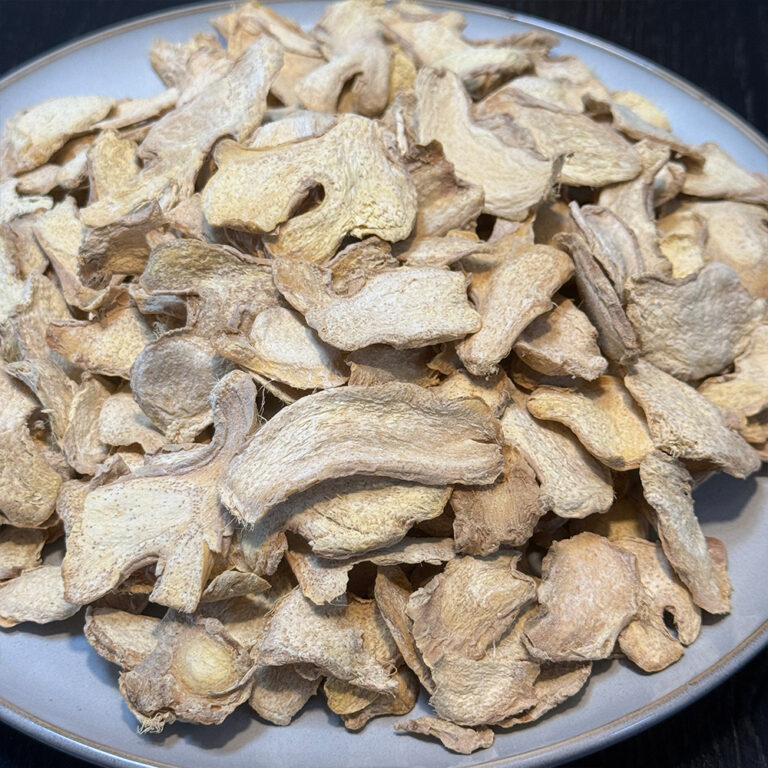
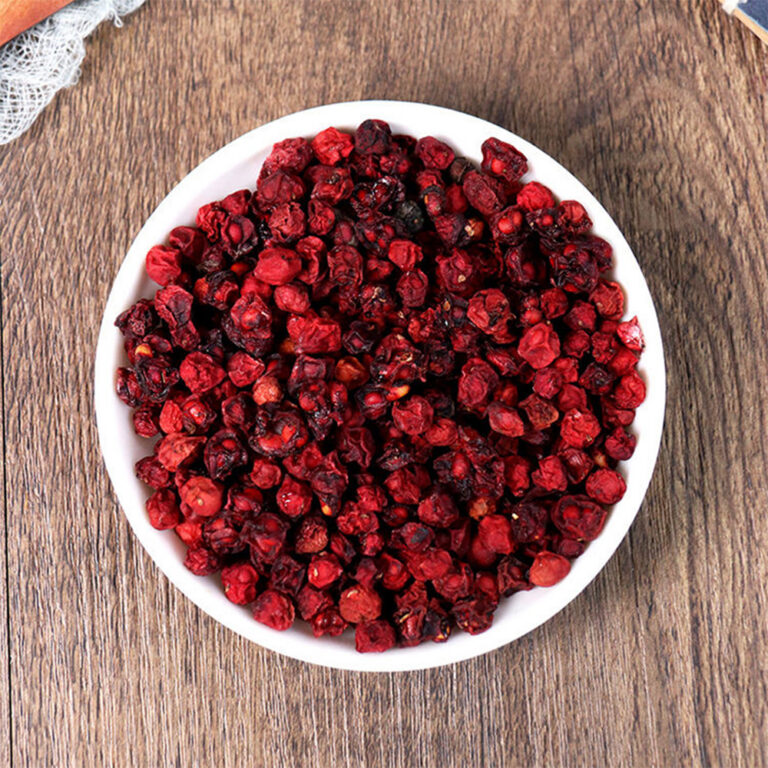
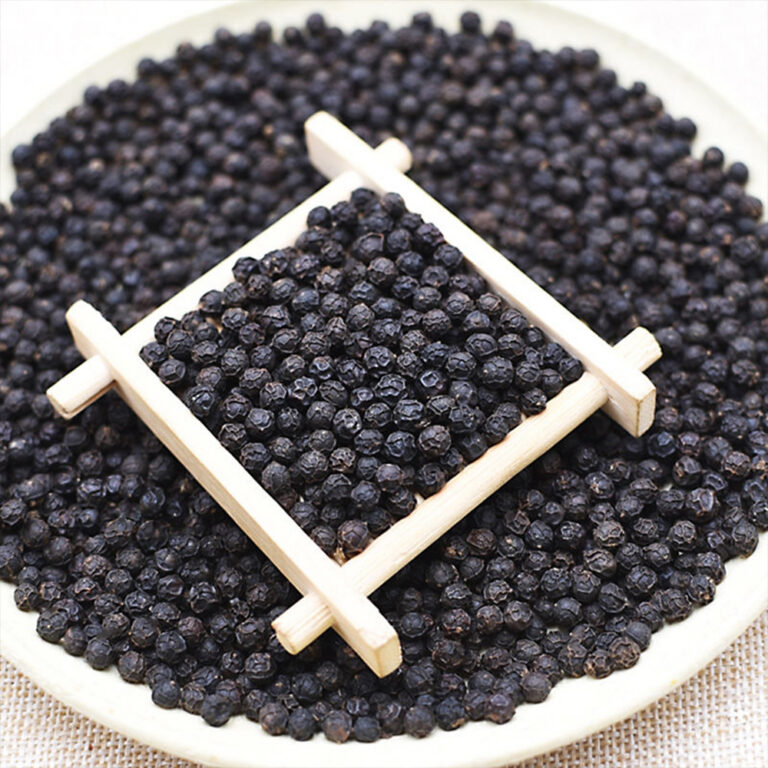
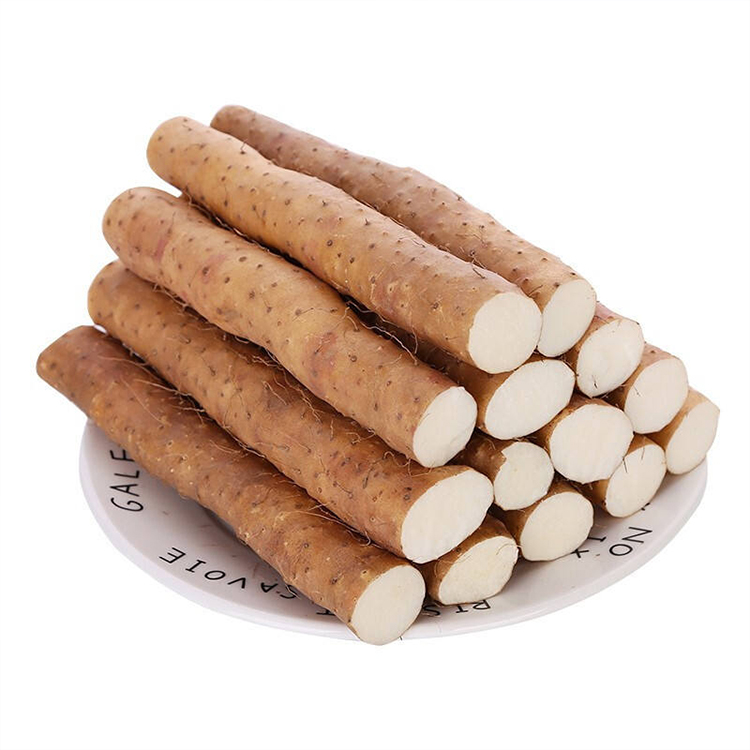
Latin name, plant part, Chinese name/aliases, origin, harvest season, processing type, slice form
“Cut spec: consistent geometry suitable for decoction packs / tea bag filling” (pick the right scenario)
Keep it simple. Just don’t leave it empty.
If you sell a broad catalog and need a clean way to organize identity by plant part, link buyers to your category structure so they can cross-check fast: All Herbs and Spices.
Certificate of Analysis: Methods, Acceptance Criteria, and COA-to-Label Match
A COA that only says “PASS” is basically useless in a serious factory. QA wants:
Test item
Method (TLC/HPLC/ICP-MS/GC-MS/micro method, etc.)
Result
Acceptance criteria
Lot code that matches outer carton + inner bag
Here’s the painful but real scenario (no fake names, just real life): A buyer receives your shipment. The cartons say Lot 2407-A. Your COA says Lot 2407. Same month, not same lot. Their QA can’t assume. They quarantine it, open a deviation, and now the buyer’s production plan is messed up.
Add one line to your spec sheet: “COA lot code must match carton and inner packaging. Any mismatch = HOLD pending deviation closure.”
It sounds strict. It also saves you from endless “can you confirm” emails.
Method alignment
Another common fight: your COA uses Method A, the customer lab uses Method B. Results differ slightly, and they call it OOS (out of spec). Now you’re in a re-test loop.
So write this in the spec sheet: “Method alignment required during vendor qualification; lab-to-lab correlation recommended for key tests.”
Not fancy. Just honest.
Chemical Markers and Fingerprinting: TLC and HPLC
Factories like two options:
Fingerprinting (TLC or chromatographic profile)
Marker range (one or two compounds with limits)
For Chinese herbal slices, fingerprinting is often the safer play because herbs vary by origin and season. Marker specs are fine too, but don’t over-promise if the biology won’t behave.
Keep the section short:
“Identity by TLC fingerprint: conforms to reference”
“Marker (if used): within internal control range”
“Method: referenced in COA”
Even this small clarity helps buyers plug it into their supplier qualification file.
Contaminants Limits: Heavy Metals, Pesticide Residues, Aflatoxins, Sulfur Dioxide
This section decides if you pass audits.
Heavy metals
List the panel (Pb, Cd, As, Hg is common). Then state: “Limits follow the customer’s target market standard (USP/EP/CP or customer spec).”
Don’t argue about standards inside the spec sheet. Just be clear what you follow.
Pesticide residues
Write it as a defined panel, not “tested when requested.” That phrase kills trust.
Aflatoxins
If your herbs include nuts/seeds or high-risk materials, aflatoxins matter more. Call it out.
Sulfur dioxide (SO₂)
This one is huge for Chinese herbal slices. Some buyers assume it’s never present, then their lab finds it and panic starts. If SO₂ is a realistic risk category, include it upfront. No surprises.
Here’s a clean “panel view” table you can drop into your spec sheet:
Contaminant group
Typical tests included
Why QA cares
Heavy metals
Pb, Cd, As, Hg
Audit red line, long-term safety
Pesticide residues
Multi-residue screen
Import checks, retailer compliance
Aflatoxins
B1, total aflatoxins
“Hard stop” if detected above limit
Sulfur dioxide
SO₂
Common dispute item for herbal slices
Solvent residues (if any)
Only if extraction involved
Proof of clean process
Keep it tight. No drama.
Microbial Limits: TAMC, Yeast & Mold, E. coli, Salmonella
Micro specs must include sample size, or QA won’t accept it. That’s where many suppliers mess up.
A common set used in the botanical industry (example framework) looks like this:
Micro test
Acceptance criteria (example framework)
Total aerobic microbial count (TAMC)
≤ 10⁷ cfu/g
Yeast & mold
≤ 10⁵ cfu/g
Coliforms / Enterobacteria
≤ 10⁴ cfu/g
E. coli
Not detected in 10 g
Salmonella spp.
Not detected in 25 g
Important: you should tune limits to the scenario. Tea bag herbs and capsule-grade slices don’t always share the same risk logic. But at least put a real table in front of QA. They can work with that.
Traceability, Change Control, Deviation, CAPA
Here’s factory “black words” that buyers live by:
Vendor qualification
Change control
Deviation
OOS
CAPA (Corrective and Preventive Action)
You don’t need a full SOP in the spec sheet, but you do need short rules like:
“Origin change requires notification before shipment”
Herbs can pass the lab and still fail the warehouse. Moisture and odor do that.
Your spec sheet should state:
Storage class (ambient / cool)
“Keep dry, avoid sunlight”
“Segregate from strong odor items”
Packaging type basics (inner bag + outer carton, etc.)
When you sell into multiple regions, storage stability becomes part of the value story too.
GuoCao Capabilities: GMP Chinese Herbal Slices, ISO 22000, Third-Party COA, OEM/ODM
Now the commercial part, but I’ll keep it natural.
If your buyer is a pharma company, a supplement factory, or a functional beverage brand, they don’t only ask “can you supply?” They ask “can you support the file?”
GuoCao is positioned as a one-stop wholesale supplier of Chinese medicinal herbs & spices, serving pharma, supplement processing plants, commercial buyers, hospitals, beverage brands, and distributors. If your customer needs stable supply and documentation, the selling points are straightforward:
GMP Chinese herbal slices production line
Ambient / cool / modified-atmosphere warehousing
ISO 22000 food safety system
Third-party COA testing capability
Annual output capacity (2,500 tons)
OEM/ODM customization, plus enzyme drink production
You can point buyers to the right pages depending on what they ask:
Set microbial limits with sample sizes (10 g, 25 g, etc.).
Lock traceability rules (COA-to-label match, lot code logic).
Add storage class and change control triggers.
Do this once per key SKU, then reuse the format. You’ll cut qualification time a lot, and buyers will stop treating you like “just another trader.” That’s the real win.
Our low MOQ of 1 kg (2.2 lb) makes it easy to order Chinese herbal slices or wholesale Chinese medicine herbs. Private-label and bilingual labeling are also available.
Delivery Cycle & Support
We have a fast 7-day lead time. We provide free samples, COA reports, and technical support to help you bring high-quality bulk Chinese herbs to market.
Quality & Certifications
Our products are manufactured in a GMP-certified facility and meet ISO22000 standards. All Chinese herbs are third-party tested for heavy metals, pesticides, and microorganisms.