If you buy Chinese herbs in bulk, you don’t just care about color and price. You care about customs, lab reports, brand safety, and what your doctors or end-users really drink every day.
“Sulfur-free Chinese herbal slices” sounds simple. In real business, it’s not. One bad batch of high SO₂ can hold a container, or make a decoction room complain for weeks. So instead of asking suppliers, “Is this sulfur-free?” and just hope, it’s better to ask ten very specific questions.
These questions come from real plant practice, not from textbook theory. Use them as a checklist when you talk with any factory, trader or OEM partner.
Question 1 – What SO₂ residue limits do your sulfur-free Chinese herbal slices follow?
First thing: get a clear number on paper.
Most serious suppliers work with sulfur dioxide (SO₂) limits based on the pharmacopoeia for Chinese herbal medicines. In short:
normal herbal slices: low SO₂ limit;
a small group of “hard to dry” roots: slightly higher limit but still strict.
You don’t need every mg/kg value in your head, but you need your supplier to show:
the SO₂ limit for each SKU on the spec sheet;
a recent COA with SO₂ listed, not blank;
if they claim “sulfur-free,” does that mean no sulfur fumigation at all, or just “below limit”?
A good answer sounds like:
“This herb follows our internal SO₂ spec, which is not higher than the pharmacopoeia line. We test every batch and we can send you the latest COA.”
With GuoCao this is standard: sulfur control is part of the GMP herbal slice line, ISO 22000 food safety system and third-party COA for every batch.
Question 2 – How do you test sulfur dioxide and other residues for each batch?
“Trust me, it’s clean” is not a test method.
Ask your supplier how they really check:
Who does the test? In-house only, or independent labs too?
How often? Each lot, or once per year and copy-paste?
Which items? SO₂, heavy metals, pesticides, micro load, maybe mycotoxins for roots and rhizomes.
Modern research shows sulfur fumigation can change active components and create some new compounds. So just “smell test” is not enough. Real control needs instruments and a clear SOP.
GuoCao uses GMP production plus ISO 22000 and sends samples to third-party labs for full COA. That COA goes with each batch of root slices, barks, flowers, fruits and even spice-type herbs.
If a supplier can’t show you one complete COA with SO₂, heavy metals and pesticides, just one real document, that’s a danger sign already.
Question 3 – Which herbal categories in your catalog are most sulfur-sensitive?
Not all herbs are same. Some are much easier to “over-sulfur.”
You want to hear the supplier talk clearly about risk categories, for example:
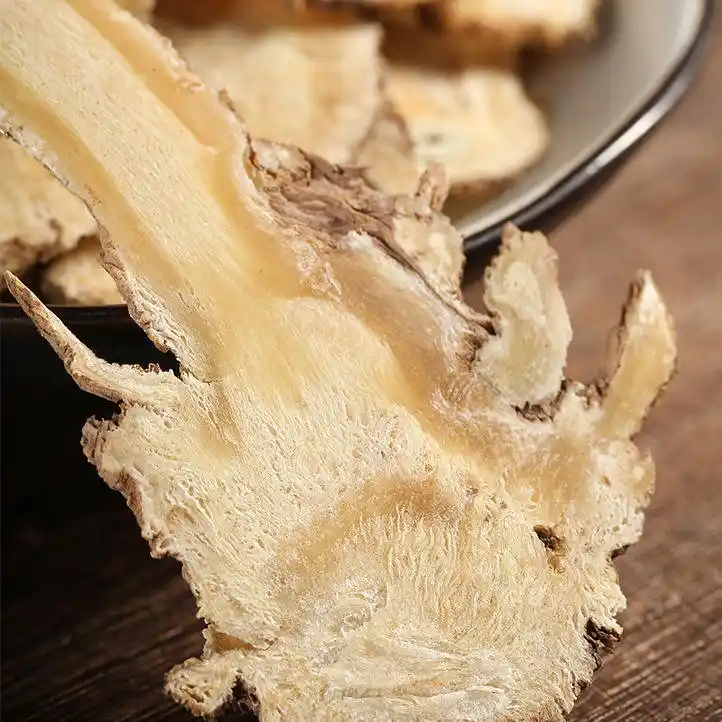
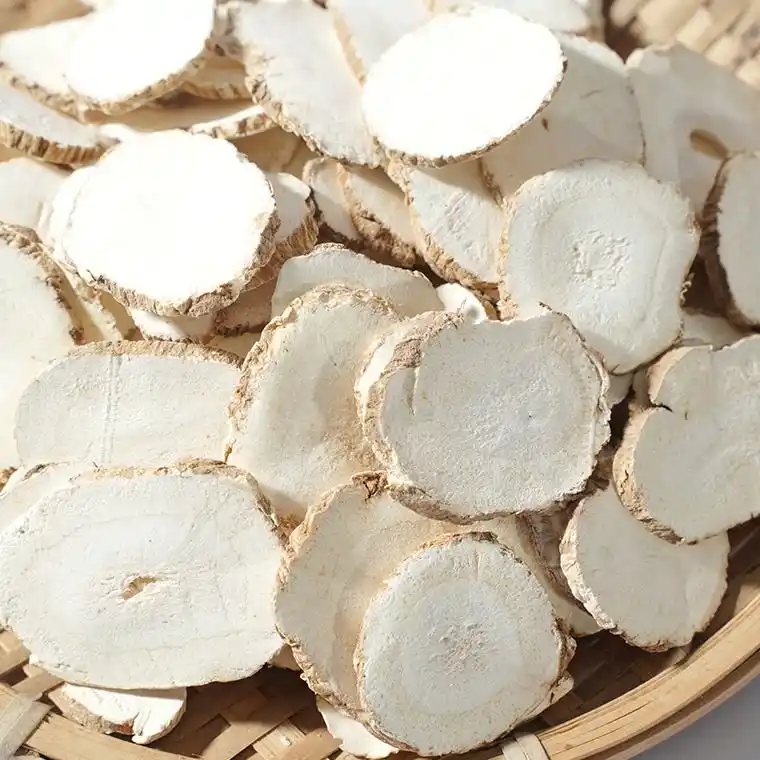
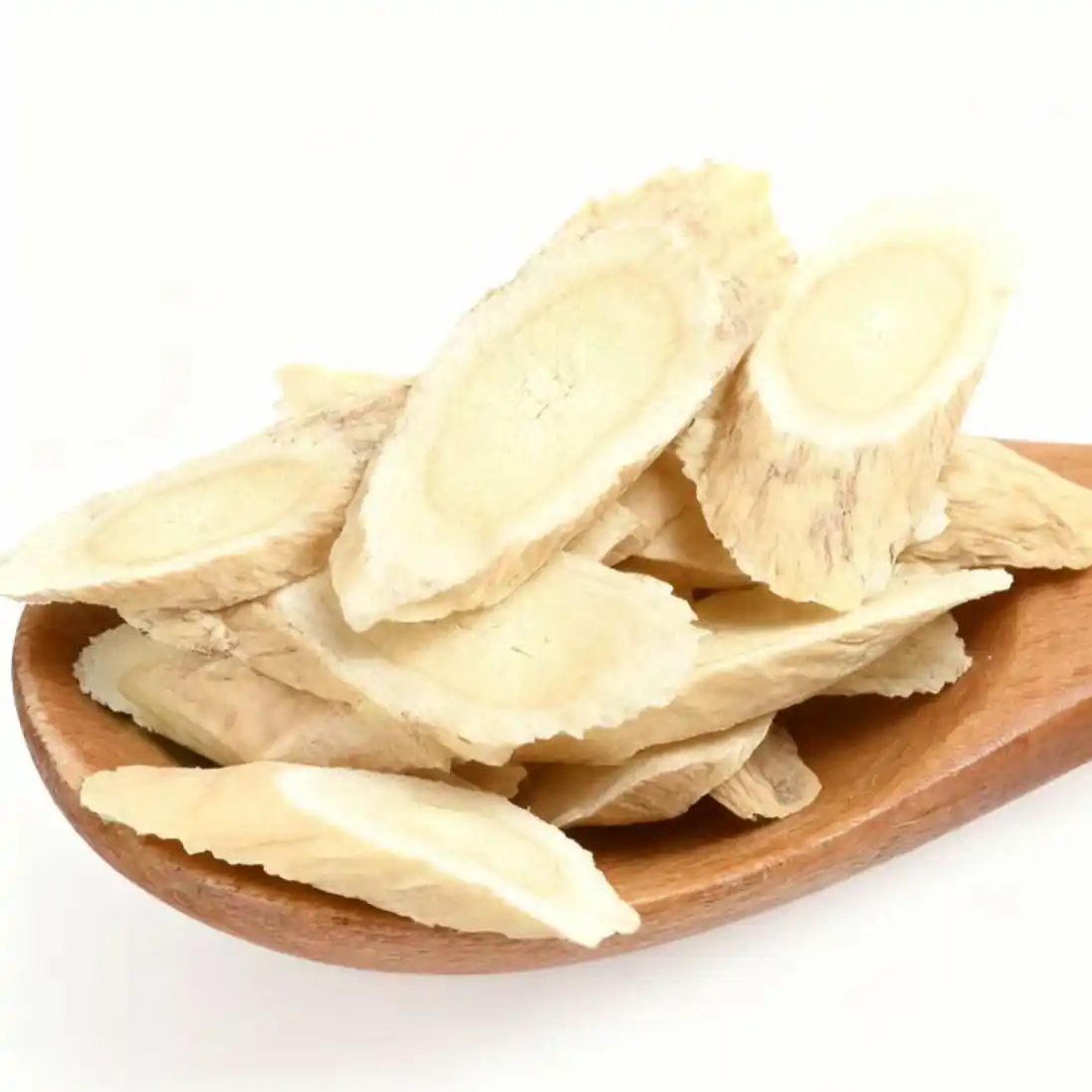
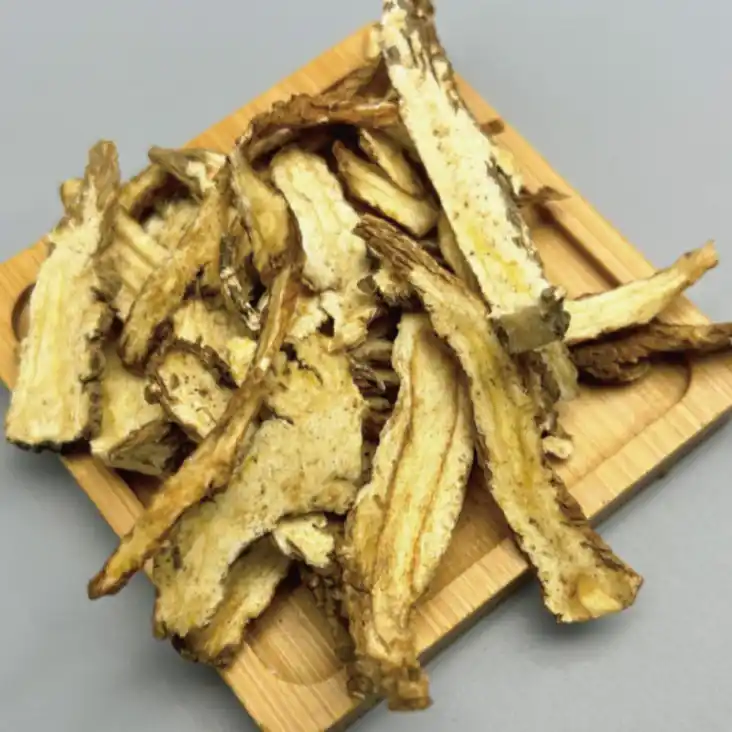
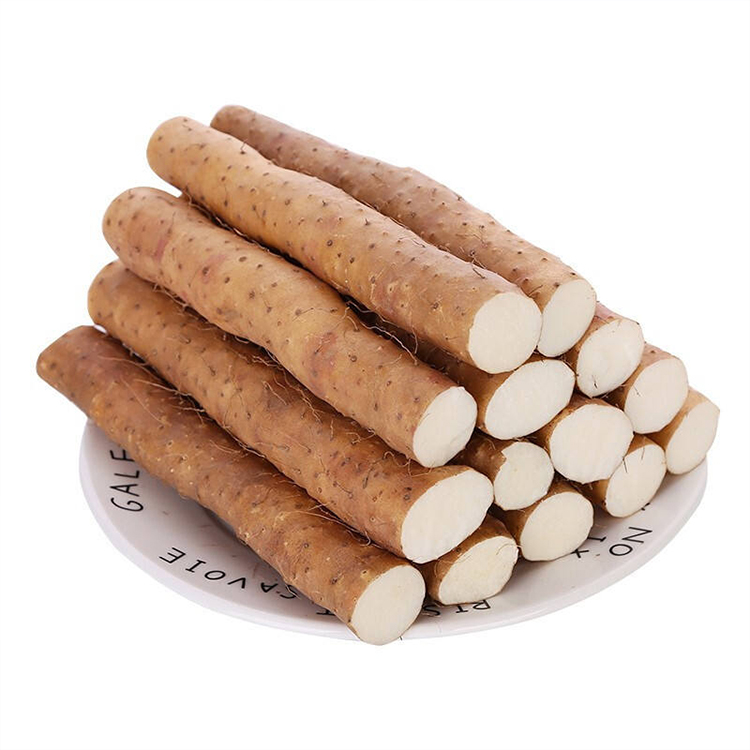
Root and rhizome Chinese medicines – dense, slow-drying items: Angelica, Astragalus, Codonopsis, Pueraria, etc. If someone rush the drying, mold and color problems come. See your supplier’s list for this segment; at GuoCao it’s under root and rhizome Chinese medicines.
Barks cortex Chinese medicines – Eucommia, Magnolia, Cinnamon bark, Phellodendron. Thick plant parts, easy to get damp inside. These live under barks cortex Chinese medicines.
Flower and whole herbs – Chrysanthemum, Honeysuckle, Mulberry leaf, Epimedium and so on. People love them bright and pretty, so in old days sulfur was used to “beautify.” Those are found in flower and whole herbs.
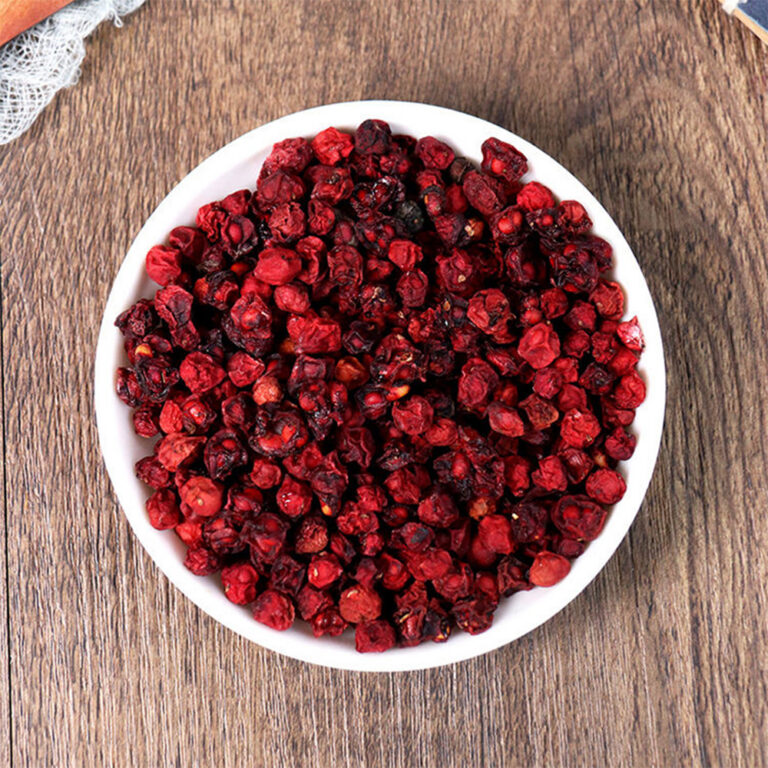
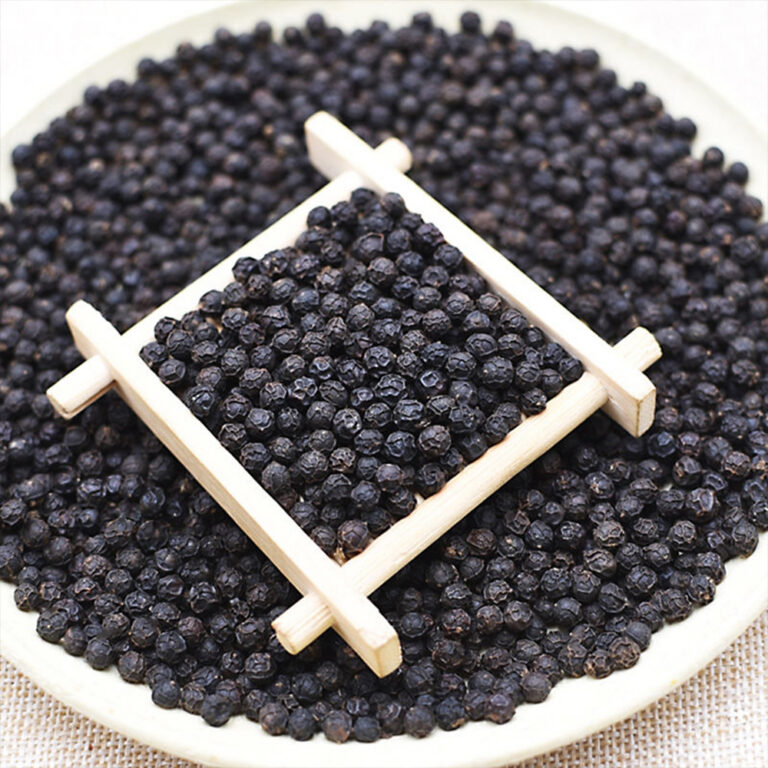
Fruits, seeds and spice-type items – goji, dried tangerine peel, fennel, cardamom, Sichuan pepper, many of them also used as spices.
A mature supplier will explain where sulfur was common in the past, and what they changed in process and sourcing to fix it. If they talk only in very general way, maybe they don’t control it so well.
Question 4 – What processing and storage do you use instead of sulfur fumigation?
If a factory says “we stopped sulfur,” but they still dry herbs on open floor, in random weather, with no storage control, then something’s off. Sooner or later someone adds sulfur again to “save” the batch.
So you ask:
“How do you dry the herbs?” Hot-air, low-temperature, or just sun and luck?
“Do you have normal, cool and gas-control warehouses to keep herbs dry and clean?”
“What’s your moisture spec before shipping?”
GuoCao uses GMP cutting and drying, plus normal temperature warehouse, cool warehouse and modified-atmosphere warehouse. Herbs don’t sit in open air too long. This kind of hardware is not cheap, but it lets them really stay off sulfur.
If another supplier answers, “We just dry in village yard, but don’t worry,” you probably should worry.
Question 5 – How traceable are your sulfur-free herbal slices from farm to plant?
Traceability is not a slogan, it’s a map.
Ask the supplier to walk you through one real batch:
Which growing area or collecting area?
Which buying station or warehouse?
Which GMP production line (cutting / drying / screening / packing)?
Which batch number and COA in the warehouse?
GuoCao has raw material bases, seven procurement warehouses, and GMP lines for wholesale Chinese medicinal herbs and spices. Every exported batch of herbs and slices carries a batch code plus COA. If later you get any feedback from hospital, pharmacy or brand, you can trace back instead of guess.
If one supplier can’t quickly show you “this batch came from here, was processed here, and ended as this finished lot,” then they also can’t quickly solve problems.
Question 6 – How do your sulfur-free herbal slices look, smell and brew in real use scenes?
Lab numbers are important. But in real life, people first look, then smell, then drink.
When sulfur fumigation is too heavy, herbs often:
look too white or too bright, not natural;
smell sharp, a bit sour and irritating;
give a strange feeling in the throat after brewing.
So when you test a new supplier, don’t just read the COA. Do this:
Take several key herbs from roots, barks, flowers and fruits.
Compare them side by side with your current supplier in normal light.
Brew them like your end user really do: decoction, tea bag, or enzyme fermentation.
If the herbs pass both the lab and the “nose test,” you sleep much better.
Question 7 – How do you explain the price and value of sulfur-free herbs?
Let’s be real. Sulfur-free Chinese herbal slices cost more to make: better drying, stricter selection, more testing, higher reject rate. The price per kilo is usually higher than random market goods.
You don’t need exact cost breakdown. But you need a supplier who can explain the value side, not just say “it’s more expensive, that’s it.”
Good value points:
fewer customs problems because of clear SO₂ data;
easier product registration and “clean label” claims;
fewer complaint from doctors and heavy users;
stronger story for your brand and distributors.
GuoCao works with pharma companies, supplement factories, functional drink makers, cosmetic raw material brands, big wholesalers and local retailers. So they talk value in terms of risk control, compliance and long-term brand, not only how many tons per year.
If another supplier space out when you ask “why is your sulfur-free product worth more?” maybe they don’t really know either.
Question 8 – What’s your policy when a batch fails sulfur or other safety spec?
No system is perfect. Sometimes a batch goes out of spec. The real question is: what happens next?
Ask directly:
“What do you do if SO₂ is over limit? Reject, rework, downgrade, or quietly ship to some other buyer?”
“Do you ever blend high and low SO₂ lots for ‘average ok’?”
“Do you have a written rule for batch release and recall?”
In a serious factory, life cycle of a batch looks like this:
Only lots that pass spec can ship to export customers.
Recall / after-sales
If any market finds problem, batch can be traced and acted.
GuoCao runs this logic because their herbs and slices go to more than 30 countries and regions. One mistake can hit many clients at once, so the system must be strict.
If another supplier tells you, “Don’t worry, we never have problem,” that’s not a system, that’s just wishful thinking.
Question 9 – Which usage scenes do you design your sulfur-free herbs for?
Different scenes, different risk.
When you look at a supplier, see if they really understand use scene, not just HS code on paper. For example:
Chinese herbal tea bags and wellness blends – everyday drinks. Color, aroma and taste matter a lot, and “no additives” story also matter. GuoCao provides ready-to-work combos under Chinese herbal tea bags.
Herbal enzyme and postbiotic drinks – fermentation based on herbs like Kudzu, Cistanche, Job’s tears etc. Too much sulfur is not friendly to the microbes. GuoCao doesn’t just sell raw herbs here; they also do OEM/ODM under herbal enzymes.
Dietary supplements and cosmetic raw material – powders, granules, extracts where regulators already watch heavy metals, pesticides and solvents closely. Clean sulfur data removes one more headache.
When you ask, “Which of your sulfur-controlled items best fit hospital, tea, enzyme drinks and supplements?” a good supplier will give you a different shortlist for each scene, with reasons. If they push one same SKU list for everything, maybe they don’t really design for scene.
Question 10 – How will you support my customer education on sulfur-free herbs?
Today’s users are not shy. They’ll ask:
“Is this decoction piece really natural?”
“Does this tea have preservatives?”
“Will this enzyme drink trigger my allergy?”
You can’t just show them a PDF COA. You need simple, honest content: short FAQs, blog posts, one-page explanation, maybe some picture from plant. GuoCao already shares articles about herb quality, sulfur-free slices, decoction vs tea vs enzyme drinks, and the whole one-stop wholesale Chinese medicinal herbs and spices supplier idea across roots, flowers, barks, fruits and spices.
Check their background page at GuoCao About and you’ll feel how they tell the story: plain language, real plant photos, no weird buzzwords.
When you choose a supplier, ask:
“Can we use your process photos or diagrams in our education materials?”
“Can you help us explain SO₂ and ‘sulfur-free’ in normal words for doctors and consumers?”
“Can your QA or tech team join a call with our marketing team once, so we speak same language?”
This soft side looks small, but it saves you tons of time later, and helps your buyers trust your brand, not only your price.
Final quick checklist for buyers
You don’t need to be an expert chemist. Just keep these ten questions on your desk:
What SO₂ limit do you follow for each herb?
How do you test SO₂ and other residues in every batch?
Which herbal categories in your catalog had sulfur risk before, and how you fix it?
What processing and storage do you use instead of sulfur?
How traceable is one batch from farm to GMP production?
How do your sulfur-free slices look, smell and brew in real use scenes?
How do you explain the price and value difference?
What’s your rule when a batch fails spec?
Which usage scenes do you design these herbs for?
How will you help me teach my customers about sulfur-free herbs?
If a supplier can answer all ten with real details, samples and documents, not only nice talk, then you’re not just buying herbs. You’re buying less risk, smoother customs, and better sleep for yourself and your team.
And if you want a benchmark to compare, you can always look at GuoCao: GMP herbal slice lines, ISO 22000, third-party COA, around 2500 tons annual capacity, OEM/ODM service for decoction pieces, tea bags and enzyme drinks, and shipments to more than 30 countries. It’s a good reference point when you ask the next supplier, “Can you do the same, or maybe even better?”
Our low MOQ of 1 kg (2.2 lb) makes it easy to order Chinese herbal slices or wholesale Chinese medicine herbs. Private-label and bilingual labeling are also available.
Delivery Cycle & Support
We have a fast 7-day lead time. We provide free samples, COA reports, and technical support to help you bring high-quality bulk Chinese herbs to market.
Quality & Certifications
Our products are manufactured in a GMP-certified facility and meet ISO22000 standards. All Chinese herbs are third-party tested for heavy metals, pesticides, and microorganisms.