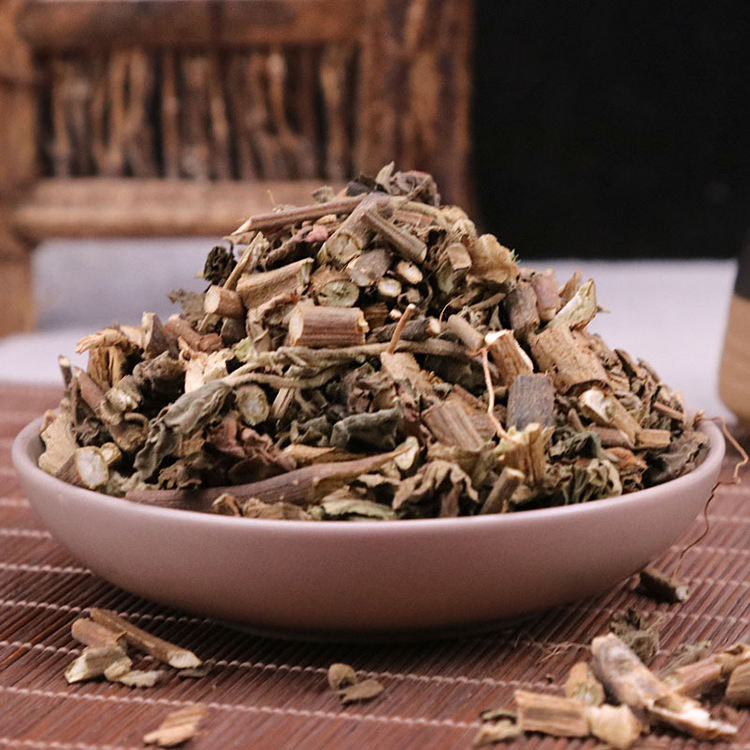
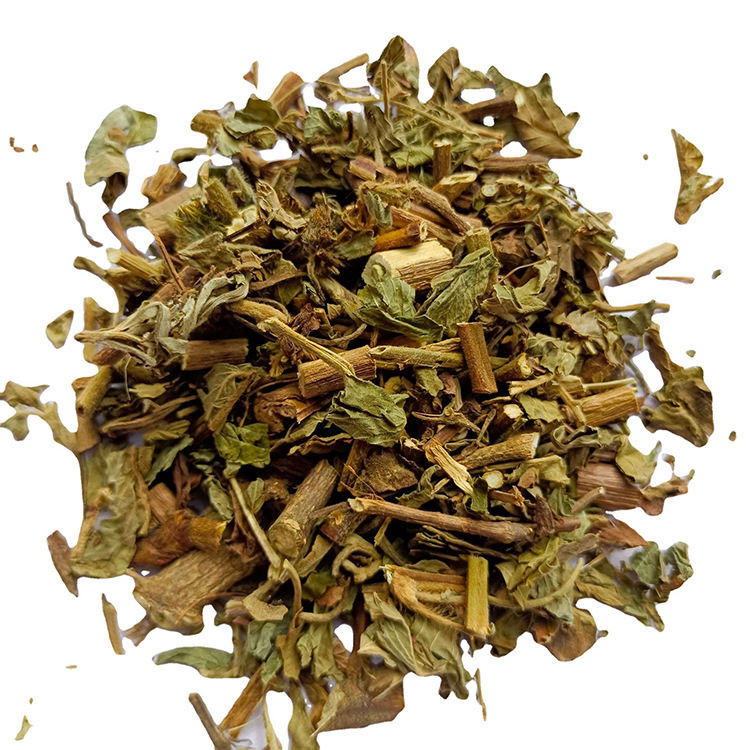
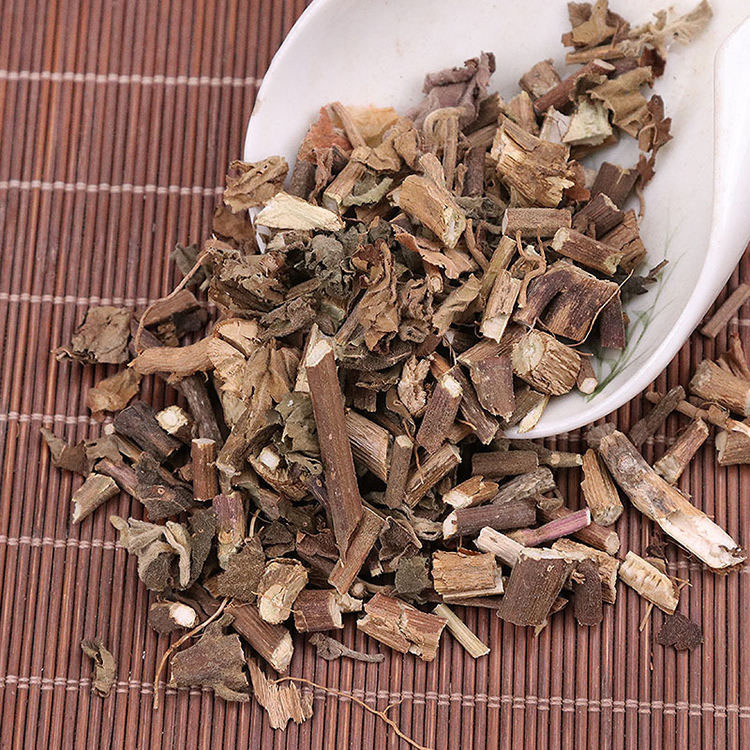
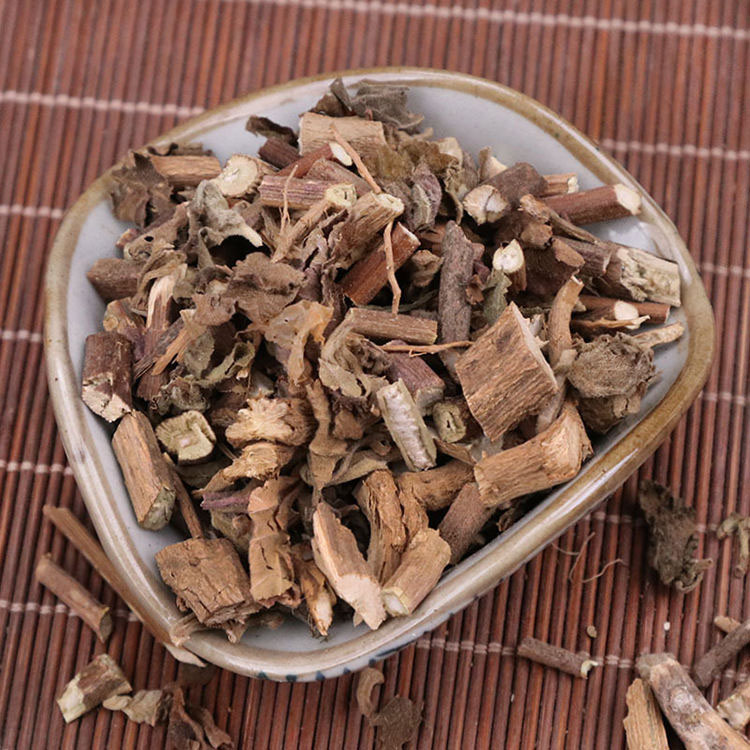
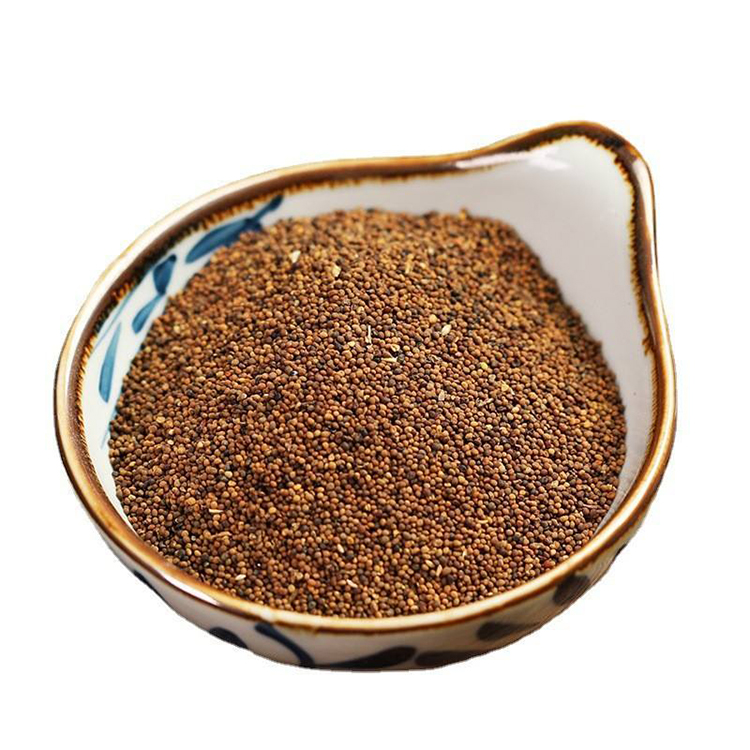
Patchouli (Guang Huo Xiang): essential oil retention vs kill-step—tradeoffs explained
Patchouli processing is not a purity fairy tale. It is a negotiation between volatile-oil retention, microbial control, regulatory pressure, and what buyers will still accept once the bag is opened.
This piece explains where Guang Huo Xiang value really sits, why the kill-step cannot be dodged, and how ChineseHerbalSlices.com should interlink its own patchouli pages to convert skeptical buyers.
Patchouli makes money through aroma, but the same Guang Huo Xiang lot that smells rich, earthy, and alive can also trigger real safety and compliance questions once it moves into export channels, contract manufacturing, food use, or any audited herbal supply chain that no longer accepts hand-waving in place of microbial control.
So what gives?
I’ll say it plainly: I do not buy the childish industry story that you can “protect all the aroma” and “guarantee all the safety” without cost. You pay somewhere. You pay in volatile loss, in process complexity, in validation expense, in market access, or in buyer trust. Usually in two or three at once.
Patchouli is not just “another dried herb,” and anyone selling it that way is flattening the economics of the material, because Guang Huo Xiang is valued for a volatile profile that buyers can smell instantly and that formulators often try to preserve through every step from drying to sanitation to packing.
A 2024 patchouli-oil study reported that the three main components observed across treatments were α-guaiene, δ-guaiene, and patchouli alcohol, which is exactly why aggressive heat treatment can turn a premium aromatic herb into a technically safe but commercially dull one. On GuoCao’s own site, the Patchouli (Guang Huo Xiang) bulk supplier page places the herb under Flower and Whole Herbs, and that taxonomy is useful because aromatic leaf materials deserve a different QA conversation from roots, minerals, or neutral carriers.
I’ve watched too many ingredient teams obsess over heavy metals and total plate count, then act surprised when the post-treatment lot opens flat. But buyers do not pay top money for “safe enough and smells mostly gone.” They pay for a lot that clears risk without losing identity.
Why the kill-step is not optional anymore
Hard truth first.
A kill-step is no longer a nice-to-have for aromatic herbs headed into modern supply chains; it is a validated microbial-reduction step that protects the importer, the brand owner, the co-manufacturer, and the distributor from discovering too late that a beautiful herb was also a regulatory liability.
The regulatory tone has moved in one direction only. In its January 2024 draft hazard-analysis appendix, FDA states that Table 1O for spices and herbs identifies Cyclospora as a known or reasonably foreseeable biological hazard for some herbs in two food subcategories. And if a processor uses irradiation, FDA says irradiated foods must carry the Radura symbol and treatment statement, although individual ingredients in multi-ingredient foods such as spices do not have to be labeled separately. That is not abstract theory. That is the current operating climate.
So no, the real question is not whether Guang Huo Xiang needs a kill-step. The real question is which kill-step damages the least while satisfying the market you actually sell into.
My view on the tradeoff nobody should romanticize
Steam is not evil.
Badly controlled steam is evil, because the damage usually comes from overexposure, uneven particle size, poor load density, weak airflow control, or lazy process design that treats every herb as if it were coriander powder or a bland root chip.
I also think the market has become less tolerant of shortcuts. ASTA’s food-safety materials from late 2023 through 2024 show how intensely the spice trade has been discussing alternatives as pressure around ethylene oxide rose, and Reuters’ 2024 coverage of pesticide and contamination scrutiny made one thing obvious: “we’ve always done it this way” is not a defense anyone serious wants to bring to a buyer call.
The tradeoff table I’d use before buying any patchouli lot
Processing path
Microbial reduction confidence
Patchouli oil retention risk
Buyer/regulatory friction
My blunt take
No validated kill-step after drying
Low to inconsistent
Low immediate aroma damage
Very high
Fine only if a downstream processor owns lethality and documentation. Most exporters should avoid this fantasy.
Conventional steam kill-step
High when validated
Medium to high, depending on time/temperature/load
Low to medium
Good for safety. Bad when operators pretend aroma loss is negligible.
Optimized short-residence or gentler steam setup
Medium to high
Medium
Medium
Usually the best compromise for premium aromatic herbs if the processor actually knows the herb.
Irradiation
High
Low to medium sensory change, product-specific
Medium because some buyers resist it
Underused in conversations, often stronger on safety than on marketing appeal.
Ethylene oxide-style treatment where legally relevant
High
Often better aroma retention than heavy heat, but not a free pass
High and getting worse
Commercially sensitive. The reputational drag can wipe out the processing advantage.
That table is an operating model, not a religion. Method choice depends on destination market, labeling tolerance, customer category, and how much aroma loss your formula can survive. FDA’s irradiation rules and ASTA’s published treatment resources are worth reading before anyone makes sweeping claims about what is “best.”
What I would ask a Guang Huo Xiang supplier before signing anything
Three things.
First, show me the microbial file after the actual kill-step, not a raw-material test done before treatment. Second, show me the volatile story, ideally with GC-MS or at least a defensible sensory and marker comparison before and after treatment. Third, show me how the lot was packed and stored after lethality, because recontamination after a clean step is the dumbest failure in the business.
This is where ChineseHerbalSlices.com already has usable proof points, and it should lean harder into them. The site’s Herbal Product Safety: Pesticide and Heavy Metal Testing page, GuoCao FAQ for bulk Chinese herbs and spices, and Custom Chinese herbal & spice solutions pages all emphasize GMP production, ISO 22000 standards, microorganism testing, free samples, COA reports, low MOQ at 1 kg, and a stated 7-day lead time. Those are not minor sales details; they are exactly the reassurance a buyer needs after the last two years of spice-sector scrutiny.
The internal-link cluster this site should push harder
Because the buyer searching “patchouli essential oil retention,” “patchouli sterilization,” or “how to preserve Guang Huo Xiang aroma during kill-step” is rarely ready to convert after one page. They need commercial proof, technical proof, and process logic in sequence. The site already has the parts. It just needs to connect them like it means it.
FAQs
What is a kill-step in patchouli processing?
A kill-step in patchouli processing is a validated microbial-reduction treatment—most often steam, irradiation, or another controlled lethality step—applied after cleaning and sizing to lower pathogens and spoilage organisms to a commercially acceptable risk level without pushing Guang Huo Xiang so hard that its signature aroma profile collapses. FDA’s current hazard framework for herbs and spices is exactly why this step matters.
In plain English, it is the moment where the processor proves the herb is not just fragrant, but defensible. If that proof is weak, the whole lot becomes someone else’s problem later in the chain.
What does patchouli essential oil retention actually mean?
Patchouli essential oil retention is the share of native volatile compounds, especially aroma-defining sesquiterpenes such as patchouli alcohol, that remain detectable and commercially useful after drying, sanitation, storage, and packing, rather than being stripped out by heat, oxygen exposure, excessive residence time, or rough handling. A 2024 study highlighting α-guaiene, δ-guaiene, and patchouli alcohol as major components shows why retention is not a vague sensory issue; it is a chemistry issue.
That is why two microbiologically clean lots can still sell very differently. One smells like real patchouli. The other smells tired.
Which kill-step is usually best for export patchouli?
The best export-oriented kill-step for patchouli is the microbial-reduction method that matches your destination market, buyer tolerance, labeling constraints, and aroma target, because no single process wins on every variable once you factor in pathogen control, sensory retention, validation cost, and regulatory acceptance. FDA labeling rules for irradiation and the spice trade’s active debate over treatment alternatives make that decision market-specific, not ideological.
My bias is simple: use the least damaging validated method that still clears the customer’s spec and market rules. Anything else is vanity or panic.
How should buyers verify patchouli essential oil quality after sterilization?
A credible patchouli quality verification file is a batch-level evidence package combining identity, volatile-profile testing, microbiology, contaminants, process traceability, and post-treatment handling data, so a buyer can judge not only whether the lot is safe, but also whether it still smells and performs like real Guang Huo Xiang. On this site, the right support pages already point to COA reports, microorganism testing, GMP production, and ISO 22000 systems.
I would ask for pre- and post-treatment evidence whenever the aroma matters. Not because I enjoy paperwork. Because paperwork is cheaper than discovering quality loss after production starts.
Conclusion
Buyers remember the opening note.
If you want Guang Huo Xiang that survives compliance without losing its commercial soul, start with the Patchouli product page, move through the safety testing page, check the FAQ, and take the commercial step through custom OEM/ODM solutions or the contact page. Then ask the one question that separates serious suppliers from brochure writers: what, exactly, happened to the aroma after the kill-step?
Our low MOQ of 1 kg (2.2 lb) makes it easy to order Chinese herbal slices or wholesale Chinese medicine herbs. Private-label and bilingual labeling are also available.
Delivery Cycle & Support
We have a fast 7-day lead time. We provide free samples, COA reports, and technical support to help you bring high-quality bulk Chinese herbs to market.
Quality & Certifications
Our products are manufactured in a GMP-certified facility and meet ISO22000 standards. All Chinese herbs are third-party tested for heavy metals, pesticides, and microorganisms.