When you sit down to plan a 12-month purchasing calendar, the same headache comes back:
How much budget should go into herbal tea bags, and how much into enzyme drinks?
Both ride on the health & wellness wave. But they behave very different in market, supply chain, and margin. Let’s walk through it in a simple way, and also plug it into what GuoCao can actually do for you as a Chinese herbal OEM/ODM supplier.
Global Tea Bags Market and Functional Herbal Tea Demand
Around the world, tea is still a huge, steady business. Industry data shows a multi-billion-dollar global tea market with mid single-digit annual growth. Inside that, tea bags keep gaining share every year.
Why?
People want convenient, single-serve formats.
Retailers like clean shelf presence, clear SKUs, easy scanning.
Functional and herbal blends move from “niche” to “everyday”.
Consumers in Europe, North America and Asia Pacific shift from loose tea to more value-added formats: sleep blends, detox recipes, immunity, women’s wellness and so on.
For you as a buyer, this means:
Tea bags are predictable volume.
Functional herbal tea bags give room for better positioning than basic black tea.
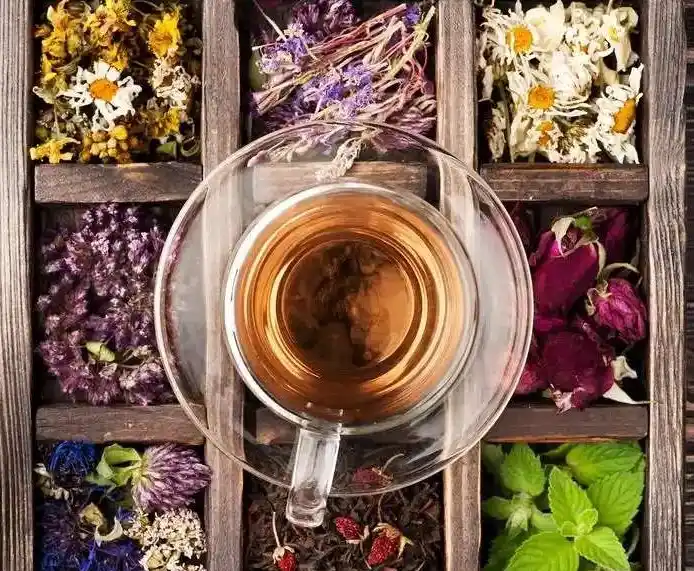
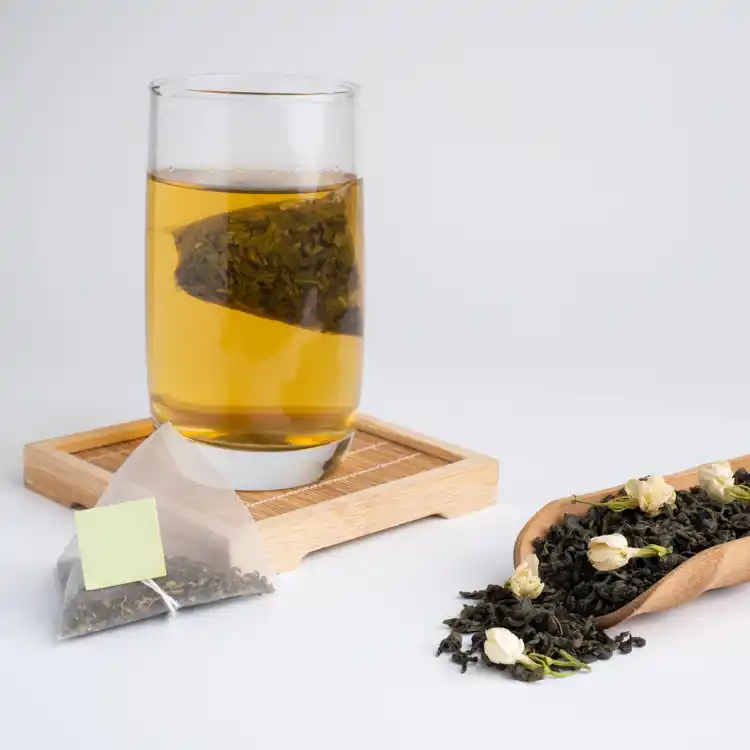
GuoCao’s Chinese herbal tea bags line plugs right into this demand: sleep support, liver care, women’s formula, gout-friendly blends, office “stay awake” tea, etc. All of them start from GMP-grade Chinese medicinal herbs and spices and run on ISO 22000 lines.
In your annual plan, tea bags usually carry:
Base turnover
Entry-level price points
“Safe” SKUs for hospitals, pharmacies, clinics and chain stores
You normally don’t want to cut this base too hard.
Digestive Enzyme Drinks and Herbal Enzymes Market Trend
On the other side, we have enzyme drinks and herbal postbiotic beverages.
Global functional beverage data shows:
Enzyme and digestive drinks sit in a smaller but fast-growing niche.
Growth rate is often higher single digit, faster than classic tea.
Demand is pulled by gut health, bloating, IBS, weight management, beauty-from-within and “drinkable skincare”.
So enzyme drinks behave more like growth engines, not like base commodities.
COA for every batch and clean pesticide / heavy metal profile.
GuoCao helps here with a full chain from origin storage to GMP slicing, then to herbal tea bag OEM filling. That means you don’t juggle three different suppliers just to put one box on the shelf.
Herbal Enzyme Drinks in E-commerce and DTC Channels
Enzyme drinks play better in digital and specialty channels:
Subscription boxes with a 7-day or 30-day enzyme pack.
Here, the language shifts:
“Postbiotic fermented Kudzu Root with gut-friendly profile.”
“Daily enzyme shot to stack on top of herbal tea usage.”
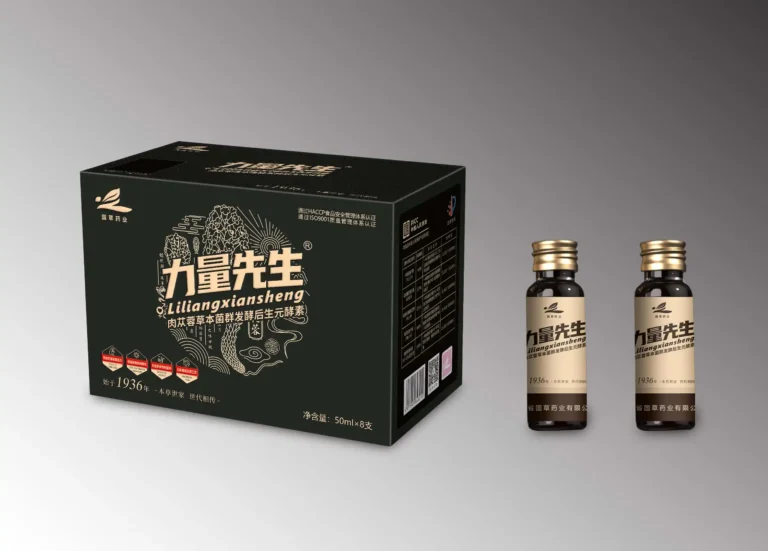
“Cistanche enzyme drink built on medicinal-food homologous raw materials.”
This is where GuoCao’s herbal drinks portfolio plus enzyme line lets you build laddered product stories: from simple tea bag, to stronger tea, to liquid enzyme.
OEM/ODM Supply Chain for Chinese Herbal Tea Bags and Enzyme Drinks
Dry Chinese Herbal Tea Bags Production (GMP, ISO 22000)
Even if both use herbs, tea bags and enzyme drinks live in two different factories in practice.
For tea bags, the flow is:
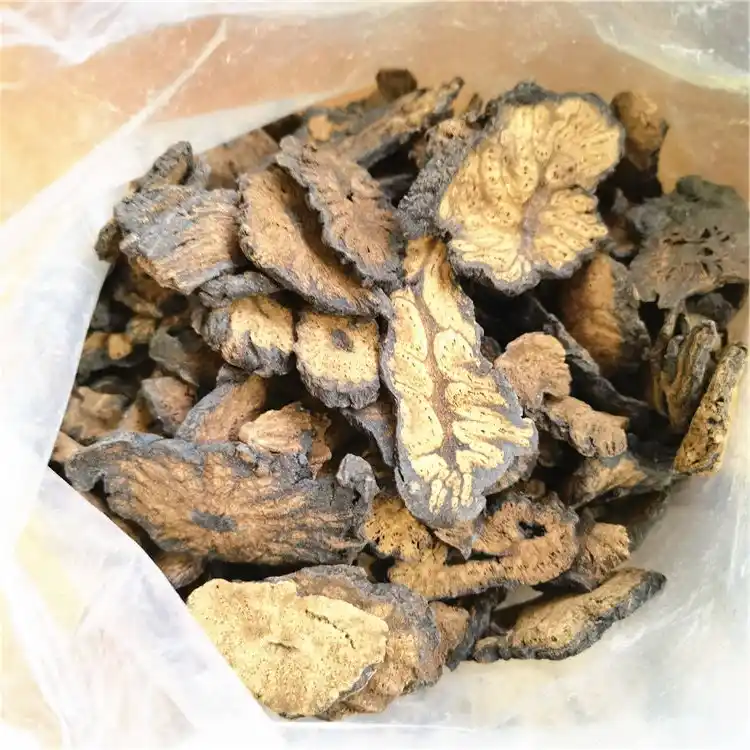
Source and store dried roots, rhizomes, flowers, fruits, barks and whole herbs in ambient / cool / modified-atmosphere warehouses.
Slice, grade and cut under GMP and ISO 22000 rules.
Control moisture, mesh size and contamination load.
Fill into tea bags (flat, double-chamber, pyramid), then into envelopes and cartons.
Pain points we hear from buyers:
Cut size not consistent → extraction color and taste jump around.
Herb ID and origin not clear → no real traceability when client ask questions.
No single COA format → QA team wasting time.
GuoCao solves those with standardized slicing specs, ERP traceability and bulk wholesale herbal supplier systems, then carries that into the bagging stage.
Chinese Herbal Enzyme Drinks Production and Postbiotic Fermentation
For enzyme drinks, the story is different:
Extract herbs in water or mixed solvent under controlled conditions.
Add selected strains, run fermentation in closed tanks.
Monitor pH, Brix and target active compounds.
Filter, blend, maybe pasteurize, then hot-fill or aseptic-fill into bottles.
Stability and shelf-life tests before launch.
Risk points buyers care about:
Micro out-of-spec near end of shelf life.
Off-flavor due to unstable fermentation control.
Local regulatory definition: is it a drink, a supplement, a “quasi drug”?
GuoCao runs these enzyme products on separate lines from dry herbs, with full QA documents. Because the same team also controls the herb slices, you don’t get the usual “supplier A blame supplier B” loop. You get one QA stack, one set of documents, one partner to yell at (in a good way).
If you check the GuoCao Story, you’ll see the warehouse, lab and production upgrades they already made for this.
Budget Allocation Models for Tea Bags and Enzyme Drinks
Let’s make this more concrete. No exact cost numbers, just roles.
This way, your merch team builds families, not random SKUs. Buyers and doctors can talk in sets: “Take this tea everyday, this enzyme when your gut need help.”
Action Checklist for Overseas Buyers Working With GuoCao
To close, here’s a practical checklist you can use while building the annual plan with GuoCao.
Define category roles.
Tea bags = base volume + institutional acceptance.
Enzyme drinks = growth + differentiation + digital story.
Our low MOQ of 1 kg (2.2 lb) makes it easy to order Chinese herbal slices or wholesale Chinese medicine herbs. Private-label and bilingual labeling are also available.
Delivery Cycle & Support
We have a fast 7-day lead time. We provide free samples, COA reports, and technical support to help you bring high-quality bulk Chinese herbs to market.
Quality & Certifications
Our products are manufactured in a GMP-certified facility and meet ISO22000 standards. All Chinese herbs are third-party tested for heavy metals, pesticides, and microorganisms.