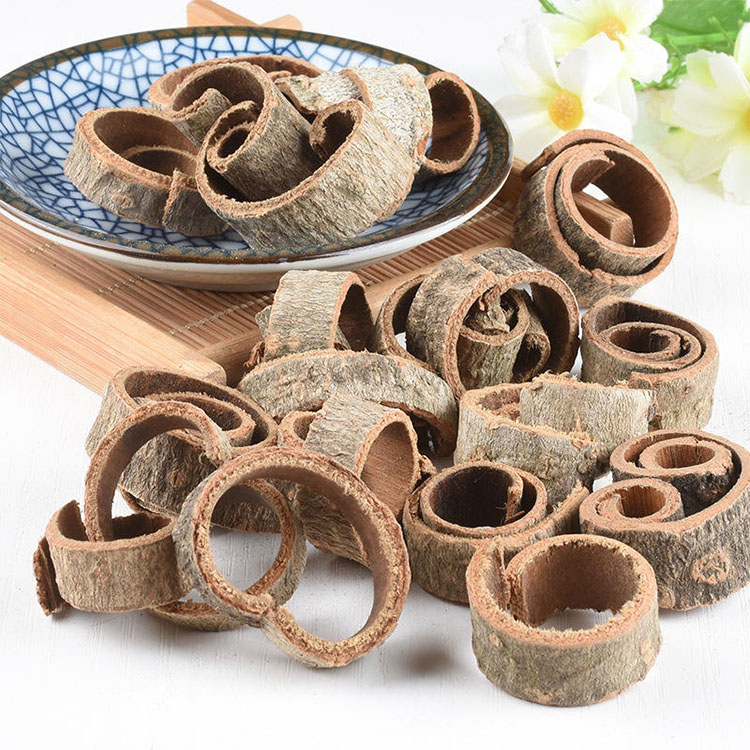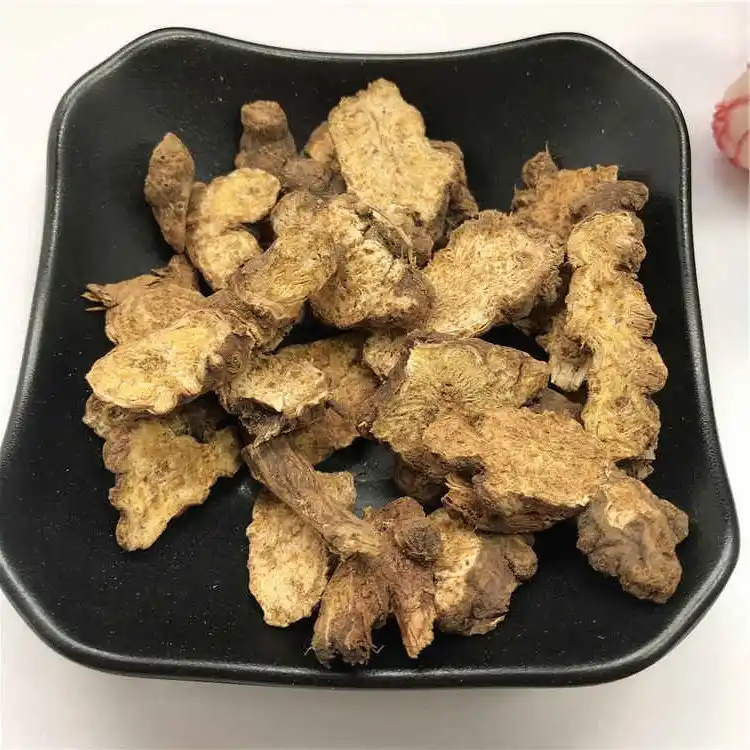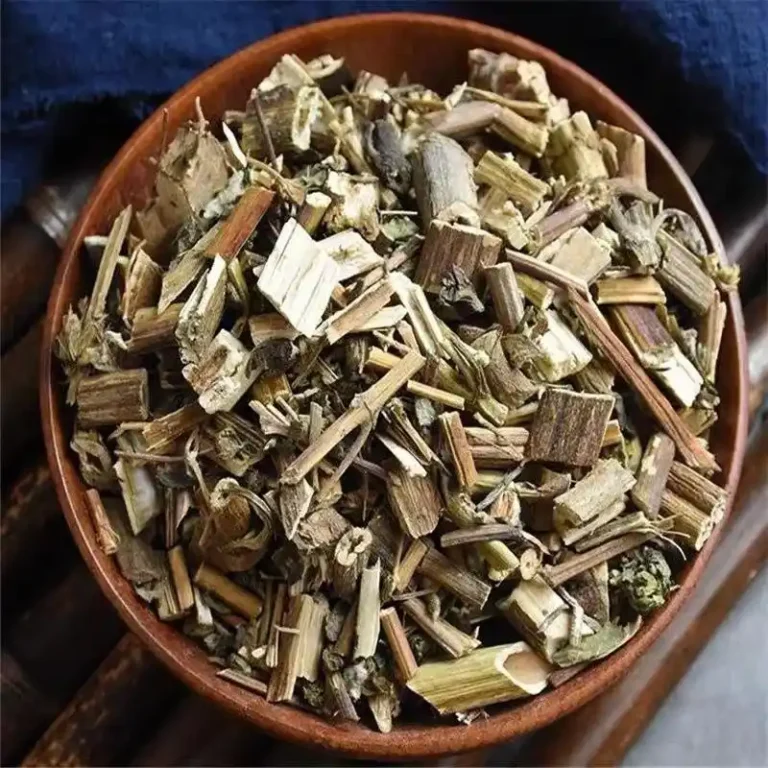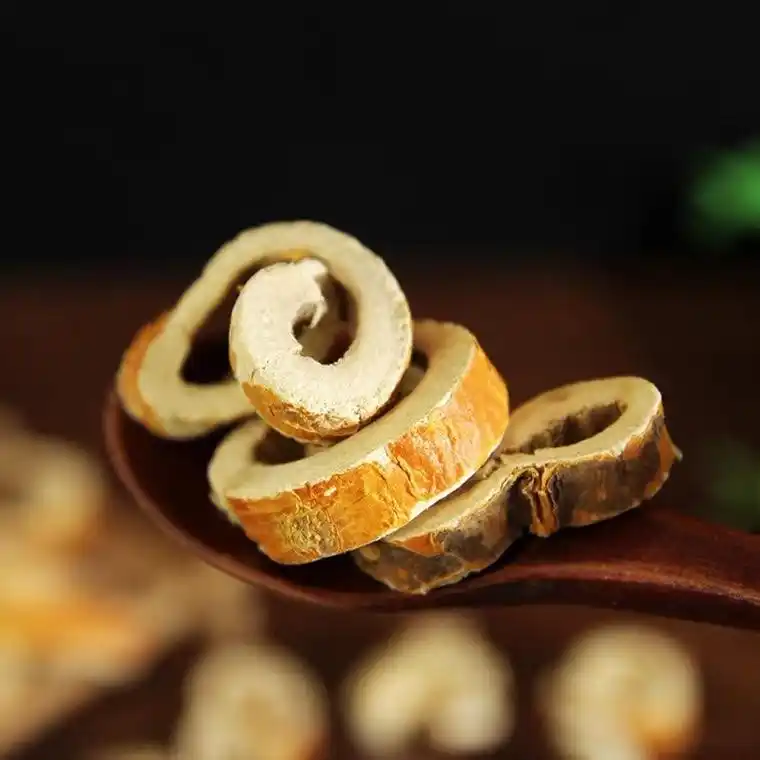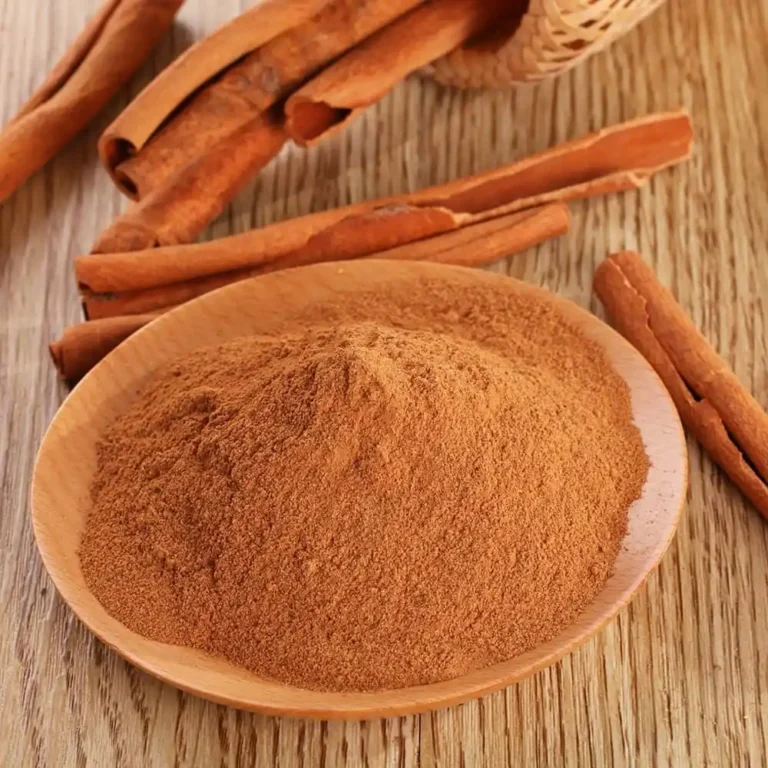



Most Hou Po problems blamed on “the herb” are really failures in sampling, process control, and carton handling. This guide explains how to reduce bitterness, prevent resin stickiness, and write supplier specs that survive real bulk trade.

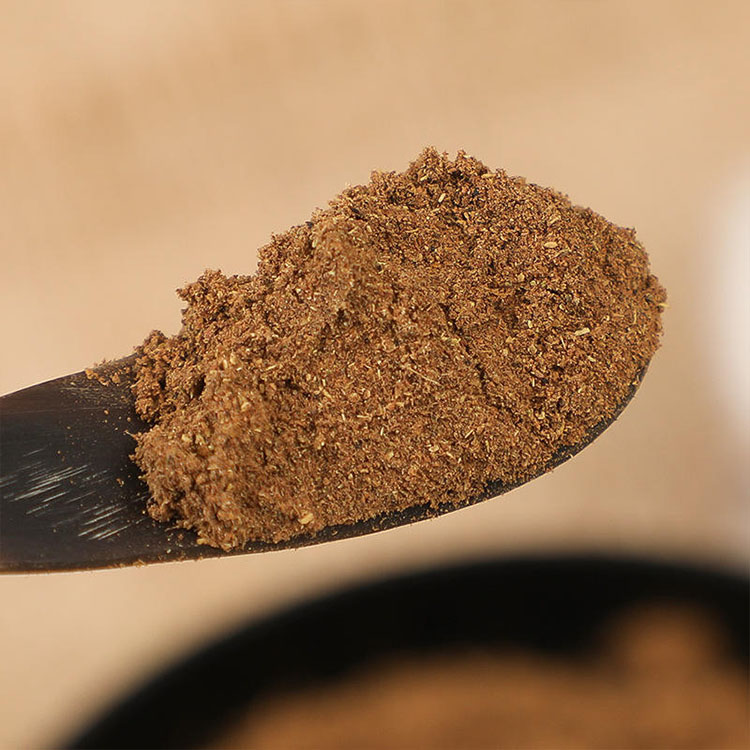
Most spice buyers do not lose money on bad specs. They lose it on lazy sampling that punishes good lots and still misses real contamination pockets. This guide shows how many bags to sample, when to composite, and how to cut false rejections without going soft on safety.

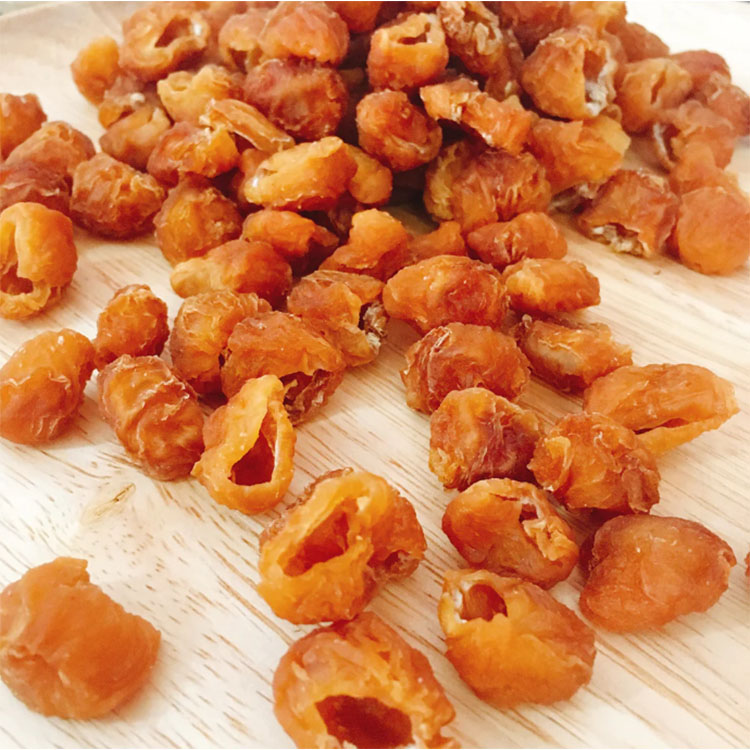
Dried longan doesn’t “randomly” fuse to cartons—heat, moisture, and the wrong liner create a sugar-based adhesive. This post shows the numbers, the failure modes, and the carton-lining choices I’d actually sign my name to.

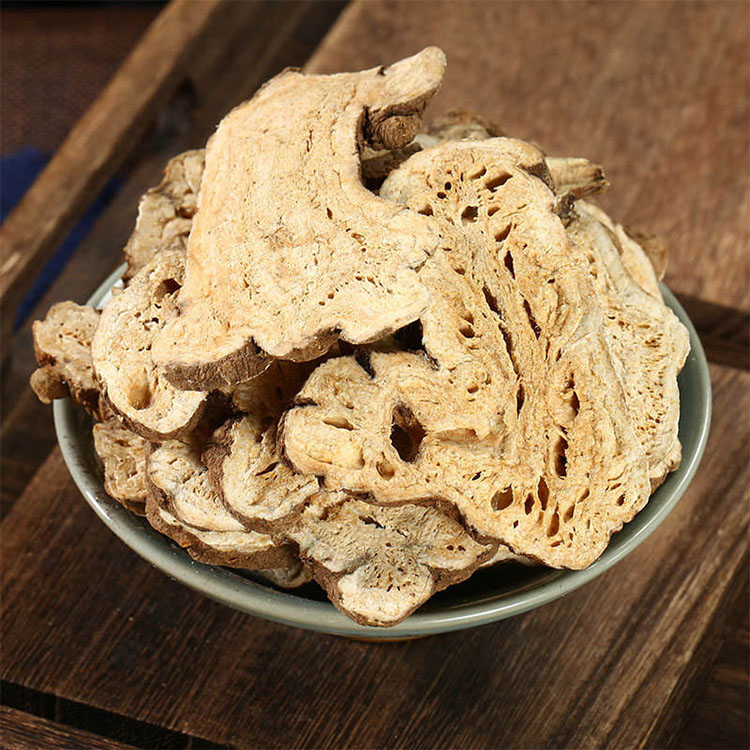
Most “mold claims” on Bai Zhu aren’t mysterious—they’re humidity, temperature swing, and weak packaging barrier working together. This guide gives humidity bands, alarm setpoints, and receiving specs (moisture + water activity) that reduce disputes.

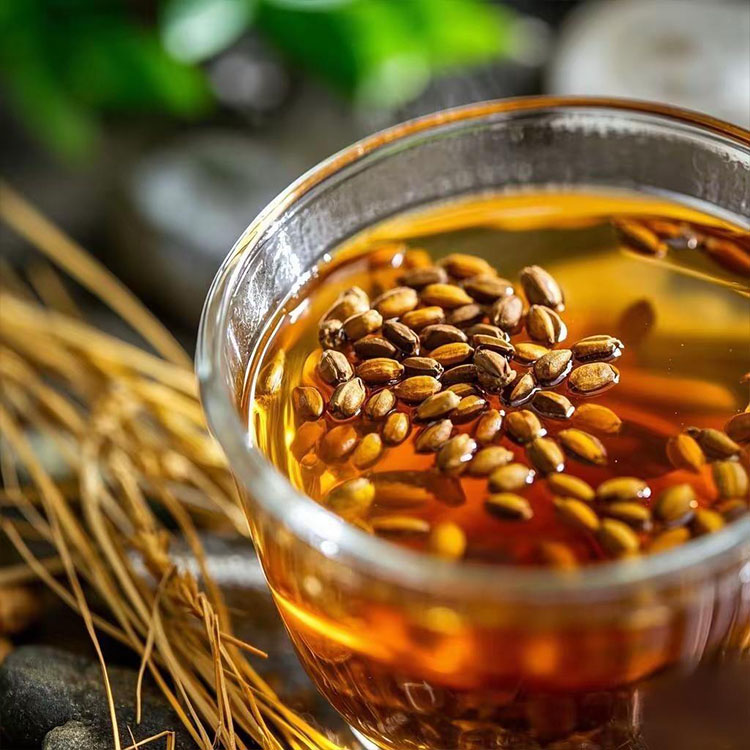
Cassia seed (Jue Ming Zi) is an easy ingredient to buy and a hard ingredient to run. This is the cleaning and QC playbook that keeps tea-bag lines from choking on dust, stones, residues, and paperwork.

Huang Lian’s alkaloids don’t “taste bad” by accident—they’re chemically built to linger. This is the practical, skeptic-proof playbook to manage bitterness while staying audit-ready and claim-safe.

Most Bai Zhu disputes aren’t “quality” problems—they’re spec problems. This is the practical way to write acceptance limits for ash, breakage, and odor that survive IQC, audits, and arguments.

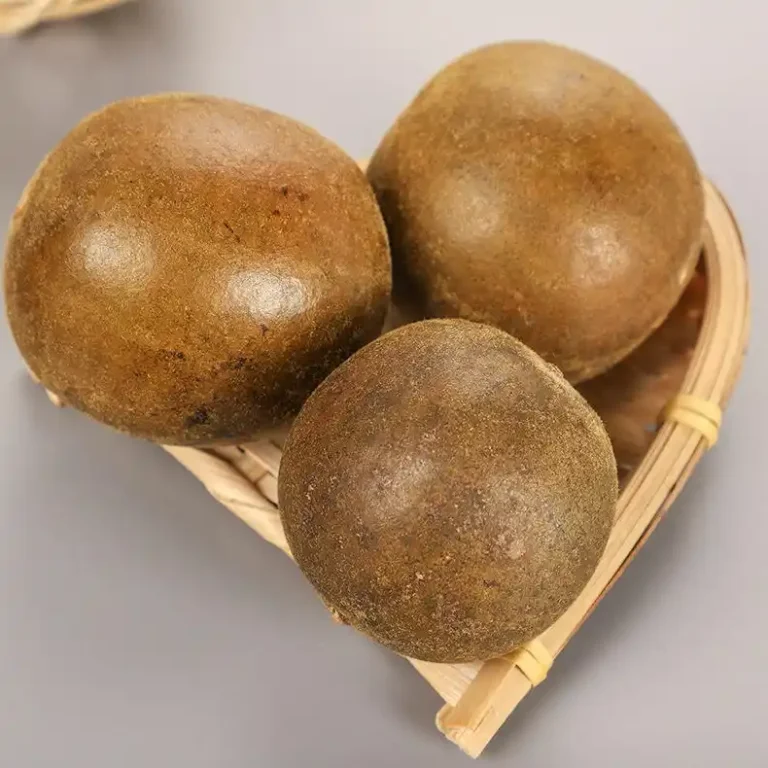
Monk fruit “size grades” feel objective—until you tie them to mogroside reality and container heat. I map the real grading math, the shipping abuse points, and the lab tests importers should demand before paying “XL” prices.

Mixed-part lots are where “Patrinia root” shipments go to die: wrong plant part, wrong species, and lazy documentation all pile up fast. Here’s the blunt, test-driven playbook to keep Bei Bai Jiang Cao authentication from embarrassing you at receiving—or at the port.

Sang Bai Pi dust complaints aren’t “a packaging issue.” They’re a cleaning standard issue—written, verified, and enforced (or not) at the line.

Most “reference samples” in spice blend OEM are theater: a bag on a shelf, no chain-of-custody, no objective match logic. Here’s the system that actually pins flavor targets—sensory, lab markers, and retains—so batches don’t drift and recalls don’t turn into guesswork.

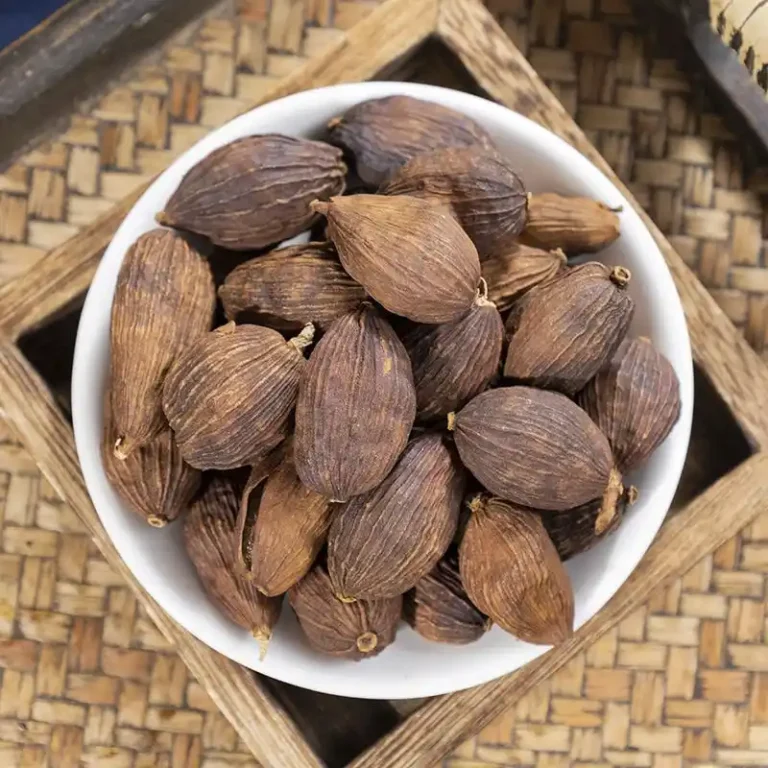
If you buy Tsaoko / Cao Guo (Amomum tsao-ko) in bulk, you already know the drama: the bags look fine, then you crack one open and the smell hits you. Or the top layer is crisp, but the middle is…