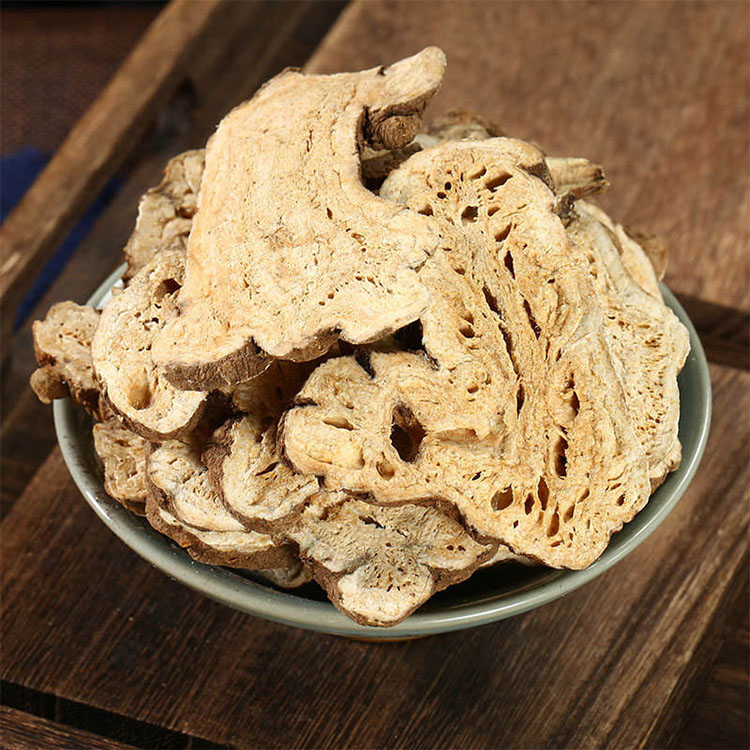
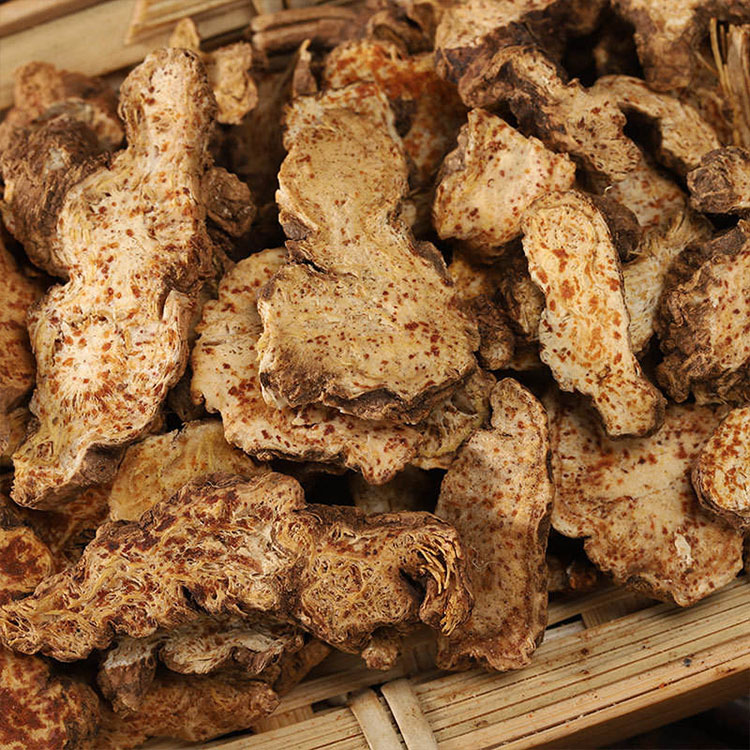
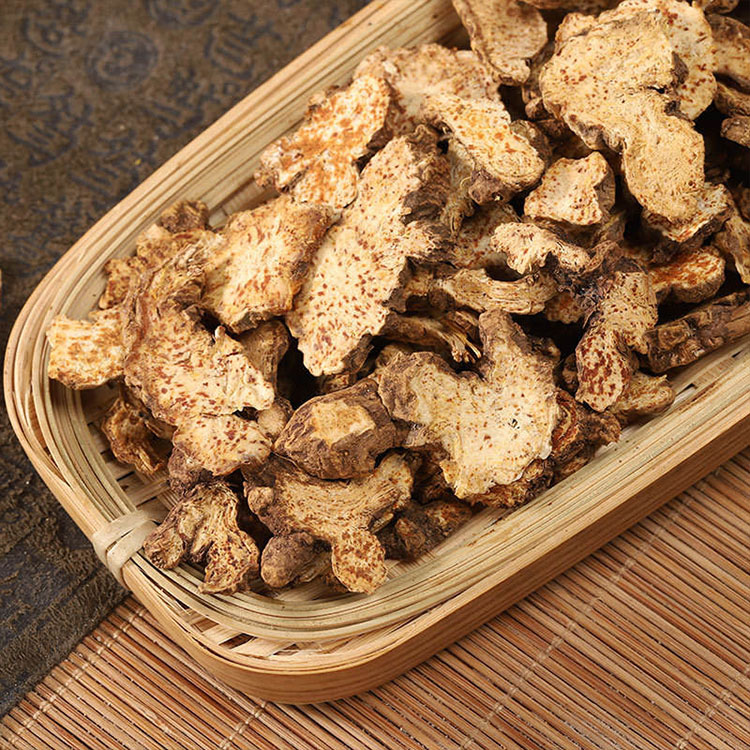
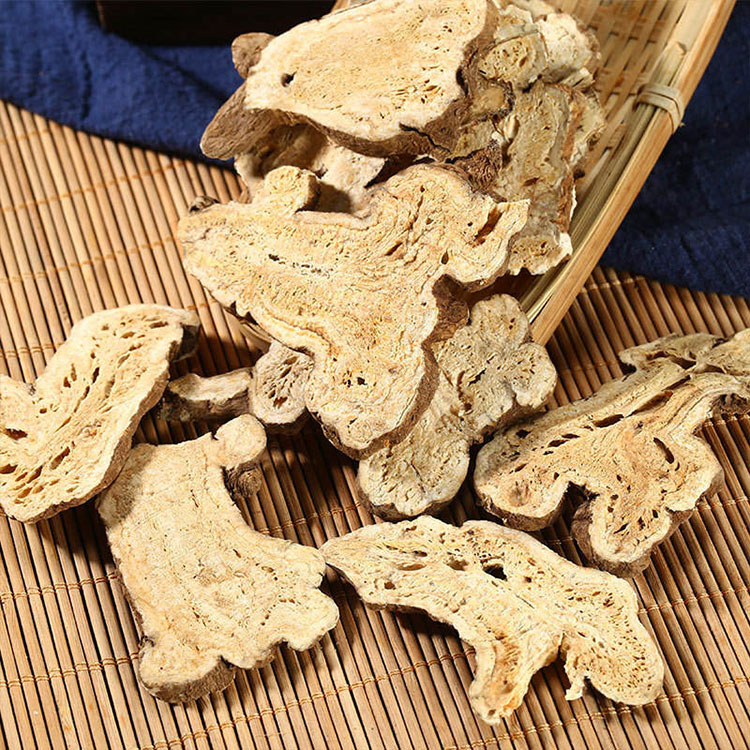
Most “mold claims” on Bai Zhu aren’t mysterious—they’re humidity, temperature swing, and weak packaging barrier working together. This guide gives humidity bands, alarm setpoints, and receiving specs (moisture + water activity) that reduce disputes.
Mold is math. When Bai Zhu sits in a warehouse that drifts above 60% RH, then gets hit with temperature swings that push surfaces below dew point, you’re not “risking” mold—you’re scheduling it, and your claims department will see the calendar before your nose does. So why are we still pretending this is about “better suppliers”?
I’m going to be blunt: most Bai Zhu disputes get born after production—during holding, staging, and freight—because warehouses love comfort settings for humans, not stability settings for botanicals. And yes, I’ve read enough buyer specs and rejection emails to tell you the same pattern repeats: no humidity band, no alarm points, no definition of “dry,” and no enforcement language. Then everyone argues about whose fault physics is.
If you need a refresher on what Bai Zhu is (Atractylodes macrocephala, Atractylodes (Bai Zhu)), start at the product page and come back: Atractylodes (Bai Zhu) overview.
Table of Contents
The humidity bands that actually reduce mold claims
Here’s the working rule that stops most headaches: control the warehouse to protect water activity, not vibes. Buyers obsess over moisture %, but the more “tell me the truth” metric is water activity (aw)—the part of water microbes can use.
One practical industry line I like (because it’s enforceable at receiving) is moisture ≤ 13.0% and aw ≤ 0.60—it’s simple, it travels, and it’s hard to lawyer around. The same logic shows up in GuoCao’s own mold-risk spec approach for other botanicals: moisture and aw 0.60 as dispute-killers, with RH targets to prevent uptake.
Now the warehouse bands, tuned for dried root & rhizome slices like Bai Zhu:
35–45% RH (Low-Risk / “Dry Vault”): safest for mold, but can drive brittleness, higher breakage, and aroma drift if packaging is weak.
45–55% RH (Sweet Spot / “Claims-Minimizer”): my default target band for Bai Zhu holding—low enough to resist moisture uptake, not so low you pulverize product.
55–60% RH (Borderline / “Argument Zone”): this is where lots “pass the lab” then soften later—especially if pallets sit near walls or doors.
>60% RH (High-Risk / “Claims Factory”): you’re living in the same neighborhood as microbial complaints, visible bloom, musty odor calls, and supplier-buyer blame theater.
If you want one sentence to put in SOP: Set 50% RH as the control target, alarm at 55%, corrective action at 58%, and treat 60% as a nonconformance for botanical holding.
Why I’m comfortable being that strict: EU regulators are not treating “herbs and spices” as low-stakes product anymore. In the European Commission’s 2024 Alert & Cooperation Network annual report, herbs and spices were ~4% of ACN notifications (392), and 81% were linked to potential health risks, with mycotoxins (aflatoxins, ochratoxin A) explicitly listed among the common issues.
The uncomfortable link buyers won’t say out loud: humidity → toxins → enforcement
Mold isn’t only a cosmetic claim problem. It’s a mycotoxin risk management problem—different severity, different consequences.
The European Commission’s 2023 ACN annual report reports 4,695 RASFF notifications and calls out that mycotoxins were the third most-notified hazard category (401 notifications), mainly aflatoxins (331).
And when mold-related contamination hits consumer health headlines, brands don’t get a gentle learning moment—they get a crater. Reuters’ March 2024 reporting on the Kobayashi Pharma red yeast rice supplement recall (beni koji, a red mold-derived ingredient) tied the incident to deaths and hospitalizations, and it triggered a wide recall ripple through downstream manufacturers. That’s the reputational blast radius you’re trying to avoid when you control humidity like an adult.
Warehouse RH monitoring that holds up when QA asks “show me”
Don’t overcomplicate it. Do the boring basics, aggressively.
Deploy loggers like you expect to be audited. One per 300–500 m² is a starting point; add extras at doors, exterior walls, and the “back corner nobody walks to.” Model examples: Onset HOBO UX100-003, Testo 174H, Sensitech TempTale GEO X (costs often land around $45–$180/unit, depending on comms and calibration options).
Track dew point, not just RH. Condensation is the lawsuit fairy. If any surface drops below dew point, you get wet cartons, wet liners, and wet product.
Calibrate. Salt checks quarterly; formal calibration annually (or per your quality system).
Write alarm logic. “Keep dry” is not a control. “Alarm at 55% RH for >30 minutes; investigate door cycles; verify dehumidifier runtime; quarantine pallets in affected zone” is a control.
If you’re building this into a buyer-facing document, use a structure that doesn’t read like marketing. GuoCao’s guidance on building specification sheets is useful here—explicit storage class (ambient/cool/modified atmosphere), packaging basics, and the holding story that prevents “passed COA, failed warehouse” scenarios. Link: How to create spec sheets that survive QA review
The real enemy: moisture uptake during staging + “container rain”
Warehouses aren’t the only place Bai Zhu gets re-wet. Ocean freight is where good lots go soft.
Two failure modes show up again and again: packaging that “breathes” (slow uptake), and container condensation—warm humid air meets a colder container wall and you get dripping water. GuoCao calls it the same way most operators do: “container rain.” Link: Long transit moisture + condensation controls (worth stealing)
Hard truth: if your spec doesn’t require pallet clearance from container walls, sealed inner liners, and desiccant/indicator discipline, you don’t have a spec—you have a wish.
For teams doing OEM/private label and juggling multiple destinations, this is where systems matter more than heroics: OEM/private label operations guide
Quick-reference table: humidity bands for Bai Zhu holding
Warehouse RH band
Practical interpretation
What mold claims look like
What to do (controls that work)
35–45% RH
“Dry vault” (lowest mold risk)
Fewer mold notes; higher breakage complaints
Improve inner barrier, avoid over-drying at packing, watch brittleness
Softening, clumping, early musty notes, ‘arrived fine → failed later’
Corrective action at 58%; quarantine affected zone lots; verify door cycles & dehumidification
>60% RH
“Claims factory”
Visible bloom, damp odor, rapid rejection language
Treat as nonconformance; stop-ship until stabilized; inspect for condensation sources
If you want a deeper mold-risk framework (moisture + aw + RH targets + acceptance language), GuoCao’s piece on setting acceptance limits is directly applicable—different botanical, same physics: Moisture, mold risk, and acceptance limits.
FAQs
What warehouse humidity band reduces mold claims for Bai Zhu bulk storage?
A warehouse humidity band that reduces mold claims for Bai Zhu bulk storage is typically 45–55% RH, because it limits moisture uptake that pushes the product toward microbial growth conditions while avoiding excessive drying that increases breakage, dusting, and sensory drift during holding and staging. I’d run 50% RH target, alarm 55%, and treat sustained 60% as a process failure.
What is “water activity (aw)” and why does it matter more than moisture %?
Water activity (aw) is a measure of how much water in Bai Zhu is biologically available for microbial growth, which makes it a tighter predictor of mold risk than moisture % alone, because two lots with the same moisture can behave differently depending on binding, formulation, and exposure history during storage. If you only test one thing beyond moisture, test aw.
What GMP storage conditions should a Bai Zhu warehouse document?
GMP storage conditions for Bai Zhu should document controlled temperature and humidity ranges, continuous monitoring with calibrated sensors, segregation from odor sources and high-risk materials, defined alarm and corrective-action thresholds, and written holding/handling practices that prevent re-wetting through condensation, door cycling, and poor pallet positioning. If it can’t be audited, it doesn’t count.
How do you prevent mold in Bai Zhu during ocean freight?
Preventing mold in Bai Zhu during ocean freight means controlling moisture gain and condensation by using sealed inner liners, enforcing pallet clearance from container walls/ceiling, avoiding loading warm product that will “sweat,” and adding desiccant plus humidity indicators so excursions become visible and actionable before disputes escalate. If your container plan is “hope,” you’re buying claims.
What warehouse humidity controls work best: refrigerant or desiccant dehumidifiers?
Refrigerant dehumidifiers work best when temperatures are warm and consistent, while desiccant systems perform better in cooler conditions and can pull RH down more reliably during shoulder seasons, which matters for botanical warehouses where temperature swings and door cycling can create condensation-driven moisture events. Pick based on your actual psychrometrics, not brochure specs.
What’s the fastest receiving spec to stop “passed COA, failed later” fights?
The fastest receiving spec to stop “passed COA, failed later” fights is a dual control: a moisture limit plus a water activity limit (often aw ≤ 0.60 as a practical line), backed by a written storage RH band and packaging barrier requirements, because it ties product condition to storage reality instead of one lab number. This is where arguments go to die.
Conclusion
If you want fewer mold claims, stop negotiating with humidity.
Use the 45–55% RH band, write aw + moisture into the receiving spec, and make your warehouse prove it with logs. For buyers building an enforceable QA file, start with spec sheet structure that factories accept and cross-check your Bai Zhu baseline at the Atractylodes (Bai Zhu) product page. For OEM/private label workflows across regions, keep the operational guardrails tight: OEM/private label guide.
Our low MOQ of 1 kg (2.2 lb) makes it easy to order Chinese herbal slices or wholesale Chinese medicine herbs. Private-label and bilingual labeling are also available.
Delivery Cycle & Support
We have a fast 7-day lead time. We provide free samples, COA reports, and technical support to help you bring high-quality bulk Chinese herbs to market.
Quality & Certifications
Our products are manufactured in a GMP-certified facility and meet ISO22000 standards. All Chinese herbs are third-party tested for heavy metals, pesticides, and microorganisms.