Magnolia Bark (Hou Po): how to control bitterness and resin stickiness in bulk cartons
Most Hou Po problems blamed on “the herb” are really failures in sampling, process control, and carton handling. This guide explains how to reduce bitterness, prevent resin stickiness, and write supplier specs that survive real bulk trade.
Most buyers guess. And in bulk Hou Po, guessing is exactly how you end up with cartons that arrive aromatic, test “acceptable,” and then turn ugly two weeks later because the real variables were never separated: origin, tree age, ginger processing, residual moisture, carton pressure, and warehouse discipline. Why does this industry keep pretending bitterness and stickiness are one defect?
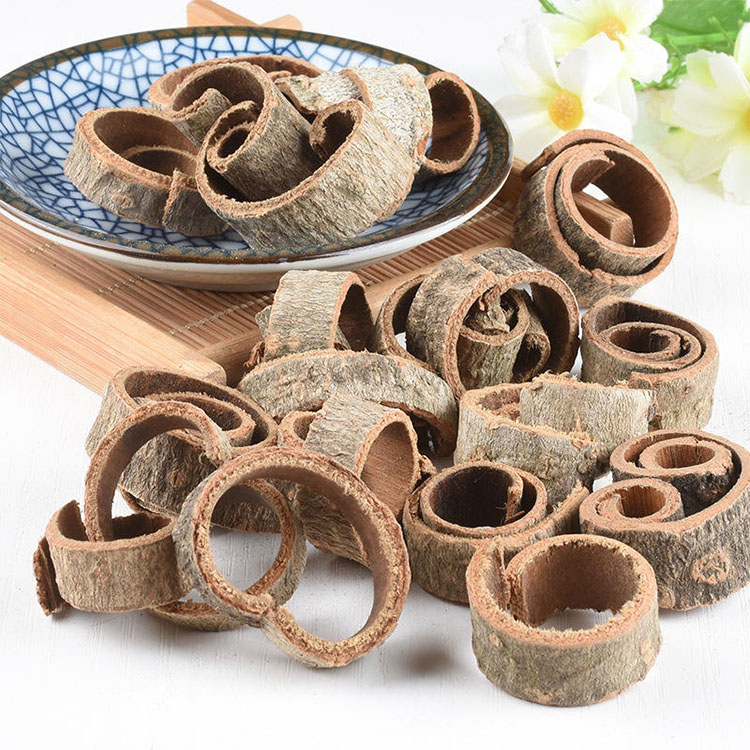
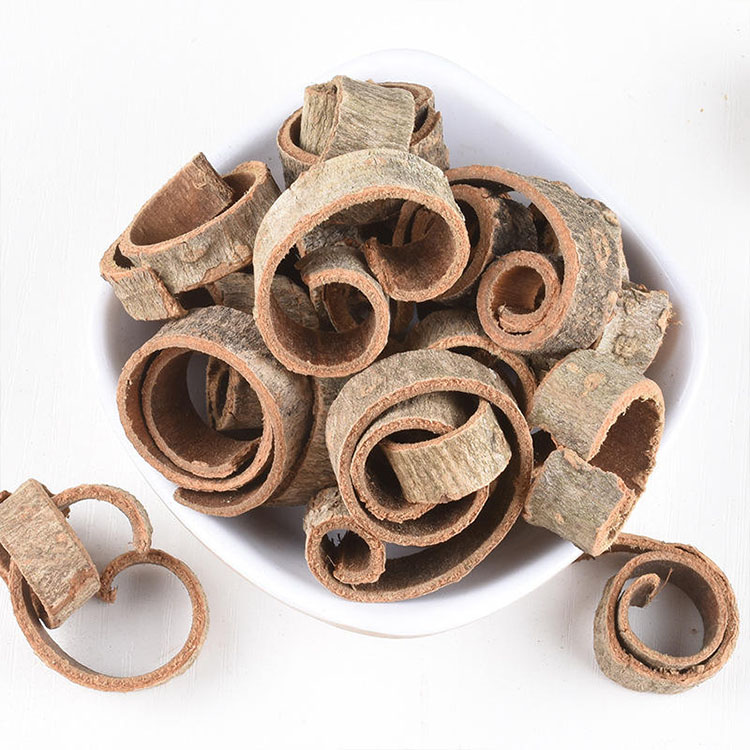
I’ll say the unpopular part first. Bitterness is not automatically bad, and resin is not automatically a defect; with Magnolia officinalis bark, some bitterness and some tack are exactly what you should expect when you are dealing with lignan-rich material, especially bark carrying honokiol and magnolol, the two signature isomeric neolignans that buyers actually care about. But when bitterness spikes lot to lot, or when slices weld themselves to liners and neighboring pieces, that is not “authenticity.” That is failed control.
I’ve seen this before. One carton looks beautiful on top, another from the same lot pours like it was lightly shellacked, and the exporter still sends a single COA as if one sheet of paper can erase process drift, mixed-age bark, or a warehouse that got lazy about hold conditions. Professional buyers should stop rewarding that behavior.
The first hard truth is raw-material variability. A 2024 PubMed-listed study on Magnolia officinalis found that bioclimatic factors such as temperature, precipitation, sunshine duration, and relative humidity affected monolignol biosynthesis and the abundance of compounds including honokiol, which means two lots sold under the same “Hou Po” name may not behave the same in bitterness, aroma, or resin expression at all. If your supplier cannot split samples by origin and harvest profile, your sensory fight starts before the cartons are even packed.
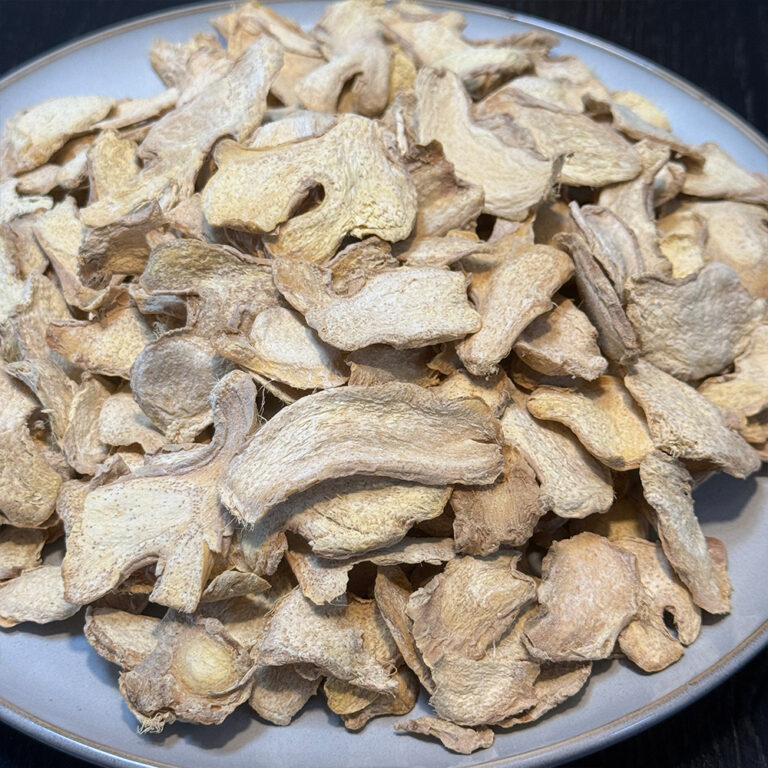
The second hard truth is processing. A 2023 Magnoliae Officinalis Cortex study and a separate 2023 process-optimization paper both point in the same direction: ginger-juice processing changes the chemical profile of Hou Po, and the operating details matter. One paper tracked variation in eight main components after processing; another reported optimized ginger-juice parameters of 8% dosage, 120 minutes moistening, and 100 °C for 7 minutes. That is not hand-waving. That is a reminder that “processed Hou Po” without a real process code is a purchasing mistake. See the 2023 processing study on ginger-juice parameters if you want the numbers, not the sales pitch.
And bitterness? Here the industry lies to itself. A 2024 review on bitterness quantification in natural drugs states the problem plainly: natural drugs carry multiple bitter substances and complex interactions, so bitterness cannot be treated like a simple one-molecule masking problem. That matters for magnolia bark bitterness control because the wrong “solution” is usually crude over-drying, over-washing, or over-processing, each of which may flatten the bark while also flattening the profile that made it valuable in the first place.
So what actually causes resin stickiness in bulk cartons? In my view, three things usually stack on top of each other: a lignan/oil-rich bark surface, incomplete moisture equilibration after processing or drying, and plain old carton compression during storage and transit. Put those together under weak warehouse controls and the bark starts printing itself onto liners, edges, and adjacent slices. That is why I do not trust “appearance pass” alone. I want the hold conditions, the pack-out timing, and the compression pattern.
This is where your internal spec should do real work. On the site you gave me, the natural places to reinforce that spec are the Magnolia Bark (Hou Po) bulk product page, the broader Barks Chinese Medicines category, and, most usefully, the barks thickness buyer guide. That guide’s √N+1 carton-opening logic is exactly the kind of rule serious buyers need, because surface sampling is how mixed cartons keep beating procurement teams.
I would go further. I would force every Hou Po PO to include origin, tree-age band if available, raw vs. ginger-processed status, process code, target slice thickness, moisture ceiling, odor note, bitterness band, and carton liner spec. And yes, I would tie acceptance to cross-carton sampling, not “golden sample” theatrics. The site already hints at the right quality story in its page on direct-from-origin sourcing, GMP herbs, and third-party COA and its custom Chinese herbal OEM/ODM workflow; the mistake would be reading those pages as marketing only instead of turning them into contractual checkpoints.
The legal and commercial risk is not theoretical. FDA’s June 3, 2024 warning letter to Top Health Manufacturing said the firm’s dietary supplements were adulterated because they were prepared, packed, or held under conditions that did not meet CGMP requirements, and FDA’s dietary supplement compliance guide under 21 CFR Part 111 makes clear that holding, packaging, quarantine, reserve samples, and protection against deterioration all matter for firms that manufacture, package, label, or hold supplements. If you import Hou Po for supplement or functional-product use, weak warehousing is not a cosmetic problem. It is a paper-trail problem.
Need a harsher example? In June 2024, Reuters reported on Kobayashi Pharmaceutical investigating 76 deaths potentially linked to its red-yeast supplement crisis. Hou Po is not Beni-Koji, obviously. But the business lesson is the same, and I think professionals ignore it at their own expense: when quality systems drift, what starts as a “small material issue” can become a brand, regulatory, and liability event very fast.
Here is the operating model I would actually use.
Failure mode
What it usually means
What I would inspect first
What fixes it fastest
Bitterness jumps between cartons
Mixed origin, mixed tree age, or uneven processing
Split samples by origin/process code; compare across opened cartons, not one showcase carton
Lock lot segregation and require separate COAs/process records
Check pack-out timing after drying/processing and inspect liner-contact faces first
Add equilibration time before case pack and reduce compression load
“Pretty” bark, weak decoction
Over-selection of top-layer pieces or over-processing to make bark look cleaner
Apply cross-carton sampling and sensory check on interior cartons
Enforce √N+1 carton opening and ban top-layer-only approvals
Repeated complaints after repacking
Weak hold, quarantine, or storage controls
Review temperature/humidity logs, quarantine records, and reserve samples
Run the lot under a Part 111-style hold/release discipline
Supplier says “processed Hou Po” but no details
Process drift hidden behind a generic label
Ask for ginger-juice dosage, moistening time, heating temp, and time
Reject generic process claims; buy only against written parameters
That table is my synthesis, but it is not guesswork; it lines up with the site’s own cross-carton sampling logic, FDA’s hold-and-protect requirements under Part 111, and the Magnolia studies showing that processing and bioclimatic variation materially change the bark’s chemistry.
There is another trade habit I dislike. Buyers often ask how to “reduce bitterness” when what they really mean is “make the lot more consistent.” Those are not identical goals. If I were standardizing bulk storage of magnolia bark, I would worry less about chasing the mildest possible taste and more about stopping carton-to-carton drift, because a stable moderate bitterness profile is bankable, while a swingy profile destroys repeatability in teas, extracts, decoction pieces, and OEM blends.
What causes resin stickiness in Hou Po bulk cartons?
Resin stickiness in Hou Po bulk cartons is the visible tack and adhesion created when lignan-rich bark, residual surface oils, process moisture, and carton compression remain together long enough for the bark surface to soften, smear, and bind to liners or neighboring slices during storage and transit. That is why the first inspection point is not the top layer but the liner-facing pieces and the densest compression zones. If stickiness appears only in pressure zones, the problem is usually hold-and-pack control, not the botanical itself. (U.S. Food and Drug Administration)
How do you reduce bitterness in magnolia bark without stripping actives?
Reducing bitterness in magnolia bark means lowering sensory harshness by controlling origin, tree age, ginger-juice processing, and lot segregation rather than “washing” the bark into blandness and weakening the very compounds buyers pay for, especially magnolol and honokiol. In practice, I would standardize source and process first, then judge bitterness after cross-carton sampling; the 2023 processing literature shows that ginger treatment shifts the chemical profile, so process discipline matters more than cosmetic cleanup.
What is the best sampling method for bulk magnolia bark cartons?
The best sampling method for bulk magnolia bark cartons is a cross-carton inspection rule that opens enough cartons to expose hidden variation, with the site’s √N+1 approach being a sensible buyer-side model because it reduces the bias created when warehouses present only the cleanest surface cartons. I would also pull units from center mass, wall-contact zones, and bottom layers, because that is where stickiness, moisture migration, and compression damage show up first. (chineseherbalslices.com)
What documents should a bulk Hou Po supplier provide before shipment?
A proper bulk Hou Po document pack is a lot-level file containing identity data, process status, COA, hold conditions, traceability codes, and packaging details so the buyer can connect sensory outcomes and complaints to a real batch history instead of a generic sales sheet. At minimum, ask for Latin name, origin, lot number, raw vs. ginger-processed status, process parameters if processed, COA results, carton count, liner spec, storage conditions, and release approval; FDA Part 111 is very clear that holding, traceability, quarantine, and reserve-sample discipline matter.
If you’re buying Hou Po at scale, don’t ask for a prettier sample. Ask for a tougher spec. Start from the site’s Magnolia Bark (Hou Po) bulk page, tighten your acceptance language with the barks thickness buyer guide, and when the spec is ready, request a bulk quote. GuoCao publicly states 1 kg MOQ, 7-day lead time, third-party COA support, GMP manufacturing, and ISO 22000 alignment; that is enough to start a serious supplier conversation, but only if you make them prove it lot by lot.
Our low MOQ of 1 kg (2.2 lb) makes it easy to order Chinese herbal slices or wholesale Chinese medicine herbs. Private-label and bilingual labeling are also available.
Delivery Cycle & Support
We have a fast 7-day lead time. We provide free samples, COA reports, and technical support to help you bring high-quality bulk Chinese herbs to market.
Quality & Certifications
Our products are manufactured in a GMP-certified facility and meet ISO22000 standards. All Chinese herbs are third-party tested for heavy metals, pesticides, and microorganisms.