If you buy Tsaoko / Cao Guo (Amomum tsao-ko) in bulk, you already know the drama: the bags look fine, then you crack one open and the smell hits you. Or the top layer is crisp, but the middle is clumpy. Somebody says “mold,” somebody else says “normal herb smell,” and your team burns a week on emails.
Let’s cut through it. Mold risk in low-moisture spices isn’t mysterious. It’s a moisture + water activity + handling story. If you lock those three, you stop doing claim wars and you start doing repeat orders.
Tsaoko (Amomum tsao-ko) Cao Guo Premium Spice Manufacturer
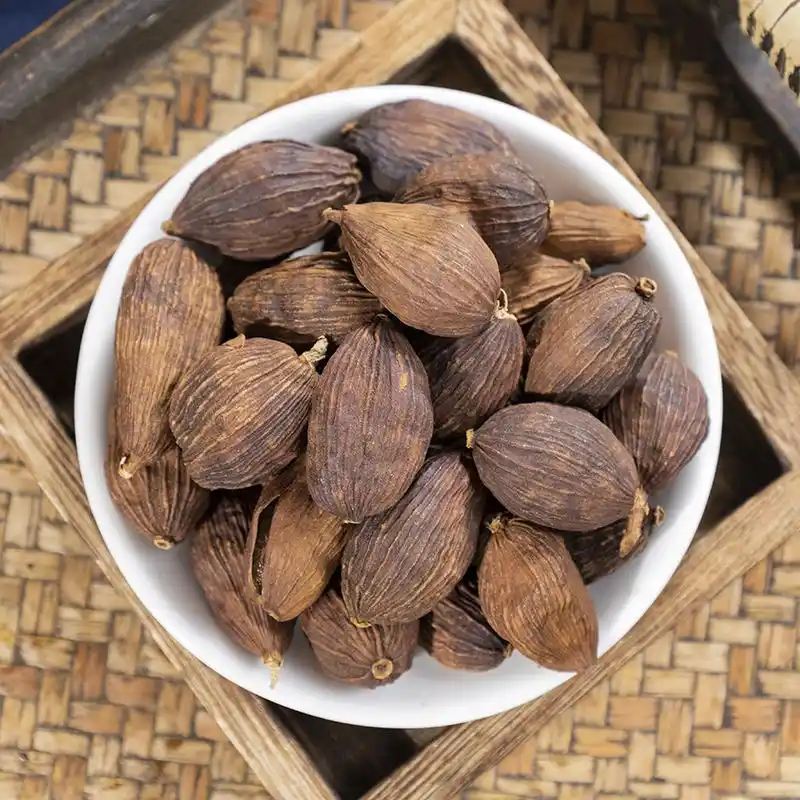
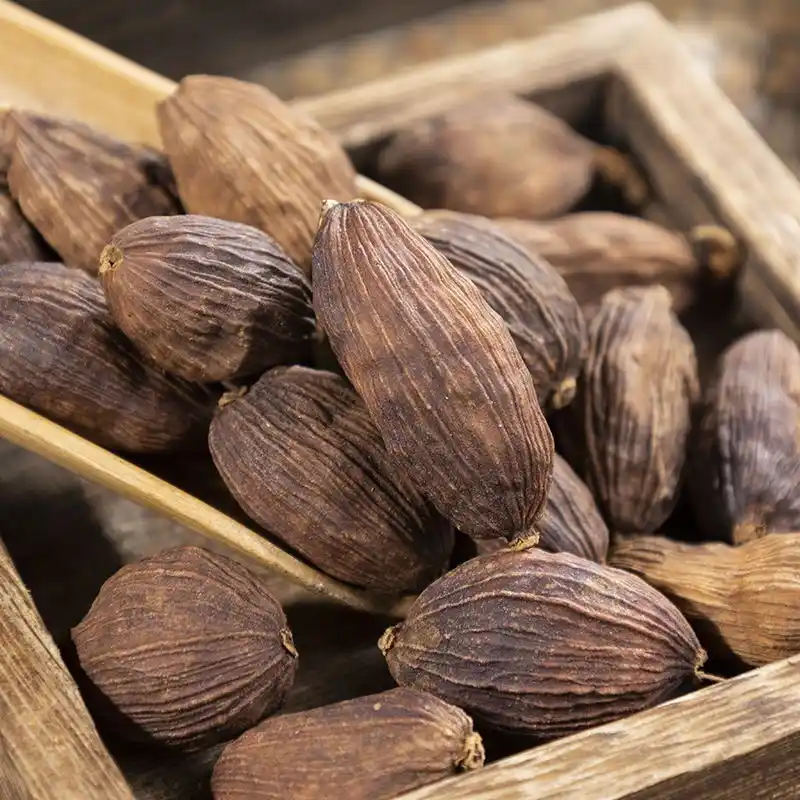
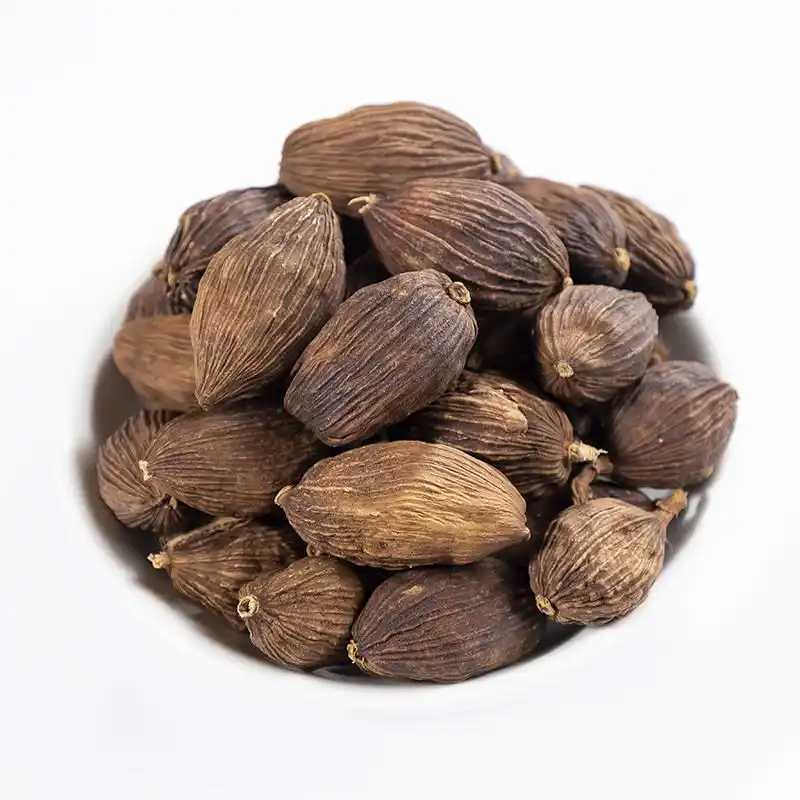
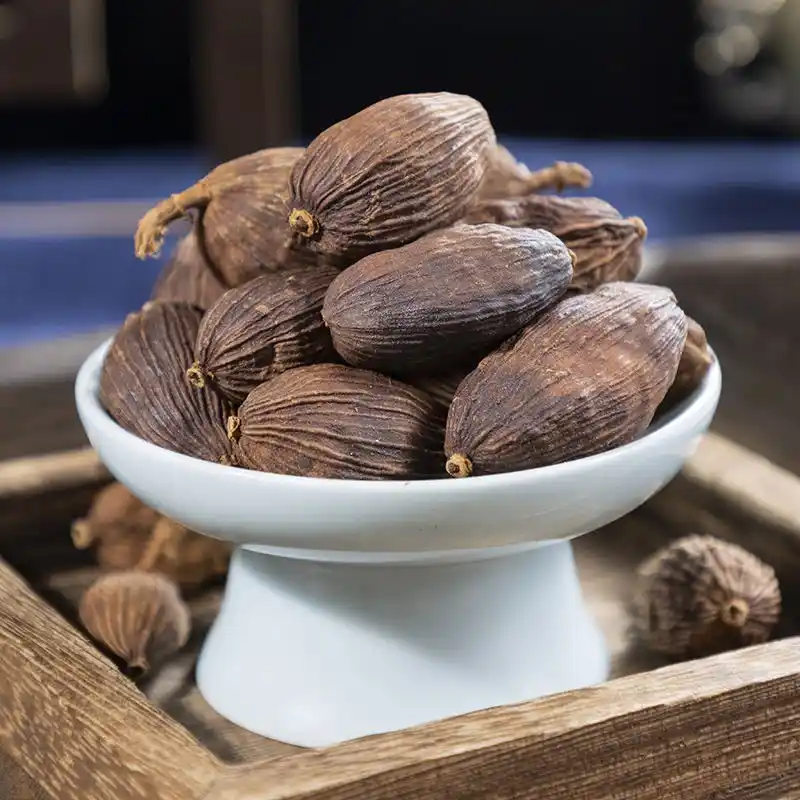
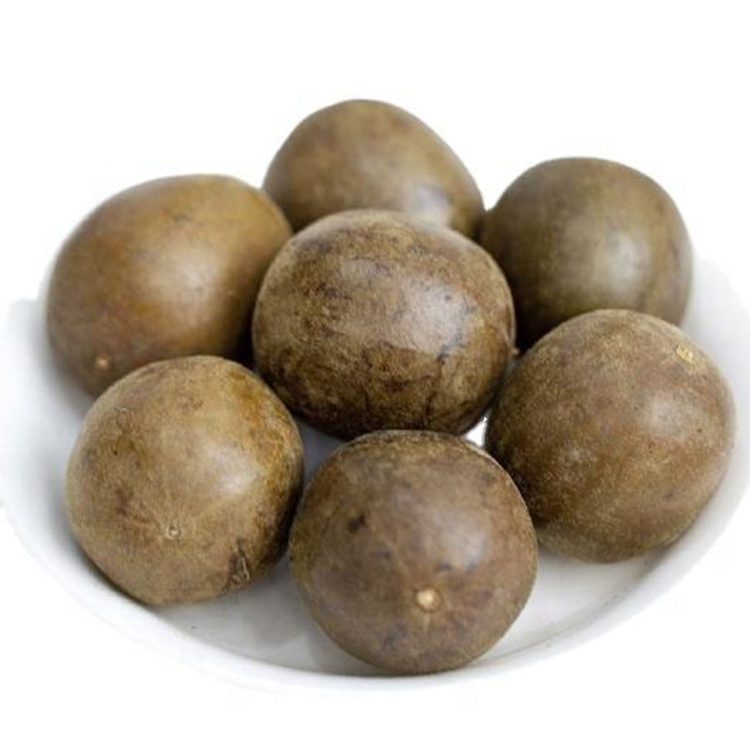
Tsaoko is usually shipped as whole dried fruit. It’s aromatic, oil-rich, and it loves to soak up humidity if your liner and sealing are sloppy. When buyers complain, they rarely complain about “a little high moisture” in a lab-only way. They complain about basement odor, soft cores, mold bloom after sea freight, and “why does this lot not match last lot.”
So here’s the argument: you don’t fix this with nicer words. You fix it with acceptance limits that a receiving team can run fast, plus a sampling plan that doesn’t get fooled by “one good carton.”
Moisture content 13.0% and water activity (aw) 0.60
Buyers love asking for “moisture %.” Cool. But moisture % only tells you how much water is inside. It doesn’t tell you whether microbes can actually use that water.
That’s where water activity (aw) earns its keep. aw is the “can mold grow?” dial. On our blog, we use Moisture ≤ 13.0% and aw target ≤ 0.60 as practical control lines in real receiving specs, because they reduce disputes and survive long shipping lanes.
Here’s the key mindset:
Moisture is the amount.
aw is the availability. You want both, or you’re guessing.
Moisture content (≤ 13.0%)
For long-distance shipping, a ≤13% moisture ceiling is a clean buyer-side line. It’s not “magic.” It’s just where a lot of arguments end, because higher moisture stacks the odds toward clumping, off-notes, and mold risk in storage and ocean freight.
Water activity (aw) limits: “below 0.60” as a practical control line
We like aw ≤ 0.60 as a tough, simple target. It’s strong for the seasons where you get container sweat and surprise humidity spikes. It also helps you avoid the dumb situation where a product “tests okay” on moisture but still creeps into trouble later.
Water Activity (aw) Control & Relative Humidity (RH) Targets
This part is boring… and it saves you.
When RH runs high, your spice becomes a sponge. When temperature swings, you get condensation inside bags (yep, even if the outer carton looks dry). So your acceptance spec should include a storage + packaging control story, not just a lab number.
aw & RH quick targets (copy-ready)
Control point
Practical target
What it protects you from
How buyers usually check it
Finished goods moisture
≤ 13.0%
clumping, smell drift, mold bloom
COA + spot checks
Water activity (aw)
target ≤ 0.60
mold/yeast growth window
aw meter spot-checks
Storage RH
mid-50s to low-60s %
moisture uptake during storage
RH data logger
Temperature
stable, avoid big swings
condensation inside liner
simple warehouse discipline
Packaging barrier
non-porous inner liner + verified seals
humidity ingress + odor pickup
seal check + liner spec
Pallet practice
off floor / off wall
wicking + dead-air moisture pockets
warehouse SOP
Those RH targets and “don’t trust ‘feels dry’” logic are straight from our shelf-life playbook.
Tsaoko is aromatic and oil-heavy. Oxygen speeds aroma loss and rancid notes. If you run long transit or you sell to brands that care about fragrance consistency, MAP and oxygen absorbers can help—but only if your room RH is under control first. If the room is wet, fancy packaging becomes cope.
Key numbers you can actually put in an acceptance spec
Below is a buyer-friendly spec sheet you can paste into your PO / contract appendix. Keep it simple, or it won’t get done at receiving. (If your team can’t run it in 10 minutes, it becomes “later,” and later becomes never.)
Smell check: if it smells damp, hold it. Dont negotiate with basement smell.
Cut-open check: split a few fruits. You’re looking for weird softness, dark wet core, or abnormal internal odor.
Bag-core check: grab samples from the middle of the bag, not just the top. Mold risk hides in moisture pockets.
That “middle of the bag” point matters more than people admit. One dry surface layer can fool a quick glance.
AQL sampling and inspection levels
Most QC teams already speak AQL. Use it. It turns “opinions” into pass/fail.
AQL answers “how many units do I inspect.” But it doesn’t answer the carton problem: how many cartons do I open so I’m not sampling one corner of the lot.
Field rule: open about √N + 1 cartons (rounded up), where N = total cartons in the lot. It scales without killing your team. It also stops the classic trick where the supplier loads “one good carton” on top.
For Tsaoko, this matters because moisture pockets and odor drift don’t spread evenly. One carton can be perfect, the next one can be the problem child.
CAC/RCP 42-1995 Code of Hygienic Practice for Spices and Dried Aromatic Herbs
Here’s the part spice buyers forget: low-moisture doesn’t mean low-risk. Spices move through cleaning, grading, drying, grinding, repacking, storage, and shipping. That’s a long chain. You should spec “micro” like a control story, not a single test result.
In plain buyer language:
Ask what the supplier does to reduce microbial contamination (process controls / treatment options).
Ask how they protect the lot from recontamination after treatment (packing room discipline, liners, seal checks).
Now the commercial part, because you’re not buying theory. You’re buying a supply chain that behaves.
At GuoCao, we run GMP slicing lines under an ISO 22000 food-safety system, support third-party COA per lot, and we manage storage with ambient / cool / MAP warehousing. Our annual capacity reaches about 2,500 t, and we support OEM/ODM plus enzyme-based functional beverage runs.
For spices specifically, we position Tsaoko inside our factory-direct dried spice range (traceability + global logistics + custom blends/pack).
Our low MOQ of 1 kg (2.2 lb) makes it easy to order Chinese herbal slices or wholesale Chinese medicine herbs. Private-label and bilingual labeling are also available.
Delivery Cycle & Support
We have a fast 7-day lead time. We provide free samples, COA reports, and technical support to help you bring high-quality bulk Chinese herbs to market.
Quality & Certifications
Our products are manufactured in a GMP-certified facility and meet ISO22000 standards. All Chinese herbs are third-party tested for heavy metals, pesticides, and microorganisms.