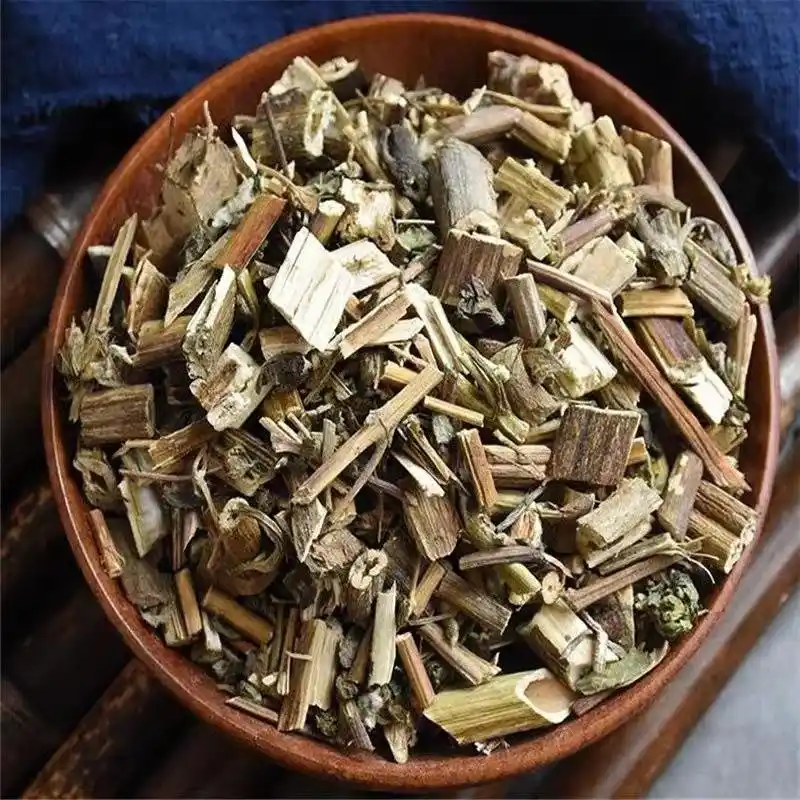
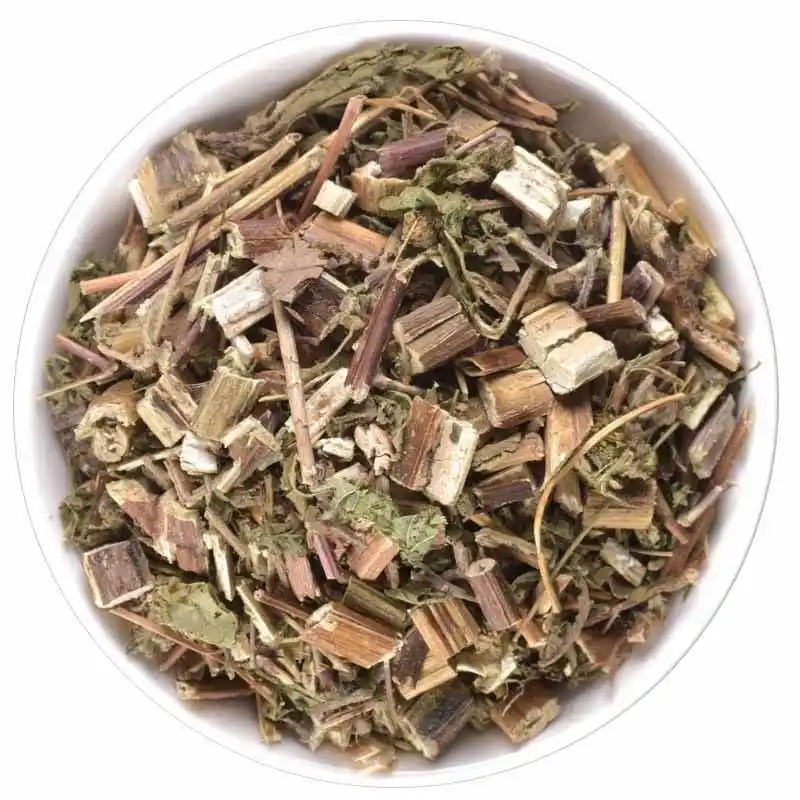
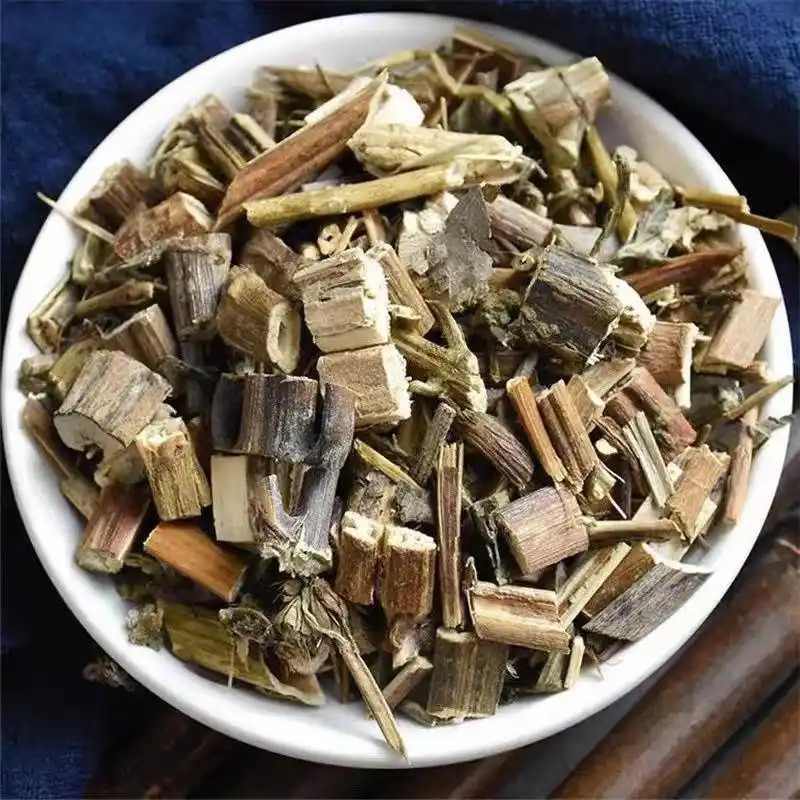
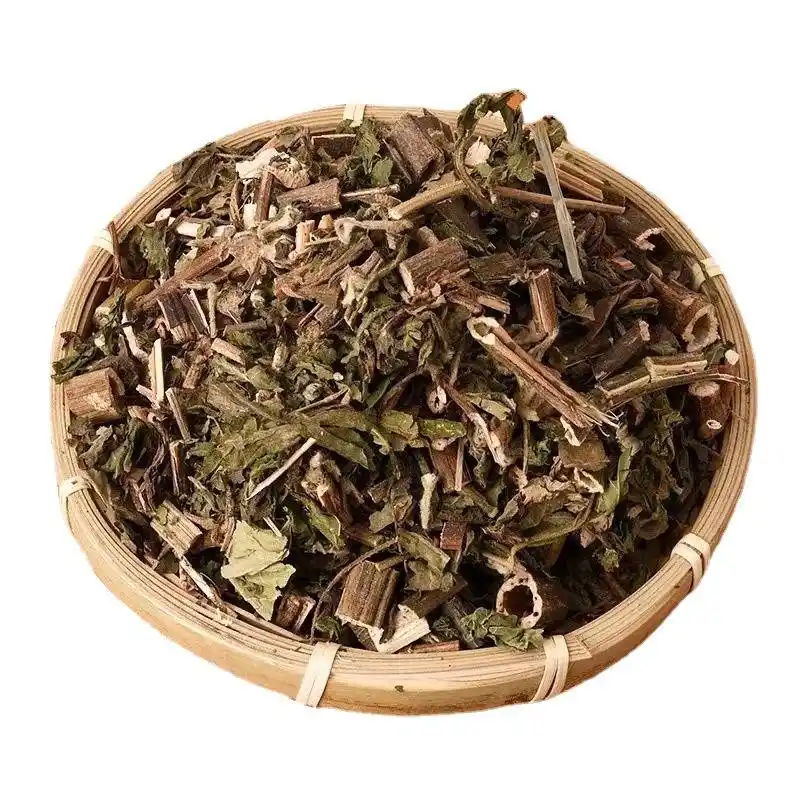
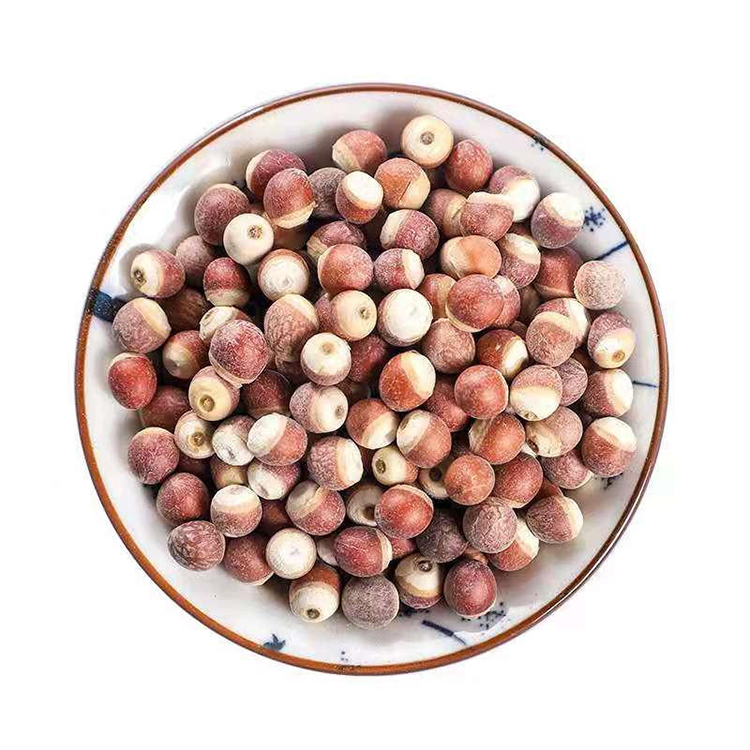
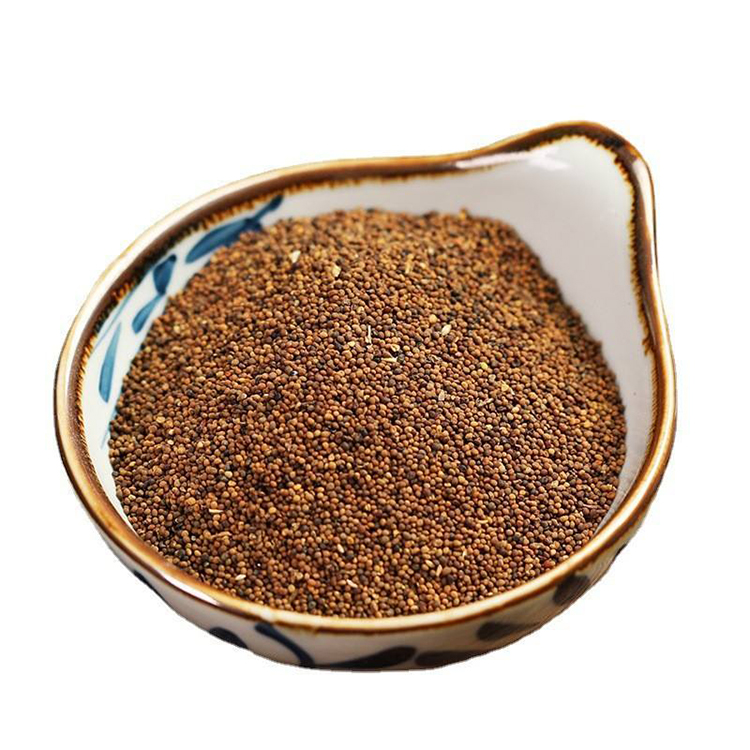
Patrinia Root (Bei Bai Jiang Cao): mixed-part lots—how to avoid ID failures
Mixed-part lots are where “Patrinia root” shipments go to die: wrong plant part, wrong species, and lazy documentation all pile up fast. Here’s the blunt, test-driven playbook to keep Bei Bai Jiang Cao authentication from embarrassing you at receiving—or at the port.
They don’t lie maliciously; they lie structurally, because once stems, leaf fragments, rhizome chips, fines, and “mystery brown” pieces share one carton, your macroscopic cues blur, microscopy becomes a probability game, and DNA barcoding starts reporting a botanical committee instead of a species—so the only sane answer is to redesign sampling, sorting, and acceptance criteria around the reality of mixtures, not the fantasy of “uniform goods.”
And what do most buyers do instead?
I’m going to say the quiet part out loud: most “ID failures” in botanicals are buyer-designed. Not supplier-designed. Buyer-designed—because we keep accepting vague identity claims (“Patrinia root”) without locking down part-of-plant, spec limits, and traceability artifacts that make fraud (or simple sloppiness) expensive.
On your own catalog page, you’re already signaling the problem: “Patriniae Radix et Rhizoma,” “Bei Bai Jiang Cao,” and a species callout (villosa) sit side-by-side, while the description text also mentions scabiosaefolia. That’s not a moral failing—it’s what global herb trade looks like when naming conventions drift across regions and languages. But it does mean your incoming QC has to be built like a courtroom argument, not a vibes-check. (Start here: Patrinia Root (Bei Bai Jiang Cao) product spec baseline.)
Table of Contents
What the searcher actually wants (and why Google will reward blunt answers)
Search intent here is Informational with commercial pressure. The user isn’t shopping for “Patrinia root” like a skincare serum; they’re trying to stop a recurring operational failure: failed ID, rejected lots, delayed production, or a compliance panic.
So the post has to do three things:
Define the failure modes in mixed-part lots.
Give a defensible protocol (sampling + test stack + paperwork).
Tie it to enforcement reality—because buyers move when regulators move.
And yes, regulators move.
In 2023, the EU’s Alert and Cooperation Network logged 4,695 RASFF notifications (an 8% increase vs 2022) and highlighted 1,625 RASFF notifications as potential fraud, plus 1,075 in the AAC stream—numbers big enough to tell you this isn’t edge-case behavior. Same report: “dietetic foods, food supplements, fortified foods” were the most reported product category under “information for follow-up” notifications in 2023.
In the US, FDA isn’t shy about using injunctions when firms keep drifting: the Nov 16, 2023 consent decrees against Balance of Nature’s distributor/manufacturer explicitly call out failures like not establishing ingredient/finished product specs for identity, purity, strength, and composition—the exact gaps that let mixed-lot ID disasters propagate downstream.
And if you think “plant part confusion” is just academic, read FDA’s own language in a June 3, 2024 warning letter: the firm was cited for failing to establish identity specs for each component (21 CFR 111.70(b)(1)), and also for labeling that didn’t identify the part of the plant used (21 CFR 101.4(h)(1)). That’s the regulatory version of “mixed-part lots wreck your claims.”
The hard truth about mixed-part lots: your ID method is only as good as your sampling geometry
If you sample like an optimist, you’ll certify the best carton and ship the worst carton into your process.
That’s why I like your own internal guidance better than most third-party “QC checklists,” because it’s honest about spread: the Bark’s √N+1 carton rule + ISO 2859-1 / ANSI/ASQ Z1.4 framing forces coverage across the lot instead of letting warehouse staff hand you the “pretty boxes.”
Here’s how I’d adapt it to Patrinia root identification in mixed-part lots:
Step 1: Redefine “identity” as a 4-part claim (this is where most buyers fail)
Identity isn’t just “Patrinia.” It’s:
Taxon: genus/species (and acceptable species list if your market allows more than one)
Part-of-plant: root vs rhizome vs aerial fragments
Contaminant/foreign matter boundaries: max % stems/leaves/fines, max extraneous matter
If you haven’t written this down, your lab report is theater.
Use your own template logic from How to Create Specification Sheets for Chinese Herbal Slices: define contaminants (heavy metals, pesticide residues, aflatoxins, sulfur dioxide), define microbial limits with sample size, and avoid the classic “tested if needed” loophole.
Step 2: Sample for mixtures, not for averages
For a lot with N cartons, open ceil(√N + 1) cartons (spread across pallet positions), then pull increments into three separate composite jars:
Jar A: “Root/rhizome-looking” pieces
Jar B: “Aerial-looking” pieces (stems/leaf fragments)
Jar C: “Fines/dust” (what will spike microbes/pesticides and break microscopy)
This one move turns a noisy mixed lot into analyzable fractions.
Step 3: Sort first, test second (because DNA barcoding hates soup)
DNA testing is powerful, but it’s not magic—and it’s famously unhappy with extracts, heavily processed material, and mixtures. A 2024 DNA barcoding paper hosted by Chapman University explicitly emphasizes using multiple loci and pairing genetics with chemical characterization because of identification limits in real-world products.
So: sort into fractions, then run the stack:
Macroscopy on Jar A (bulk morphology, fracture, surface, odor profile)
Microscopy on Jar A and Jar C (diagnostic tissues; Jar C often tells you what the lot is really made of)
TLC/HPTLC fingerprint on Jar A (and Jar B if it’s non-trivial)
DNA barcoding primarily on Jar B and suspicious fractions (because aerial adulterants and weeds show up here first)
If you’re producing tea-bag grade or granules, your own manufacturing breakdown already admits the reality: “Microscopic identification and TLC / HPLC on key materials” plus retain samples and full batch documents. That’s the posture you want, just tightened for mixed-part lots.
Step 4: Treat traceability like a product, not paperwork
I’m skeptical of COAs by default. Not because labs lie—because supply chains lie by omission.
Minimum dossier for mixed-lot acceptance:
Lot-coded harvest date range, processing date, and cutting facility
Photos: pre-cut material + post-cut material + packaging at sealing
Supplier batch map: carton count, palletization, and any rework blending notes
Retain sample plan: at least two sealed retains (buyer + supplier) for dispute resolution
If you’re shipping into the US, pay attention to how ports behave: your own CBP/FDA sampling focus for rhizomes calls the port “the choke point” and highlights pathogen/filth attention in low-moisture botanicals. That’s not an abstract warning; it’s how delays happen.
A table buyers actually use: ID failure modes, signals, fixes, and typical cost
Failure mode in mixed-part lots
What you’ll see at receiving
Fastest confirmatory check
Fix that prevents repeats
Typical lab cost (USD, ballpark)
Wrong plant part (root claim, aerial-heavy lot)
High stem %; inconsistent texture; lots of thin fragments
Quantify part-of-plant % on a sorted 500 g sub-sample
Add explicit part-of-plant limits + reject threshold + photo standard
$0–$150 (in-house)
Species substitution / “look-alike” chips
Macro looks “close enough,” but fracture/odor off
Microscopy + TLC/HPTLC vs reference
Write species whitelist + require dual-method ID for mixed lots
$250–$600
“Botanical soup” (multiple taxa in fines)
Dusty lot; dark fines; odd grit
Microscopy on Jar C + DNA on suspicious fraction
Separate fines spec + sieve protocol + separate composite sampling
$300–$900
Pesticide residue spike in one corner of lot
Random failures; only some cartons smell “green”
Wider carton coverage + composite across cartons
√N+1 carton rule + composite sampling SOP
$150–$450 per panel
Label claim risk: plant part not stated
Private label copy uses “herb” generically
Label review vs CFR
Fix spec + label templates; lock in part-of-plant language
$0–$300
That last row isn’t hypothetical—FDA has flagged firms for not specifying plant parts on labels (21 CFR 101.4(h)(1)) and for missing identity specs (21 CFR 111.70(b)(1)).
Why this matters more in 2024 than it did five years ago
Two numbers should change your posture.
First: the EU flagged 1,625 RASFF notifications as potential fraud in 2023 alone. Second: a 2024 systematic review in Natural Products Reports estimated 818 of 2,995 samples (27.3%) across five popular botanicals were adulterated/mislabeled, with some ingredients far worse (e.g., 56.7% for ginkgo leaf samples in that dataset). I’m not saying Patrinia shares those exact rates—I’m saying the market has proven it will exploit any botanical where identity is cheap to fake.
If you buy mixed-part lots without a mixture-aware protocol, you’re basically subsidizing that exploitation.
FAQs
How do I verify Patrinia root in mixed lots without blowing my budget?
Verification in mixed lots means separating the shipment into morphology-based fractions (root/rhizome pieces, aerial fragments, and fines) and confirming identity using at least two orthogonal methods—typically macroscopic/microscopic ID plus a chromatographic fingerprint—so your result isn’t distorted by “botanical soup” effects that hide in dust and leaf/stem contamination. My bias: spend money on sampling geometry first, tests second. Bad sampling makes expensive tests pointless. Use wider carton coverage (√N+1 style), then test Jar A + Jar C as your baseline, and only DNA-test fractions that look suspicious.
What is “mixed-part lots ID,” and why does it fail so often?
Mixed-part lots ID is the process of confirming botanical identity when multiple plant parts (root, rhizome, stem, leaf, fines) are present in the same commercial lot, and it fails because most identity methods assume a single-tissue input while mixtures dilute diagnostic traits, amplify contaminants in fines, and produce ambiguous genetic signals when multiple taxa are present. If you don’t sort first, you’re testing noise. If you don’t define part-of-plant limits, you’re buying ambiguity on purpose.
What documentation actually reduces botanical ID failures (not just looks good in audits)?
Effective herbal material traceability documentation is a lot-linked package that ties physical goods to time, place, process, and chain-of-custody—harvest window, processing date, cutting facility, lot map, photos at sealing, and retain-sample controls—so disputes and enforcement questions can be answered with evidence rather than supplier promises. Regulators care about specs and controls, not vibes; FDA enforcement language repeatedly targets missing identity specs and sloppy labeling.
Can DNA barcoding replace macroscopic/microscopy ID for Patrinia root vs adulterants?
DNA barcoding cannot reliably replace macroscopic and microscopic identification for commercial herb lots because processing, mixed-tissue inputs, degraded DNA, and multi-species contamination can produce incomplete or misleading results; the strongest approach is triage (macro/micro) followed by targeted genetics and chemical confirmation when risk indicators appear. Even 2024 research hosted by Chapman emphasizes multi-locus approaches and pairing genetics with chemical characterization due to practical limits.
What are best practices for mixed herb lot sampling when cartons vary internally?
Best practices for mixed herb lot sampling combine statistical unit sampling (e.g., ISO 2859-1 / ANSI/ASQ Z1.4 logic) with deliberate carton spread (√N+1 coverage) and composite sampling across multiple cartons, because most quality defects—moisture pockets, fines migration, part-of-plant mixups—cluster in packaging units rather than distributing evenly. Your own site’s Bark sampling playbook is one of the cleaner explanations I’ve seen for buyers who want a workable rule, not a thesis.
Completion
If you want, I’ll turn this into a one-page “mixed-part lot” SOP you can hand to a supplier and a receiving team—sampling plan, sort rules, pass/fail thresholds, and a test ladder that escalates only when risk signals show up. Start with your own internal anchors: tighten your spec sheet format, adopt lot-spread logic from the √N+1 incoming inspection method, and align shipment dossiers to what actually gets questioned at the port per your rhizome sampling focus notes.
Our low MOQ of 1 kg (2.2 lb) makes it easy to order Chinese herbal slices or wholesale Chinese medicine herbs. Private-label and bilingual labeling are also available.
Delivery Cycle & Support
We have a fast 7-day lead time. We provide free samples, COA reports, and technical support to help you bring high-quality bulk Chinese herbs to market.
Quality & Certifications
Our products are manufactured in a GMP-certified facility and meet ISO22000 standards. All Chinese herbs are third-party tested for heavy metals, pesticides, and microorganisms.