Spice blend OEM: how to lock flavor targets with a reference sample system
Most “reference samples” in spice blend OEM are theater: a bag on a shelf, no chain-of-custody, no objective match logic. Here’s the system that actually pins flavor targets—sensory, lab markers, and retains—so batches don’t drift and recalls don’t turn into guesswork.
In seasoning contract manufacturing, tiny shifts in volatile oils, grind distribution, and moisture don’t show up on a COA headline, but they show up on your customer’s tongue by batch three—especially when your blend carries high-impact aromatics like vanillin (C₈H₈O₃), piperine (C₁₇H₁₉NO₃), or capsaicin (C₁₈H₂₇NO₃), where “a little off” becomes “refund it.”
So why do so many brands still approve blends like vibes are a spec?
I’ll say the quiet part out loud: a lot of private label spice blends are being “controlled” with a reference sample that isn’t stable, isn’t sealed like evidence, and isn’t tied to measurable targets. It’s not a system. It’s a souvenir.
If you want a reference sample system that survives audits and stops batch-to-batch flavor consistency problems, you need three things, in this order: a defensible flavor target, a physical standard that doesn’t degrade, and a match protocol that can’t be argued with when money is on the line.
Table of Contents
The hard truth about “reference samples” in spice blend OEM
Most reference samples fail for boring reasons:
They’re not packaged like the product (oxygen + light + humidity = flavor drift).
Nobody tracks “who touched what” (no chain-of-custody, no log, no point arguing later).
The target is verbal (“more punch,” “less sharp”), not measurable.
The OEM and the brand don’t share the same sensory language, so “close” means different things.
Case study reality check: when “flavor” is the least of your problems
A reference sample system isn’t only about taste. It’s about being able to prove what happened.
In June 2023, FDA warned consumers not to buy or eat specific Everest and Maggi spice products because testing found Salmonella; the products were imported and distributed starting March 16, 2023, and a recall kicked off June 1, 2023, with FDA also pointing to detention without physical examination under Import Alert #99-19.
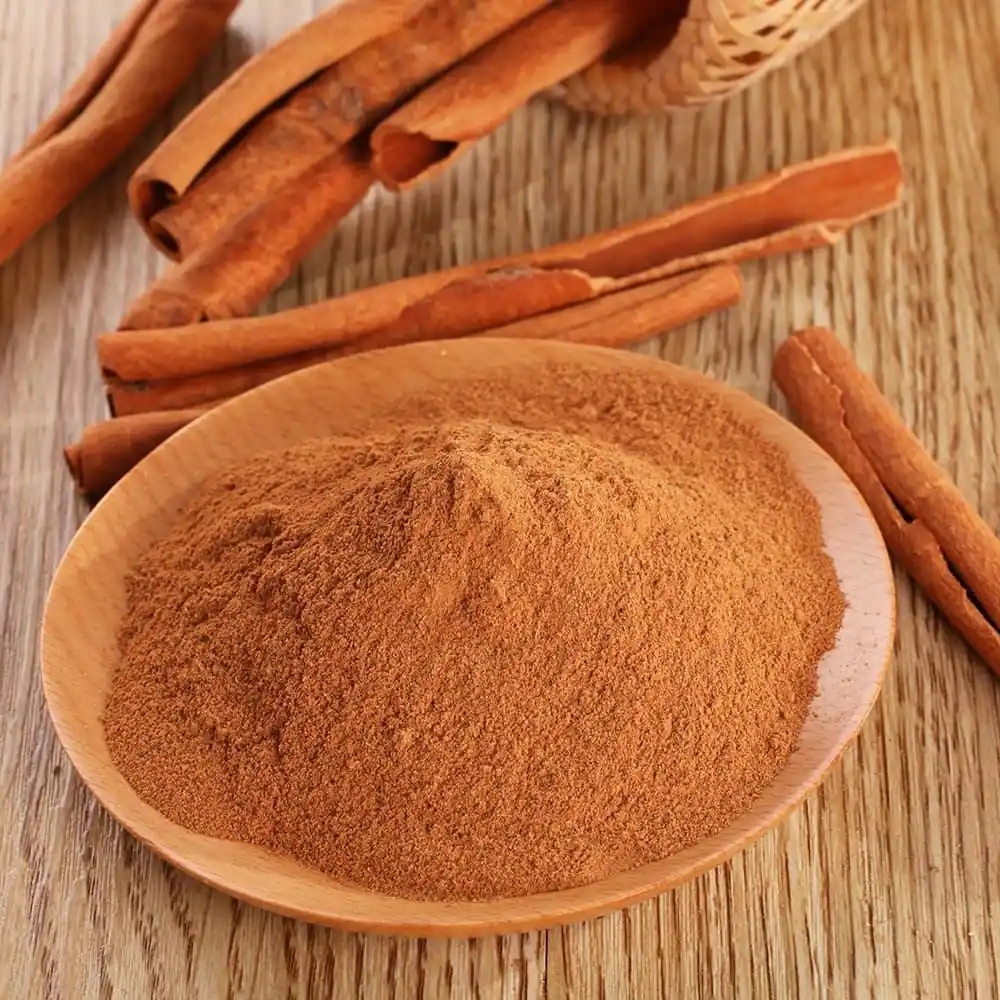
Then 2024 happened, and cinnamon became the headline ingredient nobody wanted.
On March 6, 2024, FDA described a targeted survey of ground cinnamon from discount stores and reported elevated lead levels ranging from 2.03 to 3.4 ppm in certain products.
Later, FDA’s additional public health alert described more ground cinnamon products with elevated lead levels ranging from 2.03 to 7.68 ppm, and contrasted that with the 2023 WanaBana-linked cinnamon findings of 2,270 to 5,110 ppm lead in cinnamon—numbers so absurd they read like a lab prank.
If you’re a brand, this is the point: when a problem hits, a real retain-sample library plus objective fingerprints can keep you from shouting into the void.
What a “reference sample system” actually is (and what it is not)
A reference sample system is a controlled, documented method for creating a “golden” flavor target, retaining representative samples from each lot, and comparing future production against both sensory and analytical markers using a consistent protocol and acceptance rules.
It is not: “Here’s a bag—match it.”
The three-sample model I trust
Golden sample (GS) The “this is it” standard. Treated like evidence. Packed like the real SKU (or better). Access-controlled.
Production retain sample (RS) Taken from each batch/lot you ship. Stored under defined conditions. Used for disputes, investigations, drift tracking.
Working reference (WR) A day-to-day comparison sample used on the line so you’re not constantly opening the golden sample and oxidizing your own truth.
Also: if your OEM relationship model is fuzzy, you’ll fight forever. This breakdown of OEM vs ODM cooperation model expectations is worth reading because flavor targets are, fundamentally, “what counts as pass.”
Comparison table: reference systems that work vs. reference systems that embarrass you
System design
What it controls well
Typical cost/effort
How it fails in real life
Who should use it
“Bag on a shelf” reference
Nothing reliably
Low
Oxidizes, no chain-of-custody, subjective matches
Nobody (seriously)
Golden sample only
Initial approval alignment
Medium
Golden sample gets opened/handled, drifts; disputes become emotional
Keep them long enough that you can defend decisions.
Under FDA’s preventive controls framework, many required records must be retained for at least 2 years after preparation.
Does that mean “2 years of samples”? Not automatically. But it’s a sane starting baseline for thinking. For shelf-stable blends with 18–24 month shelf life, brands often align retains to shelf life plus buffer—because customer complaints don’t respect your filing cabinet.
If you’re building a private label program and you need the bigger compliance picture (GMP execution, ISO 22000, COA logic), this OEM/private label guide with ISO 22000 and COA expectations is written in the same blunt ops language most teams actually use.
FAQs
What is a golden sample system in spice blend OEM?
A golden sample system is a controlled method where an approved “golden” spice blend is packaged, logged, and preserved as the single physical flavor target, then used—via defined sensory and lab comparison rules—to accept or reject future production lots and diagnose drift when customer complaints appear.
After that definition, the operator details matter: seal format (foil laminate beats zip bags), oxygen management, storage (cool/dry/dark), access control, and a rule that you never “fix” the golden sample—if you must update it, you version it.
What is a retain sample program for seasoning contract manufacturing?
A retain sample program is a documented process where representative samples from every finished-lot (and often key raw materials) are collected, sealed, labeled with traceable lot codes, and stored under defined conditions so quality, safety, and flavor disputes can be investigated using physical evidence rather than memory or opinions.
If you’re shipping into multiple markets, retain both the finished blend and the most risk-bearing ingredients (e.g., cinnamon, paprika, dehydrated garlic/onion) because that’s where the investigations usually land.
How do you ensure flavor consistency in OEM spice blends?
Ensuring flavor consistency in OEM spice blends means defining measurable flavor targets, maintaining stable golden and retain samples, and using a repeatable match protocol that combines sensory scoring with objective anchors (moisture/a_w, particle size, color, and marker assays) so “same” is proven, not argued.
My bias: if you only do sensory, you miss silent drift; if you only do lab numbers, you miss “wrong top-note” failures—use both.
What lab tests actually help a custom seasoning formulation stay on target?
Lab tests that help a custom seasoning formulation stay on target are those tied to sensory outcomes—moisture and water activity for bloom and staling risk, particle size distribution for perceived intensity, color Lab* for paprika/chili drift, and targeted marker assays (e.g., piperine/capsaicin) or GC-MS fingerprints for aromatic profiles.
Pick tests that correlate with what buyers taste, then set acceptance bands based on pilot lots, not guesswork.
Why do reference samples fail during scale-up for private label spice blends?
Reference samples fail during scale-up for private label spice blends because the sample isn’t packaged or stored like production, the OEM changes upstream inputs (origin, drying method, grind, carrier, anti-caking), and there’s no objective pass/fail rule—so “close enough” expands until your customers notice and your returns spike.
Scale-up needs version control: formula revision, supplier change logs, and a rule that any material change triggers a re-baseline or tightened bands.
What should be in an OEM spice blend specification sheet?
An OEM spice blend specification sheet is a controlled document that defines what “pass” means for a blend, including ingredient and allergen rules, sensory attributes, physical targets (moisture/a_w, particle size, color), micro limits where relevant, contaminant testing scope for high-risk spices, packaging requirements, and the exact acceptance and deviation process tied to golden and retain samples.
If you can’t hand the sheet to a third-party lab and get the same result twice, your spec is too fuzzy.
Conclusion
If you’re tired of “we matched it” emails and you want an OEM process where flavor targets are locked with evidence—not optimism—start with a tight spec and a real sample library, then make your manufacturer sign up to the protocol. If you need a partner who already speaks in OEM/ODM workflows, COA packs, and sample approval discipline, use this contact a custom spice blend manufacturer for OEM/ODM and private label page and ask, directly, how they manage golden samples, retains, and objective match rules.
Our low MOQ of 1 kg (2.2 lb) makes it easy to order Chinese herbal slices or wholesale Chinese medicine herbs. Private-label and bilingual labeling are also available.
Delivery Cycle & Support
We have a fast 7-day lead time. We provide free samples, COA reports, and technical support to help you bring high-quality bulk Chinese herbs to market.
Quality & Certifications
Our products are manufactured in a GMP-certified facility and meet ISO22000 standards. All Chinese herbs are third-party tested for heavy metals, pesticides, and microorganisms.