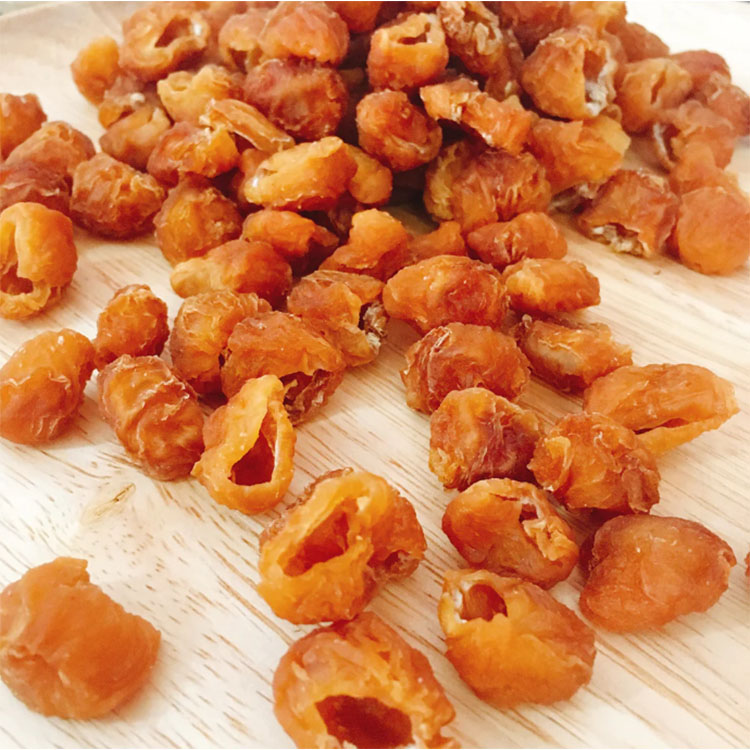
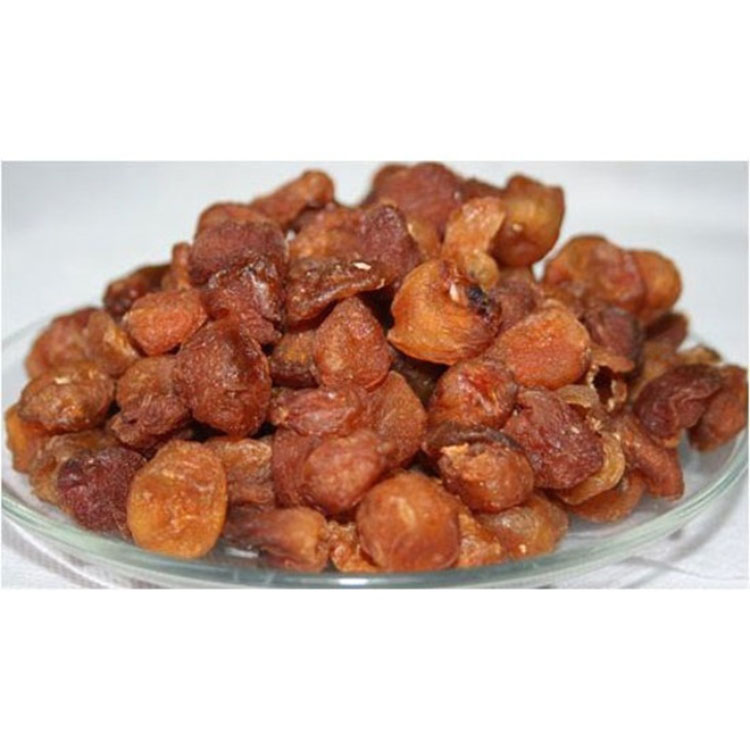
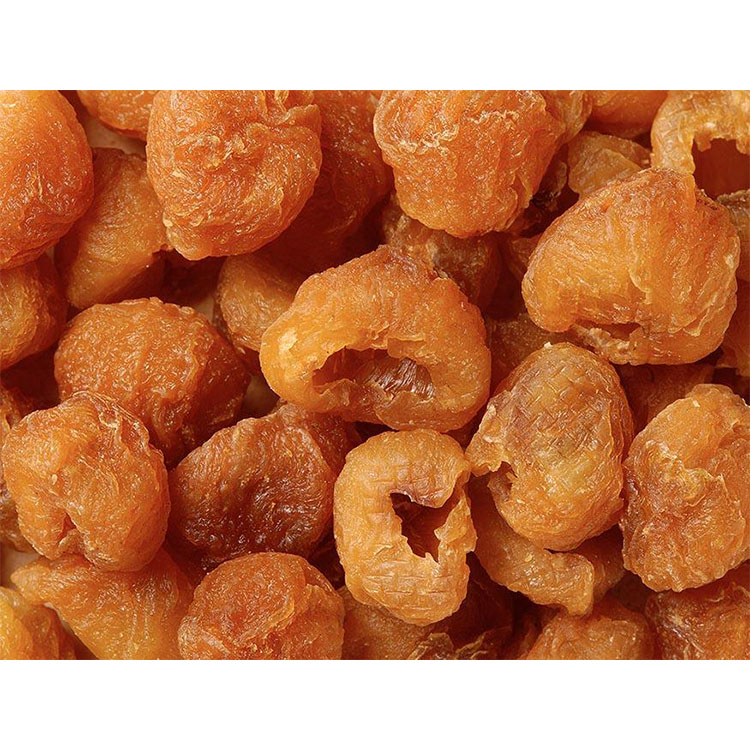
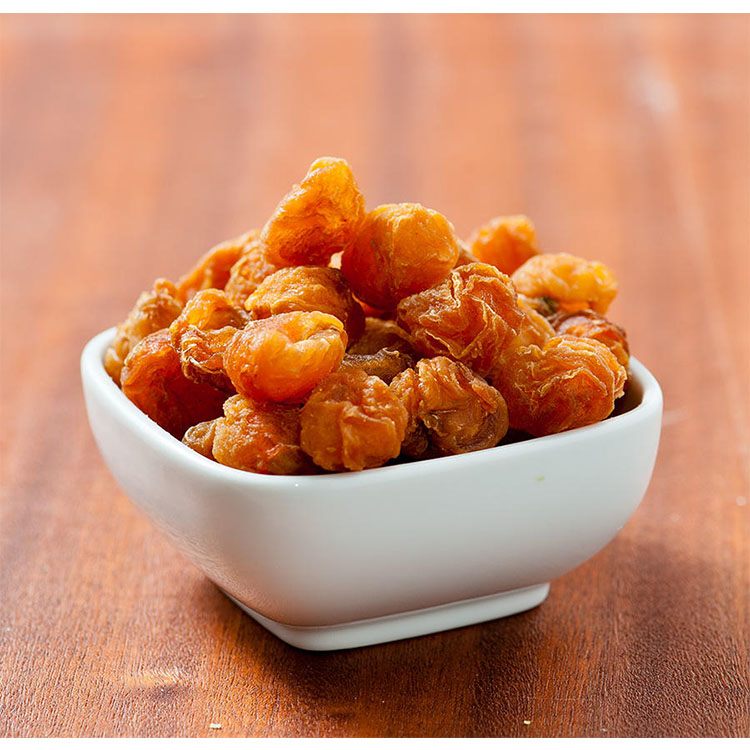
Longan Flesh (LongYanRou): stickiness, sugar, and carton lining choices
Dried longan doesn’t “randomly” fuse to cartons—heat, moisture, and the wrong liner create a sugar-based adhesive. This post shows the numbers, the failure modes, and the carton-lining choices I’d actually sign my name to.
Buyers blame drying. But the carton is often the trigger, because longan flesh sits in that awkward “intermediate moisture” zone where concentrated sugars (glucose C₆H₁₂O₆, fructose C₆H₁₂O₆, sucrose C₁₂H₂₂O₁₁) behave like a pressure-sensitive adhesive once temperature and surface water line up, and paper fibers provide the anchor points.
Sugar is glue. When the arillus surface plasticizes (water + heat), syrup migrates, wicks into corrugated fibers, and then you get that ugly peel-back: fruit welded to carton walls, torn liners, brown “sugar bloom” stains that look like contamination even when microbiology is clean. So why do people still spec liners like they’re ordering napkins?
I’m going to be blunt: most “stickiness disputes” are paperwork disputes wearing a food-physics costume. If you don’t write measurable limits (moisture and aw) and you don’t define every contact surface, you’re not “quality managing” dried longan (long yan rou). You’re gambling.
Two realities drive carton-lining choices for sticky high-sugar dried fruit:
Moisture limits exist—and you can cite them. Codex lists maximum moisture for dried longan variants: 13.5% for dried whole longan, 17% for whole fruit (flesh only), and 18% for dried longan flesh; it even lists typical defects (sugared, dried-up, moldy, etc.). That’s not “opinion,” that’s a reference standard you can point to when someone tries to hand-wave a claim.
Containers run hot enough to turn “fine in the factory” into “stuck on arrival.” A peer-reviewed 2024 paper notes temperature measurements inside shipping containers on ships may exceed 60°C—which is exactly where sugar-rich surfaces stop behaving like “dried fruit” and start behaving like adhesive.
And yes, I’m connecting those dots on purpose: longan flesh is sweet, hygroscopic, and compression-sensitive. If your liner is wrong, the carton becomes part of the product.
Moisture limits are tightening in practice, not just theory
Even if you don’t sell into Codex-aligned buyers, regulators keep nudging dried-fruit specs toward explicit numeric limits. A 2024 USDA GAIN report summarizing China’s draft national standard for dried fruits/vegetables shows dried longan included under a moisture cap framework (listed at ≤ 25.0 g/100g in the draft’s moisture table, with testing tied to GB 5009.3). That’s a very different conversation than “it feels dry enough.”
Here’s the part I don’t see importers doing: they lock moisture, but they don’t lock carton contact design. That’s how you get “passes COA, fails unboxing.”
Liner choice is now a compliance topic (not just a cost topic)
Wax vs greaseproof vs PE-coated kraft used to be a pure cost-and-performance argument. Not anymore.
The U.S. FDA announced on Feb 28, 2024 that grease-proofing substances containing PFAS are no longer being sold by manufacturers for food-contact use in the U.S., framing it as eliminating the primary source of dietary exposure from those authorized uses. Translation: buyers will ask harder questions about treated papers, even if you’re packing in Asia.
And the legal pressure isn’t hypothetical. Reuters reported PFAS litigation driving over $11 billion in settlements in 2023, with expectations of more lawsuits in 2024 as regulation tightens and awareness spreads. If your “greaseproof” paper has fluorinated chemistry and you can’t document it, some buyers will treat your liner like a liability object.
So yeah—carton lining choices now sit at the intersection of physics and legal exposure. Fun.
Carton-lining choices that map to actual failure modes
Let’s talk materials like adults:
PE-coated kraft paper liner: Good baseline when the PE layer is continuous, coating weight is real (not token), and folds don’t expose raw fiber edges. The common failure is corners: carton compression + micro-cracks + syrup contact = bonding.
Wax-coated paper: Sometimes works in cool months, then falls apart under heat. Wax can soften, transfer odor, and wrinkle under compression—meaning it can increase contact area in the worst spots.
Greaseproof paper: Performance varies wildly because “greaseproof” describes behavior, not chemistry. Some grades historically relied on treatments buyers now want to avoid or document tightly (PFAS concerns are why).
Glassine: Underused. Smooth, dense, low-lint, and gives you a better release surface than generic paper without going full industrial.
Silicone release liner (paper + PDMS silicone coating): The “stop arguing” option when claims are expensive. It’s engineered release, not vibes.
Bag-in-box done correctly: A sealed inner film bag plus a liner that covers every carton face so no syrup ever sees corrugate. Sounds basic. People still mess it up.
What I’d write into the PO (so nobody argues later)
And yes, I’m pulling this into purchasing language, because that’s where disputes get won.
Define contact surfaces: “No direct fruit-to-corrugate contact. Product must be sealed in inner bag (LDPE or equivalent), plus liner on all carton faces.”
Define moisture + aw: Moisture limit aligned to the agreed standard, plus aw target (measure with a real meter—AquaLab 4TE class instruments are common). Moisture alone won’t predict stickiness.
Warm compression test: Pack a sample carton, compress it, and hold at a realistic abuse temperature (don’t pretend 25°C is the world). Container interiors can exceed 60°C; your test should at least flirt with the danger zone.
Liner spec, named: “PE-coated kraft (X gsm, coating continuous) / glassine / silicone release liner” with placement defined. “Wax paper” is not a spec; it’s a fight invitation.
Responsibility language: Tie storage and staging requirements to Incoterms and the doc pack. If your team treats specs like email chatter, the claim will treat your margin like a donation.
What is dried longan (long yan rou)? Dried longan (long yan rou) is the peeled, pitted arillus of Dimocarpus longan that has been dehydrated to a stable moisture range, concentrating sugars into a chewy, caramel-like matrix used in Chinese materia medica and confectionery, and it is typically traded in bulk cartons with an inner bag and liner to prevent syrup staining. In plain terms: it ships like a sweet, sticky intermediate-moisture product, not like a brittle dry chip.
Why does dried longan stick to cartons? Dried longan sticks to cartons when surface sugars absorb moisture, cross into a rubbery state under heat and compression, and let syrup migrate into paper fibers and seams where it sets like an adhesive—especially when the carton has no true release liner between fruit and cellulose. If your unboxing photos show bonding at corners and seams, that’s a packaging-contact story, not a “mystery contamination” story.
What moisture spec should I write for longan flesh? A buyer-proof moisture spec for dried longan should cite an external standard and a measurable limit—Codex lists maximum moisture of 13.5% for whole fruit, 17% for whole fruit (flesh only), and 18% for dried longan flesh—then pair it with an aw target to predict stickiness risk in transit. If you skip aw, you’re only measuring “how much water exists,” not “how badly that water behaves.”
Wax-coated paper vs greaseproof paper vs PE-coated kraft—what’s safest? For carton lining of sticky high-sugar dried fruit, PE-coated kraft is usually the safest baseline because the polymer barrier is predictable, while wax-coated papers can transfer odor and soften under heat, and some greaseproof papers historically relied on fluorinated treatments that regulators have been pushing out of food-contact packaging. “Safest” here means: least likely to surprise your buyer, auditor, or legal team.
How do I prevent dried longan from sticking in cartons? Preventing dried longan from sticking in cartons means designing a three-layer barrier—seal fruit in an inner film bag, add a moisture-and-release liner that covers every carton face, and validate the system with a warm compression test—so even if containers spike above 40–60°C the syrup never touches raw paper. The shortcut is letting product touch corrugate “just a little.” That “little” is where claims are born.
Do I need PFAS declarations for carton liners or grease-resistant paper? PFAS declarations matter when your liner or grease-resistant paper could contain fluorinated additives, because U.S. regulators say certain PFAS grease-proofing substances are no longer sold for food-contact use domestically and EPA-driven legal pressure has intensified, pushing buyers to demand paper-and-ink chemistry transparency in 2024-era sourcing. If your buyer sells into the U.S., assume this question is coming—even if you’re not shipping in U.S.-made paper.
Conclusion
If you want this turned into a buyer-proof pack spec (moisture + aw + liner placement + warm-lane test plan), don’t bury it in email threads. Start with the product reference—Longan Flesh (LongYanRou) bulk page—then use Custom Chinese herbal & spice solutions to request a packaging build that matches your lane, season, and claim tolerance.
Our low MOQ of 1 kg (2.2 lb) makes it easy to order Chinese herbal slices or wholesale Chinese medicine herbs. Private-label and bilingual labeling are also available.
Delivery Cycle & Support
We have a fast 7-day lead time. We provide free samples, COA reports, and technical support to help you bring high-quality bulk Chinese herbs to market.
Quality & Certifications
Our products are manufactured in a GMP-certified facility and meet ISO22000 standards. All Chinese herbs are third-party tested for heavy metals, pesticides, and microorganisms.