Monk Fruit (Luo Han Guo): size grading and sweetness stability in real shipping conditions
Monk fruit “size grades” feel objective—until you tie them to mogroside reality and container heat. I map the real grading math, the shipping abuse points, and the lab tests importers should demand before paying “XL” prices.
Grades lie, often. I’ve reviewed enough COAs, export specs, and “XL premium” invoices to tell you the quiet part: most monk fruit size grading is a pricing shortcut, not a sweetness guarantee, and the minute you expose dried fruit or extract to the wrong humidity/heat profile, your “same lot” suddenly tastes different in the customer’s hands. Want the hard truth?
Table of Contents
Size grading: what S/M/L/XL really measures (and what it doesn’t)
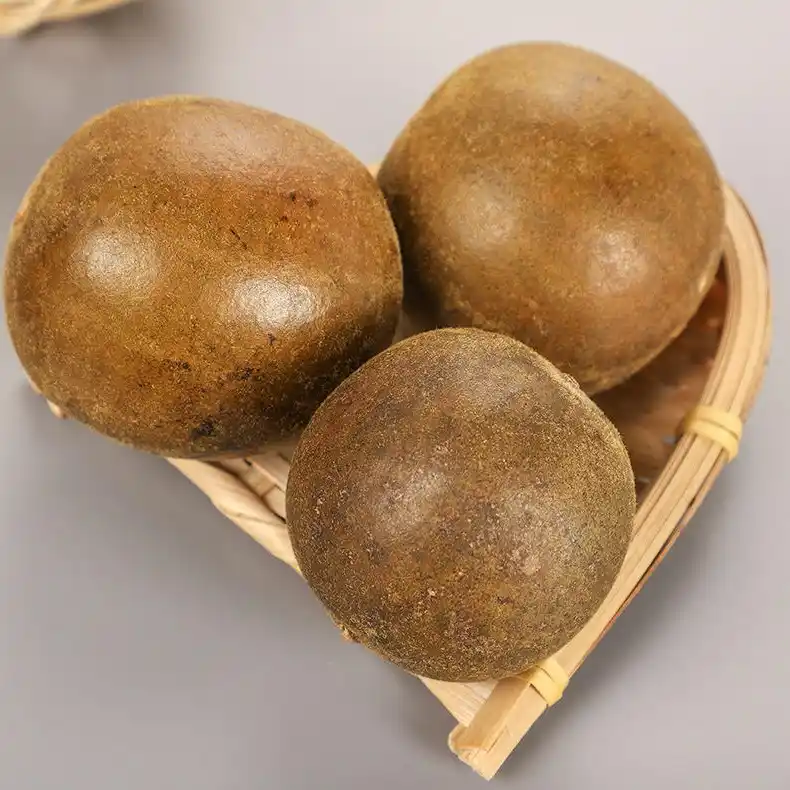
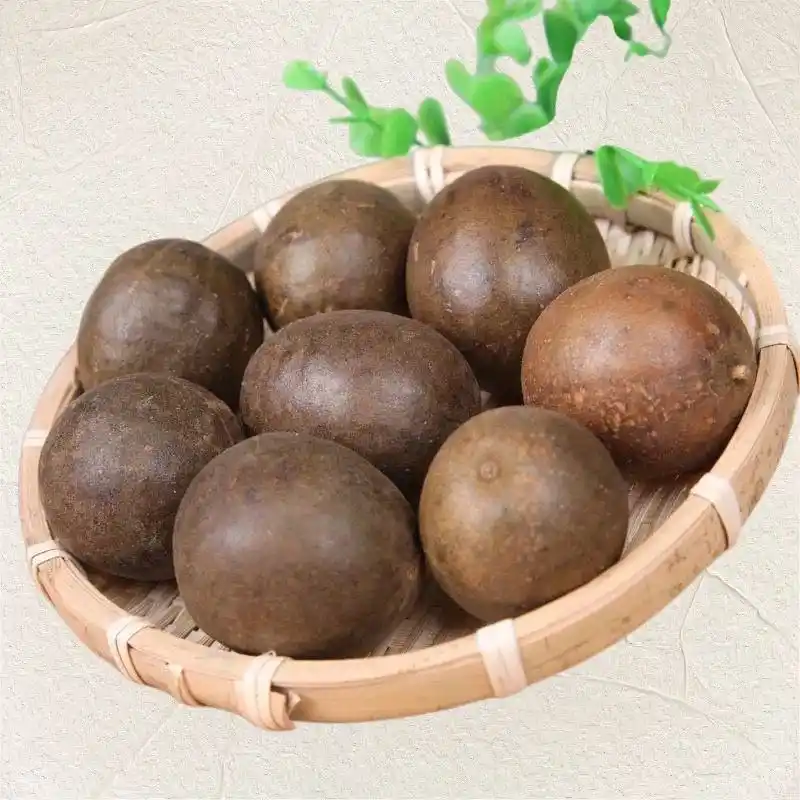
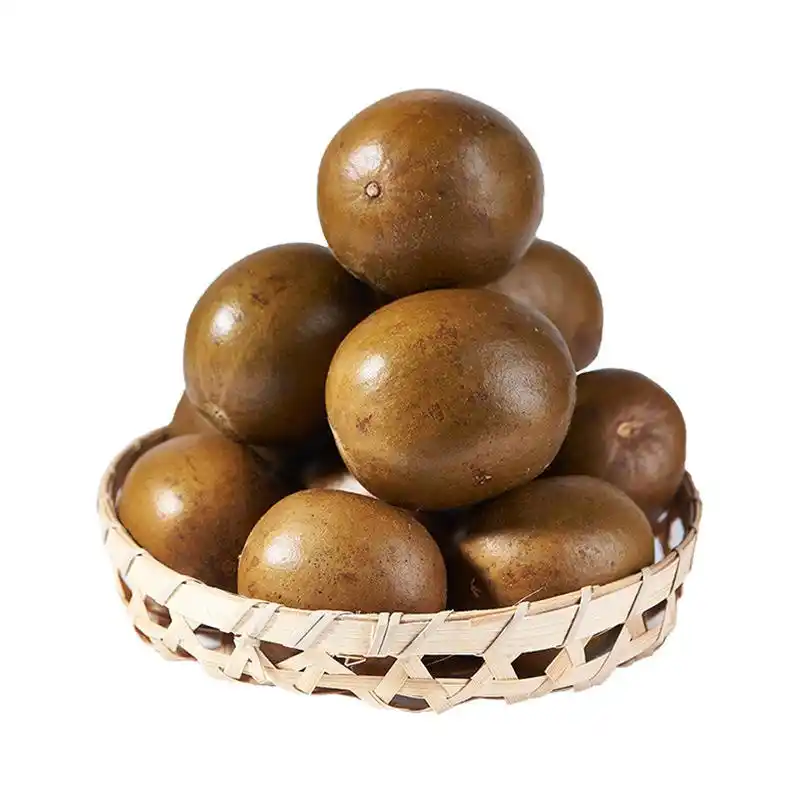
In the Chinese-origin commodity trade, Luo Han Guo is commonly graded by external size—often circumference—because it’s fast, visual, and easy to enforce at a packing line. A typical size ladder looks like: XL ≥ 20 cm, L ≥ 18 cm, M ≥ 16.5 cm, S ≥ 15 cm (with substandard below that).
That system is useful. It’s also easy to abuse.
Here’s how it gets gamed in real procurement:
Moisture padding: Slightly higher residual moisture can make fruit feel heavier and sometimes appear “plumper,” while quietly increasing mold risk later.
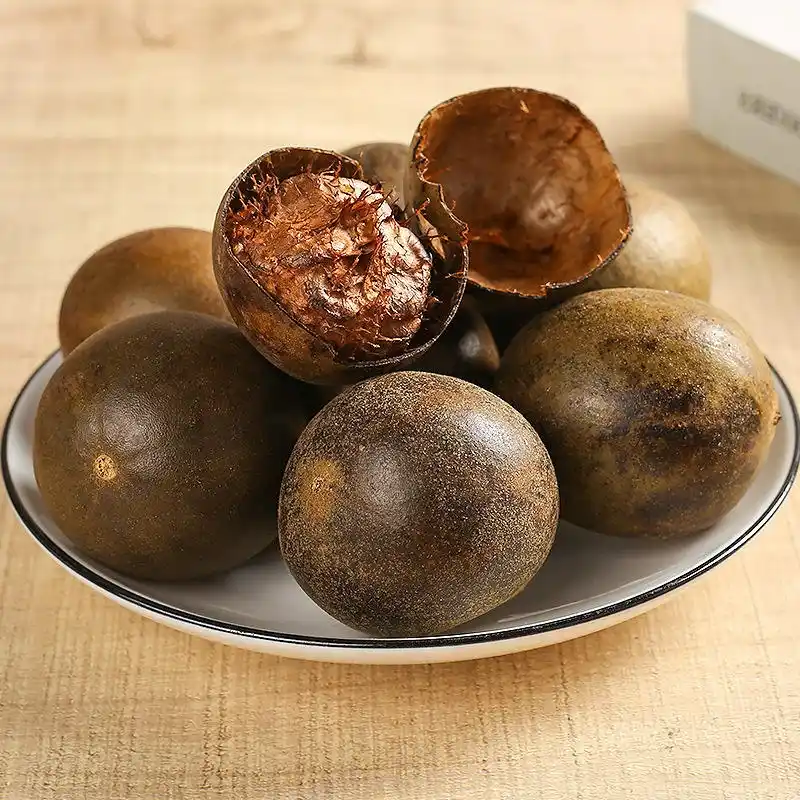
Shell-first grading: Some graders reward intact shell cosmetics over dry-matter reality. Looks good, extracts poorly.
Mixed-origin pallets: You’d be shocked how often “one grade” is a blend of farms with different drying discipline.
Sweetness stability: mogroside V is the real KPI, not the fruit’s diameter
Mogroside V is the main sweetness workhorse buyers talk about because it correlates with perceived sweetness more reliably than size. Chemically, it’s a triterpene glycoside with formula C60H102O29 and CAS 88901-36-4 (yes, buyers do put CAS numbers into contracts now).
But here’s the thing: “sweetness stability” is usually two different problems masquerading as one.
Three words: chemistry vs perception. In dry goods, mogroside V doesn’t typically vanish overnight; what changes fast is how it behaves—clumping, moisture pickup, odor adsorption, and off-notes that make a product taste “less sweet” even if the assay is unchanged, especially after heat cycling in transit and warehouse staging.
So what breaks consistency?
Humidity (powders cake; dried fruit rewets at the surface; microbial risk rises).
Heat spikes (aroma shifts; browning; some bioactive loss over time).
Time (longer voyages, longer dwell, more “unknown unknowns”).
And shipping gives you all three, in ugly combinations.
Real shipping conditions are not your clean “25°C, dry room” spreadsheet
Container abuse is not theoretical. Peer-reviewed shipping container research (hosted by the U.S. NIH site) notes that container surface temperatures can exceed 60°C under solar exposure. Now overlay that with cold-chain reality: a 2024 industry survey found the main weak points as temperature fluctuations in transport vehicles (60%) and loading processes (58%)—i.e., the exact moments your monk fruit sits on a dock with doors open and forklifts idling.
But, sure—keep writing “store cool and dry” and hoping the universe cooperates.
And then 2024 happened.
When Red Sea risk forced rerouting, Reuters documented ~50% longer transit times for some routes and detailed how detours increased emissions; the broader operational point is simpler: your “normal” lane time can blow out, and your sweetener sits longer in uncontrolled environments. That’s not a monk fruit problem. That’s your contract being naive.
The spec that actually protects you (and the supplier who won’t hate you)
If you buy whole dried monk fruit, size grading matters for handling, appearance, and sometimes drying uniformity. If you buy extract/powder, the size grade is basically a story.
I write specs in layers:
Identity & grade
Species: Siraitia grosvenorii (spell it out)
Grade: define it (circumference/diameter + defect limits), not just “XL”
Sweetness markers
Mogroside V % (HPLC assay; acceptance range, not a single number)
Total mogrosides % (optional, but useful)
Stability & shipping controls Even ingredient distributors publish basic storage targets like ambient < 29°C and RH < 40% for monk fruit extract products. If your supplier can’t ship to that intent—packaging, liners, desiccants, and documentation—your “stable sweetness” goal is fantasy.
Sampling plan
Retained sample at origin (sealed, dated)
Arrival sample (same test panel)
Dispute clause: if assay is in spec but sensory fails, you have a pre-agreed root-cause protocol (moisture, odor, clumping, micro)
If you want a supplier-side workflow, you can borrow the site’s own operational framing via Custom Chinese herbal & spice solutions and Project case examples as anchors for documentation expectations—then enforce your own incoming QC like an adult.
A practical risk table: what to measure, when, and why
Supply-chain point
What can go wrong
What you measure (minimum)
Tool / method
“Stop the line” trigger
Post-drying / pre-pack
Under-dried lots; mold risk; fake grade mix
Moisture %, visual defects, odor
Moisture analyzer + inspection
Moisture above agreed max; visible mold
Pre-stuffing
Humidity pickup; odor contamination
Water activity (aw), odor check
aw meter + sensory
aw too high; strong foreign odor
In-transit / arrival
Heat cycling; clumping; sweetness drift
Mogroside V %, moisture %, clump index
HPLC + moisture
Mog V out of range; caking beyond spec
Warehouse (30–90 days)
Shelf-life decay; off-notes
Periodic assay + sensory
HPLC + panel
Trendline decline or complaint spike
If you’re wondering why I keep hammering aw and odor: because I’ve seen “failed sweetness” complaints that were actually warehouse perfume, diesel-adjacent pallets, or humidity-caked powder—not a mogroside assay collapse.
Legal reality: “monk fruit” claims are litigated like they matter (because they do)
If you sell downstream (consumer-facing), sloppy monk fruit claims can become expensive theater. In 2023, a federal judge let a consumer deception case proceed against a product marketed as “sweetened with monk fruit,” leaning on the idea that packaging can mislead reasonable buyers even when ingredient lists exist—an approach that echoes the Ninth Circuit’s well-known Williams v. Gerber logic. So if your supply chain can’t keep sweetness stable, your marketing team is writing checks your logistics can’t cash.
And yes, I’m saying it: don’t build your brand promise on a supply chain you don’t measure.
Monk fruit size grading is a commercial sorting system that classifies dried Luo Han Guo by external dimensions (often circumference or diameter) and appearance (color, crack rate, mold), because larger, cleaner fruit usually dries more evenly and commands higher prices, even though mogroside content still varies lot-to-lot. If you don’t define the measurement method in writing, “XL” becomes a vibes-based negotiation.
What does “S/M/L/XL” mean for Luo Han Guo fruit grade?
“S/M/L/XL” is a buyer–seller shorthand for size tiers that usually map to specific circumference or diameter cutoffs and defect tolerances, used to standardize packing and pricing across farms and warehouses, but it does not automatically certify sweetness, mogroside V percentage, or drying quality without supporting lab and moisture data. Treat it as an intake filter, not a sweetness label.
What is mogroside V stability?
Mogroside V stability is the ability of the primary sweet triterpene glycoside in monk fruit to retain its measured concentration and sensory sweetness profile over time when exposed to storage and transit stressors like heat cycling, humidity, oxygen, and contamination, typically verified through repeat HPLC assays plus sensory checks. In practice, “stable” means your arrival test matches your retained-origin sample within an agreed tolerance band.
How to keep monk fruit sweetness stable during shipping?
Keeping monk fruit sweetness stable during shipping means controlling temperature and humidity exposure end-to-end so mogroside V potency and sensory perception don’t drift, using barrier packaging, desiccants, odor isolation, documented lane times, and arrival-vs-origin lab comparisons to catch heat/humidity abuse before product enters production. Do this: foil-laminate inner + sealed liner + desiccant + humidity indicator card + “no odor cargo” rule + arrival HPLC/moisture/aw.
What testing should I require for mogroside content and shipping claims?
Mogroside content and shipping-claim testing is a contract-defined verification package that typically includes identity confirmation, mogroside V (and/or total mogrosides) by HPLC, moisture and water activity for stability risk, and microbial screening when whole fruit is involved, performed on both origin-retained and arrival samples. If the supplier refuses third-party testing language, that’s your signal, not a debate.
Conclusion
If you’re sourcing bulk monk fruit and you want grading that correlates with performance, not just prettier photos, build your spec and QC workflow around the supplier’s product context and your own acceptance tests—then push it through their custom service intake with a written sampling plan and a dispute protocol. We can argue about “XL” all day. Or we can measure mogroside V, humidity risk, and lane reality—and stop guessing.
Our low MOQ of 1 kg (2.2 lb) makes it easy to order Chinese herbal slices or wholesale Chinese medicine herbs. Private-label and bilingual labeling are also available.
Delivery Cycle & Support
We have a fast 7-day lead time. We provide free samples, COA reports, and technical support to help you bring high-quality bulk Chinese herbs to market.
Quality & Certifications
Our products are manufactured in a GMP-certified facility and meet ISO22000 standards. All Chinese herbs are third-party tested for heavy metals, pesticides, and microorganisms.