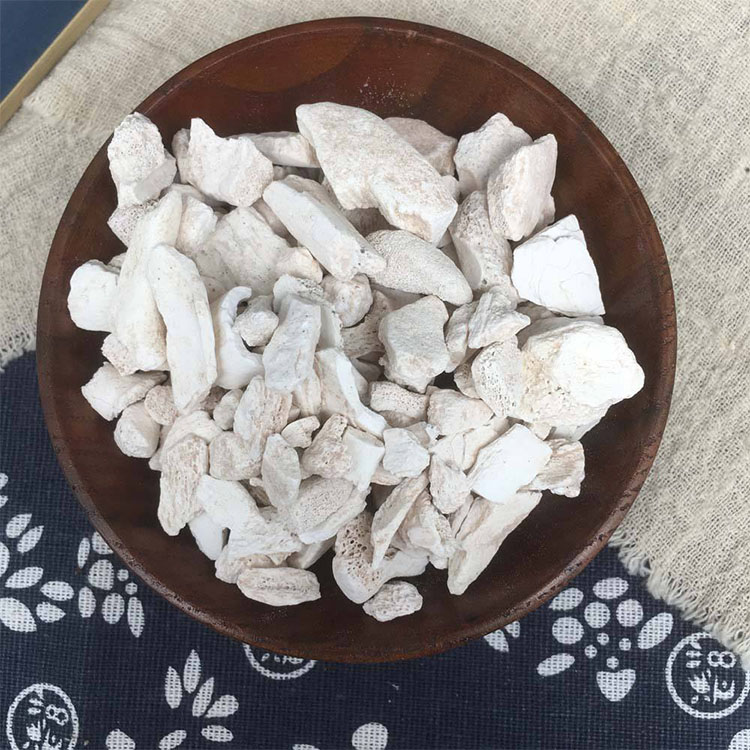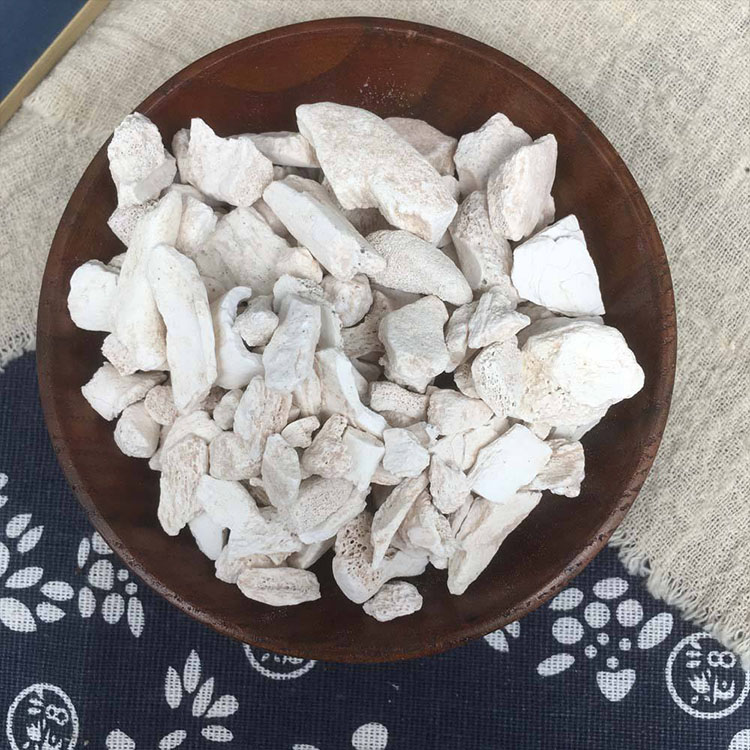



Dragon Bone is not a mystical exception to quality control. It is a high-risk, identity-sensitive material that demands tighter foreign matter definitions, stricter batch genealogy, and better release packets than most buyers currently ask for.

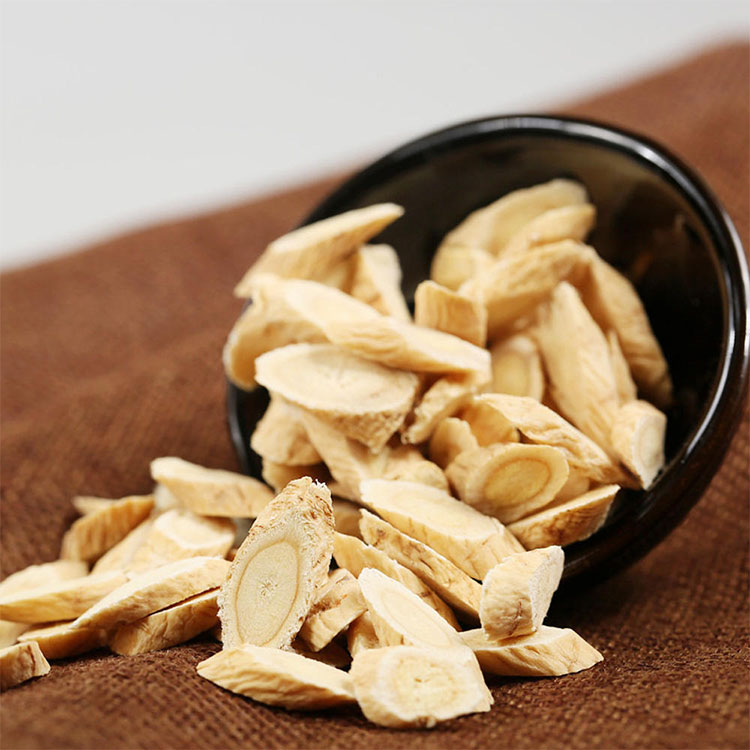
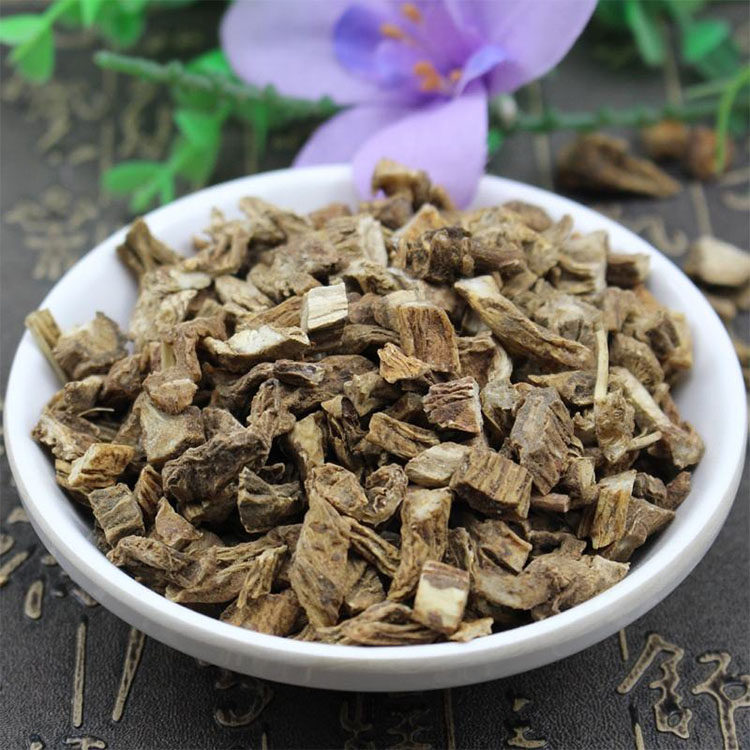
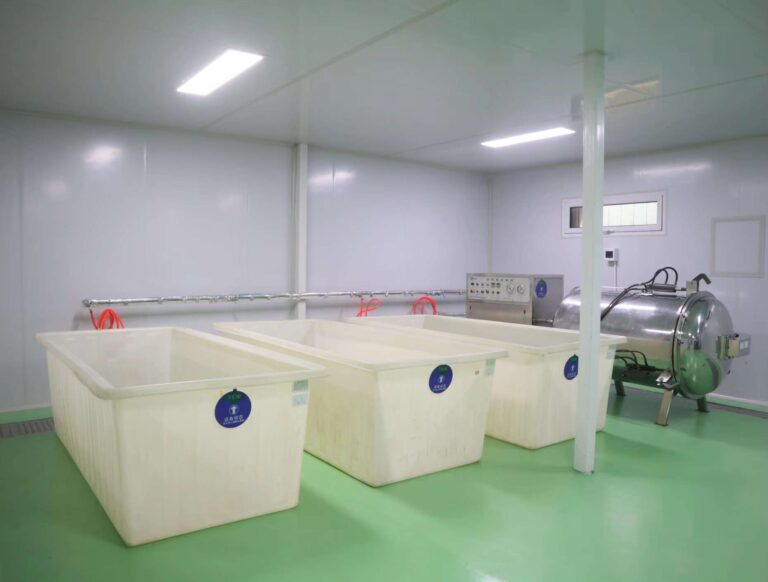
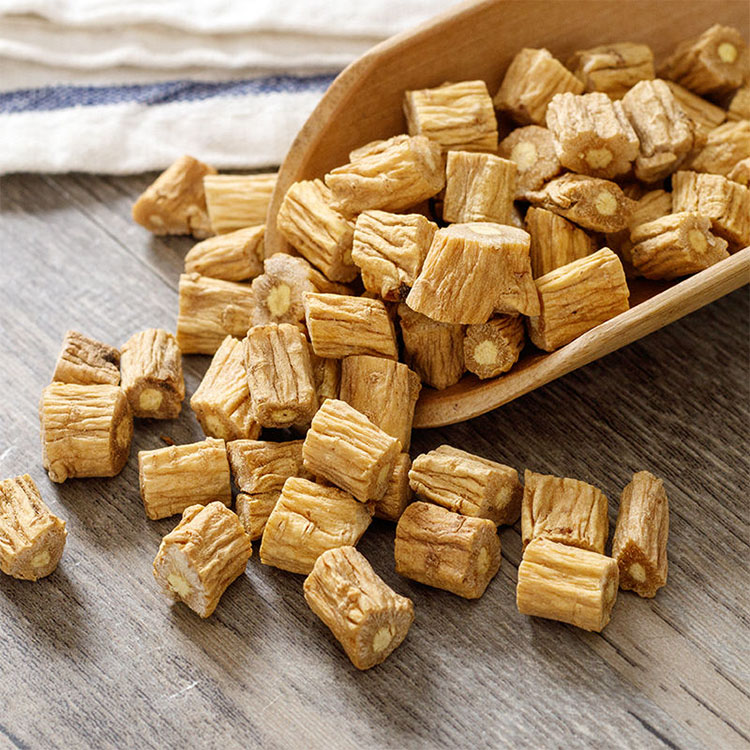
Processing methods for herbal slices are not cosmetic. They change chemistry, bioavailability, toxicity, storage stability, and market risk. I break down what cutting, drying, stir-frying, steaming, honey-processing, wine-processing, vinegar-processing, salt-processing, and sulfur fumigation really do—and where the industry still gets it badly wrong.

Most companies blame the market when Chinese herbal medicine prices jump. I do not. I blame weak specifications, lazy procurement habits, and a refusal to separate real supply risk from self-inflicted margin damage. Here is the hard-nosed framework that works.

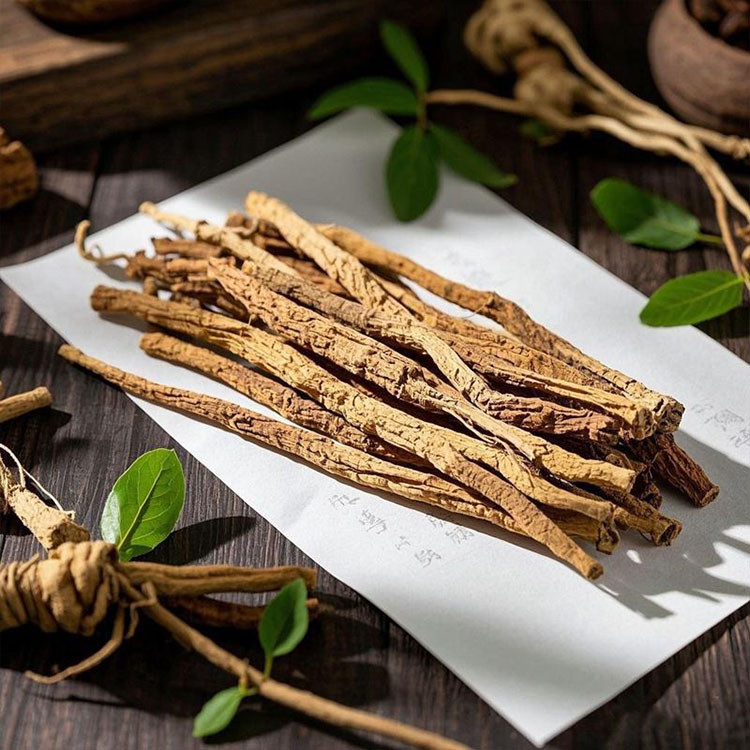
If you want to understand Chinese herbal medicine cost, stop staring at the per-kilo number. The real bill is built from harvest conditions, daodi origin, compliance testing, logistics, tariff exposure, and how much pain the importer is hiding.

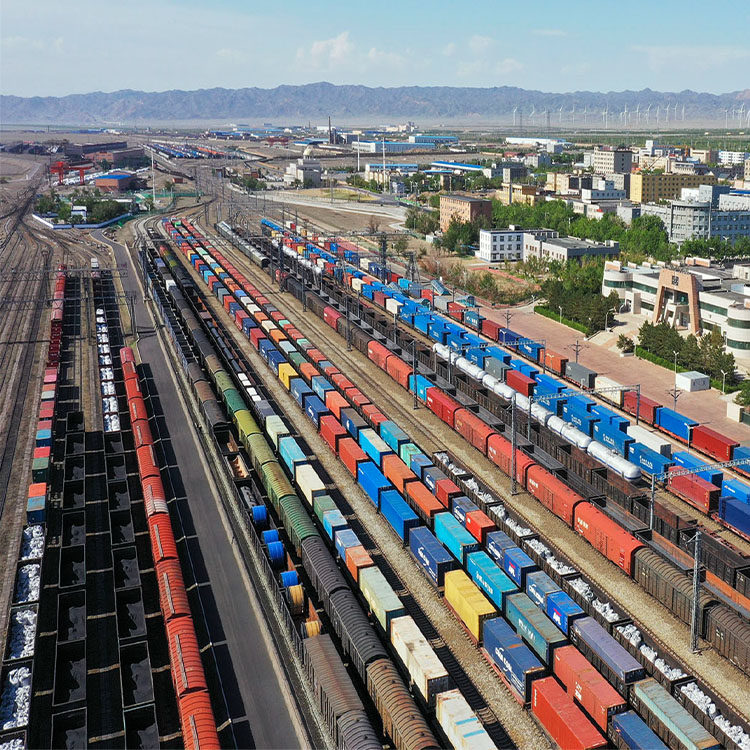
Rail is not the cheap option for herbs. It is the disciplined option. This piece breaks down when China-Europe rail freight for herbs actually works, when sea still wins, and why most failures come from moisture, specs, and customs paperwork rather than the train itself.

Most articles on pesticide residue testing are too polite. This one is not. We compare QuEChERS, GC-MS/MS, LC-MS/MS, and rapid screening methods through the lens that matters most in herbal trade: which method finds the residue, which method survives an audit, and which method keeps your COA from turning into expensive wallpaper.

I have seen herb businesses lose money not because the herb was wrong, but because the batch story was weak. This guide breaks down herb batch management the way buyers, QA managers, customs teams, and skeptical operators actually think about it: traceability, shelf life, release discipline, and proof.

Most supply chains do not fail in dramatic ways. They fail in boring, expensive ways: a missing COA, a broken lot code, a wet batch, a late vessel, or a supplier who says “premium quality” because they cannot say anything precise. This guide breaks down the practices that actually keep herbal supply chains reliable.

Animal-derived medicines are not risky because they come from animals. They become risky when buyers cannot prove species origin, tissue selection, contaminant control, and lot-level traceability. This piece breaks down where the real danger sits, what smart procurement teams verify first, and how to build a sourcing process that survives audits, customs, and bad surprises.

Most buyers talk about origin like it is poetry. I do not. In herb sourcing, a region matters only when it cuts risk, stabilizes chemistry, shortens lead times, and gives you cleaner audit trails. This piece explains which major herb-producing regions actually deliver those gains, where they fail, and how serious buyers should judge them.

Most buyers do not fail because they chose the wrong herb. They fail because they chose the wrong supplier. Here is the blunt, data-backed checklist I would use to separate serious Chinese herbal suppliers from smooth-talking traders.

Clean-looking spice is not clean spice. I break down the hard truth behind magnetic separation for spices, safety sieving for spice powder, and metal detection for spices, using FDA data, recent contamination cases, and practical line-placement logic buyers can actually use.