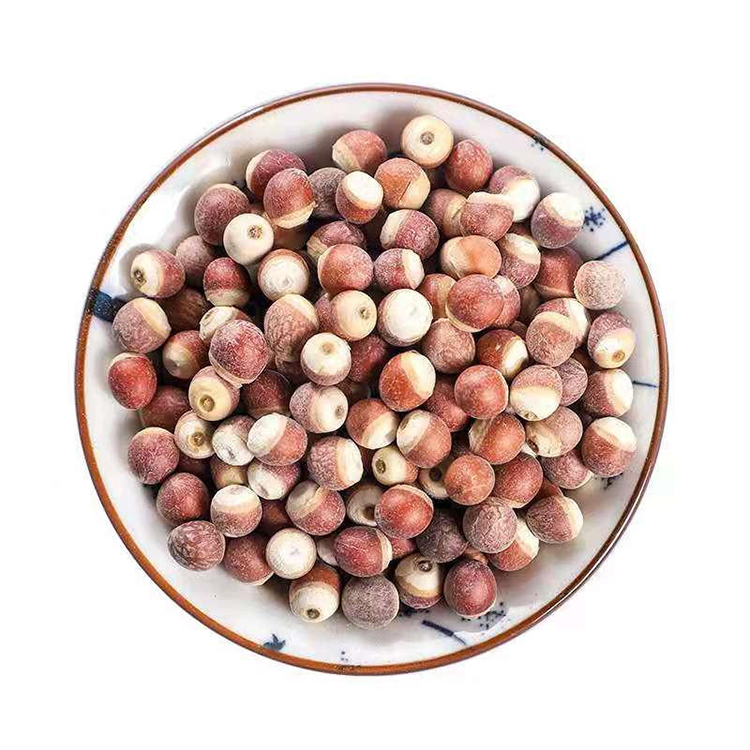
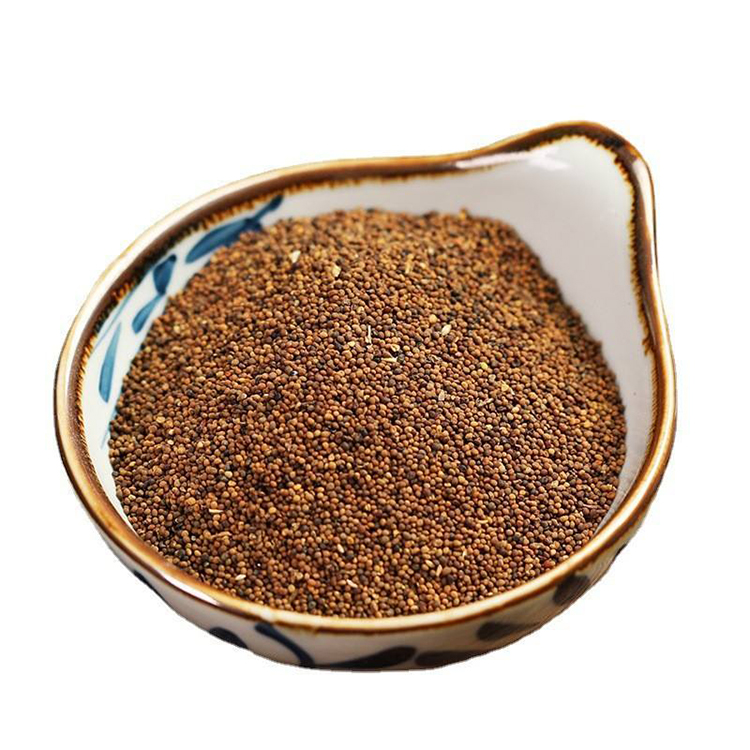
Huang Lian’s alkaloids don’t “taste bad” by accident—they’re chemically built to linger. This is the practical, skeptic-proof playbook to manage bitterness while staying audit-ready and claim-safe.
Bitterness sells today. When you cut sugar and swap in botanicals—Huang Lian for “cleansing,” Bai Zhu for “digestive support vibes”—you’re not just balancing flavor; you’re negotiating with human biology (TAS2R receptors), label politics, and a consumer who’s trained to assume “bitter = effective” right up until the aftertaste punishes them. So what’s the line between “adult botanical” and “licking a battery”?
I’m going to be blunt: most teams treat bitterness masking like a single ingredient purchase. That’s lazy. And expensive.
Table of Contents
The market pressure that forces you into bitterness management
Functional beverages aren’t a niche anymore; they’re a lawsuit magnet with a growth chart.
According to AP News, U.S. functional beverage sales jumped 54% to $9.2B between March 2020 and March 2024, and the category now makes up about 10% of the total U.S. non-alcoholic beverage market. That’s why every brand manager suddenly thinks they’re a pharmacologist.
And once money shows up, legal scrutiny follows. In April 2024, Poppi got hit with a class-action lawsuit alleging its “gut health” marketing oversold the functional impact of its prebiotic content—specifically calling out ~2 g agave inulin per can and citing research benchmarks in the complaint. You can be “on trend” and still get dragged.
Why does this matter for Huang Lian and Bai Zhu? Because if you need bitterness masking to make the product drinkable, you also need discipline on what you’re implying the bitterness “means.”
Know your enemy: Huang Lian and Bai Zhu are not the same kind of bitter
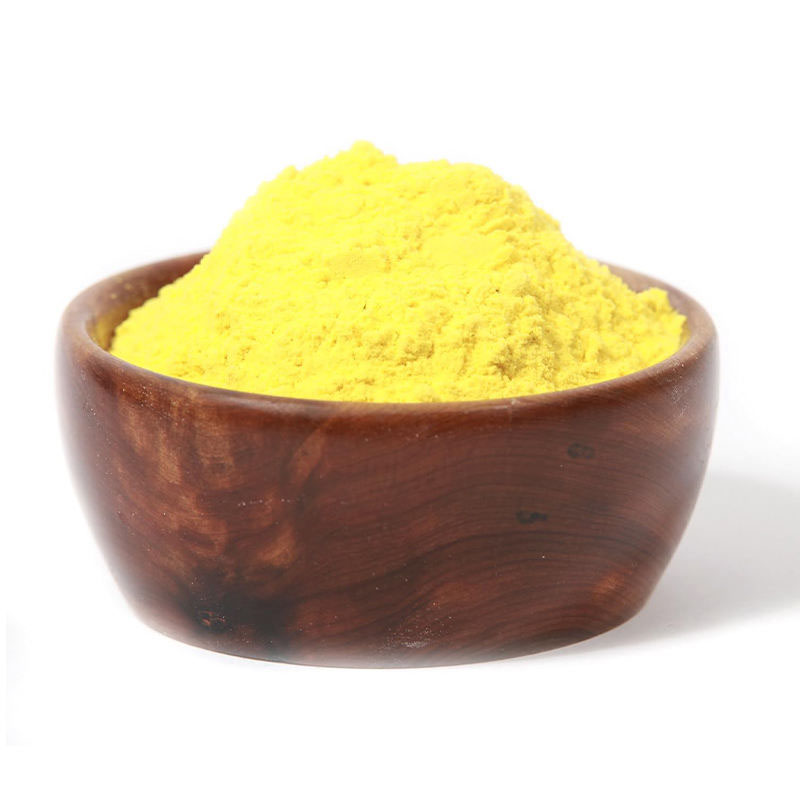
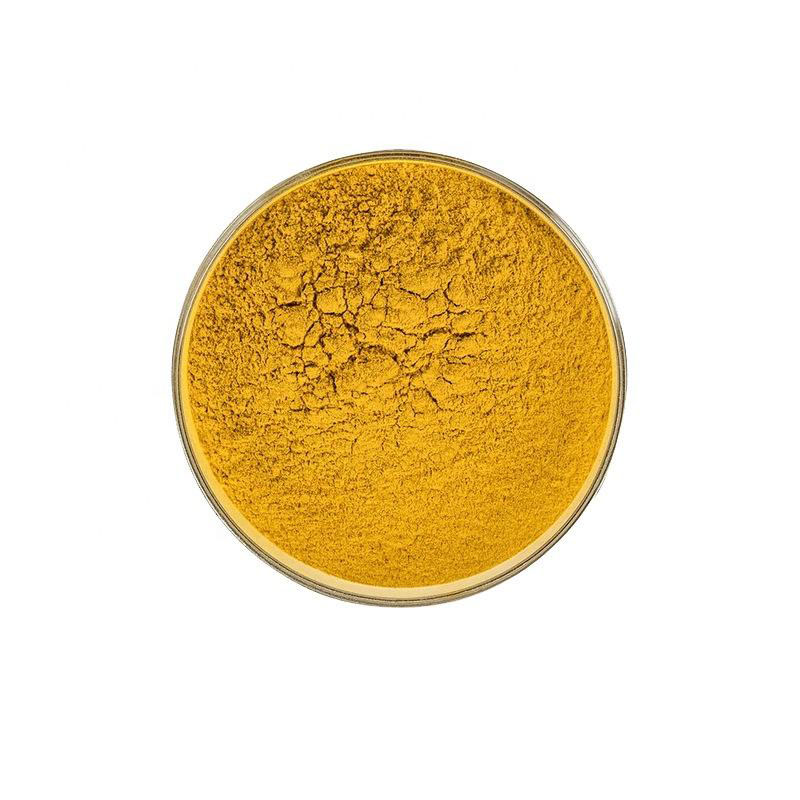
Huang Lian (Coptis) bitterness is “alkaloid bitter.” It’s sharp, persistent, and it loves to hang around after sweetness fades—classic isoquinoline alkaloid behavior (think berberine C20H18NO4+, coptisine C19H14NO4+, palmatine C21H22NO4+).
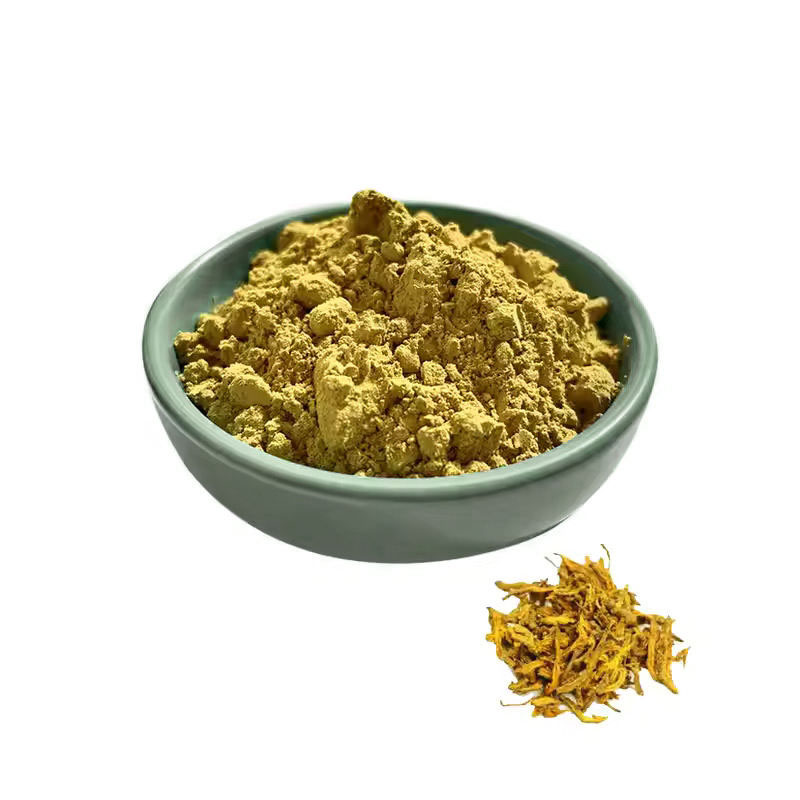
Bai Zhu bitterness is “herbal-aromatic bitter.” It’s usually milder, earthier, and easier to steer with top-notes and texture; its chemistry leans more toward sesquiterpene lactones like atractylenolide I (C15H18O2) that don’t spike bitterness the same way alkaloids do.
On the sourcing side, GuoCao’s own product pages frame Bai Zhu as “mildly/barely bitter and aromatic,” while Huang Lian is positioned as intensely sour/bitter and commonly used in tonic-style blends—different sensory roles, different formulation consequences. Atractylodes (Bai Zhu) bulk supply page, Coptis Root (Huang Lian) slices supply page.
Hard truth: you shouldn’t “erase” Huang Lian bitterness—control it
I don’t buy the “make it taste like juice” fantasy. If Huang Lian is in the formula, total masking often backfires: the consumer expects a little bite, then gets confused when the taste says “candy” but the label says “detox.”
A smarter stance is the one GuoCao states plainly in its own beverage-facing guidance: don’t treat Coptis like a headline flavor; treat it like a backbone, and pick the right format (shots can carry more intensity than big bottles). Using bitter roots like Coptis in modern functional drinks.
Three formats. Three rules.
Shots (30–50 mL): bitterness can be stronger, but it must be fast—no long tail.
RTD sippers (330–500 mL): bitterness must be smooth, short, layered—otherwise repeat purchase dies quietly.
Instant tea / stick packs: bitterness spikes when reconstitution is hot and under-sweetened; your control points are extraction, particle load, and “timing” of sweetness/aroma.
The mechanism stack: what actually works (and what’s marketing)
Most “bitter blocker ingredients” pitches are half-truths because bitterness isn’t one receptor and one solution. So I work in stacks:
Mixture suppression (sweet/acid/salt balance)
Attention steering (aroma top-notes, trigeminal cues like ginger, mint)
Physical control (complexing/encapsulation, filtration, particle control)
Receptor modulation (true bitter blockers—but only when they fit the matrix)
Here’s the part people skip: receptor modulation has real data behind it, but it’s not magic.
A 2024 PubMed-indexed study showed that yeast extracts and adenosine 5’-monophosphate (AMP) can influence bitterness by interacting with bitter taste receptors (TAS2Rs) in cell-based assays—one reason yeast extracts show up in bitterness reduction work even outside “savory” systems.
Does that mean you dump yeast extract into instant tea? No. It means bitterness masking has a receptor-level pathway you can leverage—if your flavor profile and label strategy can tolerate it.
Bench logic that stops wasting weeks
I like boring, repeatable tests. Here’s a bench plan that doesn’t lie:
Build two bases first: (A) no botanicals, (B) full botanicals. Same pH, same Brix, same carbonation level if applicable.
Run a bitterness “time curve”: 0–10 sec (front), 10–30 sec (mid), 30–90 sec (tail). Huang Lian failures live in the tail.
Then choose your lever: front needs aroma + a small sweetness lift; tail needs physical control and/or blocker support.
And yes—process matters. Root and rhizome materials add fines and filtration load, and ignoring cut size is how you end up with line slowdowns and sediment complaints.
If you’re building at scale, use suppliers who openly serve beverage manufacturers and can document traceability and COAs; GuoCao positions its root/rhizome line as serving “pharmaceutical, nutraceutical, and functional beverage industries.” Root and Rhizome bulk supply for functional beverages.
A practical comparison table (functional beverage vs instant tea reality)
Tactic
Best for
What it really does
Huang Lian fit
Bai Zhu fit
Instant tea gotcha
Citrus “bridge” (lemon peel, yuzu-type notes)
RTD, sparkling mixers
Reframes bitter as “bright”
Strong
Medium
Too much acid makes reconstituted tea harsh
Sweetness timing (small early lift + mid support)
RTD sippers
Mixture suppression over the bitter window
Medium
Strong
Over-sweetening exposes a weird bitter tail when sweetness drops
“Tea purity” positioning may reject it; check label strategy
If you want a supplier-side playbook that’s already written in beverage language (sweetness, acidity, masking as a system), steal patterns from GuoCao’s own R&D-facing content and then tighten it with your sensory data. Cistanche postbiotic drink flavor masking playbook.
Procurement reality: prototypes die when MOQ and lead time don’t match R&D speed
This part is unsexy. It still kills projects.
If your team is iterating weekly, you need procurement terms that don’t punish iteration. GuoCao states a low MOQ of 1 kg (2.2 lb) and a 7-day lead time, plus samples/COA/technical support—exactly the stuff that keeps bench rounds moving. Custom herbal solutions for bulk orders.
FAQs
How to reduce bitterness in functional beverages and instant tea?
Bitterness masking is the controlled reduction of perceived bitter intensity—especially the aftertaste—by combining mixture suppression (sweet/acid/salt balance), aroma steering, texture, and sometimes receptor-level approaches, while keeping the product’s intended “botanical” signal believable and stable through shelf-life and reconstitution conditions. Then I’d do it in this order: fix the tail (physical control), fix the front (aroma/early sweet), and only then shop for “bitter blocker ingredients.”
What are bitter blocker ingredients?
Bitter blocker ingredients are formulation aids designed to reduce bitterness perception by interfering with how bitter compounds activate taste pathways, either by interacting with bitter receptors (TAS2Rs) or by changing the availability of bitter molecules in the mouth, and they rarely work universally across all bitter compounds and matrices. That’s why Huang Lian needs a blocker strategy built around its alkaloid tail, not a generic “masking flavor” dump.
Why does Huang Lian (Coptis root) extract taste so aggressive?
Huang Lian bitterness is driven by persistent isoquinoline alkaloids—often including berberine and related compounds—that produce a long, sharp aftertaste, so the sensory problem is less about the first sip and more about the lingering finish, especially once sweetness fades and acids sharpen perception. Treat it as backbone, not headline; shots tolerate it better than big bottles.
What’s the best bitterness masking agents for botanicals?
The “best” bitterness masking agents for botanicals are rarely single agents; they’re stacks that combine (1) aroma bridges that reframe bitterness, (2) sweetness timing tuned to the bitter window, (3) mouthfeel to soften edges, and (4) targeted physical or receptor-path tools when the matrix allows it. If someone sells you one silver-bullet ingredient, assume you’re buying a delay, not a solution.
Can Bai Zhu (Atractylodes) be used to soften bitter formulas?
Bai Zhu is a milder, aromatic botanical that can support bitterness management by adding earthy body and reducing the need for heavy masking, but it does not neutralize strong alkaloid bitterness on its own; it works best as a balancing layer paired with aroma and texture choices. Start with the Atractylodes (Bai Zhu) supply spec and design it as “body,” not “blocker.”
Our low MOQ of 1 kg (2.2 lb) makes it easy to order Chinese herbal slices or wholesale Chinese medicine herbs. Private-label and bilingual labeling are also available.
Delivery Cycle & Support
We have a fast 7-day lead time. We provide free samples, COA reports, and technical support to help you bring high-quality bulk Chinese herbs to market.
Quality & Certifications
Our products are manufactured in a GMP-certified facility and meet ISO22000 standards. All Chinese herbs are third-party tested for heavy metals, pesticides, and microorganisms.