You want every slice to tell the truth—where it came from, how it was handled, and where it’s going next. That’s traceability. Batch control is how you make it real on a busy floor with real people, real shifts, and real deadlines. Below is a practical guide for Chinese herbal slices and spices, written for ops, QA, and buyers who live with audits and shipments, not theory.
GMP, ISO 22000, COA for Batch Control
GuoCao runs GMP Chinese-herbal slice lines, an ISO 22000 food-safety system, and third-party COA on each lot. That stack gives you documented checks, release criteria, and a clean audit trail. It also means you can prove conformity to hospitals, pharma partners, and import agents without hunting through email threads.
The batch is the unit of truth. Your Traceability Lot Code (TLC) must survive every hop: receiving → pre-clean → slicing → drying → grading → packaging → palletizing → dispatch. If the lot link breaks at any point, you lose time when something looks off. Keep both directions live:
Backward: “Which raw lots fed this finished batch?”
Forward: “Which customers received units from this upstream lot?”
Shop-floor shorthand you’ll hear: TLC (traceability lot code), CTE (critical tracking event), KDE (key data element), FEFO (first-expire-first-out), line clearance, label reconciliation, hold-and-release, mock recall, batch genealogy, CIP.
Zoning: Park lots in ambient / cool / controlled-atmosphere zones depending on herb sensitivity. FEFO rotation in WMS; no mystery totes.
Clean breaks: When changing lots, finish, weigh-back, sign-off, and start fresh. Don’t “just blend a little” between hoppers—those few minutes become a traceability blind spot later.
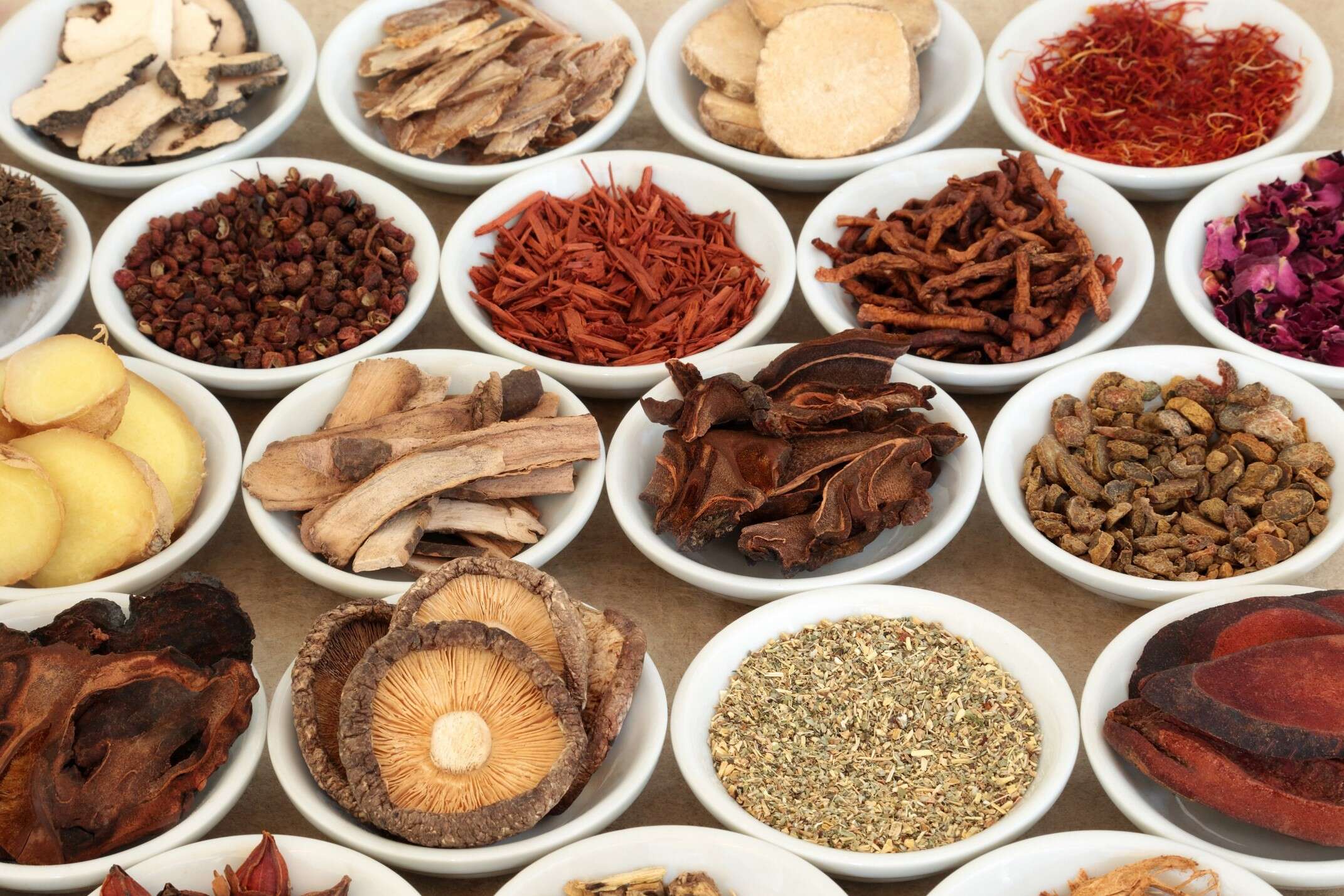
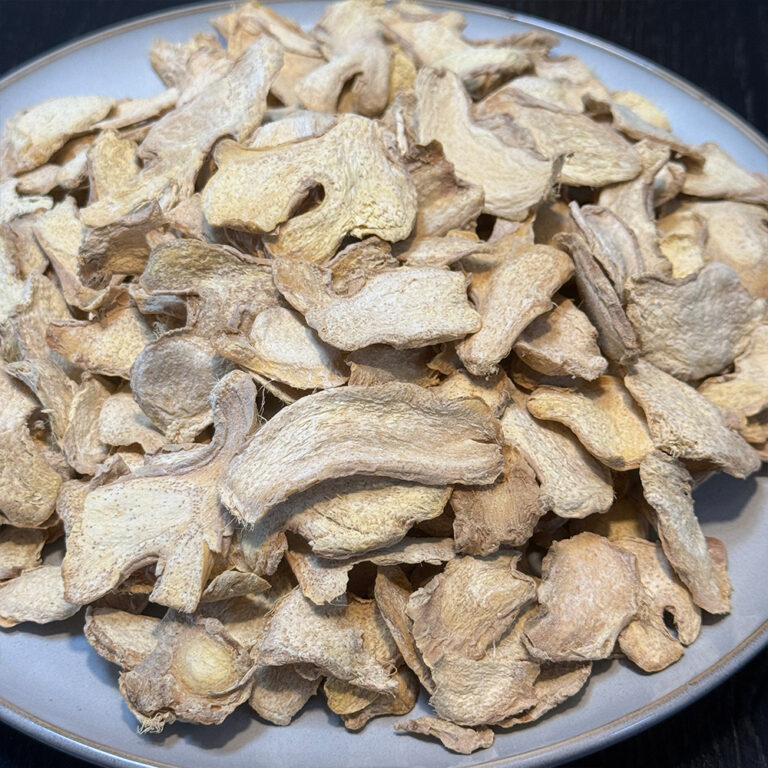
Our category segmentation—fruit & seed, roots & rhizomes, flowers & whole herbs, barks, animal & mineral, spices—helps reduce cross-contact and keeps FEFO simple: right product, right zone, right clock.
Slicing, Drying, Grading: Where Traceability Usually Fails
Slicing: Record slicer ID, knife set, target thickness, operator, start/stop window, TLC-in/TLC-out. Drying: Log dryer ID, cycle profile, inlet/outlet temps, dwell time, humidity; link to the same TLC. Grading / De-dust: Note mesh size, yield, and rework route. If you rework, issue a new sub-lot and keep the genealogy tree honest.
We built lines to keep these records tight while staying fast. That’s how you get consistency and keep the lot story intact without drowning in paper.
Packaging and Label Reconciliation
Labels should carry TLC, production date, spec version, net weight, and (for private label) the customer’s SKU. Reconcile label counts to physical output. If counts don’t match, the pallet does not ship—simple rule, saves headaches. For export, attach COA and required docs to the shipment file so your receiving team can close the loop in one go.
OEM/ODM, Private Label, and Lot Mapping
GuoCao supports OEM/ODM and bilingual labels. Many partners buy bulk and repack locally or launch blends. Keep the batch story intact:
Formula trace: Store the recipe ID with TLCs for every component (yes, spices too—see Dried Spices).
Artwork control: Spec version on the label equals spec version in QMS; no drifting artwork.
Deterministic mapping: When splitting a master bag into retail pouches, the lot code mapping must be predictable. No “we think it’s this one” later.
CTE/KDE Matrix for Herbal Slices (Copy-Ready)
Stage (CTE)
KDE (key data elements)
IDs to capture
Reason
Owner
Receiving
Supplier, origin, weight, moisture, documents
Inbound TLC, GRN#
Validates provenance, sets FEFO
QA + Warehouse
Storage
Zone (ambient/cool/CA), bin, FEFO date
Bin ID, WMS lot
Prevents aging, limits drift
Warehouse
Pre-clean
Screen, foreign-matter check, sieve
Line ID, pre-process lot
Clean break before slicing
Production
Slicing
Thickness spec, time window, operator
Slicer ID, TLC-in/out
Links time and equipment to output
Production
Drying
Temp/humidity/dwell, cycle
Dryer ID, cycle log
Stabilizes moisture and micro
Production + QA
Grading
Mesh size, rejects, rework route
Sub-lot code
Avoids ghost blends
Production
Packaging
Pack size, pack count, spec revision
Label roll/batch, pallet ID
Label reconciliation + export docs
Production + QA
Dispatch
Carrier, region docs, COA file
ASN, carton→pack map
Faster trace-forward to customers
Logistics
Tip: run mock recalls on a set cadence. Keep it short and slightly chaotic (like real life). Dont skip just because last month was quiet.
Category-Specific Guidance (Real-World, No Fiction)
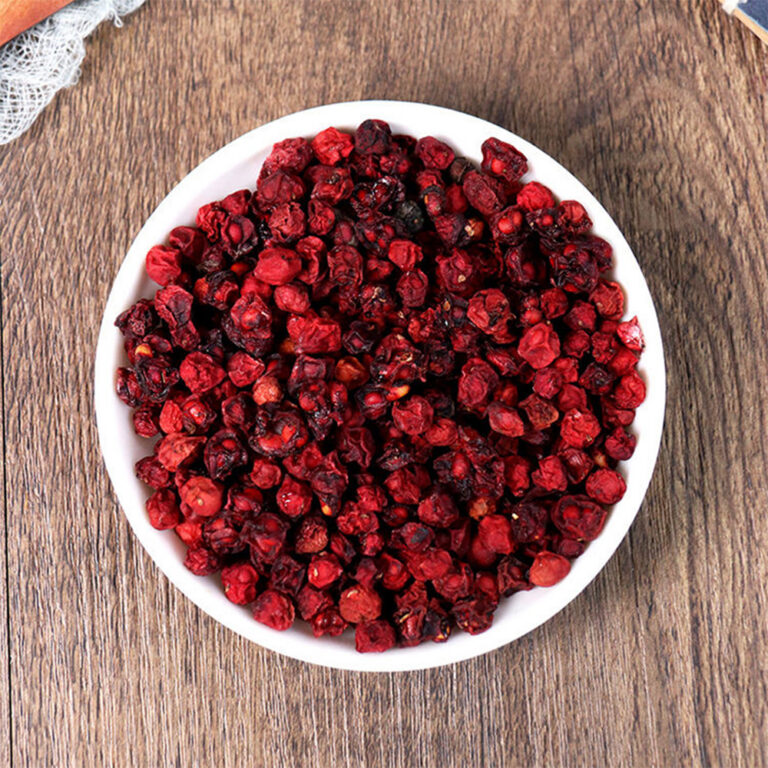
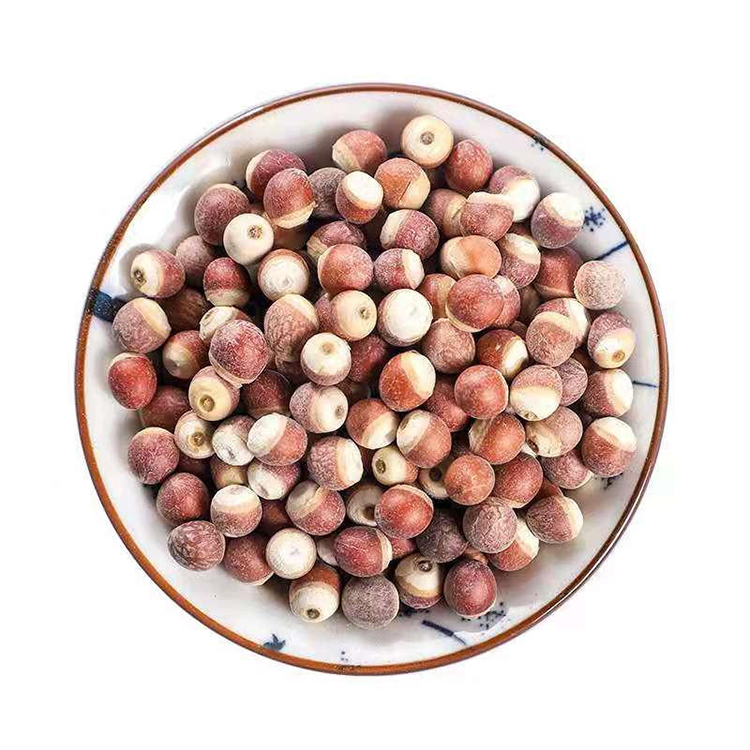
Fruit & Seed (goji, cassia seed, star anise): oil and moisture love to wander. Lock dryer profiles by SKU and confirm lot-level moisture before release. See Fruit & Seed.
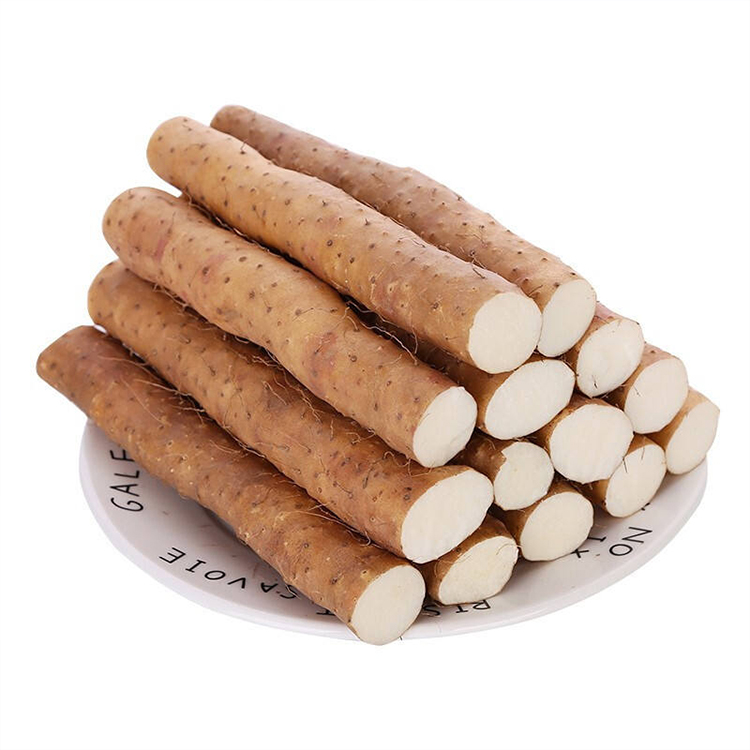
Roots & Rhizomes (dang gui, ginseng): thickness creeps over long runs; add time-boxed checks and re-zero every shift. Explore Root & Rhizome.
Flowers & Whole Herbs: fragile, quick to oxidize. Keep cool storage and minimize time between drying and pack. Browse Flowers & Whole Herbs.
Barks / Cortex: fiber variance changes brew behavior; grade after slicing and document sub-lots. View Barks / Cortex.
Animal & Mineral: paperwork first—origin and permits—before you schedule the line. See Animal & Mineral.
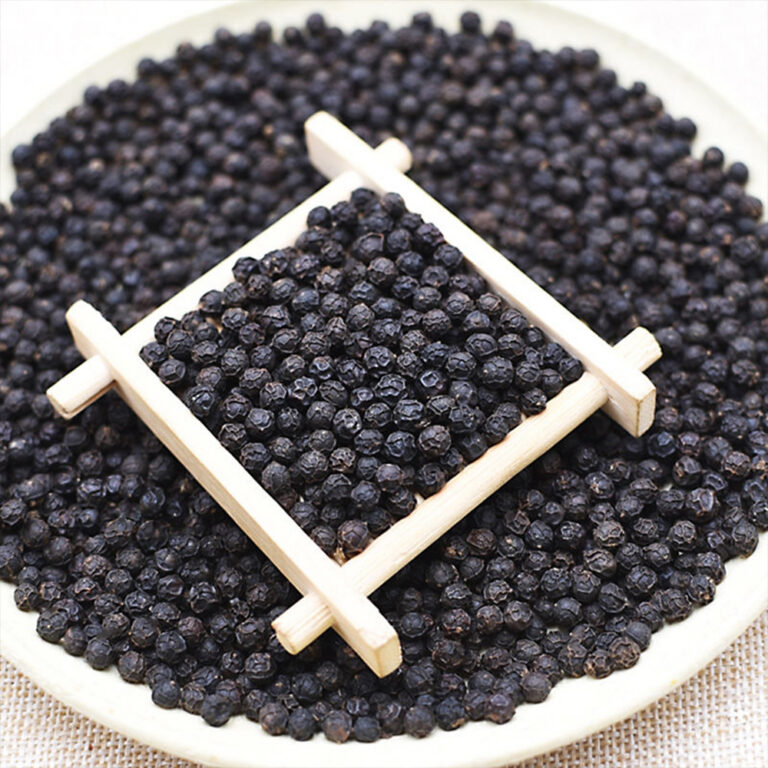
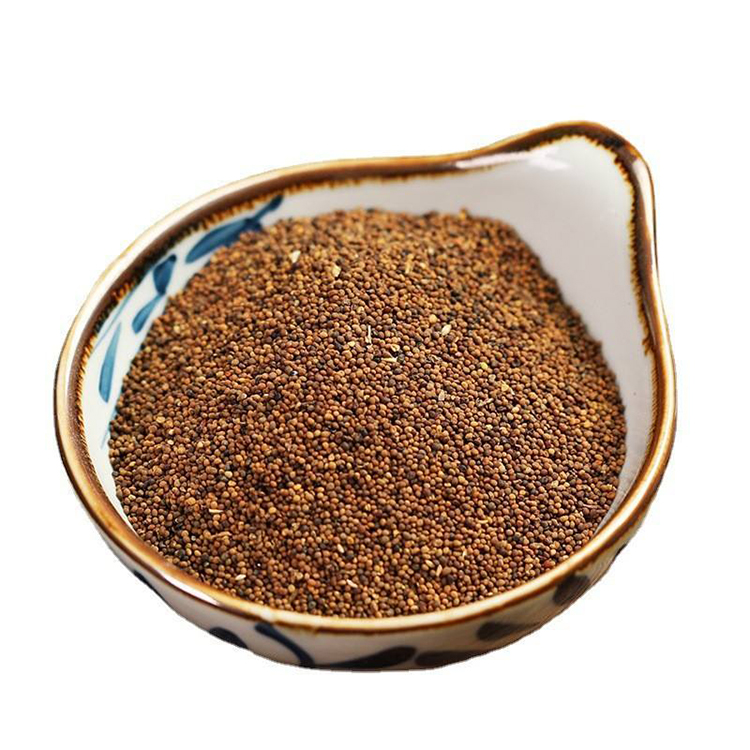
Spices: high aroma = high carryover risk. Do line clearance plus a quick nose-test SOP. Check Dried Spices.
Pain Points We Neutralize (Ops Black-Belt Stuff)
Blending hell: Hoppers fed by multiple inputs with no clean break make impact windows huge. Fix with lot layering and enforce stop-clear-start on changeover.
Paper ghosts: Labels wander. Use label reconciliation to tie label counts to output counts and to TLC. If counts drift, trigger hold-and-investigate.
Rework fog: Rework must carry a new sub-lot with its own trail, or your genealogy tree lies.
Spec creep: Cut size drifts when knives dull or roots change. Add mid-run checks; assign a slicer owner per shift.
Random COAs: One COA for many lots? No. Each TLC carries its own third-party COA in the batch folder.
Business Value Without the Buzz
Faster approvals. Pharm, hospitals, beverage, cosmetics—many buyers require COA, origin, and batch specs up front. A tidy lot dossier moves you ahead in their queue.
Shelf-life confidence. FEFO plus controlled drying profiles reduce early staling, which makes distributors and local retailers way happier.
Private-label at scale. Deterministic lot mapping lets big wholesalers run multiple brands from one master batch without tangling records.
Less firefighting. With hold-and-release, mock recalls, and line clearance, you spend more time shipping and less time hunting pallets.
Global ready. GuoCao ships to the U.S., Europe, Australia, Japan, Korea, Canada, Malaysia, the Philippines, and more, with full paperwork. If you sell worldwide, we speak that language.
(Notice we didn’t throw “cost math” at you. You already know: clean trace saves time, trust, and stress.)
GuoCao is a global manufacturer of Chinese medicinal herbs and spices. We operate GMP slice lines, maintain ISO 22000, run third-party COA testing, and keep capacity strong for stable lead times. We support OEM/ODM, bilingual labels, and private-label builds. Our products ship to 30+ countries and regions—pharma companies, supplement makers, hospitals, beverage brands, cosmetics raw-material buyers, distributors, and retailers. If you need bulk supply or custom blends, we’ll map the batch flow with you and keep the TLC story tight.
Our low MOQ of 1 kg (2.2 lb) makes it easy to order Chinese herbal slices or wholesale Chinese medicine herbs. Private-label and bilingual labeling are also available.
Delivery Cycle & Support
We have a fast 7-day lead time. We provide free samples, COA reports, and technical support to help you bring high-quality bulk Chinese herbs to market.
Quality & Certifications
Our products are manufactured in a GMP-certified facility and meet ISO22000 standards. All Chinese herbs are third-party tested for heavy metals, pesticides, and microorganisms.