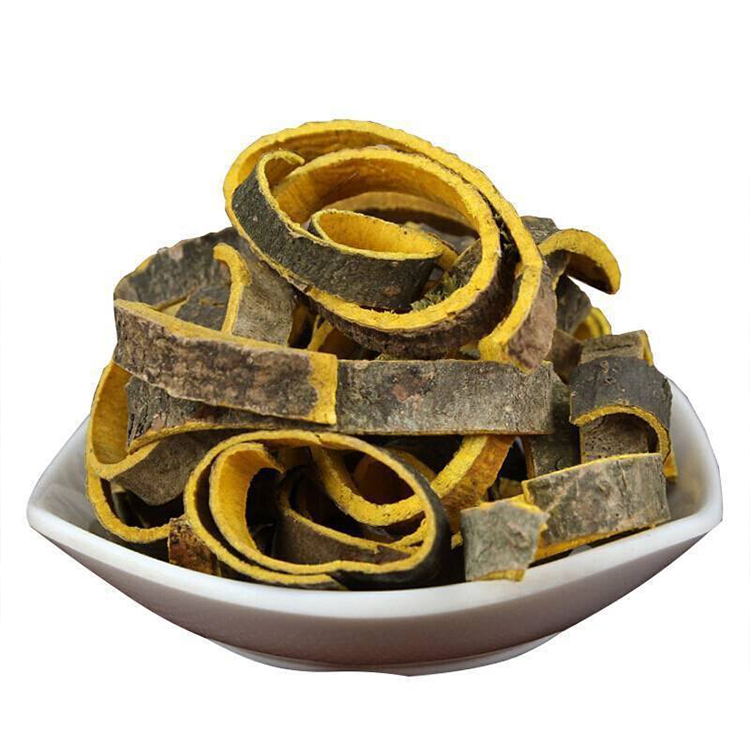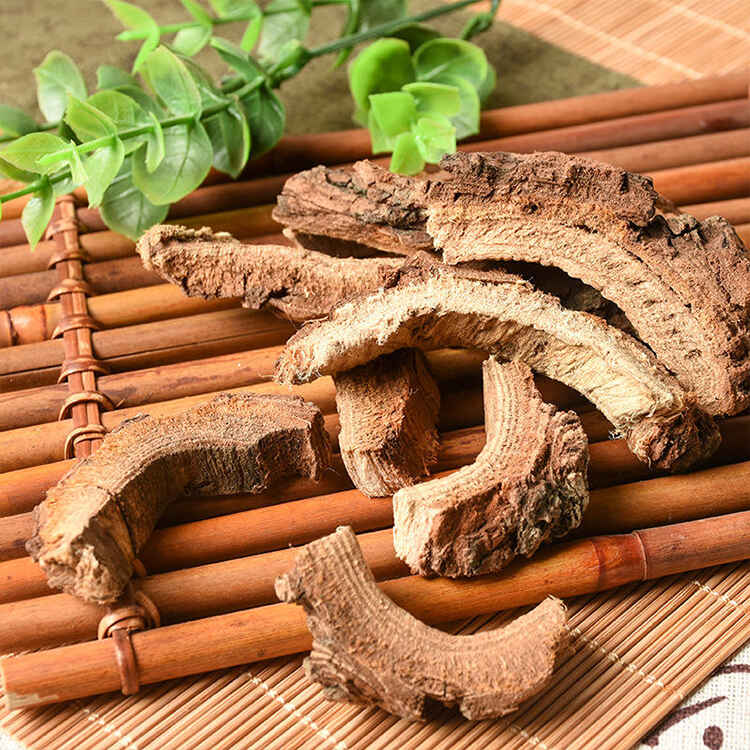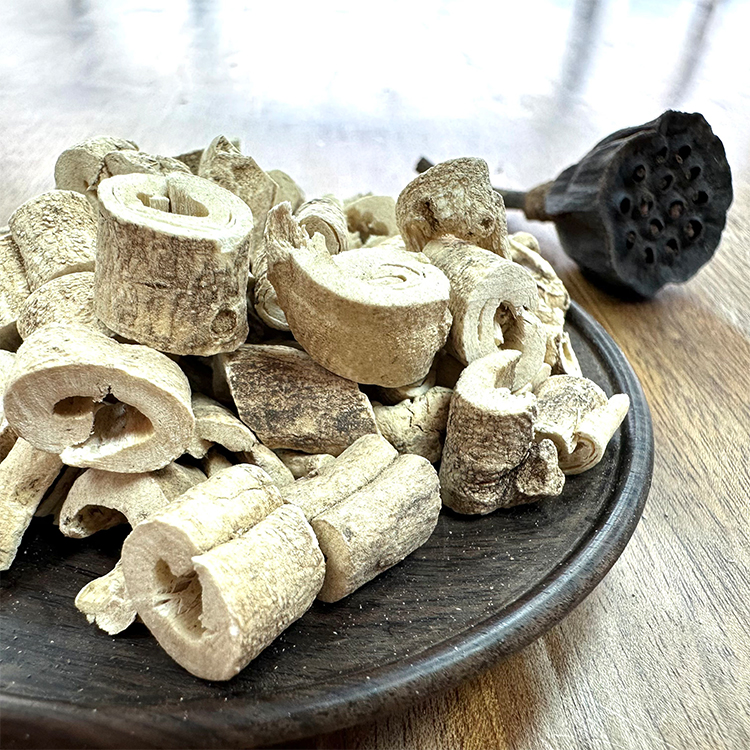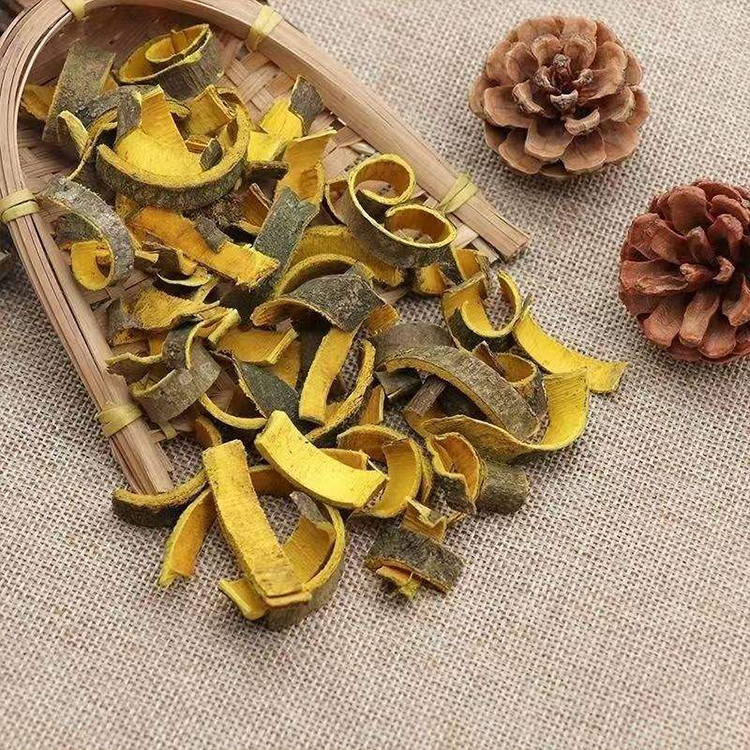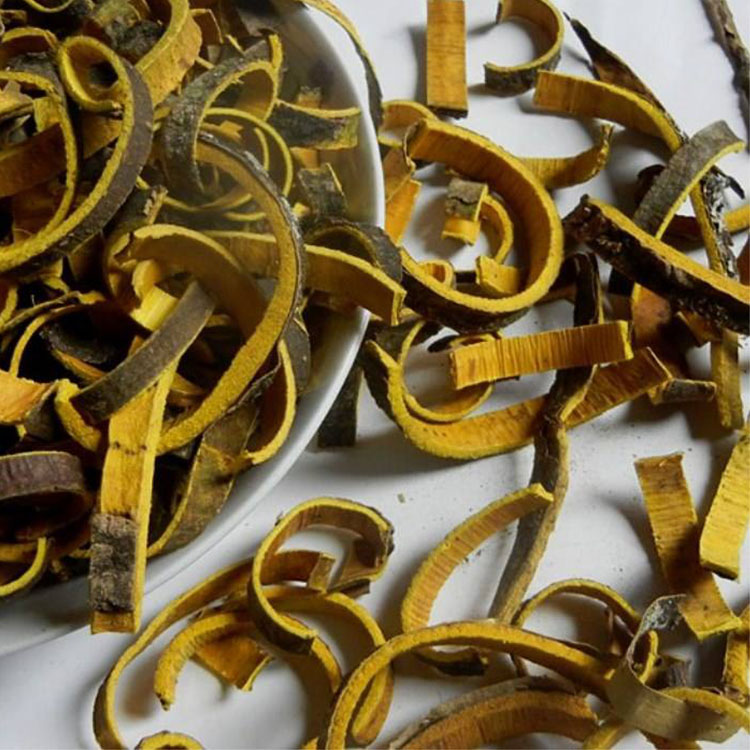



Phellodendron Bark is easy to recognize and surprisingly easy to buy badly. This procurement guide explains why yellow color and bitterness matter, why Phellodendron chinense and Phellodendron amurense should not be treated as anonymous substitutes, and what bulk buyers should demand from suppliers before approving a shipment.

Bark natural herbs do not fall short quietly. They soak up odors, shed volatile oils, pick up dampness, and subject weak storage self-control long prior to a COA informs the buyer anything. Here is the blunt storage system significant herbal providers must use.

Bark herbs are not filler botanicals. They belong in formulas where bitterness, tannins, volatile oils, alkaloids, extraction time, and supplier discipline actually matter.

Bulk Chinese medicinal materials are not bought by pretty photos. Bark herbs demand botanical identity, moisture control, cut-size precision, export paperwork, and supplier discipline. Here is how professional buyers should source cortex materials without getting burned.

Bark herbs look simple until a buyer has to specify thickness, moisture, particle size, testing, and packaging. This guide explains when to choose bark herbs in slices, strips, or chunks, using real sourcing logic, regulatory evidence, and hard-earned industry judgment.