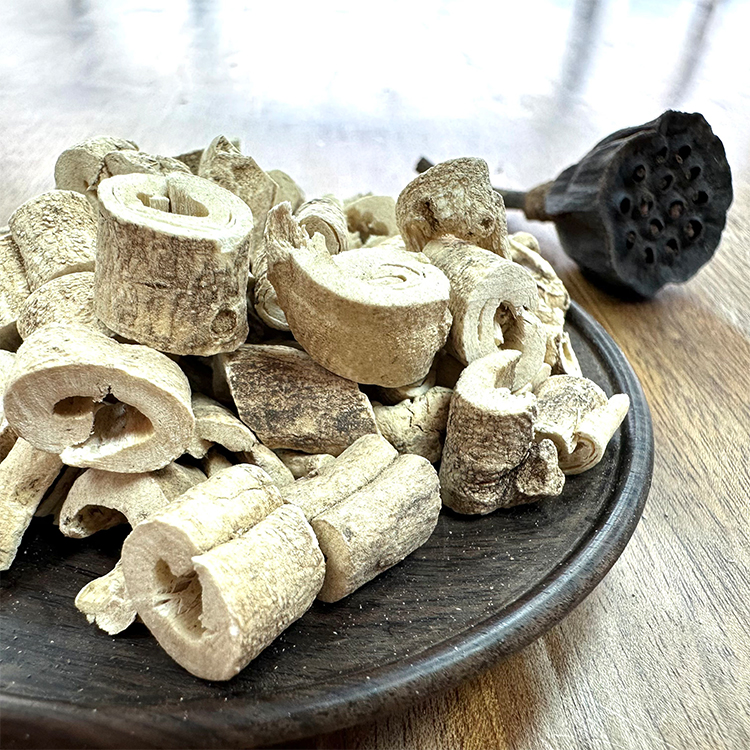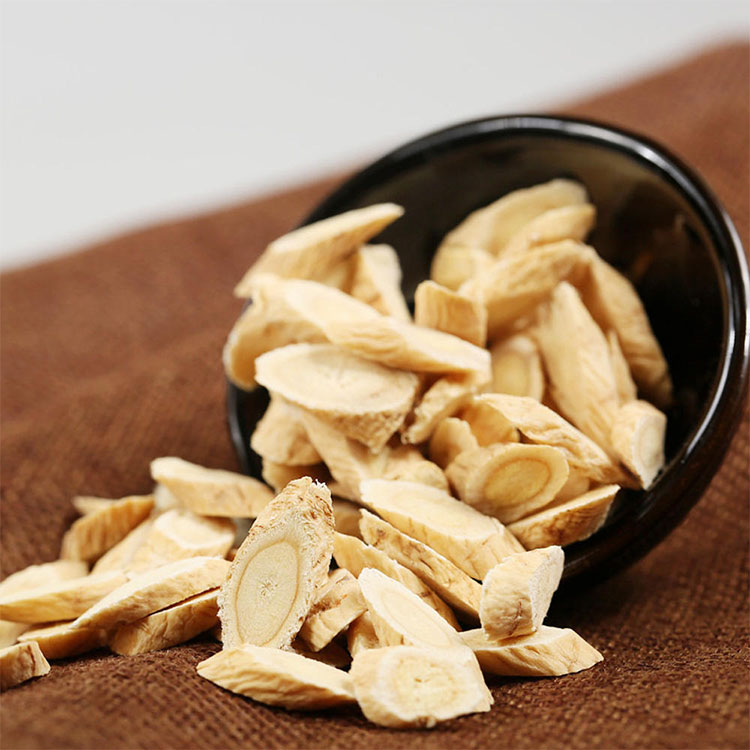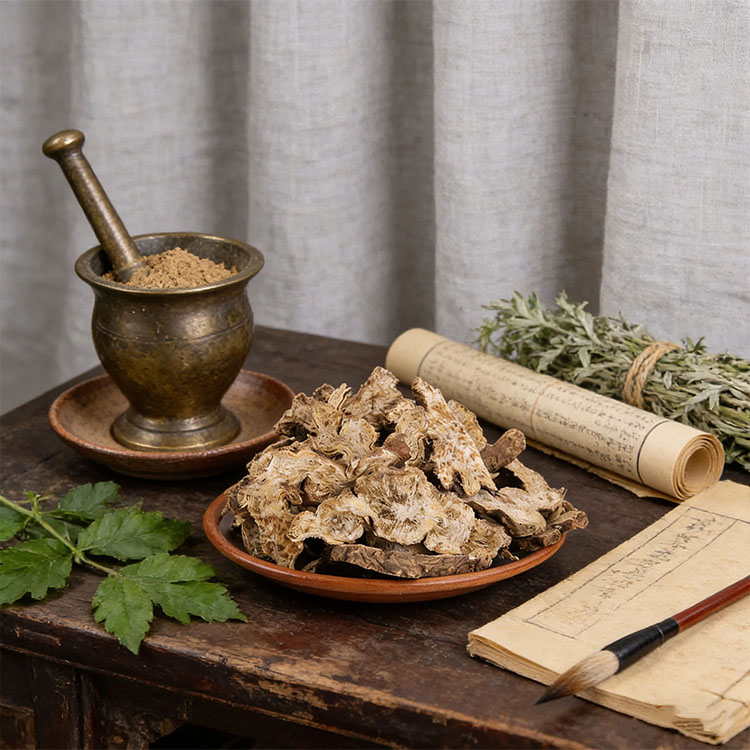



Kudzu root block high quality relies on three linked variables: starch retention, moisture control, and cutting-size circulation. This technical overview clarifies just how expert customers should specify, test, and decline Ge Gen obstructs prior to irregular material gets to removal, decoction, food, or OEM manufacturing.

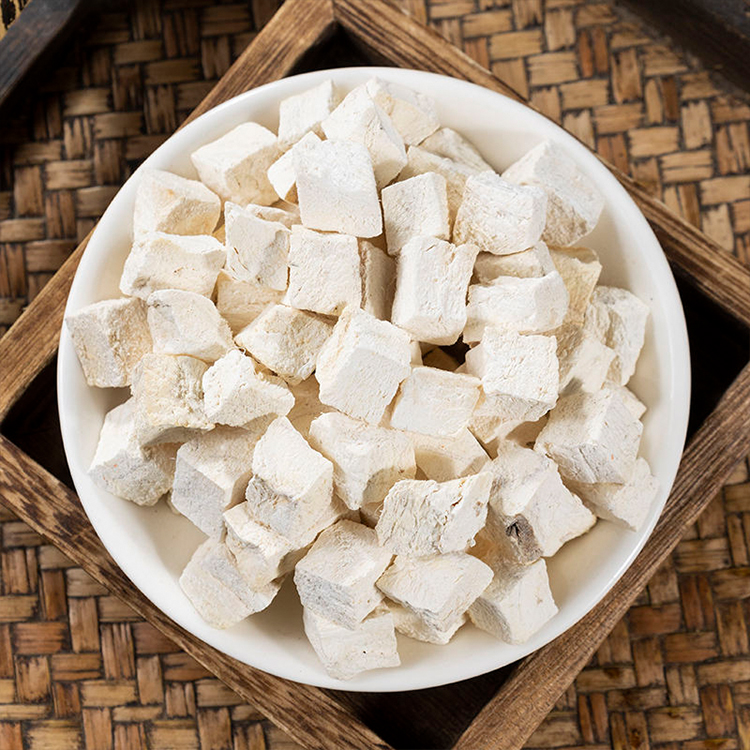
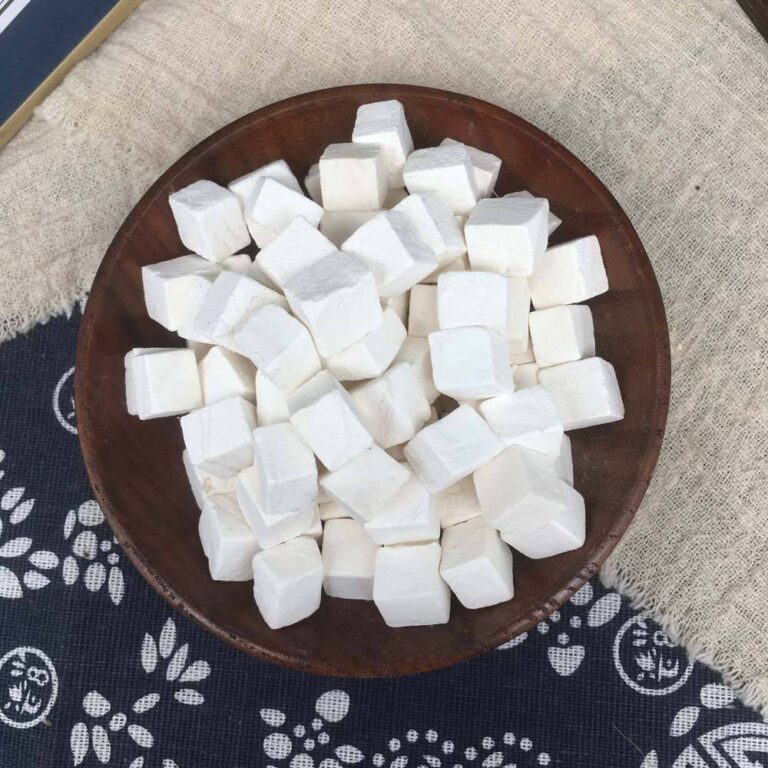
Poria mushroom sourcing looks simple until a supplier sends beige powder, a weak COA, and a price that makes no sense. This guide shows manufacturers how to buy Poria cocos with tighter specifications, smarter testing, and fewer regulatory surprises.

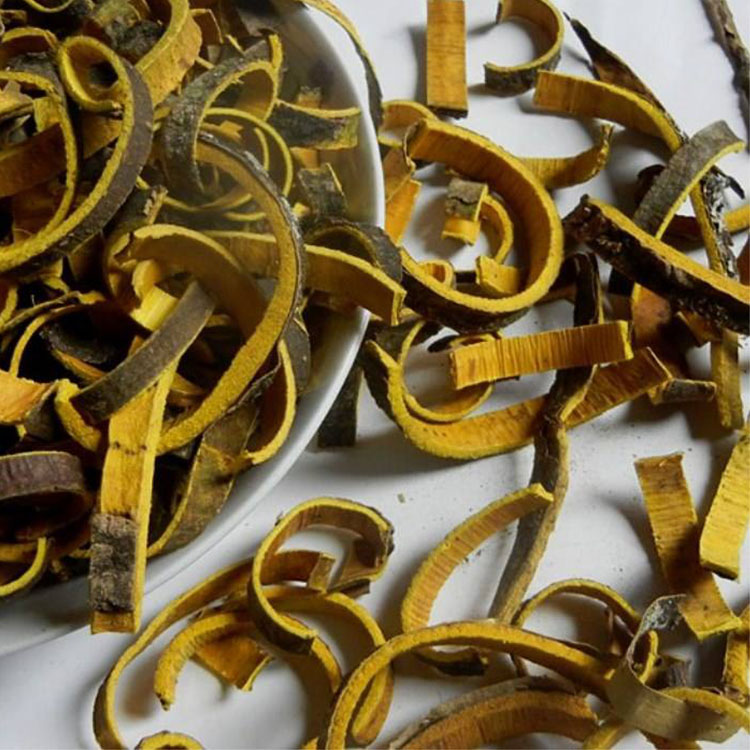
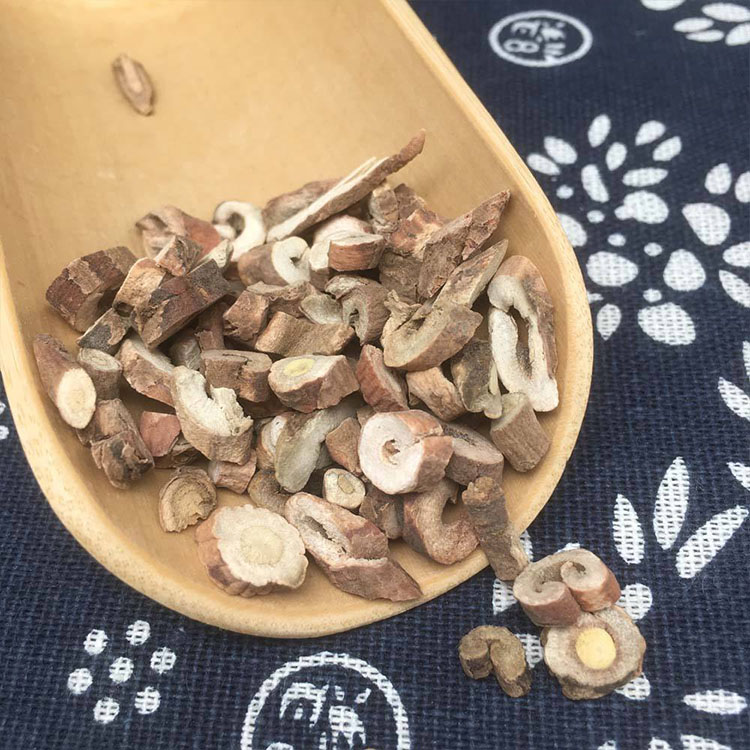
Bark herbs are not filler botanicals. They belong in formulas where bitterness, tannins, volatile oils, alkaloids, extraction time, and supplier discipline actually matter.

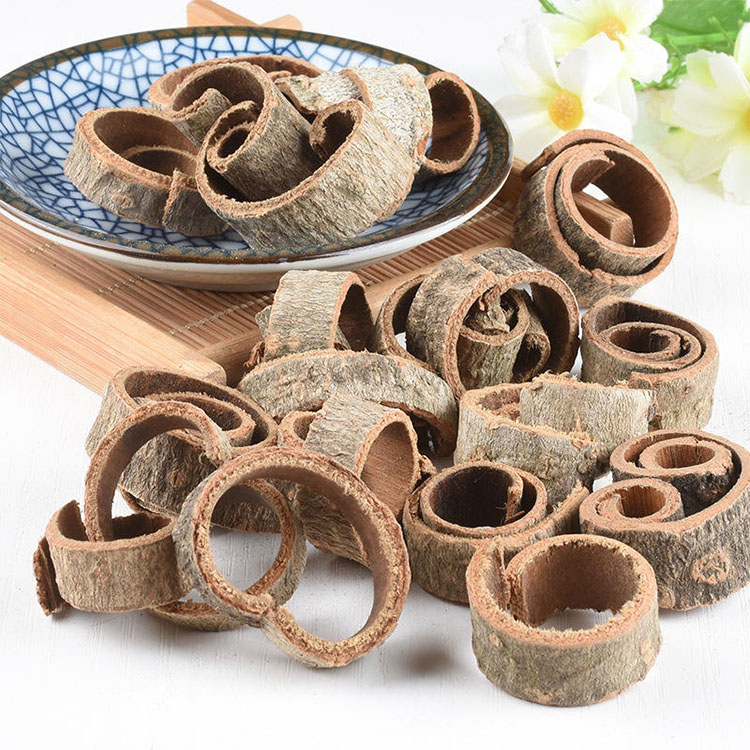
Bark herbs look simple until a buyer has to specify thickness, moisture, particle size, testing, and packaging. This guide explains when to choose bark herbs in slices, strips, or chunks, using real sourcing logic, regulatory evidence, and hard-earned industry judgment.

Moutan Bark quality is not decided by color alone. Core removal, slice thickness, drying discipline, origin control, and lab-backed release data decide whether a lot is useful material or a quiet liability.

Processing methods for herbal slices are not cosmetic. They change chemistry, bioavailability, toxicity, storage stability, and market risk. I break down what cutting, drying, stir-frying, steaming, honey-processing, wine-processing, vinegar-processing, salt-processing, and sulfur fumigation really do—and where the industry still gets it badly wrong.

Most supply chains do not fail in dramatic ways. They fail in boring, expensive ways: a missing COA, a broken lot code, a wet batch, a late vessel, or a supplier who says “premium quality” because they cannot say anything precise. This guide breaks down the practices that actually keep herbal supply chains reliable.

Most buyers talk about origin like it is poetry. I do not. In herb sourcing, a region matters only when it cuts risk, stabilizes chemistry, shortens lead times, and gives you cleaner audit trails. This piece explains which major herb-producing regions actually deliver those gains, where they fail, and how serious buyers should judge them.

I’m not impressed by “sulfur-free” on its own. For Cang Zhu, the smart move is to test sulfur dioxide residue, volatile markers like β-eudesmol, hinesol, and atractylodin, plus moisture, micro, pesticides, and supplier traceability across consecutive lots.

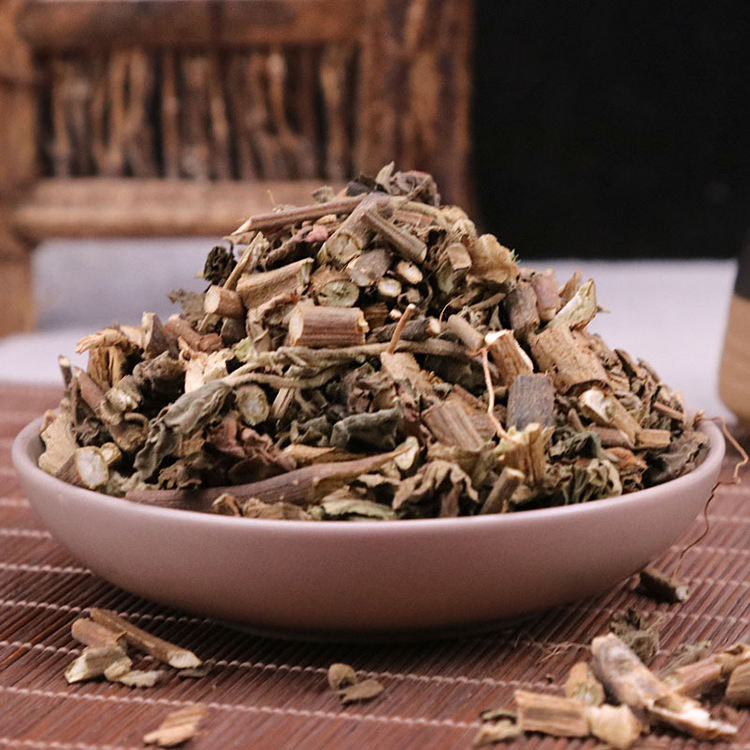
Patchouli processing is not a purity fairy tale. It is a negotiation between volatile-oil retention, microbial control, regulatory pressure, and what buyers will still accept once the bag is opened.
This piece explains where Guang Huo Xiang value really sits, why the kill-step cannot be dodged, and how ChineseHerbalSlices.com should interlink its own patchouli pages to convert skeptical buyers.

Most Hou Po problems blamed on “the herb” are really failures in sampling, process control, and carton handling. This guide explains how to reduce bitterness, prevent resin stickiness, and write supplier specs that survive real bulk trade.