If you work in herbs, supplements or functional drinks, you already know two classic complaints:
“My stomach is always bloated after meals.”
“My chest feels tight, breathing not smooth when weather change.”
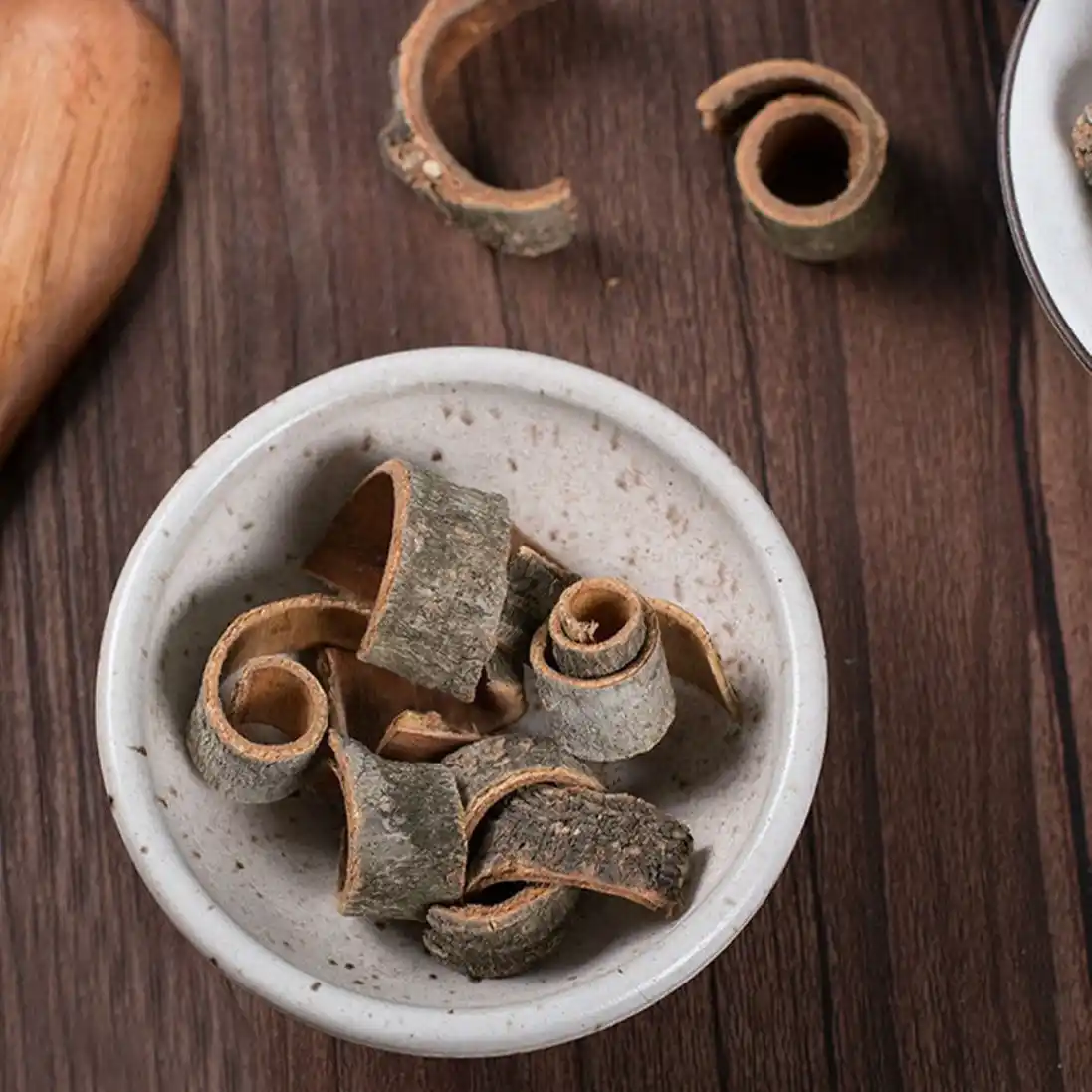
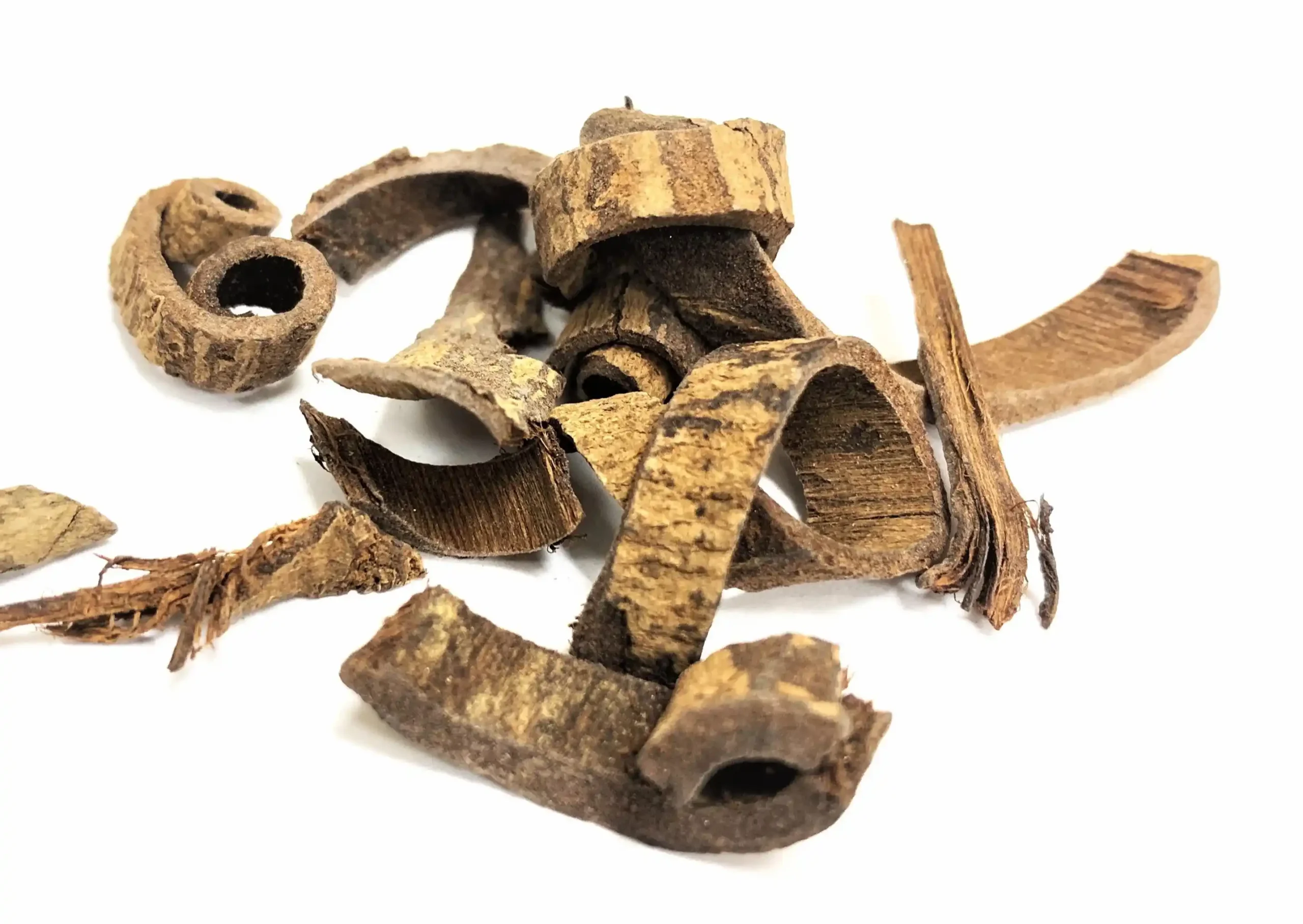
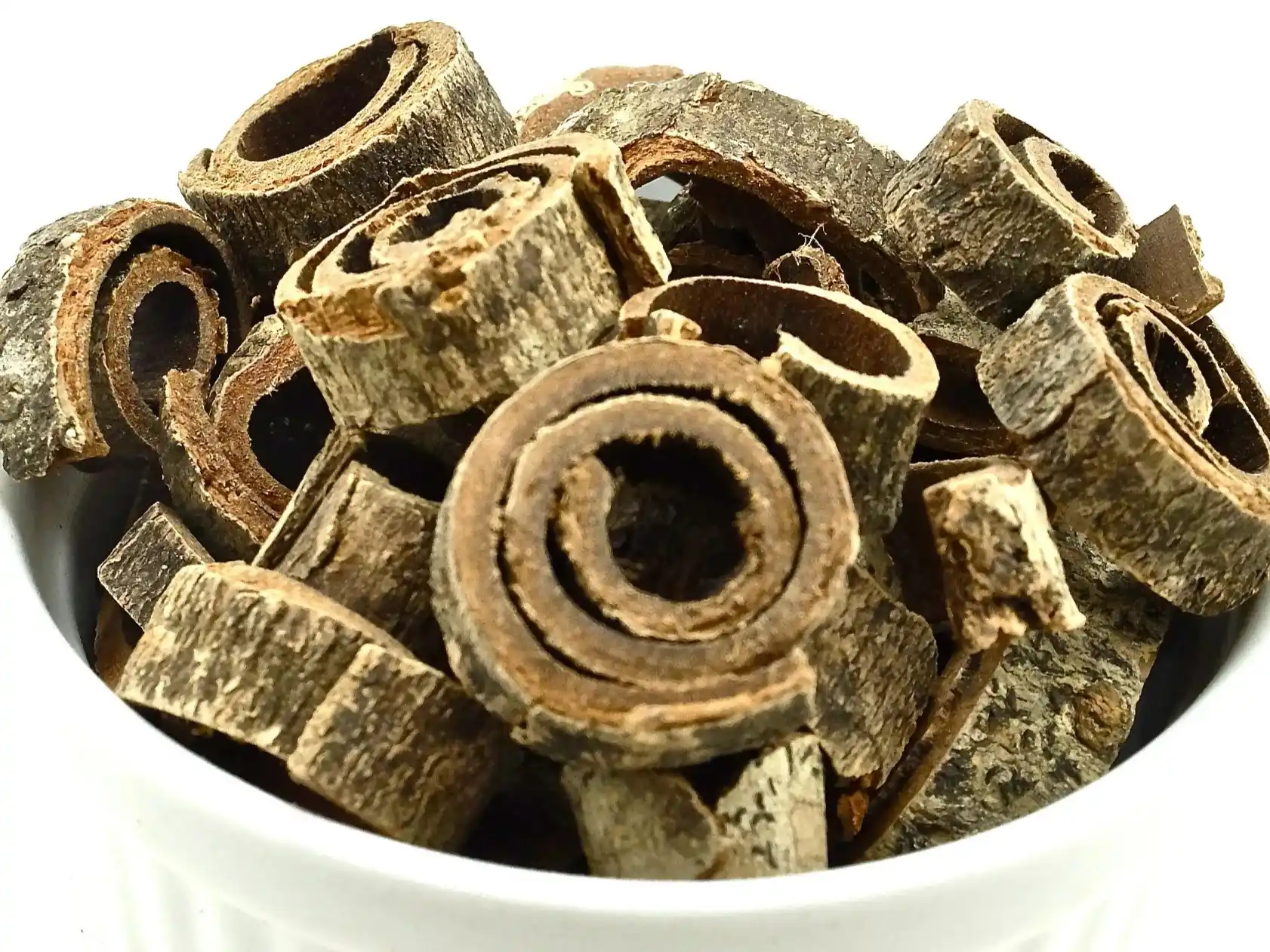
In TCM language that’s Qi stagnation in the middle Jiao plus phlegm blocking the Lung. One herb sits exactly on this gut–lung line: Magnolia bark (Hou Po,).
In this article I’ll argue one simple point:
Magnolia bark is not just an old bark. It’s a real tool for both bloating relief and asthma support, and it has clear business value when you build gut–lung formulas with a serious supply chain like GuoCao behind it.
Magnolia Bark (Hou Po) Traditional TCM Uses for Bloating and Asthma
In Traditional Chinese Medicine, Magnolia bark is bitter, warm, and aromatic. It enters the Spleen, Stomach, Lung and Large Intestine channels. Classic books use it to:
move stuck Qi in the middle
dry damp and clear food retention
transform phlegm
“lower Qi” to calm wheeze and chest oppression
When a patient says “my belly is tight, can’t burp, can’t poop very well,” TCM doctors often think about Hou Po. When the same person also has cough with thick phlegm and a stuffed chest, they think about Hou Po again.
On the product side, Magnolia bark sits naturally in the bark category. You can see this directly in GuoCao’s Barks Cortex Chinese Medicines section. It’s listed there together with other classic barks that warm Yang, regulate Qi, or clear damp-heat.
So from day one, Hou Po is “built” for digestive fullness and breathing trouble, not just to add smell to a tea bag.
Magnolia Bark (Hou Po) Digestive Health Benefits for Bloating and Gas
TCM View: Moving Qi and Drying Dampness
Bloating in TCM usually comes from a few patterns:
greasy food, cold drinks, too late dinner → damp and food stagnation
stress and irregular schedule → liver Qi hits the spleen
long-term weakness → Spleen can’t transform fluids, everything just sits
Hou Po hits this picture in three ways:
Moves Qi – it helps the “engine” in the middle Jiao start again.
Dries damp – it reduces the heavy, sticky feeling after meals.
Supports bowel movement – when there is fullness with hard stool or difficult stool.
People don’t say this in fancy words. They just feel less like a balloon.
Modern Perspective: Gut Motility and Comfort
Modern pharmacology uses different language, but the story is quite close:
Magnolia bark supports gut motility, so food moves more steadily instead of parking in the intestine.
It shows anti-inflammatory and antioxidant effects in the digestive tract.
It may help the microbiome stay in a more balanced state, which often means less gas and discomfort.
We don’t need to sell it as some miracle. For brands and clinics, the important part is simple: Hou Po is a solid candidate whenever your formula targets bloating, gas, IBS-like discomfort and that dull fullness in the upper abdomen.
Digestive Symptoms and Magnolia Bark Role
Digestive symptom
TCM explanation
Magnolia bark role
Post-meal bloating and gas
Qi stagnation and damp blocking the middle Jiao
Moves Qi, dries damp, lets gas and food move on
Heavy stomach, poor appetite
Food retention and weak Spleen function
Relieves fullness so appetite slowly come back
Constipation with fullness
Qi can’t push stool, intestines feel tight
Helps Qi descend and supports bowel movement
IBS-like discomfort
Mixed pattern: stagnation + mild inflammation
Adds a “regulating” layer inside multi-herb formula
For manufacturers, this translates very directly into product ideas.
Magnolia Bark (Hou Po) Asthma and Respiratory Support
TCM View: Chest Fullness, Cough and Wheeze
On the Lung side, Magnolia bark is used for:
cough with thick phlegm
chest tightness that feels worse in damp or cold weather
wheezing where Qi can’t descend properly
The classic idea is simple:
clear phlegm, open the chest, push the Qi downward so the Lung can breathe again.
Hou Po often appears together with apricot seed, perilla seed, pinellia and other Lung herbs. These can be sourced in the same system through GuoCao’s Flower and Whole Herbs and Animal and Mineral Chinese Medicines categories when needed.
Modern View: Airway Inflammation and Smooth Muscle
Modern experiments suggest Magnolia bark extracts can:
calm certain inflammatory pathways in the airways
reduce allergic response in models
slightly relax bronchial smooth muscle
None of this means someone should stop their inhaler or ignore medical advice. The point is much more down-to-earth: Hou Po makes sense as an adjunct herb in respiratory formulas, especially when the same person also has digestive stagnation.
Respiratory Symptoms and Magnolia Bark Role
Respiratory symptom
TCM picture
Magnolia bark role
Chest tightness with phlegm
Phlegm-damp blocking Lung Qi
Opens chest, helps phlegm move
Mild wheezing, weather change
Cold + damp + weak middle Jiao
Warms interior, moves Qi downwards
Cough plus bloating
Gut–Lung axis out of balance
Works on both middle and Lung at same time
So we get a pretty clear argument: If your target user has both stomach fullness and breathing discomfort, Magnolia bark is one of the few herbs that logically talks to both systems at once.
Magnolia Bark (Hou Po) Product Applications and OEM/ODM Scenarios
Now let’s get very practical. How do we turn all this into SKUs that actually move?
Digestive and Respiratory Tea Bag Formulas
Tea bags are easy for end-users and easy for marketing. One simple direction:
Magnolia bark as the Qi-moving core
plus citrus peel, hawthorn, and coix seed for digestion
plus a small amount of Lung herbs for light chest support
GuoCao already runs production for Chinese Herbal Tea Bags, so you can go from raw slice to finished sachet in one place: herb cutting, blending, filling, outer bag, carton. No need to send semi-finished material to another packer and hope the spec still okay.
Herbal Enzyme and Functional Drink Projects
Another trend is enzyme drinks and postbiotic beverages. Here Magnolia bark can sit in the background:
give a “gut comfort” angle for marketing,
support digestion after heavy or oily meals,
add an extra story: not just enzymes, but real TCM bark known for stomach and chest relief.
GuoCao supports Chinese herb enzyme drink production on the same GMP system that handles herbs and slices, which means your drink project can share the same QC logic, warehouse, and COA style as your dried product line. This reduce friction a lot between your R&D and purchasing team.
Capsules, Tablets and Clinic-Style Granules
For pharmaceutical companies, supplement factories, and hospitals, Magnolia bark is usually part of a multi-herb formula. Typical setup:
Hou Po slices or granules as one of 5–10 ingredients
Here buyers care about spec, moisture, ash, pesticide limits, heavy metal, and micro data. GuoCao works under GMP herbal slice lines, ISO 22000 food safety, and third-party COA testing, so QA teams can check data quickly instead of going in circles.
Quick Business Snapshot for Magnolia Bark Products
Business angle
What Magnolia bark brings
How GuoCao helps
Gut relief line
Clear story for bloating, gas, heavy stomach
Stable slices and cut size from one herb factory
Lung support line
Extra depth for chest tightness and phlegm
Same supplier for Lung herbs and Hou Po
Gut–Lung combo SKU
One herb talking to both systems
Easier formula story, easier marketing copy
OEM/ODM efficiency
Fewer suppliers, shared QC system
One-stop service for herbs, tea bags, enzyme drinks
This is real industry language: less supplier management, less risk on spec drift, easier batch tracking when something go wrong.
Magnolia Bark (Hou Po) Supply Chain and GuoCao Advantages
Good formula with bad raw material is still bad formula. So supply chain actually matter a lot.
GuoCao is positioned as a global wholesale supplier for Chinese medicinal herbs and spices, with:
GMP Chinese herbal slices production lines
constant-temperature, cool-storage and modified-atmosphere warehouses
ISO 22000 food safety system
third-party COA for heavy metals, pesticides and micro
yearly capacity around 2,500 tons
OEM/ODM support for herbs, tea bags, enzyme drinks and more
Sales regions include the United States, Europe, Australia, Japan, Korea, Canada, Southeast Asia and other markets. Main clients are pharmaceutical companies, supplement factories, health drink brands, hospitals, local wholesalers and distributors.
For Magnolia bark specifically, the Magnolia Bark (Hou Po) tag page shows that it’s treated as a standard product with stable sourcing, not one random item.
For brands, this means:
easier global compliance, because documents and certs are already prepared
smoother communication between your RA, QA and purchasing teams
less headache when you scale from pilot batch to container size
Is perfect? Not always, nothing is. But it’s a lot closer to “plug-and-play” than hunting Magnolia bark on small spot markets and praying the COA looks ok.
Conclusion: Why Magnolia Bark (Hou Po) Still Matters
To wrap it up in plain words:
For bloating and gas, Magnolia bark helps move Qi, dry damp, and support a smoother gut rhythm.
For asthma and chest tightness, it opens the chest, helps phlegm move, and supports breathing as a background herb.
For product teams, Hou Po is a flexible ingredient that works in tea bags, enzyme drinks, capsules and clinic-style formulas.
For buyers and brand owners, working with a manufacturer like GuoCao gives you GMP lines, ISO 22000, real COA, and OEM/ODM capability across herbs, spices and functional beverages.
It doesn’t solve everything. It won’t replace proper medical care. But when a customer says “stomach stuck and breath not smooth,” Magnolia bark is one of the few herbs that speaks to both pains at the same time – and that makes it very worth a place in your next formula.
Our low MOQ of 1 kg (2.2 lb) makes it easy to order Chinese herbal slices or wholesale Chinese medicine herbs. Private-label and bilingual labeling are also available.
Delivery Cycle & Support
We have a fast 7-day lead time. We provide free samples, COA reports, and technical support to help you bring high-quality bulk Chinese herbs to market.
Quality & Certifications
Our products are manufactured in a GMP-certified facility and meet ISO22000 standards. All Chinese herbs are third-party tested for heavy metals, pesticides, and microorganisms.