You buy decoction pieces for one big reason: they need to perform. Slice thickness touches extraction, brew time, compliance, packaging loss, even your line speed. Let’s keep it practical and easy. I’ll map the spec bands you can rely on, show what real research says about thickness, and give you tools to lock consistency at scale. I’ll also point to the right pages on GuoCao so you can move fast.
Chinese Pharmacopoeia slice thickness (thin 1–2 mm, thick 2–4 mm)
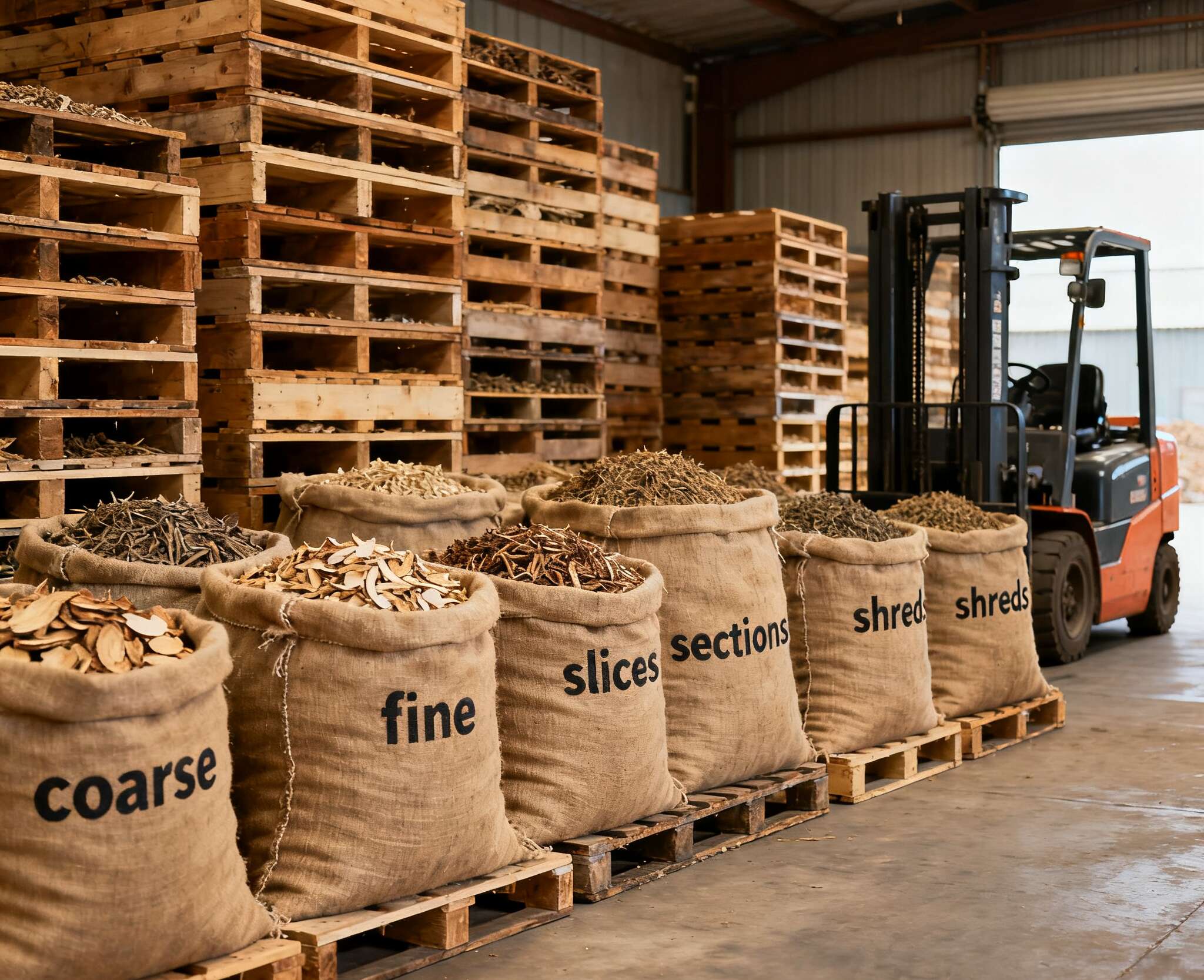
In decoction-piece work, size isn’t vague. It follows clear bands used across standards and reviews:
Thin slice:1–2 mm
Thick slice:2–4 mm
Segment (stick/twig pieces):about 5–10 mm
Dice / block:8–12 mm
Use these as your baseline. Then tune by species, formula goal, and market file. Ultra-thin “<0.5 mm” appears in older notes but is uncommon in bulk trade today. Thin raises surface area for faster wetting; thick defends shape and aroma under longer boils. Neither is “always best.” It depends on the herb and the outcome you need.
Poria cocos triterpenes vs. Ophiopogonis Radix drying: what the data says
You don’t need slogans—you need patterns you can apply.
Poria cocos (Fu Ling): smaller units or thinner slices tend to increase triterpene extraction. If your formula leans on that profile, thin makes sense.
Ophiopogonis Radix (Mai Dong): studies show drying conditions can matter more than thickness. Here, cutting thinner didn’t automatically win.
Takeaway: choose thickness herb-by-herb, then validate with small runs (extraction yield, marker compounds, sensory). Don’t overfit one rule to every SKU.
Standard slice size cheatsheet (keep by the buyer’s desk)
OEM/ODM decoction pieces: thickness, mesh, and label control
You want spec lock and smooth audits. GuoCao runs GMP decoction-piece lines and an ISO 22000 food-safety system with third-party COA capability. Annual throughput sits around 2,500 tons. We support OEM/ODM on thickness bands, mesh grades (e.g., 10–40 mesh windows), batch pre-blends, and bilingual labels. We also run fermented herbal beverage (enzyme drink) production—handy if your brand plays in functional drinks next to decoction SKUs.
What knobs you can actually turn:
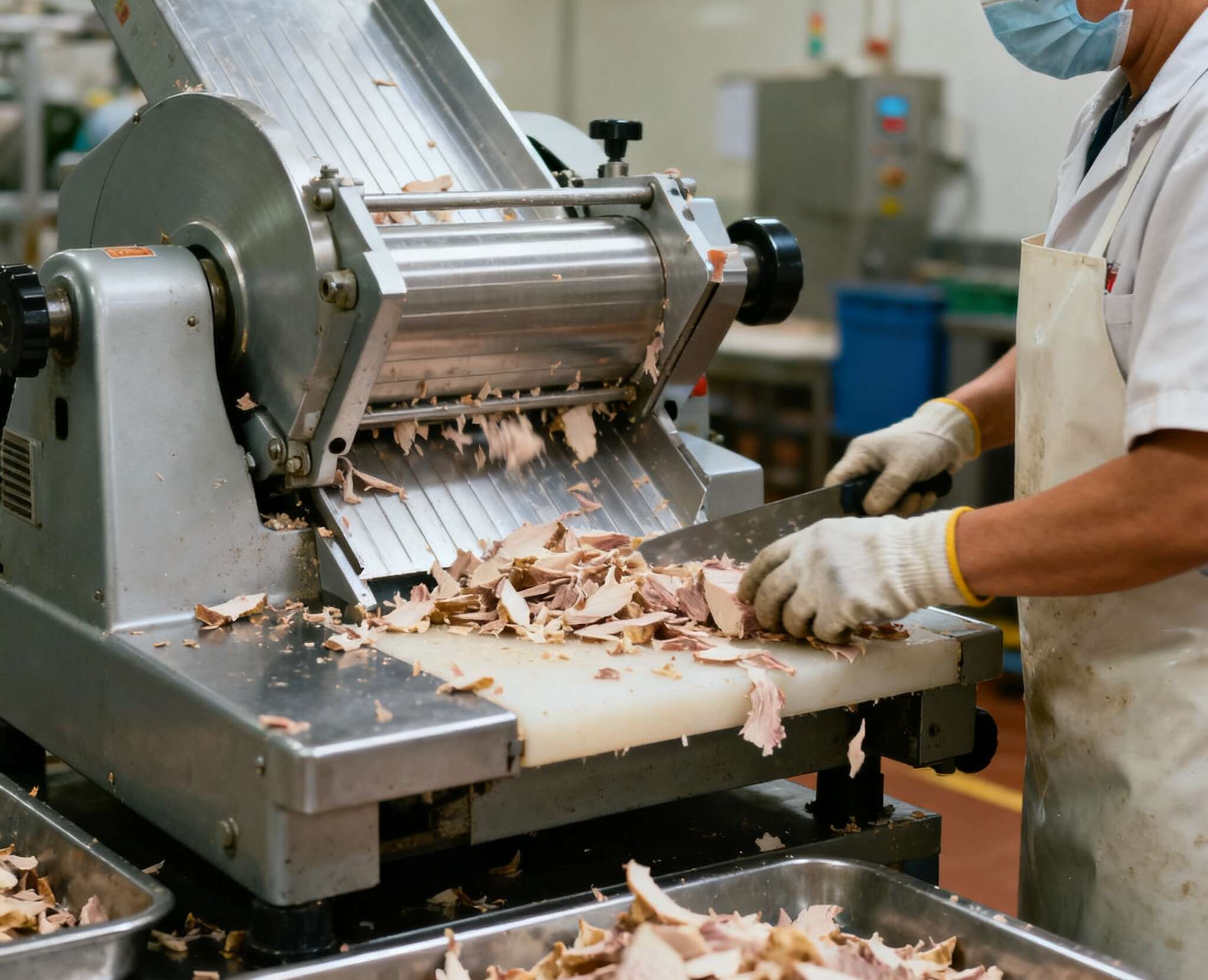
Slice thickness windows: e.g., “target 1.5–2.0 mm, AQL on ±0.2 mm.”
Grind levels: define mesh screens and retained % per screen.
Drying curve: time/temperature profile to protect actives.
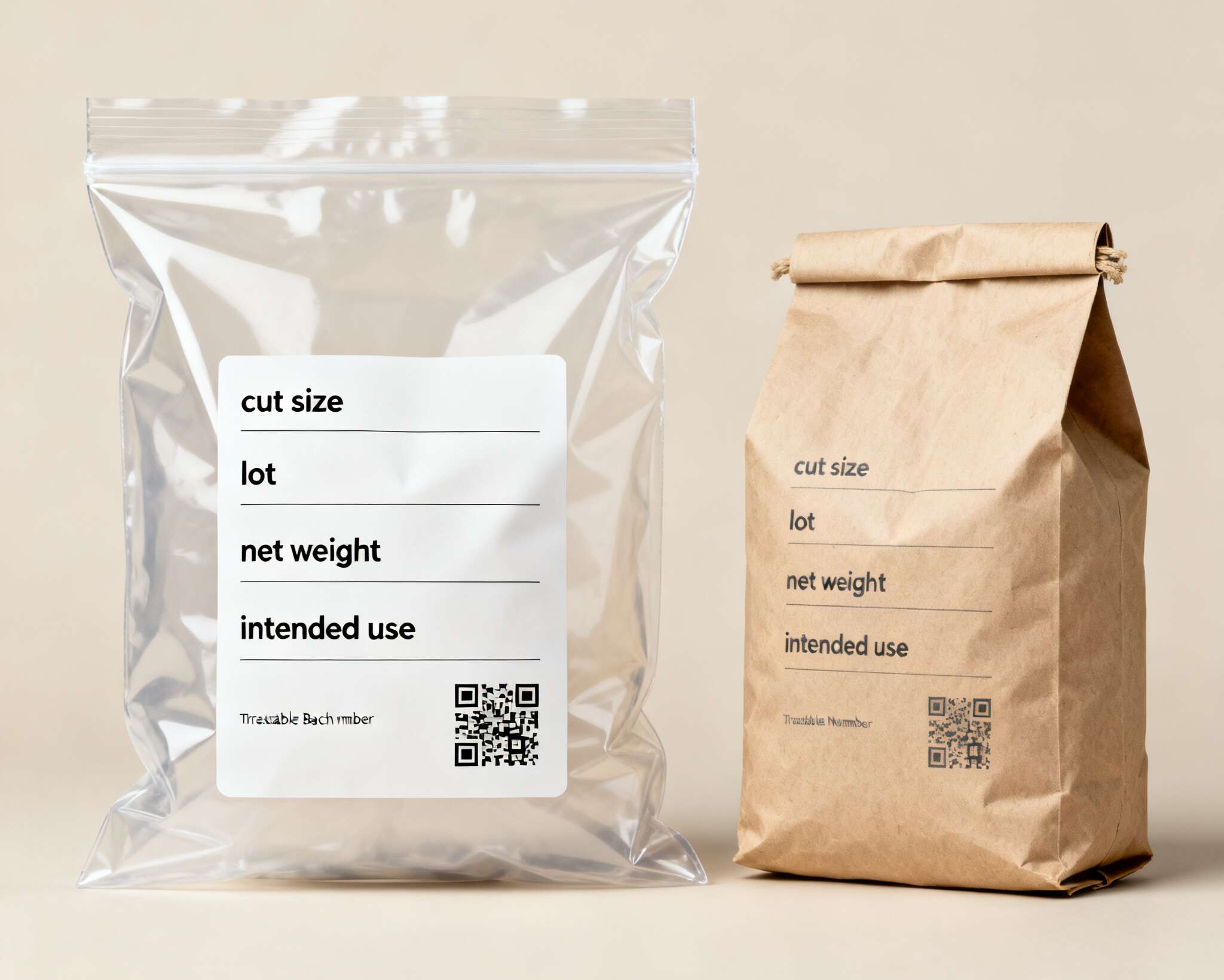
Label pack: applied standard, lot, retest/expiry, storage, QR trace.
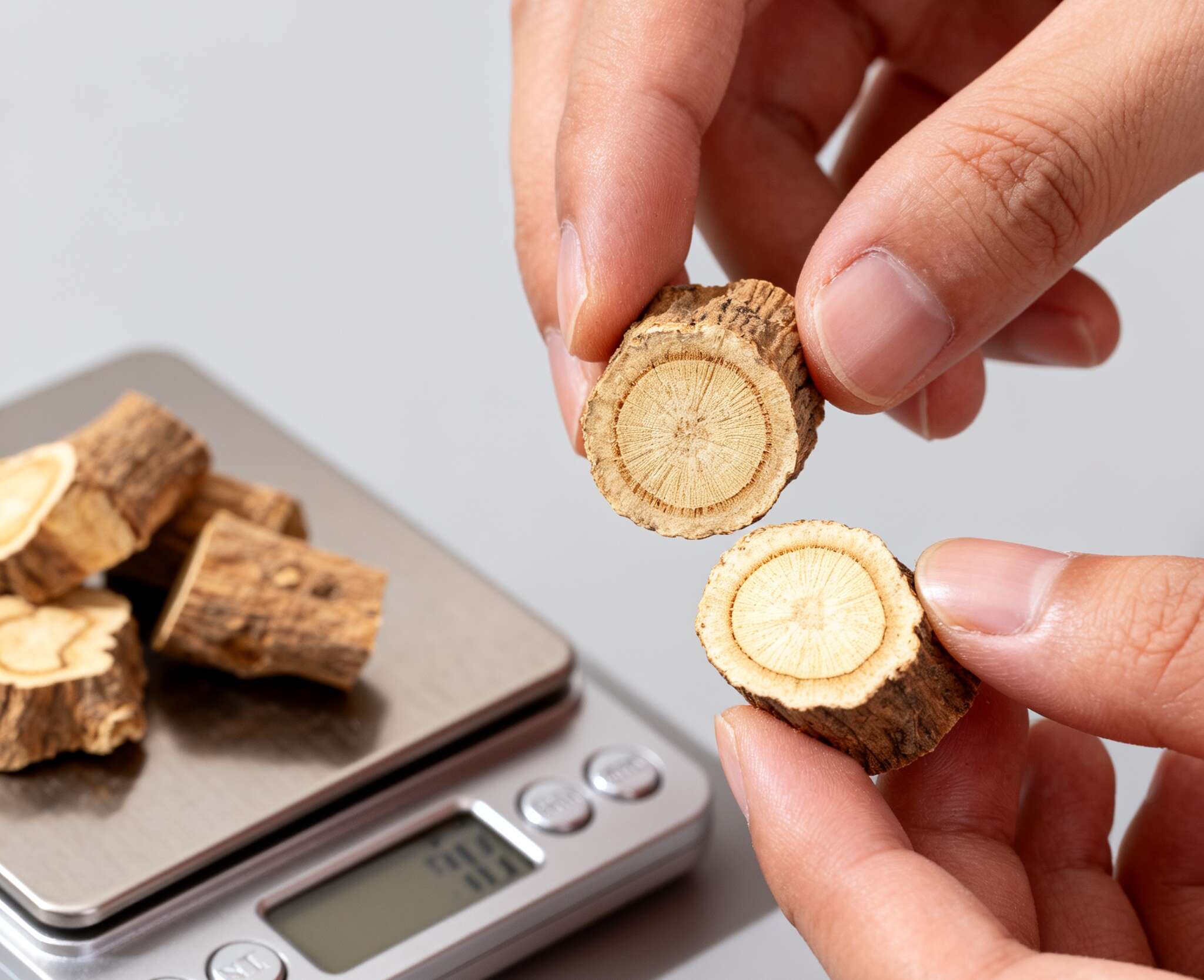
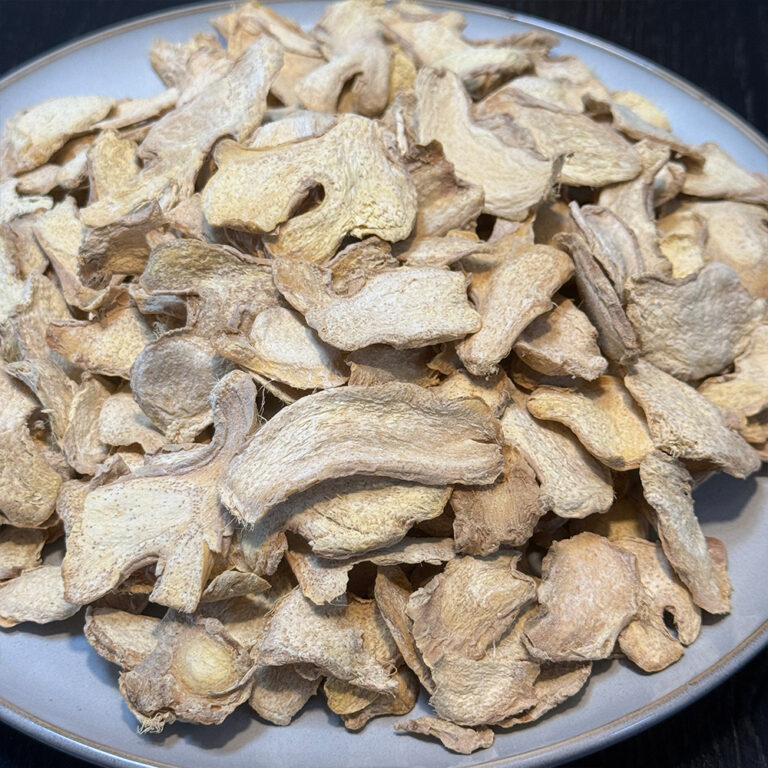
If the herb is aromatic (e.g., Gui Zhi, Gan Jiang), choose vacuum or MAP with low O₂ headspace. For blocks like Ge Gen, add a pre-soak step in your brewing SOP and flag core-moisture checks on arrival.
Chinese Pharmacopoeia slice thickness keywords to include in your spec
When you draft a purchase spec or tender, use exact size language. Buyers, QA, and customs will understand it the same way:
Thin slice 1–2 mm
Thick slice 2–4 mm
Segment 5–10 mm
Dice / block 8–12 mm
Pair each with moisture, mesh/fines, applied standard, and label text. Put it right on the PO. No surprises later.
2) Choose thickness. Use the cheatsheet above. If the herb is like Fu Ling, thin helps extraction. If it’s Dang Shen with fibrous core, thick stays prettier.
3) Lock CTQ + label. Define thickness window, LOD, fines %, applied standard, and label fields. Add AQL and release criteria.
4) Pick pack. Vacuum for aromatics; MAP if you want more control; liners + desiccant for long routes.
5) Pilot boil. Do a quick in-house decoction: time to wet, aroma release, residue texture. Adjust thickness window if needed. Dont skip this—it saves a lot of back-and-forth later.
6) Book production. GuoCao runs GMP lines with ISO 22000 and third-party COA. OEM/ODM is standard. If you branch into enzyme drinks, we can align herb spec with your beverage base.
Table: thickness choice by pain point (ops view)
Pain point
Better pick
Why
Extra knob
Too long brew time
Thin 1–2 mm
More surface → faster release
Pre-soak SOP
Excess fines in pot
Thick 2–4 mm
Holds edges better
Sieve control at pack
Aroma fading in transit
Vacuum/MAP
Lower O₂, protect volatiles
Headspace target
Non-uniform wetting
Segment or thick
Less matting, more flow
Kettle agitation
Import relabel issues
Label template
Applied standard printed
QR trace to COA
Variable batches
IPC on slicer
Adjust before tote fill
SPC chart on thickness
What makes GuoCao useful for wholesale buyers
One-stop catalog across plant parts: start at Chinese Herbs & Spices, then drill into parts.
GMP decoction-piece lines, ISO 22000, COA on every lot.
2500-ton annual capacity, stable supply for scale-up.
Our low MOQ of 1 kg (2.2 lb) makes it easy to order Chinese herbal slices or wholesale Chinese medicine herbs. Private-label and bilingual labeling are also available.
Delivery Cycle & Support
We have a fast 7-day lead time. We provide free samples, COA reports, and technical support to help you bring high-quality bulk Chinese herbs to market.
Quality & Certifications
Our products are manufactured in a GMP-certified facility and meet ISO22000 standards. All Chinese herbs are third-party tested for heavy metals, pesticides, and microorganisms.