You source herbs. You need them cleared fast, clean, and traceable. This guide gives you the exact paperwork for herbal imports—what each document does, when it bites, and how to stack your file so the border says “release.” It’s practical, case-driven, and tuned for TCM materials, spices, and functional-food inputs. Commercial angle included—because compliance is only useful if it moves product.
Quick context: GuoCao is a global manufacturer of Chinese herbal slices and spices with GMP lines, ISO 22000 food-safety system, ambient/cool/modified-atmosphere warehousing, and third-party COA capacity. Annual output ~2,500 t with OEM/ODM (including microbial enzyme beverages). If you need category depth, see All Herbs & Spices, Roots & Rhizomes, Flowers & Whole Herbs, Fruits & Seeds, Barks, and Dried Spices; custom brand work lives under OEM/ODM Services.
Phytosanitary Certificate (PC): scope and use cases
What it is: An official certificate from the exporting country’s NPPO confirming the consignment is pest-free and meets plant-health rules.
When it applies: Most raw plant materials—dried leaves, flowers, roots, rhizomes, seeds, bark. Even sliced medicinal herbs often count as “plant products.”
Why brokers care: It’s the base layer for SPS (sanitary and phytosanitary) checks. No PC, no start. If your commodity needs a permit as well, PC ≠ permit.
Operational notes
Make sure botanical name and commercial name match your invoice and HS line.
Keep lot numbers and net/gross weights aligned across PC, packing list, and labels.
If post-harvest treatment (steam, irradiation, fumigation) was applied, state it. “Kill step” clarity reduces hold time.
NPPO issuance and pre-shipment inspection
Get the PC after official inspection and before loading. Build it into your supplier SOP: sampling → visual check → documentation → certificate pickup. GuoCao’s internal QA locks the species, origin, and batch IDs before we request the PC; that keeps “cargo ≠ paperwork” reworks off your timeline.
Common mismatches: species, weight, lot number
Three red flags that trigger manual review: wrong Latin binomial, weight deltas beyond tolerance, and missing lot cross-reference. Small issues, big delays.
FDA Prior Notice for food-use herbs (U.S.)
Trigger: Anything intended for human or animal consumption—herbal teas, culinary spices, edible botanicals, nutraceutical inputs. Prior Notice must be filed before arrival.
What triggers Prior Notice for dried herbs, teas, spices
If it’s going into tea bags, capsules, blends, beverages, or seasonings, file PN. Edge cases: purely medicinal external applications might not trigger; if in doubt, file—penalties cost more than a few minutes of data entry.
Timing, arrival, and broker coordination
Tell your broker the earliest realistic ETA. PN tied to a phantom ETA is the classic self-own. If the vessel slides, refresh PN before the manifest closes.
NOP Import Certificate (NOP-IC) for organic imports (U.S.)
Who needs it: Any shipment marketed as organic entering the U.S. Your importer of record also needs organic certification alignment. The NOP-IC attaches to your customs filing (ACE), and the data on NOP-IC must mirror your commercial docs.
Reality check
Don’t label “organic” on boxes or invoices unless you can produce NOP-IC.
Keep the certifier contact ready for verification calls.
Align SKU-level organic status with your marketing copy, not just the master carton.
ACE linkage and importer certification
Your broker links NOP-IC at entry. If the importer isn’t in good standing with their certifier, the system pings, and your freight sits. Fix the chain first, ship second.
EU TRACES CHED-PP and COI (Certificate of Inspection) for organic
CHED-PP: The EU’s entry document for plants and plant products in TRACES. You’ll pre-notify the BCP (Border Control Post) and present the PC on arrival. COI: For organic consignments, the e-COI validates organic status before release.
Street-level tip
Pick the right CHED type: CHED-PP (plants), not CHED-D (food of non-animal origin under specific controls) unless your HS falls there.
Pre-alert your EU importer with draft PC and COI data so they book BCP slots in time.
When to use CHED-PP vs CHED-D
Use your HS mapping and commodity description. If your herb is a standard plant product, it’s CHED-PP. If it’s a specific “high-risk” FNAO item, you might land in CHED-D. When unsure, your BCP or local control authority gives the final word.
e-COI workflow with control body
COI must be completed in TRACES by your control body before the BCP inspection window. Late COI = late release. Simple.
CITES Permit for listed species (e.g., American ginseng)
Some botanicals—American ginseng (Panax quinquefolius) is the common one—sit under CITES. If your commodity is listed, you need CITES permits per the species and form.
Form matters
Whole roots and slices typically require CITES paperwork.
Highly processed powder or finished dosage might be treated differently in certain lanes. Confirm the form category before you print labels.
Customs asks “what exactly is it?”—not “what you call it.” Declare by form (whole/sliced/powder), processing (raw/roasted/steamed), and intended use. That’s how you select the right CITES path or exemption.
China GACC Entry Animal and Plant Quarantine Permit (selected TCM items)
For TCM materials entering China, some SKUs need a pre-approval quarantine permit before you even sign the contract. On arrival, you submit: export PC, certificate of origin, commercial invoice, packing list, and transport documents.
Two-step discipline
Pre-admission: Check if the species and origin have access; apply for the quarantine permit if listed.
Port clearance: File the inspection declaration with full docs, match lot numbers to outer-case labels.
Contract-before-permit rule of thumb
Don’t sign a purchase contract that assumes “no permit required” until you verify the species-origin combo. The worst day in logistics is realizing the permit is pre-shipment—after the vessel sails.
Documents on arrival: origin, invoice, packing, BL/AWB
Port officers verify origin vs. label vs. PC. If those three don’t line up, you’re going to a bonded warehouse. Prep clean, leave fast.
Trade paperwork basics that still burn shipments
HS Code and regulatory elements
Do your HTS/HS mapping at SKU level. “Herb, n.e.s.” invites audits.
Use botanical name, plant part, state (whole/sliced/powder), processing, intended use in the description.
Keep add’l regulatory elements handy: pesticide MRL conformance, heavy metals status, microbiological limits.
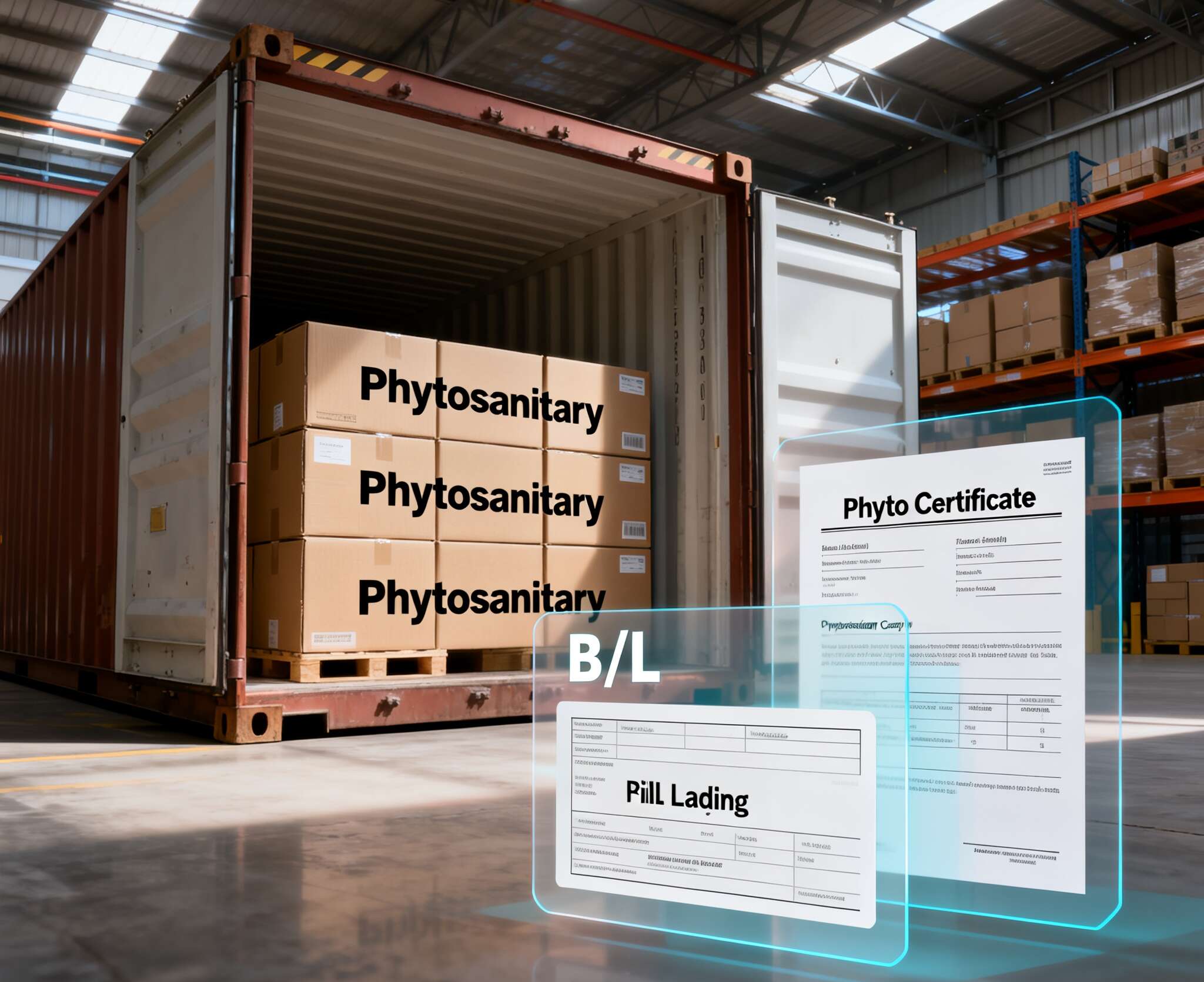
The “golden trio.” Quantities, weights, lot/batch numbers, and marks must echo across all three. If you change a master carton count, update all three—don’t let the BL tell a different story.
Ship with COA per lot (heavy metals, pesticides, micro).
Show GMP and ISO 22000 coverage in your QA pack.
If you claim a kill-step (roast/steam/irradiation), say so—preempts holds for micro sampling.
Real-world scenarios (use cases, no fluff)
Dried chamomile → U.S. tea factory You file Prior Notice, present a Phytosanitary Certificate, and match batch IDs on invoice/labels. If you market “organic,” attach NOP-IC. No PN? Expect a hold.
Peppermint leaves → EU infusion line You bring PC, pre-notify on CHED-PP via TRACES, and, if organic, secure e-COI. Wrong CHED type means you re-book the BCP slot and lose days.
Angelica (Dang Gui) slices → China First verify if your HS/species combo needs a quarantine permit before shipment. On arrival, you file PC + origin + invoice + packing + BL. Tight label control carries you through. (If you’re sourcing, GuoCao’s Angelica Root (Dang Gui) sits under Roots & Rhizomes.)
American ginseng slices → overseas market Because CITES applies by species/form, you secure the CITES permit ahead of time. Don’t assume “slice” = processed enough; check the rule by form.
One table to keep you honest
Document
Region / Lane
Who issues / platform
When you need it
What it proves
Notes that save time
Phytosanitary Certificate (PC)
Global plant/plant-product lanes
Export-side NPPO
After inspection, before loading
Plant-health compliance
Align Latin name, plant part, lot IDs, weights with invoice & labels.
Import Permit (plant/seed/soil, etc.)
Lane-specific (e.g., certain U.S./other markets)
Destination authority
Pre-shipment approval
Legal admission for high-risk items
PC ≠ permit. Check species-origin matrix early.
FDA Prior Notice
U.S. for food-use herbs/spices
FDA electronic filing
Before arrival
Food safety pre-notification
Keep PN clock valid if ETA changes; coordinate with ACE entry.
NOP Import Certificate (NOP-IC)
U.S. organic
Organic control body + customs broker links to ACE
At entry for any organic-labeled consignment
Organic status
Importer organic cert must be valid. Mirror data with invoices and cases.
TRACES CHED-PP
EU plant/plant products
TRACES (EU system)
Pre-notify BCP before arrival
BCP inspection ticket
Choose CHED-PP vs CHED-D correctly based on HS and risk list.
COI (e-COI) for organic
EU organic
TRACES with control body
Pre-clearance
Organic status
Get e-COI finalized before BCP inspection window.
CITES Permit
Listed species (e.g., ginseng species)
CITES management authority
Pre-export
Legal trade of listed species
Form matters: whole/sliced vs powder may differ. Declare exact state.
GACC Entry Animal & Plant Quarantine Permit
China selected TCM items
China customs / AQ quarantine
Before contract or shipment per SKU
Pre-admission for designated items
Verify access and permit requirement by species/origin pair.
Commercial Invoice, Packing List, BL/AWB
All lanes
Shipper / carrier
With entry
Quantity, value, transport
Keep three-way alignment. Update all if carton counts change.
COA (3rd-party or internal)
All lanes; often requested
Accredited lab / in-house + 3rd party
Per lot
Heavy metals, pesticide, micro
Attach to entry packet; avoids random holds.
Buyer checklist & timeline (print this)
Classify: HS code + botanical name + plant part + form (whole/slice/powder) + intended use.
Decide the stack: PC is default for plant goods. Check permit needs. If going to the U.S. for food use, plan Prior Notice. If organic, add NOP-IC (U.S.) or e-COI (EU). If listed species, add CITES.
Pre-alert: Send draft PC/labels/invoice/packing to importer/broker for TRACES/ACE booking.
QA bundle: COA per lot, GMP/ISO statement, pesticide MRL plan, micro strategy (kill-step if any).
Load & ship: Validate PN clock and TRACES booking windows.
At border: Present the set. Answer clarifications fast.
After release: Archive the full dossier for audits.
How GuoCao de-risks your import (commercial value, directly useful)
GMP + ISO 22000 manufacturing and hygiene controls baked into every batch.
Full traceability from farm base / wild harvest through slicing, roasting, and packing; batch IDs map 1:1 to docs.
Third-party COA ready (heavy metals, pesticide residues, micro), plus in-house pre-checks.
Document-ready files: PC request pack, species/form declarations, origin statements, labels that actually match the invoice.
Organic lanes: We coordinate with control bodies for COI/NOP-IC data so your broker links cleanly at entry.
CITES-sensitive SKUs: Product-form clarity (whole vs sliced vs powder) to prevent the classic “wrong form” rejection. See our American Ginseng profile for reference.
OEM/ODM: Private-label teas, blends, capsules, and functional beverages under OEM/ODM Services with bilingual labels that already respect customs description norms.
Product-class nuance (keywords you can actually use)
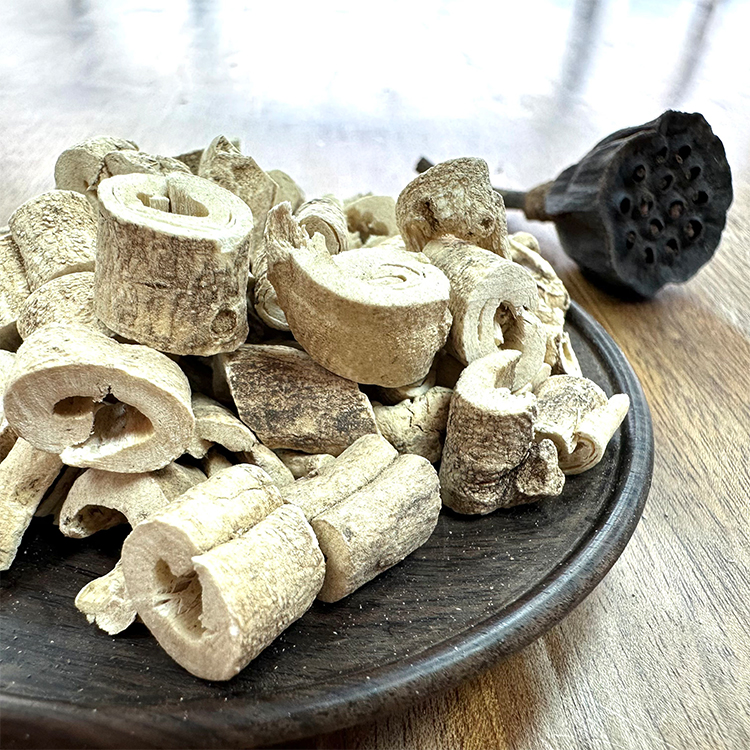
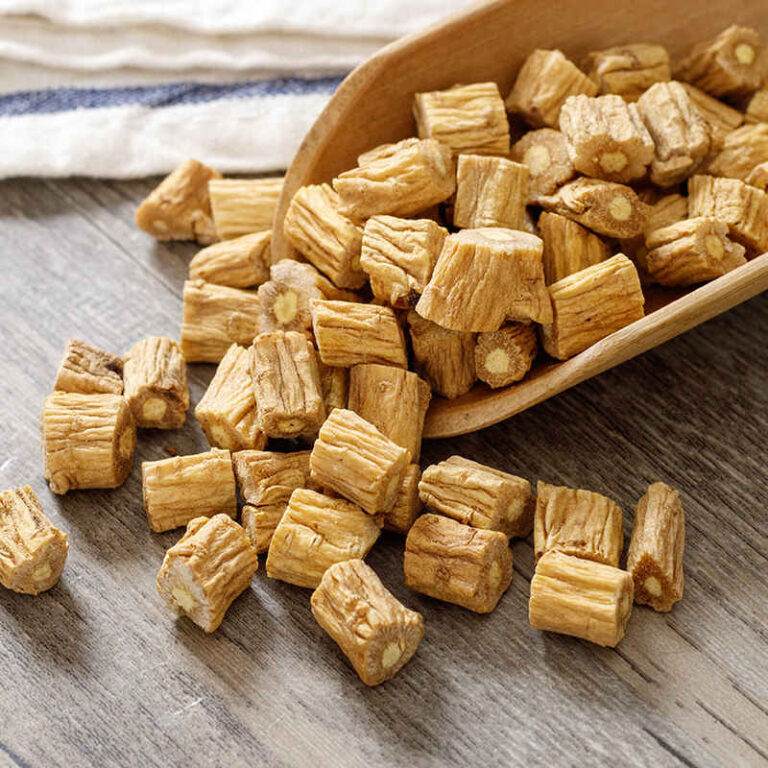
Roots & Rhizomes (Dang Gui, Huang Qi, etc.): typically PC-required; in U.S. food lanes, add PN; organic adds NOP-IC.
Flowers & Whole Herbs (Chrysanthemum, honeysuckle): PC + CHED-PP in EU; watch for pollen/micro specs.
Fruits & Seeds (Schisandra, coix seed): PC; sometimes extra pesticide residue focus.
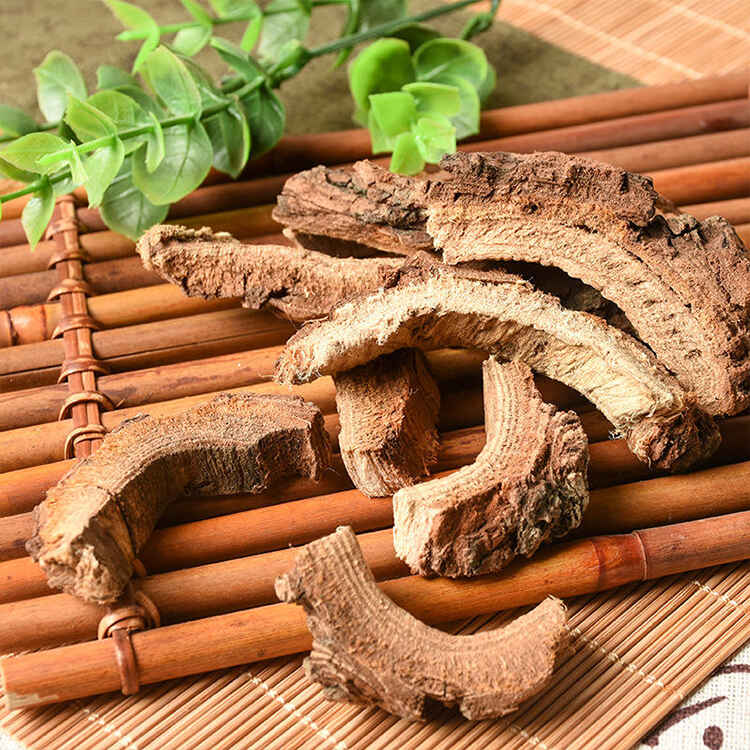
Barks (Cinnamon bark): PC, and in food lane PN; labeling by “bark” not “twig.”
Animal & Mineral medicinals: different regime; confirm lane-specific permits.
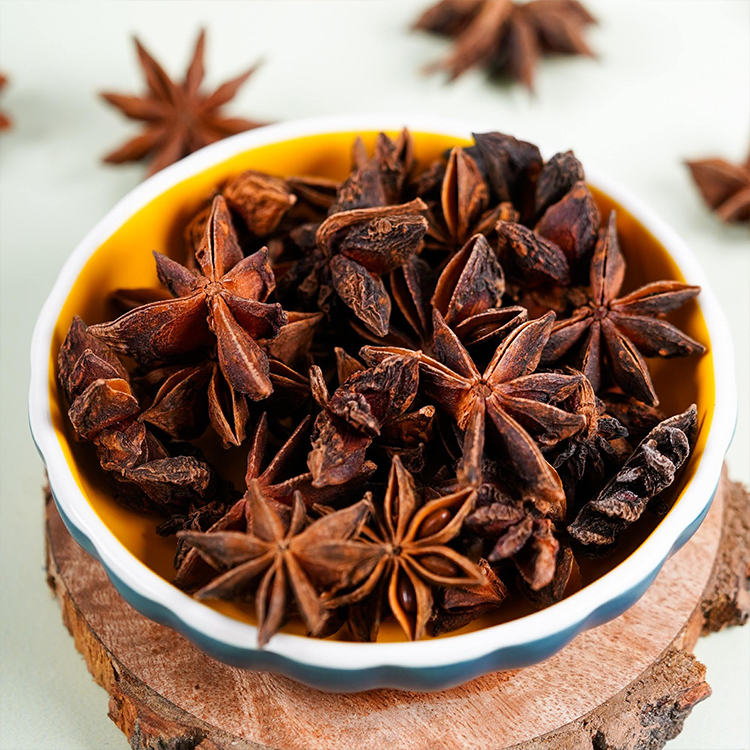
Spices (cardamom, clove, pepper): food lane PN, residue/MRL attentions; make sure grind level is declared.
If you want specific SKU guidance, browse the categories above or ping us—getting the HS and form right at the quote stage saves more time than any “expedite fee.”
Our low MOQ of 1 kg (2.2 lb) makes it easy to order Chinese herbal slices or wholesale Chinese medicine herbs. Private-label and bilingual labeling are also available.
Delivery Cycle & Support
We have a fast 7-day lead time. We provide free samples, COA reports, and technical support to help you bring high-quality bulk Chinese herbs to market.
Quality & Certifications
Our products are manufactured in a GMP-certified facility and meet ISO22000 standards. All Chinese herbs are third-party tested for heavy metals, pesticides, and microorganisms.