A buyer can negotiate a beautiful price on bulk dried spices, celebrate the margin on paper, and still lose the entire shipment at customs, in finished-product release, or after a retailer asks for documents nobody bothered to collect at the lot level. Why does this happen so often?
Because too many buyers treat bulk spices like a commodity.
I don’t. I treat them like concentrated agricultural risk: soil, weather, drying, storage, grinding, microbial load, pesticide drift, heavy metals, adulteration, fumigation history, warehouse humidity, and supplier honesty all packed into a 25 kg carton. That sounds harsh. Good. The spice trade rewards suspicion.
The market is big enough to attract professional operators and opportunists at the same time. India’s Spices Board reported that India exported 17.99 lakh tons of spices and spice products worth USD 4.72 billion in 2024–25, up 17% by volume versus 2023–24, which tells us demand is not the problem; supplier discipline is.
If you are sourcing bulk herbs and spices for food, supplements, private label, tea blends, seasoning factories, or botanical products, start with one assumption: the lowest quote is usually not the safest quote.
Table of Contents
Bulk Spice Sourcing Is Not “Find Supplier, Ask Price, Pay Deposit”
Here is the hard truth: a dried spices supplier is only as good as the worst lot they release under pressure.
I would never evaluate a supplier only by catalog size. A large catalog can be useful, especially when a supplier offers a broad bulk Chinese herbs and spices catalog with roots, seeds, fruits, barks, flowers, and aromatic spices. But breadth does not prove quality. It proves sales capacity.
What matters is the chain behind the product.
What I Want Before I Trust a Wholesale Spices Supplier
I want a written specification. I want the exact plant part. I want country and region of origin. I want harvest or production date. I want lot code logic. I want packaging format. I want microbial limits. I want Pb, Cd, As, and Hg numbers, not just “pass.” I want pesticide screening. I want moisture. I want foreign matter limits. I want photos of the actual lot before shipment.
And yes, I want the COA.
But a COA is not a magic shield. It is a document that must match the lot, carton marks, invoice, production batch, and retained sample. If those pieces do not line up, the COA is decoration.
That is why pages like a Chinese herb supplier audit process are useful for spice buyers too. The same audit logic applies: identity, traceability, contamination control, warehouse discipline, documentation, and release authority.
The Data Says Paranoia Is Rational
The FDA’s Risk Profile on Pathogens and Filth in Spices found Salmonella in imported spice shipments offered for U.S. entry, including 6.7% of black pepper samples, 8.5% of cumin samples, 10% of oregano samples, 11% of ground red pepper samples, and 18% of ground coriander samples in FY2012–FY2015 sampling data. That is not internet fearmongering.
So when a supplier says, “Our spices are natural,” I hear nothing.
Natural can still be contaminated. Natural can still be wet. Natural can still carry Salmonella. Natural can still be adulterated. Natural can still be stored beside something with a strong odor and arrive tasting like a warehouse accident.
The FDA also reported repeated public health alerts for ground cinnamon after testing found lead levels from 2.03 ppm to 7.68 ppm across affected products, and it tied its actions to reducing childhood exposure to lead.
Would you still buy the cheapest cinnamon powder from a broker who cannot name the grinder?
I wouldn’t.
Whole, Cracked, or Powdered: The Format Changes the Risk
Powder sells fast. Powder also hides sins.
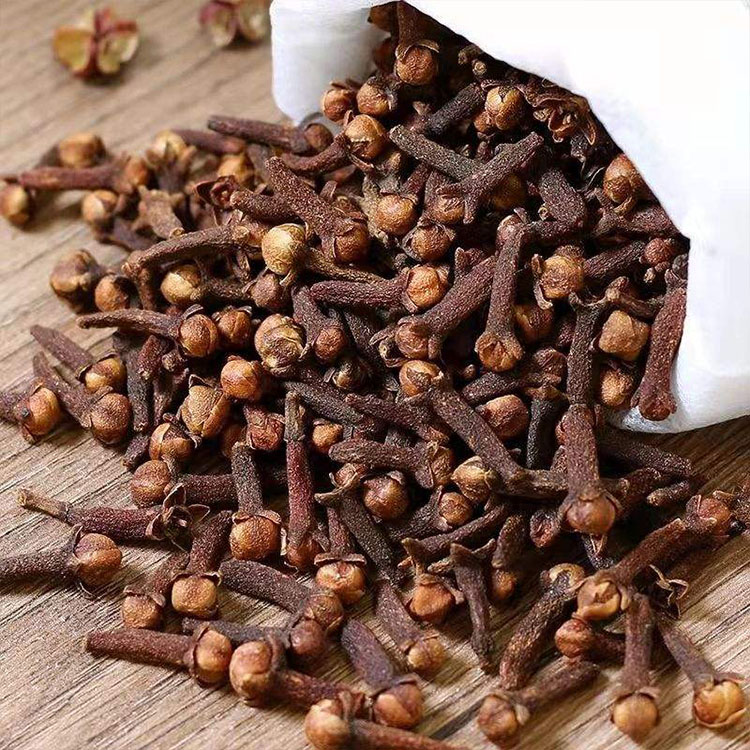
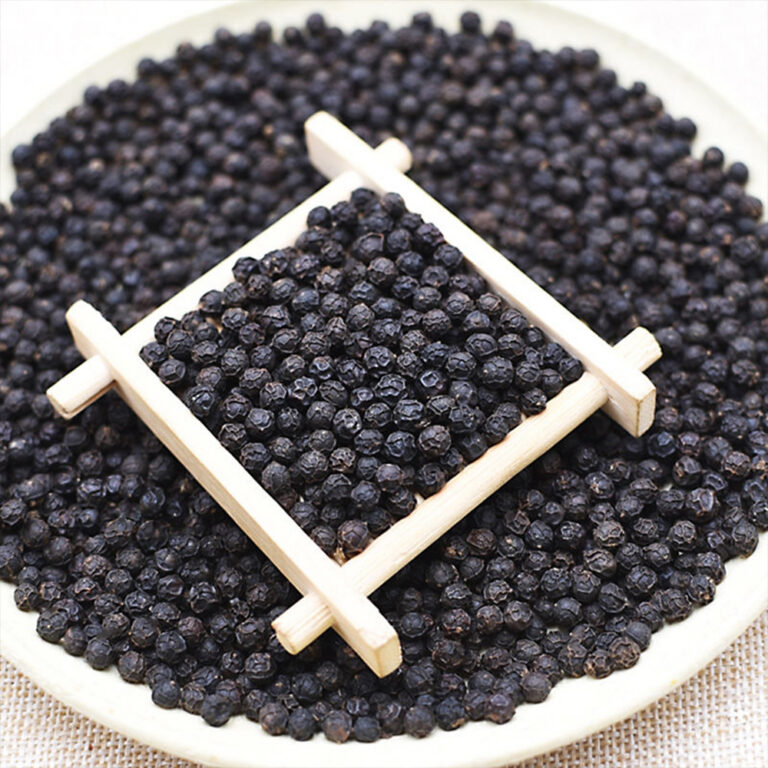
A whole bay leaf, black peppercorn, dried chili, cassia bark piece, or seed gives the buyer more visual evidence. Once the material is ground, you inherit more identity risk, more adulteration risk, and usually more microbial handling exposure. This is why many serious buyers prefer sourcing whole or cut material from a dried spices category first, then grinding closer to use when their own process allows it.
Short version? The more processed the spice is, the more evidence you need.
The MDH and Everest Lesson: Export Brands Can Still Get Hit
A big name is not a firewall.
In April 2024, Reuters reported that Indian authorities inspected MDH and Everest spice facilities after Hong Kong halted sales of several products and Singapore recalled an Everest fish curry spice mix over alleged high levels of ethylene oxide, a pesticide linked to cancer risk with long exposure. India’s Spices Board also started mandatory ethylene oxide testing for shipments to Singapore and Hong Kong, according to the Reuters report on MDH and Everest inspections.
This is the part buyers hate to hear: “famous supplier” is not a quality system.
It may reduce some risk. It may improve accountability. But the shipment still needs a specification, test plan, market-specific compliance review, and documented release. If your product is going to the EU, U.S., GCC, Singapore, Canada, or Australia, you need limits aligned with that destination market, not just the supplier’s local default.
How I Would Vet a Bulk Dried Spices Supplier
I use a boring process because boring saves money.
Step 1: Confirm the Business Model
Is the supplier a grower, collector, processor, grinder, trader, exporter, or all of the above? A factory-direct supplier with planting bases and processing capacity may give better control than a broker, but only if the paperwork proves it. For example, a supplier’s wholesale Chinese medicine herbs service page can be useful when it clearly states MOQ, samples, COA support, lead time, and quality testing expectations.
Step 2: Ask for Lot-Level Evidence
Never accept a generic COA for bulk spice sourcing.
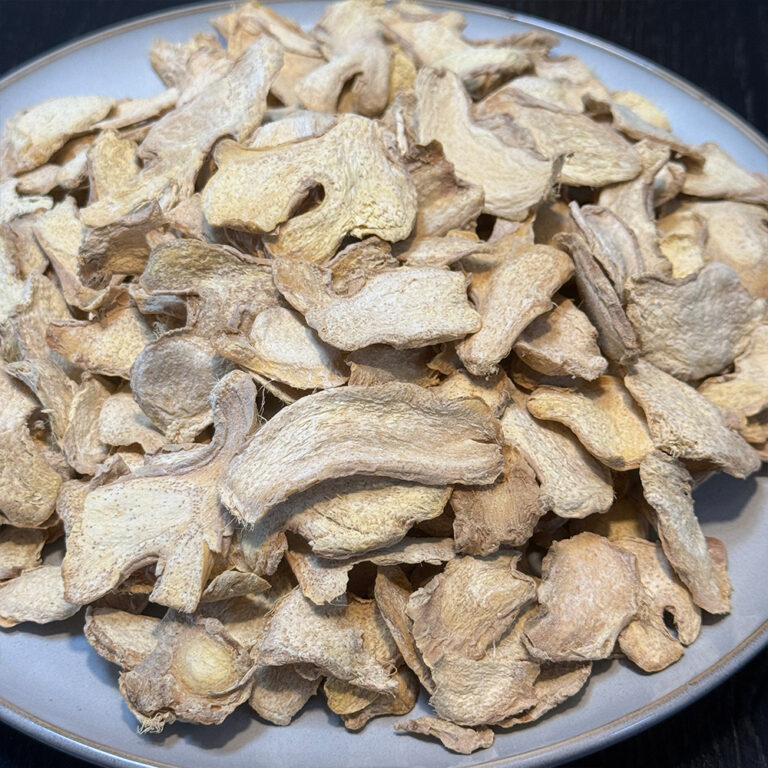
Ask for documents tied to the exact lot being quoted: batch number, production date, origin, specification, test report, packaging, and photos. If you are buying black pepper, cumin, cinnamon, ginger, turmeric, bay leaf, white pepper, or mixed seasoning ingredients, ask whether the product is whole, cut, cracked, granulated, or powdered.
Tiny detail. Big problem.
A supplier who cannot define particle size often cannot control blending consistency, extraction yield, capsule fill behavior, or seasoning dispersion either.
Step 3: Match Testing to Risk
Not every spice needs the same test panel. But every high-risk spice needs a reasoned panel.
For many bulk dried spices, I would start with:
Heavy metals: Pb, Cd, As, Hg
Microbiology: TAMC, TYMC, E. coli, Salmonella
Pesticide residues: multi-residue LC-MS/MS or GC-MS/MS where relevant
Moisture and water activity where mold risk matters
Aflatoxin and ochratoxin A for vulnerable crops and storage conditions
Sulfur dioxide where sulfur fumigation risk exists
Foreign matter and insect fragment checks
Identity testing: macro, microscopy, TLC, HPTLC, HPLC, or DNA where appropriate
The USDA’s U.S. Food Imports data product notes that U.S. food imports reflect demand for variety, quality, convenience, tropical products, spices, and imported gourmet products, and the dataset was updated on April 8, 2026. More imports mean more sourcing options, but also more origin and compliance complexity.
Step 4: Test Samples Like They Are Trying to Fool You
Do not only smell the sample.
Check color, cut, odor, moisture feel, dust level, foreign matter, packaging, and consistency between sample and shipped lot. If you plan to buy 500 kg, 1 ton, or 5 tons, your approval sample must not become a sales prop that has nothing to do with the actual bulk batch.
For custom blends, private label spice mixes, tea formulas, or OEM packaging, route the discussion through a page like custom herbal and spice solutions and force the supplier to define formula, pilot batch, packaging, testing, and release rules before scale-up.
The Price Trap: Cheap Bulk Spices Often Move Risk Downstream
Cheap is seductive.
But when bulk spices are priced far below the market, I immediately ask what has been removed: testing, sorting, sterilization, proper drying, traceable sourcing, fair packaging, fresh crop material, or honest margins. Sometimes the answer is harmless. Sometimes it is not.
Here is my blunt view: in wholesale spices, a suspiciously low price is not a discount. It is an unanswered question.
A professional buyer should compare landed cost, not invoice cost. That means product price, testing cost, document cost, freight, customs clearance, rejected-lot risk, rework risk, complaint risk, and brand damage. If your “cheap” cumin fails Salmonella release, the spreadsheet was lying from day one.
Bulk Dried Spices Buyer Checklist
Use this before placing a trial order.
Buyer Question
Safe Answer
Red Flag
Can the supplier identify exact origin and plant part?
Yes, with documentation and lot code
“Same as usual” or vague regional wording
Is the COA lot-specific?
Yes, batch code matches carton and invoice
Generic annual COA
Are heavy metals reported numerically?
Pb, Cd, As, Hg with method and limits
“Pass” without numbers
Is Salmonella tested?
Absent in defined sample size
No pathogen method shown
Are pesticide residues market-aligned?
Panel matches destination market
Local-only limits for export order
Is moisture controlled?
Moisture % and storage conditions shown
No moisture data
Is packaging export-ready?
Inner liner, carton strength, pallet plan
Loose bags, weak labels
Can supplier support small MOQ before scale?
Samples and low MOQ available
Pushes full container before validation
FAQs
What are bulk spices?
Bulk spices are dried botanical ingredients purchased in larger commercial quantities, usually by manufacturers, distributors, foodservice buyers, seasoning brands, tea companies, supplement firms, or private-label operators that need stable supply, lot traceability, documented specifications, and pricing better suited to production than retail-sized jars or consumer pouches.
In practice, bulk spices may include whole, cut, cracked, granulated, powdered, sterilized, organic, or custom-blended materials. The buyer’s job is not just to find volume. The buyer’s job is to prove the lot is safe, authentic, compliant, and fit for the intended product.
How do I choose a dried spices supplier?
A dried spices supplier should be chosen by verifying product scope, origin control, processing capability, lot-level COAs, third-party testing, contamination controls, export documentation, MOQ flexibility, packaging options, lead time reliability, and whether the supplier can explain how each batch moves from raw material to finished shipment.
I would start with a small order or sample set, then pressure-test the supplier’s documents. If the COA, carton code, invoice, and product photos do not match, do not scale.
What tests are most important when sourcing bulk dried spices?
The most important tests for bulk dried spices are identity confirmation, heavy metals, pesticide residues, microbiology, moisture, foreign matter, and targeted contaminant tests such as aflatoxins, ochratoxin A, sulfur dioxide, or ethylene oxide where the crop, origin, storage, or destination market creates specific risk.
For high-risk ground spices, I would be stricter. Ground material deserves tighter identity review, pathogen testing, heavy metal data, and adulteration checks because powder makes visual inspection far less useful.
Are wholesale spices cheaper than retail spices?
Wholesale spices are usually cheaper per kilogram than retail spices because buyers purchase larger quantities, reduce consumer packaging costs, and negotiate directly with suppliers, processors, or exporters, but the real cost depends on testing, grade, origin, packaging, freight, sterilization, documentation, rejected-lot risk, and destination-market compliance requirements.
Do not compare a wholesale quote to a supermarket jar. Compare landed, tested, released, usable cost. That is the number that matters.
What is the safest way to source bulk herbs and spices from China?
The safest way to source bulk herbs and spices from China is to work with suppliers that provide traceable origin records, GMP or food-safety system evidence, lot-specific COAs, third-party contaminant testing, clear MOQ terms, export documentation, sample approval, and written specifications before any large commercial order is placed.
Start with a supplier qualification file, a sample order, and a written specification for one product: for example, black pepper, bay leaf, cumin, cinnamon, ginger, turmeric, or white pepper. Ask for the exact lot COA, origin, moisture, microbial panel, heavy metals, pesticide screen, packaging details, photos, MOQ, lead time, and payment terms.
Our low MOQ of 1 kg (2.2 lb) makes it easy to order Chinese herbal slices or wholesale Chinese medicine herbs. Private-label and bilingual labeling are also available.
Delivery Cycle & Support
We have a fast 7-day lead time. We provide free samples, COA reports, and technical support to help you bring high-quality bulk Chinese herbs to market.
Quality & Certifications
Our products are manufactured in a GMP-certified facility and meet ISO22000 standards. All Chinese herbs are third-party tested for heavy metals, pesticides, and microorganisms.