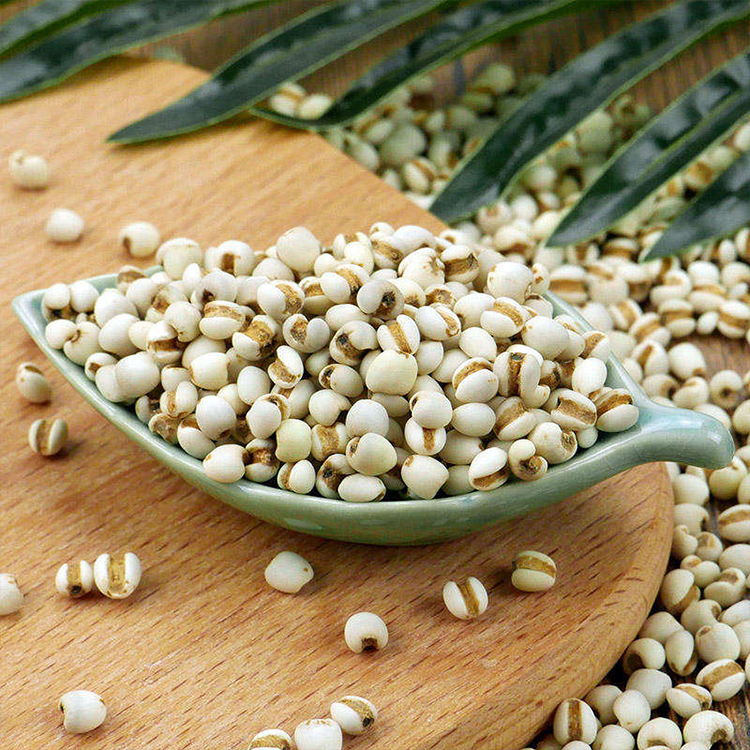
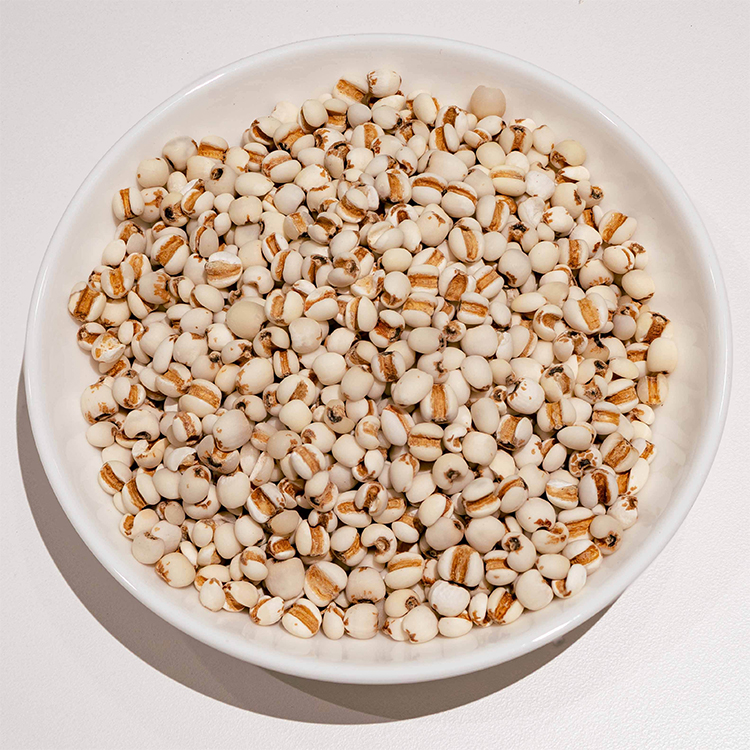
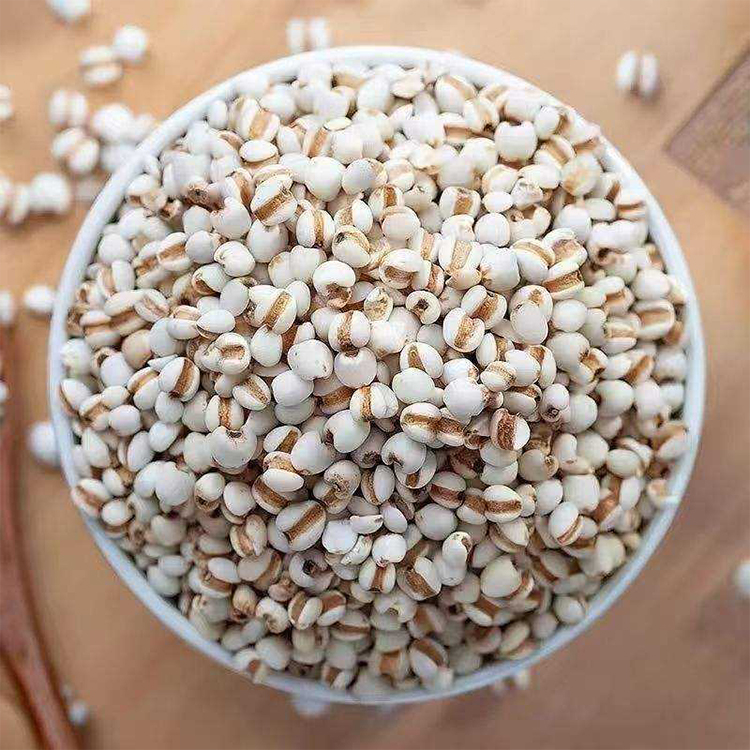
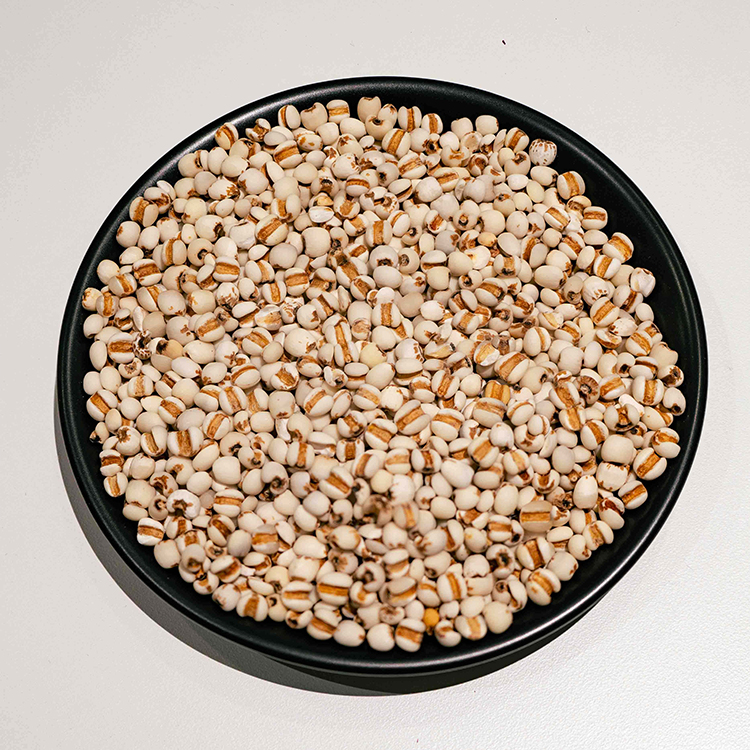
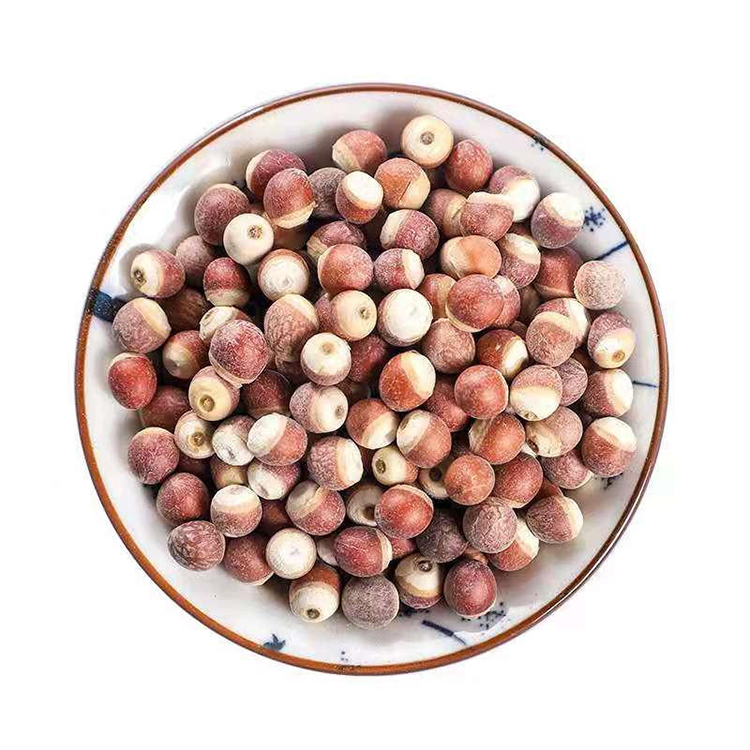
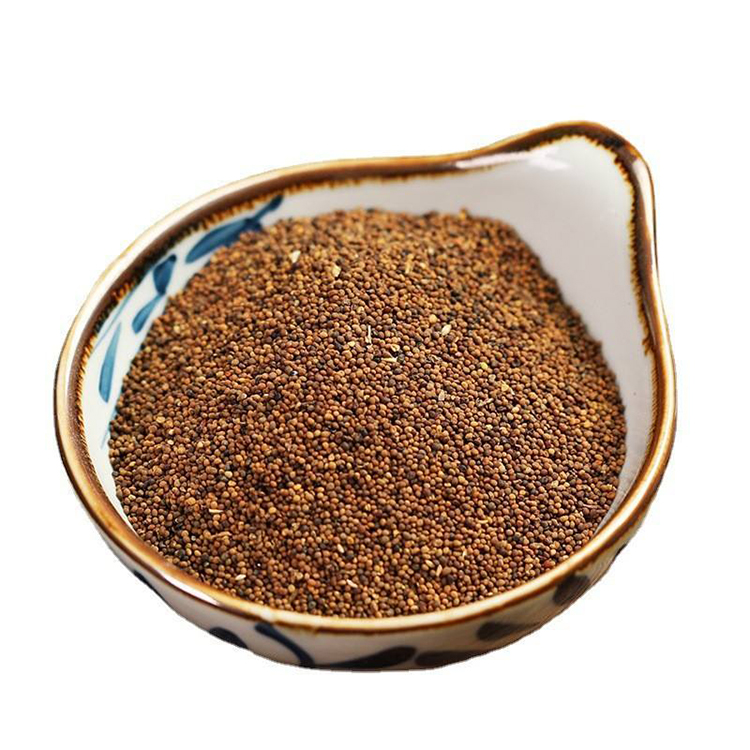
Coix Seed (Yi Yi Ren): why polish level changes taste and consumer acceptance
Polish level is not a cosmetic choice for Yi Yi Ren. It changes bran load, lipid retention, off-notes, shelf stability, and the odds that a first-time buyer says yes or walks away.
But polish level is where Coix Seed stops being a poetic herbal ingredient and becomes a brutally practical food-and-sensory decision, because every pass that strips shell, testa, or bran changes color, mouthfeel, lipid load, phenolics, oxidation behavior, and the exact aroma notes consumers either call “clean and nutty” or reject as grassy, stale, and medicinal. Who in this trade still thinks whitening is only cosmetic?
I’ll say the quiet part out loud: buyers love to preach “whole grain” until the first sample looks too beige, too speckled, or too alive. Then they start asking for a cleaner white kernel, lower dust, tighter grading, and a flavor profile that does not scare first-time drinkers. I’ve seen that instinct over and over, and the research backs the basic logic even when the industry pretends otherwise.
Table of Contents
White sells faster, but that is not the whole story
Coix Seed has many names.
USDA’s plant database lists Coix lacryma-jobi under Adlay, Job’s-tears, and Yi-Yi-Ren, which matters because different buyers often think they are shopping three different stories when they are really shopping one grain processed to different visual and sensory endpoints. (Duke’s Phytochemical Database)
And the regulatory side is even less romantic, because the USP Coix Seed Powder monograph defines the material as the dried ripe caryopsis “freed from the shell,” while EDQM maintains official European Pharmacopoeia reference standards for Coix Seed, and USP-linked triolein standards are specified for Coix Seed monographs. That tells me polish level is not a styling decision. It sits inside identity, compendial control, and release testing. Isn’t that the real story?
So when I review a product page like bulk Coix Seed (Yi Yi Ren) specifications or scan a broader fruit and seed herb catalog, I do not care only about the Latin name or the pretty photos. I care about how much bran was left, how uniform the polish is, and whether the supplier understands that taste acceptance starts long before formulation.
What polishing actually changes inside the grain
Bran is flavor.
And bran is also chemistry, because a 2014 adlay fraction study found the free and bound phenolic contents of adlay bran were 8.5 times and 29 times higher than polished adlay, while bran fractions showed the strongest xanthine oxidase inhibition and polished adlay sat at the bottom of the ranking. Another study on adlay fractions reported intracellular antioxidant activity fell in the order of adlay bran > brown adlay > polished adlay. That is the trade-off in one sentence: polish buys mildness by stripping a lot of what makes the grain biologically and sensorially interesting.
Here is my plain-English synthesis of what the market is really buying when it buys a polish level:
Polish level
What remains
Likely taste impact
Consumer reaction risk
Best commercial fit
Unpolished / minimally polished
More testa and bran
More cereal depth, more earthy-green notes, more bitterness/astringency
Higher rejection among first-time mainstream buyers
Traditional foods, whole-grain positioning, specialist herbal users
Light polish
Some bran removed, kernel still characterful
Nutty, fuller, slightly toasted potential, less roughness
Moderate risk, but strong upside when roasted well
Premium teas, porridge, functional beverages
Medium polish
Cleaner white appearance, reduced bran load
Milder aroma, softer bite, lower bitterness, less visual friction
Lowest risk for broad acceptance
Export retail, instant beverages, powder blends
Heavy polish
Mostly endosperm-driven profile
Very mild, sometimes flat, lower complexity
Low rejection at first sip, but weaker distinction
Commodity formulations where appearance beats story
That table is an inference, not a lab printout, and I am being honest about that. But it is an inference built from bran-versus-polished chemistry, sensory work on adlay products, and processing-quality evidence showing that outer fractions strongly shape flavor, stability, and commercial grading.
The sensory data is not subtle
Consumers tell on us.
In a Korean market study on commercial adlay tea, roasted flavor, goso flavor, peanut flavor, and visible chunks were positive drivers of liking, while green and seaweed-like notes pushed consumers away. That matters because under-polished, bran-heavier material is more likely to preserve those greener, rougher cues unless roasting and formulation are done with real discipline. Why keep pretending consumers cannot taste the polish decision?
A second case is even uglier for the “nutrition always wins” crowd. In the Job’s Tears yogurt study from Assumption University, increasing the Job’s tears proportion pulled down overall liking, color, and flavor scores; yogurt made with 100% Job’s tears scored 5.53 overall and 4.37 on flavor, versus 7.52 overall and 7.50 flavor for the milk control. Then the researchers adjusted texture with milk powder, and the optimized product reached 89% consumer acceptance, with preference scores of 7.05 for color, 7.03 for texture, 6.55 for flavor, and 7.27 for overall liking. Formulation rescued acceptance. Raw ingredient purity alone did not.
My blunt take is this: most consumer markets do not reward maximal botanical integrity. They reward controlled compromise. A coix seed that is too raw, too bran-heavy, or too rough around the edges can lose the room before anyone hears your health story. That is not cynical. That is product development.
Appearance, oxidation, and shelf-life are tied together
Color is commerce.
A 2022 processing-and-storage paper on coix seed states that appearance is one of the most important features for classification and grading in relation to commercial quality and organoleptic properties, and it also found higher triacylglycerol contents in hulled coix seed than in polished coix seed. The same paper argues intact seeds preserve lipid stability better than powder and says storage should be kept under 3 months, with humidity and temperature controlled to prevent quality loss and mycotoxin risk. More outer material can mean more value. It can also mean more handling pressure. Isn’t that exactly the buyer headache nobody puts in the brochure?
That is why I would pair this article with a hard operational read like the site’s Chinese herbal procurement guide, because it correctly treats GACP, GMP, ISO 22000, 21 CFR 111, and 21 CFR 101 as process controls rather than marketing stickers. If the supplier cannot document drying curves, slice spec, storage mode, and lot traceability, then the polish level discussion is half theater.
And yes, the site’s own commercial pages reinforce the point. The MOQ and lead-time FAQ states a 1 kg MOQ, samples in 1–3 business days, and stock-item lead times of 3–7 business days, while the OEM/ODM page says the factory runs GMP and ISO 22000 with third-party testing for heavy metals, pesticides, and microorganisms. Those are not random logistics details. They are the infrastructure you need when small sensory shifts can come from moisture, grind, oxidation, or polishing inconsistency.
My verdict on the best polish level
Not too white.
For most commercial food and beverage uses, I think light-to-medium polished Coix Seed is the sweet spot, because the research says bran-heavy fractions carry more phenolics and stronger activity, but the sensory evidence says mainstream drinkers move toward roasted, nutty, cleaner notes and move away from green or seaweed cues. So the winner is usually not raw-looking grain and not ultra-bleached blandness either. It is controlled moderation.
If you are building a beverage line, the most relevant internal reference on this site is the Job’s Tears and Poria beverage case study, because it frames Coix Seed as a food-facing base material for everyday drinks rather than a harsh medicinal add-on. That is the exact commercial context where polish level becomes a make-or-break sensory lever.
If you are selling into traditional herbal channels, you can tolerate less polishing because the buyer may actually want visible authenticity, heavier cereal character, and a closer link to the raw materia medica story. But if your target is functional beverage, ready-to-mix powder, or first-time export retail, I would not gamble on a rough, bran-forward spec unless you have roasting data and sensory panels to defend it. I have watched too many teams confuse “more natural” with “more sellable.”
What I would test before locking a spec
I would run three samples.
Not two, because two samples encourage fake certainty, and not ten, because ten samples create meeting-room paralysis while nobody makes a call. Why not test exactly what the consumer can feel?
That is the grown-up version of ingredient buying.
FAQs
Does polishing Coix Seed really change flavor?
Polishing Coix Seed changes flavor by removing the shell, seed coat, and bran fractions that carry much of the grain’s phenolics, lipids, darker color, and rougher cereal notes, so the more you polish, the milder, whiter, and usually less bitter the final ingredient becomes. Research on adlay fractions and commercial tea liking points in exactly that direction.
My practical read is simple: less polish gives you more personality, more risk, and more formulation work. More polish gives you easier acceptance, but sometimes at the cost of depth.
Is unpolished Yi Yi Ren healthier than polished Coix Seed?
Unpolished or less-polished Yi Yi Ren usually retains more bran-associated compounds, which means it tends to preserve a heavier load of phenolics and related antioxidant activity than polished Coix Seed, although “healthier” still depends on dosage, preparation, shelf stability, and what the finished product is trying to do. The chemistry advantage is real, but it is not the same thing as automatic consumer preference.
So yes, there is usually more retained value in less-polished material. But no, that does not guarantee a better product.
Which polish level has the best consumer acceptance?
The polish level with the best consumer acceptance is usually a light-to-medium polished Coix Seed that keeps enough grain character to taste nutty and roasted, but removes enough bran-heavy roughness to avoid green, seaweed-like, dusty, or overly earthy notes that push first-time buyers away. The sensory work on adlay tea and Job’s tears yogurt both support that middle-ground logic.
I would only go less polished when the brand has a whole-grain story and a customer base willing to pay attention.
Why do buyers care so much about color and appearance?
Buyers care about color and appearance because coix seed grading, commercial quality, and even organoleptic perception are tied to visible cues such as whiteness, integrity, and uniformity, which shape first impressions before aroma or taste ever gets a chance to win the argument. That is not superficial; it is how real purchasing behavior works in herbs, grains, and drink bases.
And once you add storage risk, oxidation, and powder handling, appearance becomes an operations issue too, not just a sales issue.
Your next move
Stop guessing.
Take your Coix Seed (Yi Yi Ren) product spec, compare it against the broader fruit and seed category, then build a three-sample polish ladder and force every stakeholder to taste blind before they start talking about “premium quality.” After that, use the procurement guide and the MOQ, sample, and lead-time FAQ to pressure-test whether the supplier can actually deliver the polish spec consistently. That is how professionals buy Coix Seed. Not by staring at the whitest kernel and hoping for the best.
Our low MOQ of 1 kg (2.2 lb) makes it easy to order Chinese herbal slices or wholesale Chinese medicine herbs. Private-label and bilingual labeling are also available.
Delivery Cycle & Support
We have a fast 7-day lead time. We provide free samples, COA reports, and technical support to help you bring high-quality bulk Chinese herbs to market.
Quality & Certifications
Our products are manufactured in a GMP-certified facility and meet ISO22000 standards. All Chinese herbs are third-party tested for heavy metals, pesticides, and microorganisms.