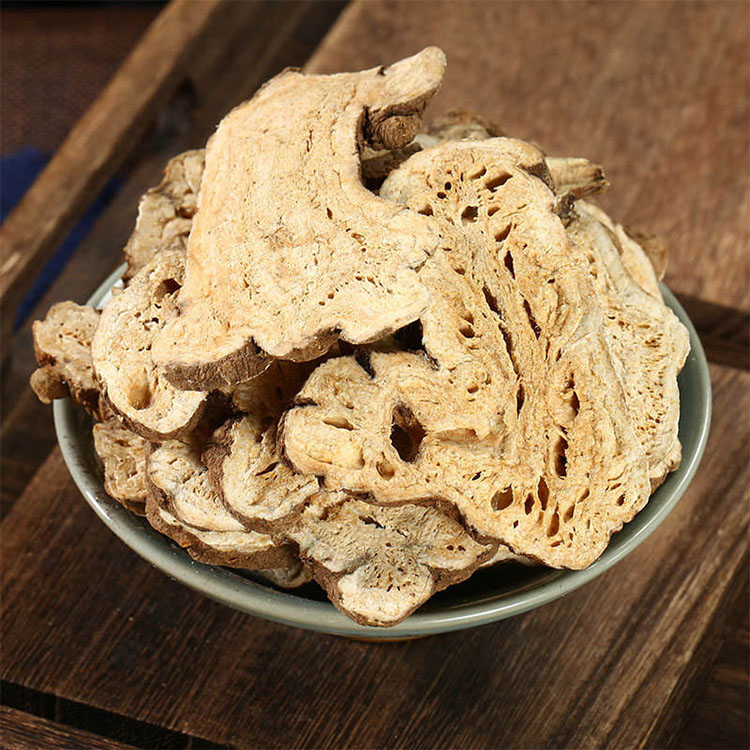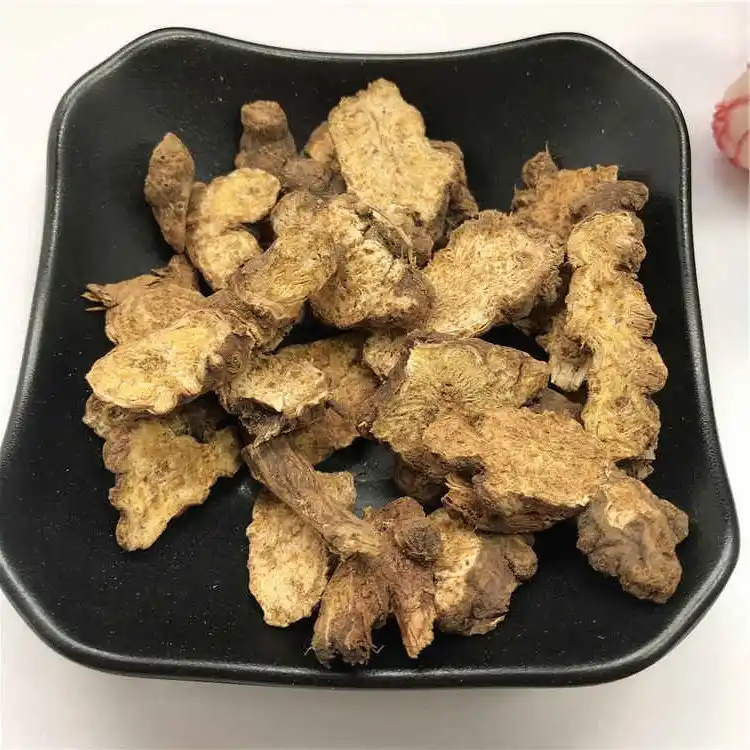



Most “mold claims” on Bai Zhu aren’t mysterious—they’re humidity, temperature swing, and weak packaging barrier working together. This guide gives humidity bands, alarm setpoints, and receiving specs (moisture + water activity) that reduce disputes.

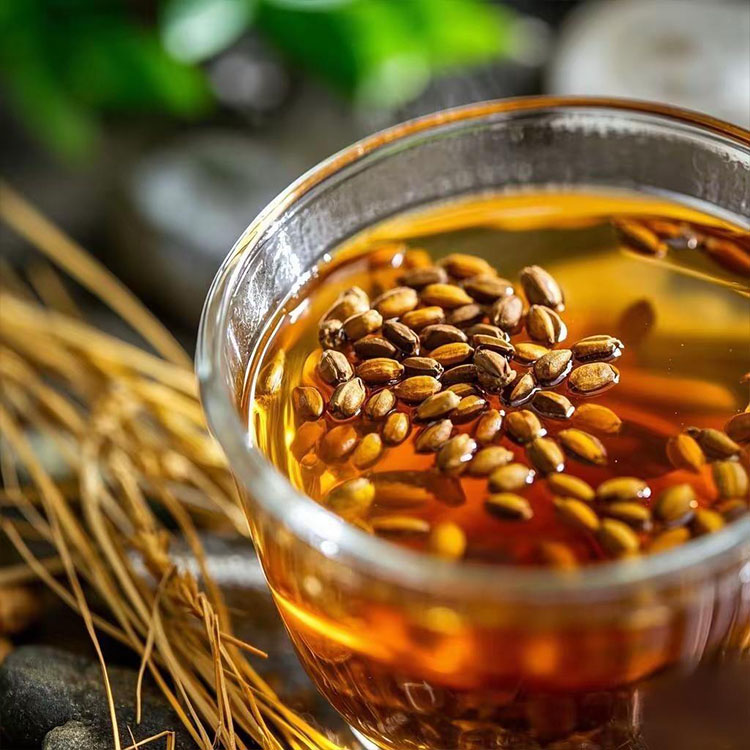
Cassia seed (Jue Ming Zi) is an easy ingredient to buy and a hard ingredient to run. This is the cleaning and QC playbook that keeps tea-bag lines from choking on dust, stones, residues, and paperwork.

Huang Lian’s alkaloids don’t “taste bad” by accident—they’re chemically built to linger. This is the practical, skeptic-proof playbook to manage bitterness while staying audit-ready and claim-safe.

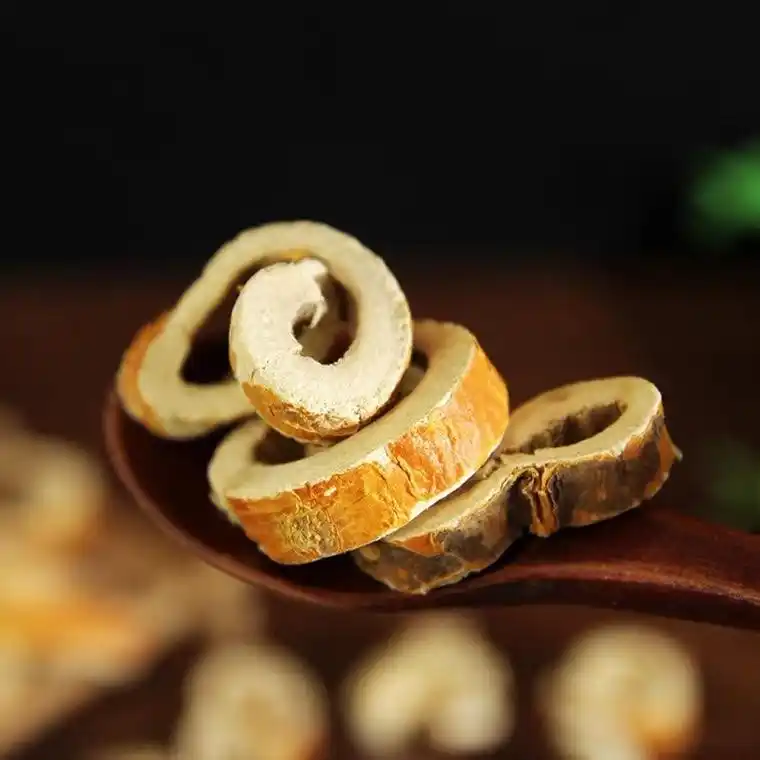
Most Bai Zhu disputes aren’t “quality” problems—they’re spec problems. This is the practical way to write acceptance limits for ash, breakage, and odor that survive IQC, audits, and arguments.

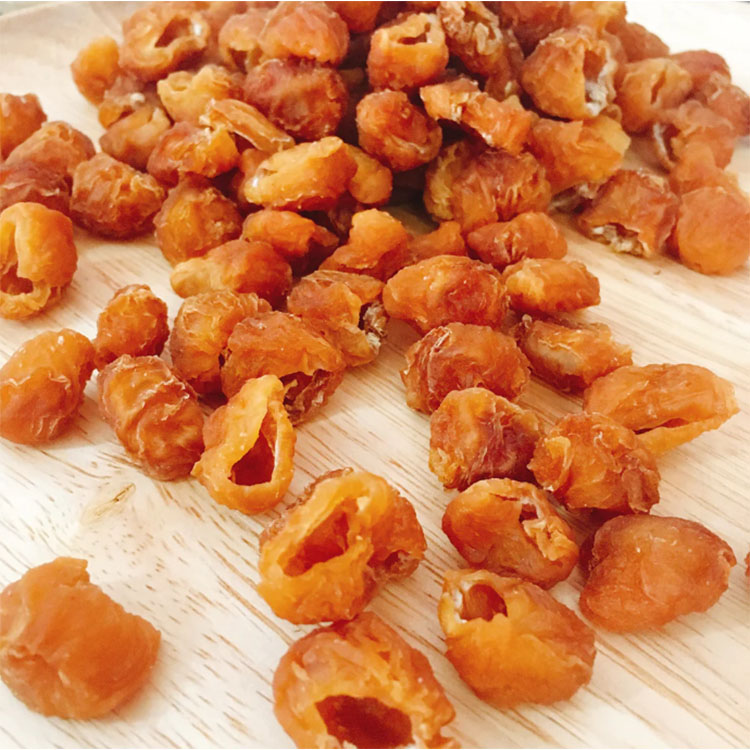
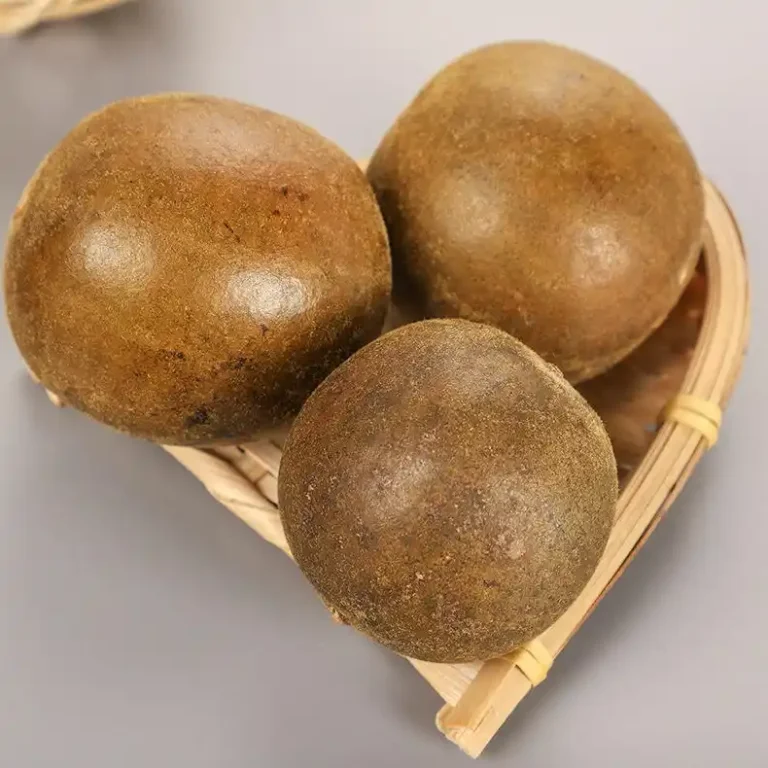
Monk fruit “size grades” feel objective—until you tie them to mogroside reality and container heat. I map the real grading math, the shipping abuse points, and the lab tests importers should demand before paying “XL” prices.

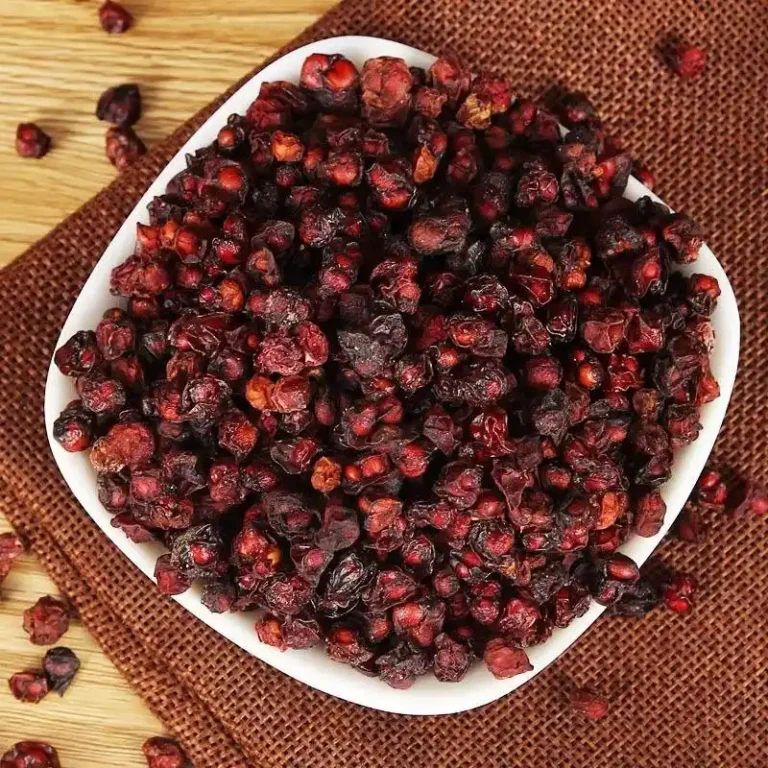
Most Wu Wei Zi disputes aren’t “quality” problems; they’re measurement problems. Here’s what to spec, how to test it, and why photos + adjectives keep costing buyers money.

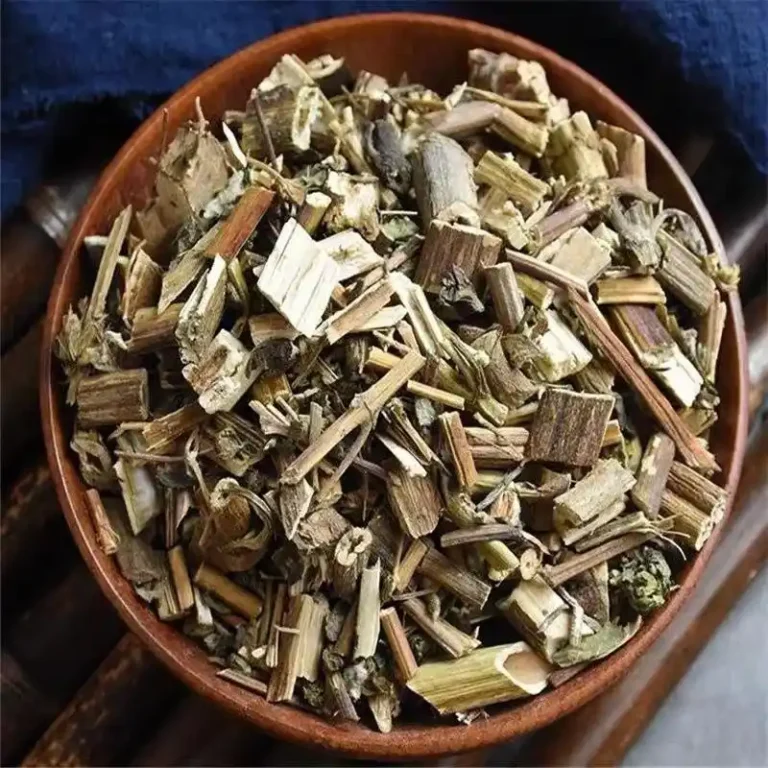
Mixed-part lots are where “Patrinia root” shipments go to die: wrong plant part, wrong species, and lazy documentation all pile up fast. Here’s the blunt, test-driven playbook to keep Bei Bai Jiang Cao authentication from embarrassing you at receiving—or at the port.

Sang Bai Pi dust complaints aren’t “a packaging issue.” They’re a cleaning standard issue—written, verified, and enforced (or not) at the line.

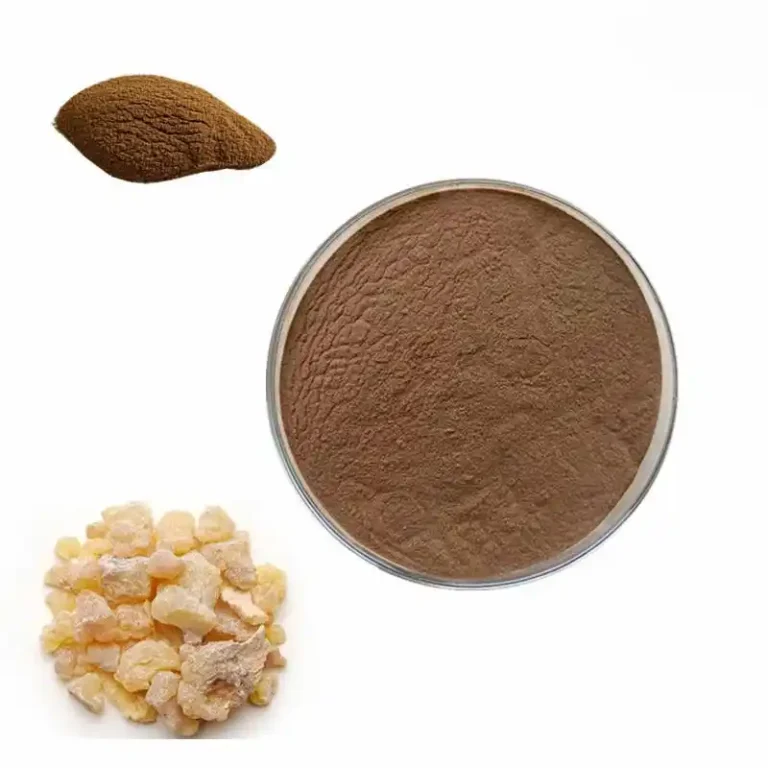
Frankincense (Ru Xiang) doesn’t “mysteriously” arrive glued to the carton—heat, time, and the wrong liner do that. This is the packaging playbook I’d use if I had to defend a disputed container in front of a hard-nosed buyer.

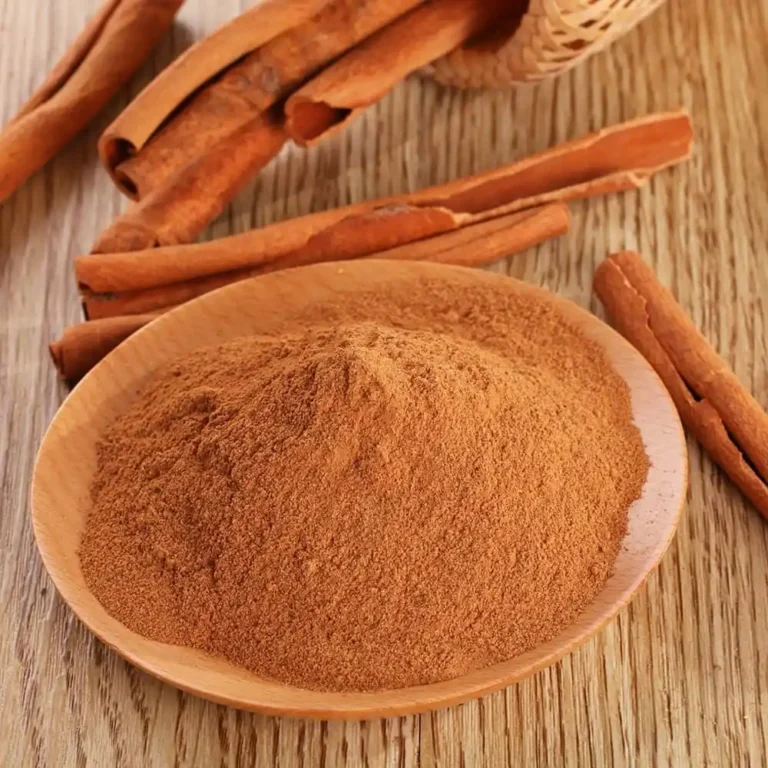
Most “reference samples” in spice blend OEM are theater: a bag on a shelf, no chain-of-custody, no objective match logic. Here’s the system that actually pins flavor targets—sensory, lab markers, and retains—so batches don’t drift and recalls don’t turn into guesswork.

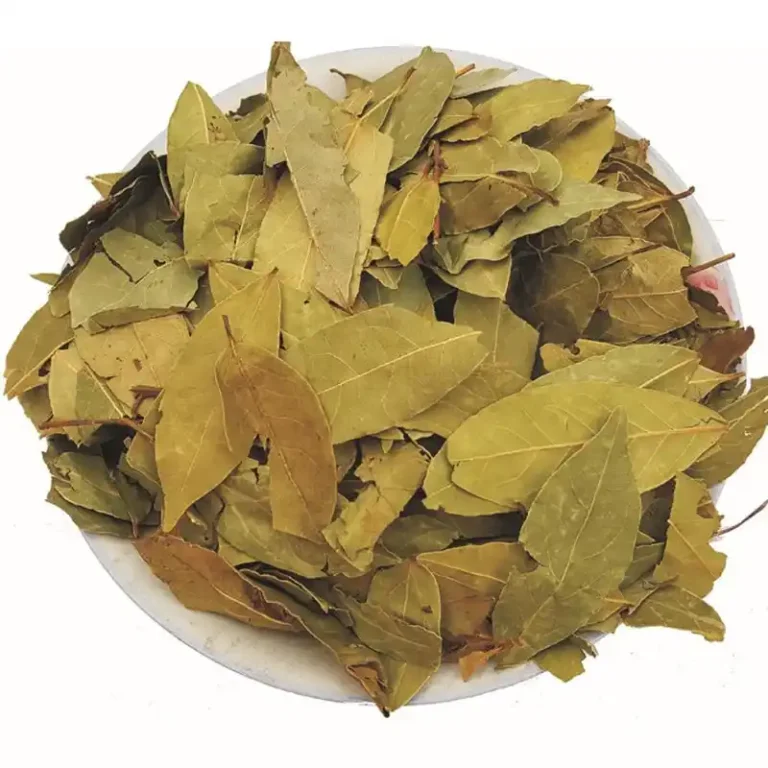
Open a carton of bay leaves and you’ll see it in five seconds. One lot looks clean, pale green, mostly whole. Another lot looks tired: yellow-brown, brittle, lots of crumbs at the bottom. People call it “just color.” But in…

If you buy Tu Si Zi in bulk, you’ve probably heard the same line a hundred times: “It’s cleaned.”Cool. Cleaned how? With what limits? And who’s keeping the logs when an auditor asks? Here’s my take: “Cleaned” isn’t a promise.…