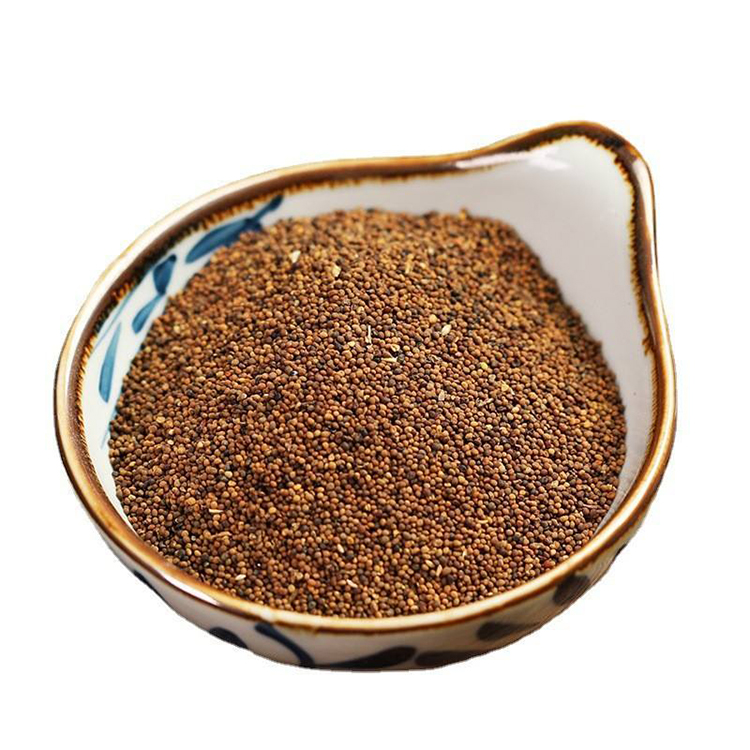
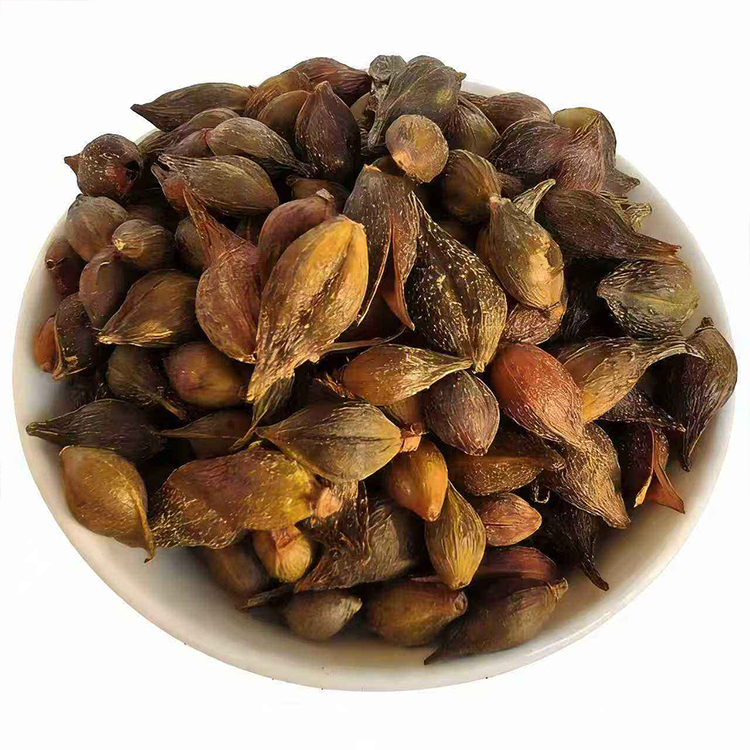
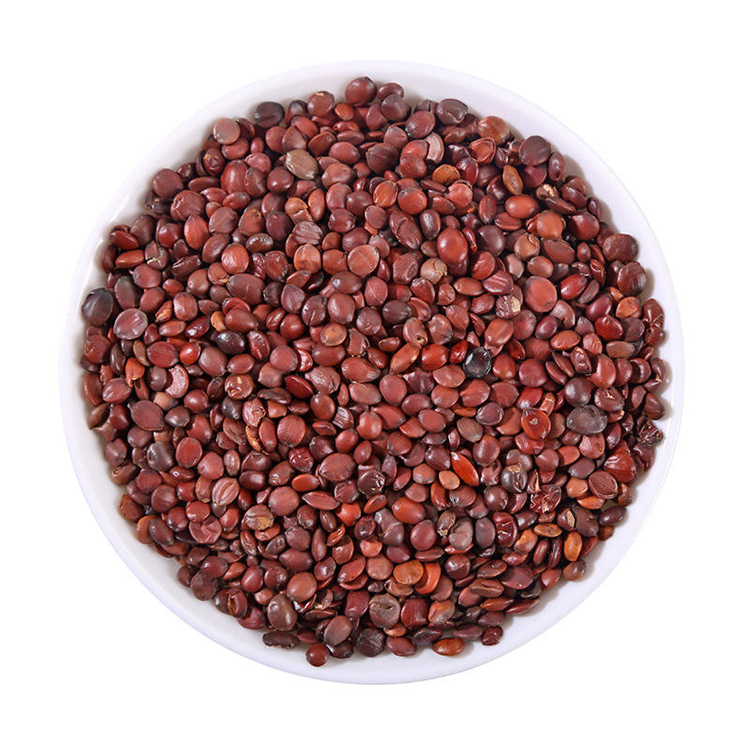
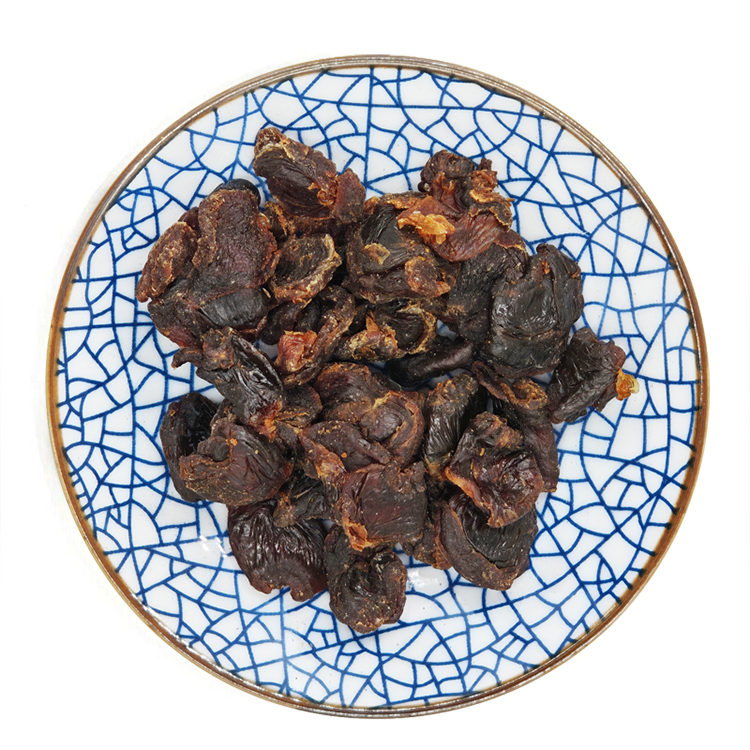
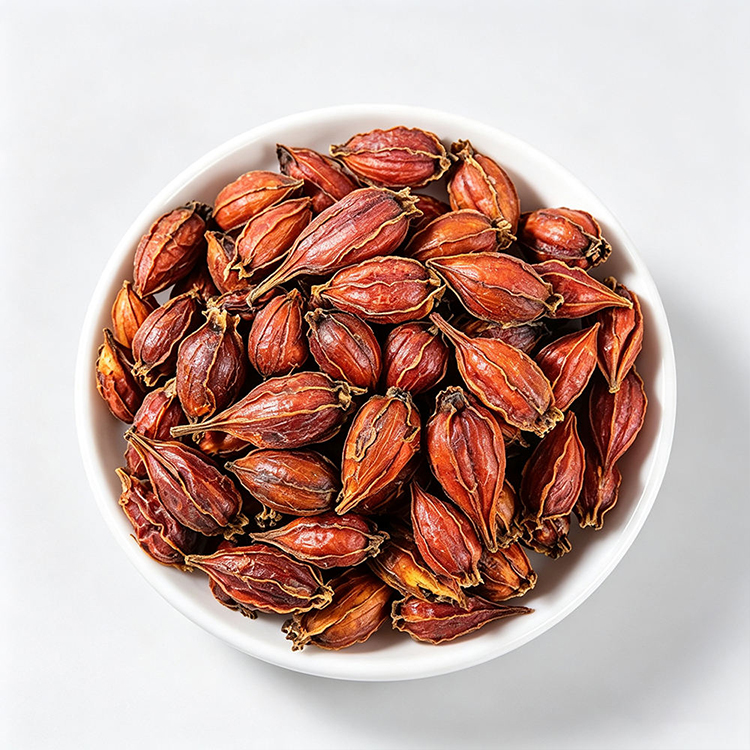
Schisandra Berry (Wu Wei Zi): color, oil, and shrinkage—what buyers should actually measure
Most Wu Wei Zi disputes aren’t “quality” problems; they’re measurement problems. Here’s what to spec, how to test it, and why photos + adjectives keep costing buyers money.
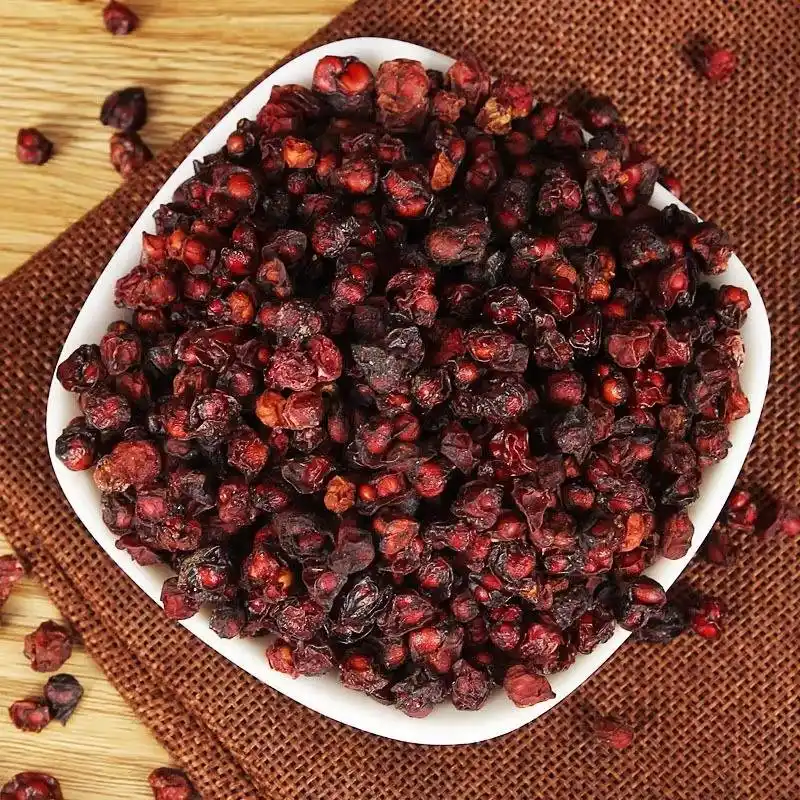
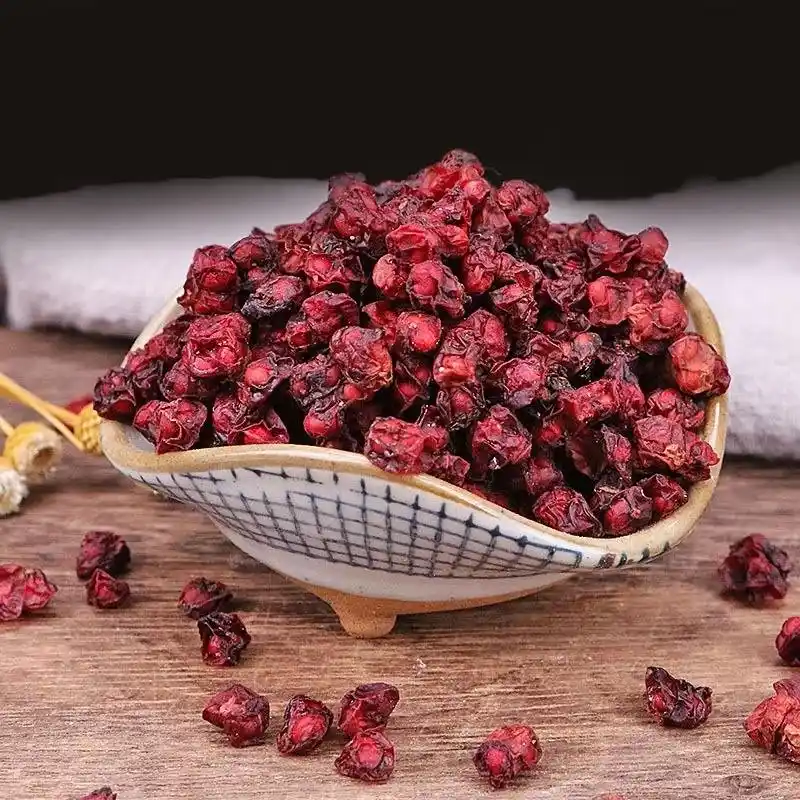
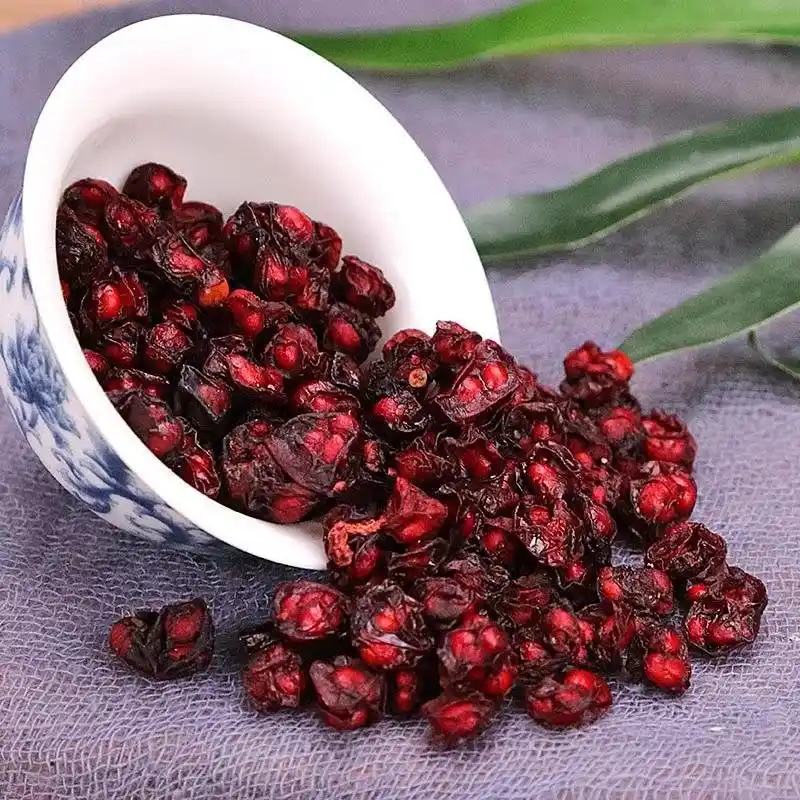
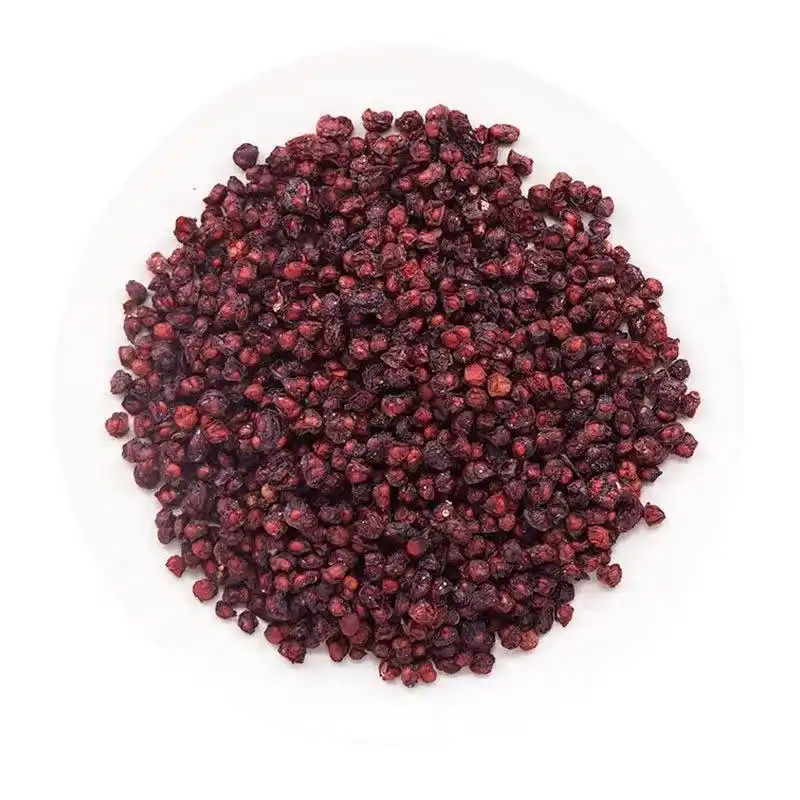
Photos lie, always. If you’re buying Schisandra berry at scale, the “pretty red berry” logic fails because color can be pushed by drying style, age, and handling, while oil markers can drift with heat exposure and storage, and “shrinkage” quietly reveals whether you paid for fruit or for water-weight. Still want to approve a lot from smartphone pics?
I’m going to say the unpopular part out loud: most buyers think they have schisandra berry quality specifications, but what they really have is a mood board—“dark red, not oily, not too shriveled”—and that’s exactly how you end up in email wars over who “changed the grade.”
So we measure. Not vibes.
Table of Contents
Color: stop grading by “red” and start grading by numbers
Here’s the trap: Wu Wei Zi (and yes, Schisandra chinensis lots in particular) can look “premium” under warm warehouse lighting and still be a storage-risk lot that browns out, powders up, or arrives with odor drift after sea freight.
What I’d actually measure (buyer-side, defensible):
CIE L*a*b* color on a defined sample prep (whole berries, fixed lighting/geometry, same instrument each time)
Example instruments buyers use: Konica Minolta bench colorimeters (CM-series)
Color dispersion (standard deviation across subsamples), not just an average
Black/brown fraction by sieve + manual count (yes, boring; yes, it catches “aged” inventory fast)
And I’d force the supplier to tie color back to process control: drying curve, re-absorption control, packing humidity discipline—because those are the levers that change color in the real world. If you want a practical manufacturing checklist language (the stuff overseas buyers actually complain about), borrow structure from this internal guide: From Raw Herb to Sliced Product: 15 Process Control Points Overseas Customers Care About Most.
Oil: “smells strong” is not a spec, it’s a story you tell yourself
Oil-rich fruit behaves like oil-rich fruit. It oxidizes, it volatizes, it picks up packaging odor, and it punishes sloppy heat exposure. If you’ve ever had a lot that arrived “flat” compared to the last shipment, you already know this.
Two practical routes buyers use for schisandra berry oil content control:
Volatile fraction tracking (Headspace GC or hydrodistillation proxy)
You don’t need to publish your whole fingerprint. You need a repeatable index you can trend lot-to-lot.
Write it like pepper buyers do: “volatile oil (dry basis) ≥ X; test timing within Y days of milling.” (Same discipline, different botanical.)
Non-volatile marker control (lignans) via HPLC
If you’re serious about stopping substitution, blend drift, and “same name, different punch,” you track lignans.
One common marker buyers cite is Schisandrin A, molecular formula C₂₄H₃₂O₆.
The point isn’t the romance of chemistry. The point is: numbers let you reject politely.
Hard truth: if a supplier can’t give you a stable marker method (in-house or third-party), you’re not buying “quality,” you’re buying variance. And you’ll spend the savings on rework, reformulation, and customer complaints.
Shrinkage: the most honest metric nobody wants to talk about
Three words. Pay-for-water. Shrinkage is where supplier-buyer relationships go to die, because everyone pretends it’s subjective until someone runs a re-dry test and discovers the “great price” was just extra moisture. Why do buyers keep letting this slide?
Define schisandra berry shrinkage rate as a contract metric, not an argument:
As-received weight → standardized dry weight (loss on drying)
Why enforcement reality matters (even if you “just sell supplements”)
I don’t care how friendly your supplier is. Regulators don’t grade friendships.
In a June 3, 2024 warning letter, U.S. Food and Drug Administration spelled out what gets companies hurt: missing identity specifications for components (21 CFR 111.70(b)(1)) and missing yield-deviation controls in master manufacturing records (21 CFR 111.210(f)). That’s not abstract compliance; that’s exactly the same operational failure buyers argue about as “shrinkage” and “spec drift.”
Now zoom out to border reality.
The European Commission reported that in 2023 there were 4,695 Rapid Alert System for Food and Feed notifications (an 8% rise vs. 2022), and the most reported issue was pesticide residues.
And if you think that’s only about big commodity crops, look at how petty the triggers can be: RASFF logs routine pesticide hits in herbs/spices lots, down to specific analytes and mg/kg readings—like a 2024 notification showing pesticide residue results around 0.27 mg/kg against a 0.1 mg/kg reference in a spice mix. That is why your COA can’t just say “PASS.” It needs methods, limits, and lot trace.
The buyer spec I’d write for Schisandra berry (example, not fantasy)
This is the spine of a schisandra berry quality specifications sheet that prevents the usual disputes. Tune ranges to your golden sample and your market (tea vs extract vs capsule).
Metric buyers fight about
What sellers often say
What you should specify
How buyers should measure
What happens if you don’t
Schisandra berry color grading
“Dark red / purple, normal”
L*a*b* range + black/brown % cap
CIE L*a*b* instrument + count/sieve
You approve a “good-looking” lot that browns in storage
Oil / aroma strength
“Strong smell”
Volatile index target (± band) + marker minimums
HS-GC or hydrodistillation proxy + HPLC lignan marker
What is schisandra berry shrinkage rate in bulk trade? Schisandra berry shrinkage rate is the percentage of weight loss a lot experiences when you re-dry it from “as received” condition to a defined dry basis, revealing hidden moisture and handling variance; buyers use it to detect water-loading, compare suppliers fairly, and enforce price or rejection rules without subjective arguments.
After the definition, keep it simple: agree on the drying method (time/temp or LOD protocol), agree on the sampling geometry (multiple cartons, not one “pretty bag”), and write the commercial consequence into the PO.
How to measure oil content and shrinkage in schisandra berries without a full lab? Measuring oil content and shrinkage in schisandra berries without a full lab means using a repeatable proxy for volatiles (standardized sensory + simple distillation or contracted HS-GC) and a standardized moisture/shrink test (loss on drying with a calibrated moisture analyzer), then trending results lot-to-lot against a locked reference sample.
Yes, you can outsource; no, you can’t outsource responsibility—your acceptance windows must still be yours.
What is schisandra berry color grading, technically? Schisandra berry color grading is the process of converting surface appearance into measurable, repeatable parameters—typically CIE L*a*b* values plus defined defect fractions—so buyers can distinguish true processing differences (drying curve, oxidation, age) from lighting tricks, photo bias, and subjective “redness” arguments.
If your supplier can’t replicate your measurement setup, you’ll fight forever. Standardize it.
What should a schisandra berry COA include for compliance-minded buyers? A schisandra berry COA for compliance-minded buyers is a batch-specific release document that lists identity method(s), numerical limits for residues/metals/microbials (with test methods), and traceability mapping between lot code, sample, and shipment; it exists to survive audits, border holds, and internal QC release decisions.
If it only says “PASS,” it’s not a COA; it’s a marketing flyer.
How do I choose the best schisandra berry supplier for buyers who hate surprises? The best schisandra berry supplier for risk-averse buyers is the one that can consistently reproduce your reference profile (color numbers, marker targets, shrinkage window) and prove it with traceable records—COA pack, drying controls, and corrective-action discipline—rather than promising “top grade” and sending different product every quarter.
Ask for variance data, not brochures. The serious ones have it.
Conclusion
If you want to stop arguing about Wu Wei Zi and start controlling it, do two things this week:
Our low MOQ of 1 kg (2.2 lb) makes it easy to order Chinese herbal slices or wholesale Chinese medicine herbs. Private-label and bilingual labeling are also available.
Delivery Cycle & Support
We have a fast 7-day lead time. We provide free samples, COA reports, and technical support to help you bring high-quality bulk Chinese herbs to market.
Quality & Certifications
Our products are manufactured in a GMP-certified facility and meet ISO22000 standards. All Chinese herbs are third-party tested for heavy metals, pesticides, and microorganisms.