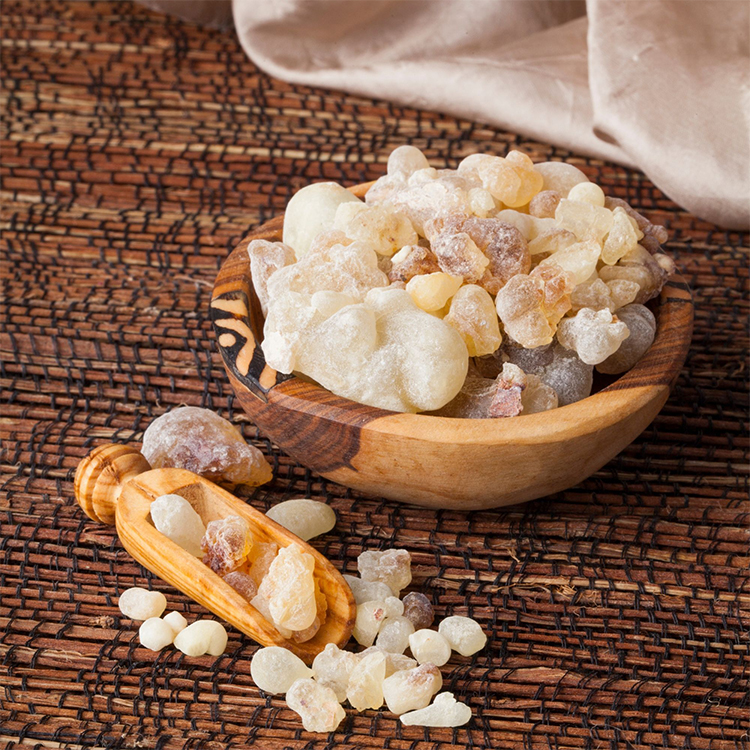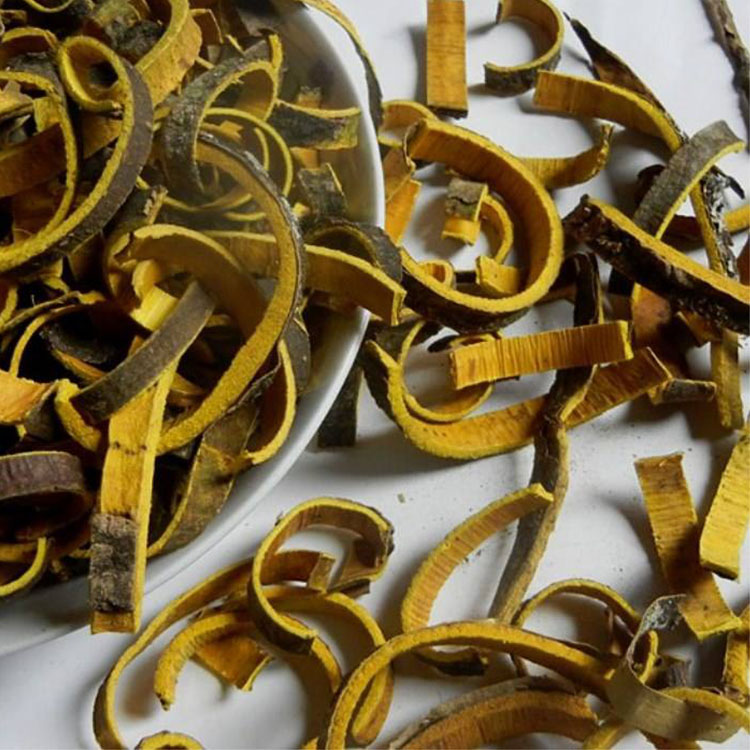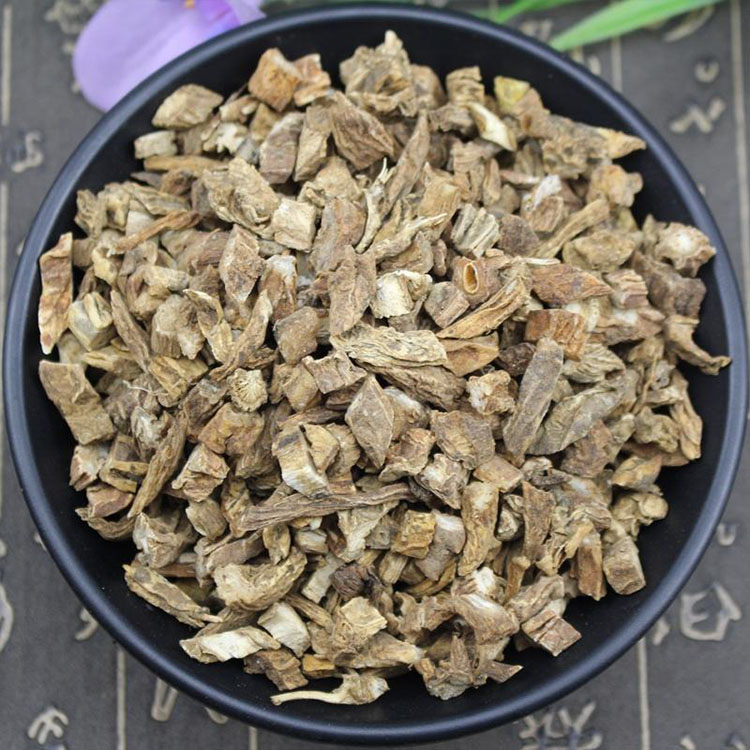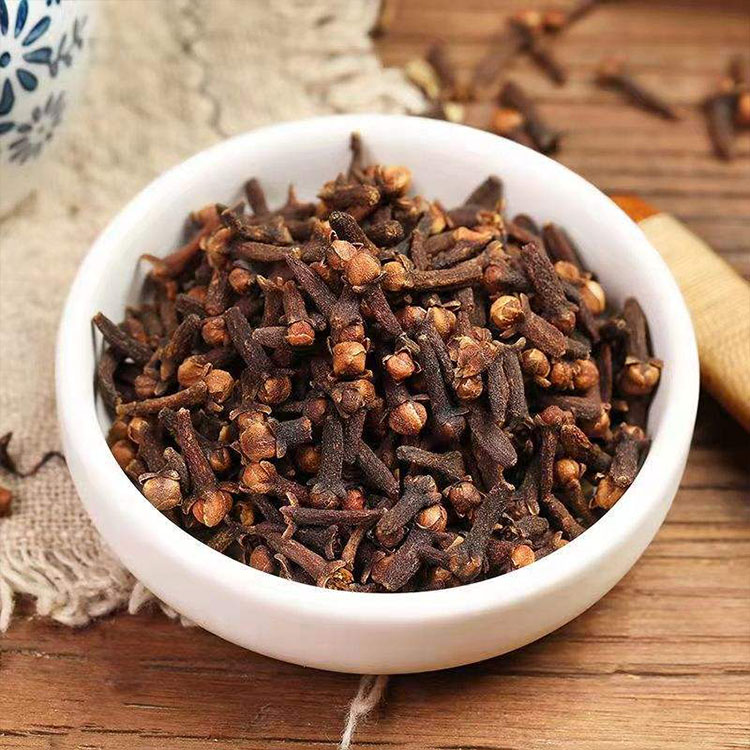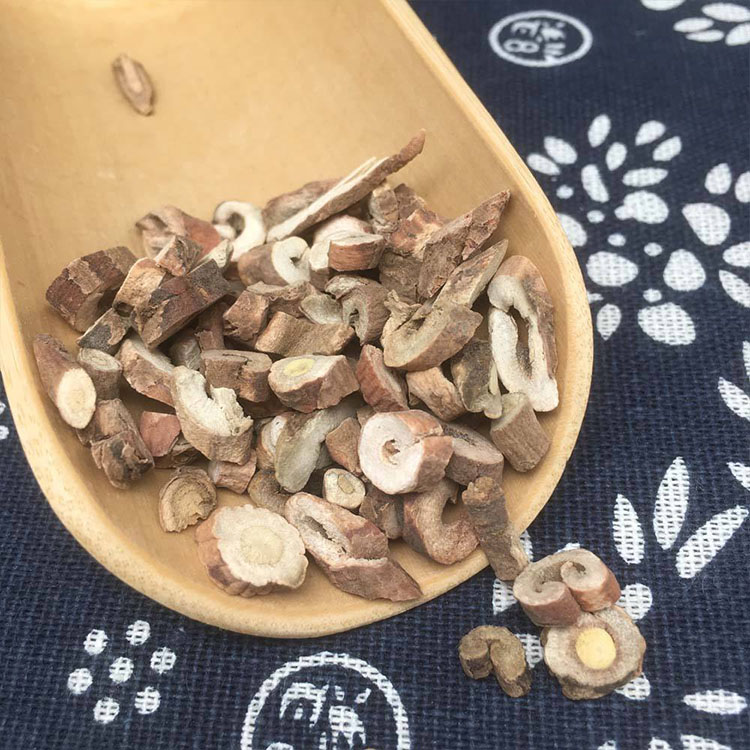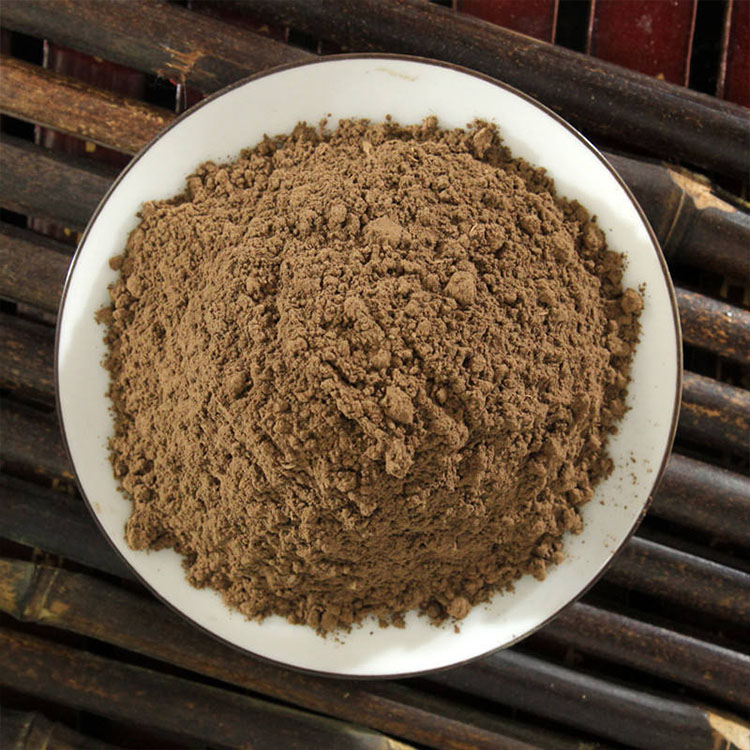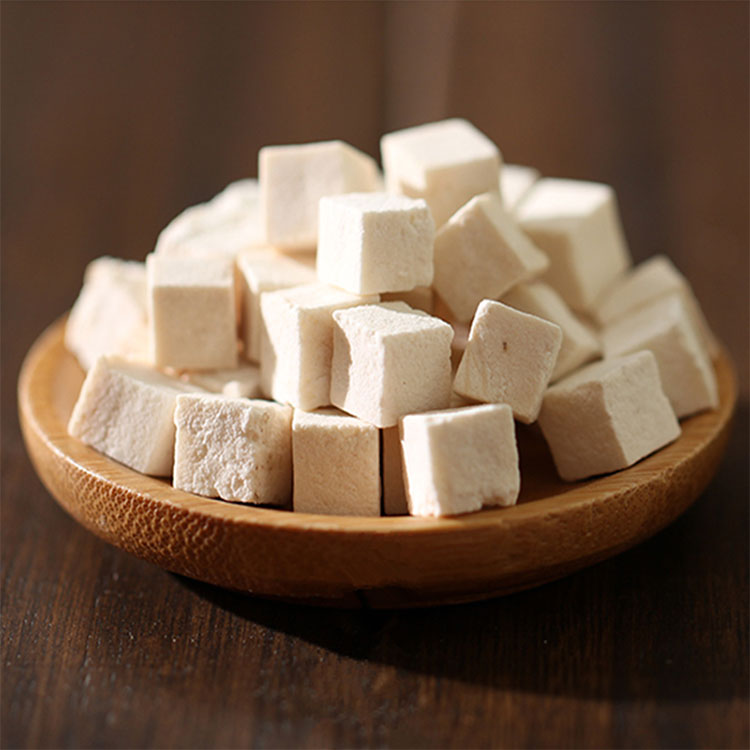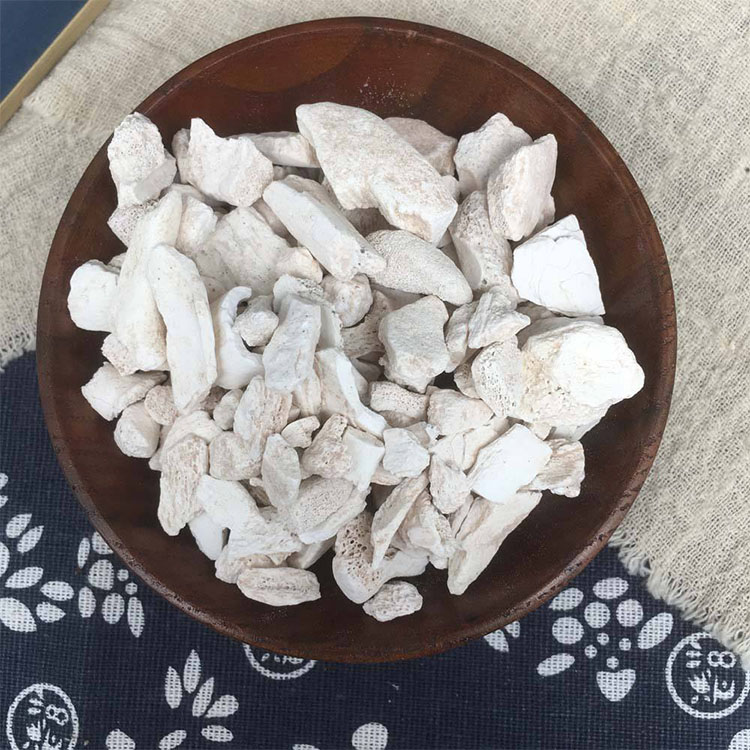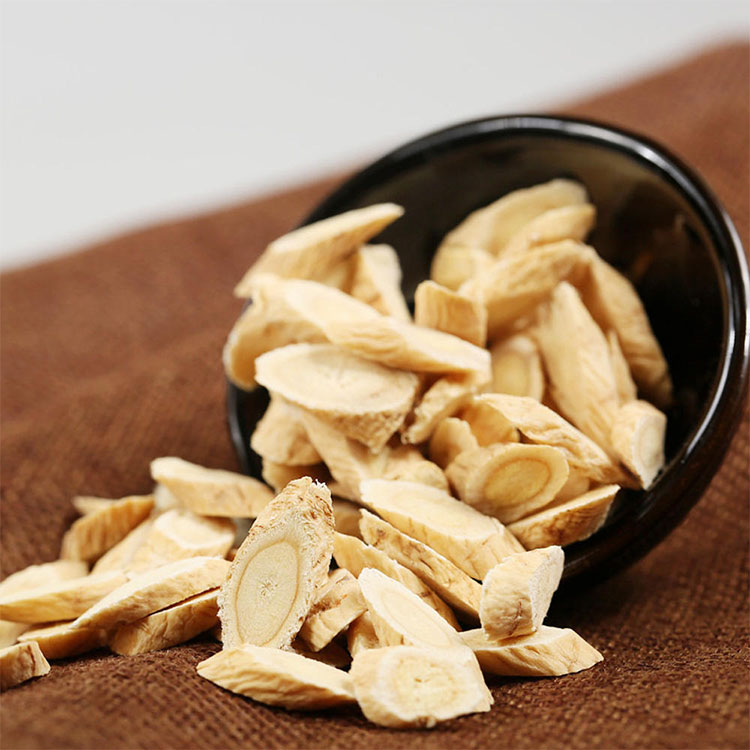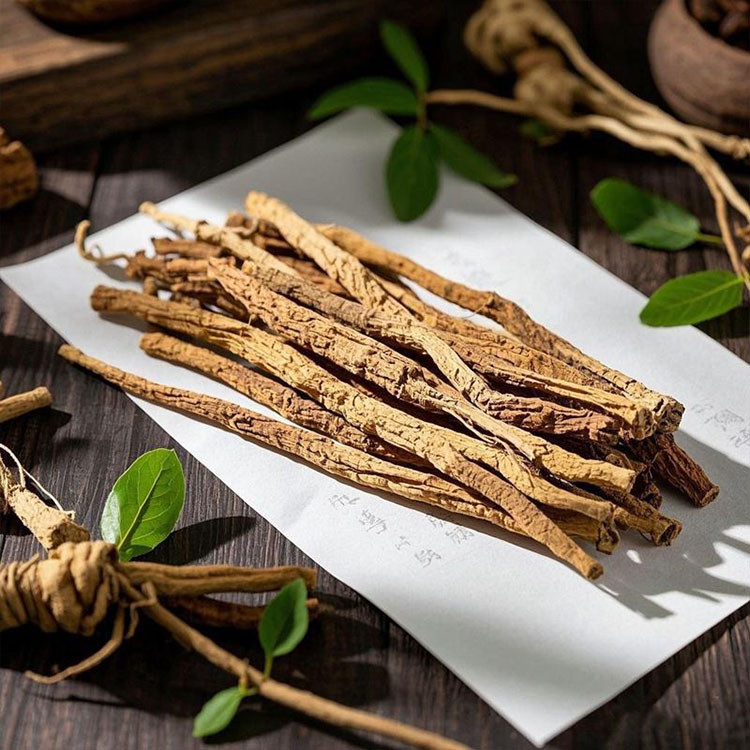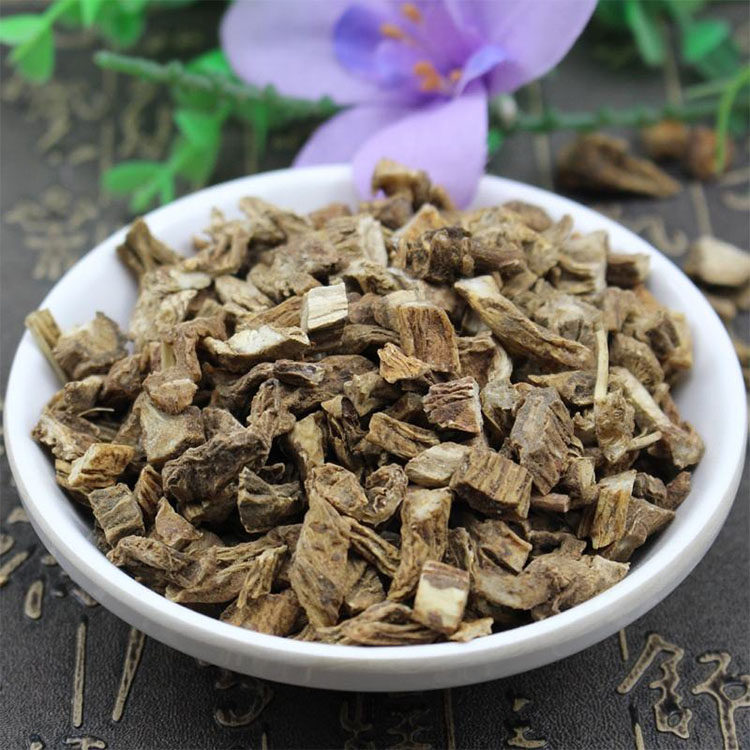



Bark herbs look simple until a buyer has to specify thickness, moisture, particle size, testing, and packaging. This guide explains when to choose bark herbs in slices, strips, or chunks, using real sourcing logic, regulatory evidence, and hard-earned industry judgment.

Chinese herb export rarely fails because the herbs are “bad.” It fails because paperwork tells the wrong story. This guide breaks down the documentation issues that quietly trigger customs holds, FDA scrutiny, phytosanitary questions, and expensive buyer disputes.

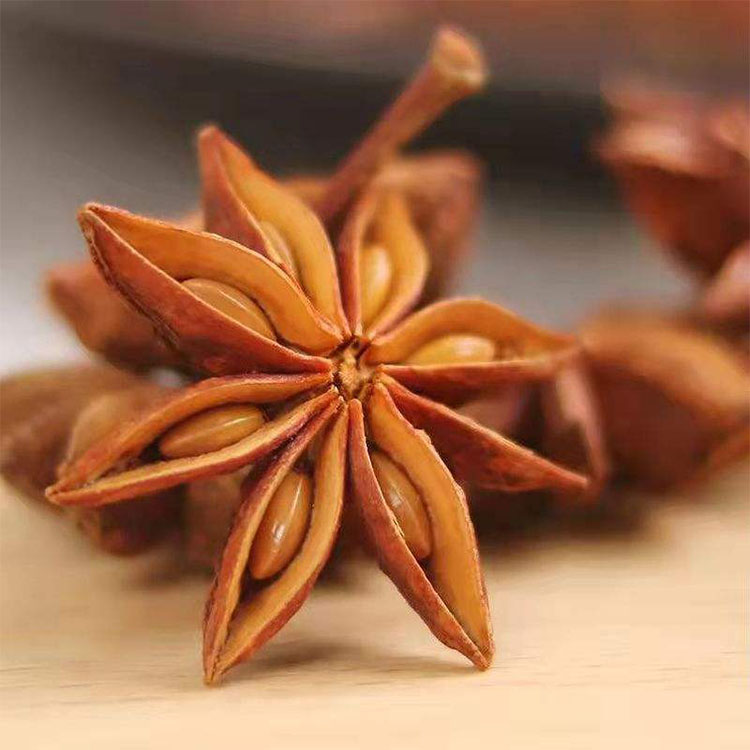
Whole star anise looks simple until a buyer gets stuck with broken pods, weak aroma, mixed species, microbial risk, or export paperwork that does not survive customs scrutiny. Here is how professional buyers should read shape, origin, documents, and supplier behavior before committing to a lot.

Bulk spices look simple until one shipment fails lead, Salmonella, pesticide residue, moisture, or identity testing. This guide explains how serious buyers qualify dried spices suppliers, compare wholesale spices formats, read COAs, and avoid expensive sourcing mistakes.

Moutan Bark quality is not decided by color alone. Core removal, slice thickness, drying discipline, origin control, and lab-backed release data decide whether a lot is useful material or a quiet liability.

Most supplier audits fail because buyers inspect PDFs instead of systems. This guide shows how I would audit a Chinese herb supplier step by step, from GACP and GMP to COA verification, heavy metals, sulfur dioxide, microbiology, traceability, CAPA, and claim risk.

Clean color means nothing. In the herb trade, the real fight is against invisible contamination that shows up in storage, transit, customs, and finished-product release. Here is where mycotoxin testing actually earns money, prevents recalls, and separates disciplined suppliers from polished sales talk.

Dragon Bone is not a mystical exception to quality control. It is a high-risk, identity-sensitive material that demands tighter foreign matter definitions, stricter batch genealogy, and better release packets than most buyers currently ask for.

Processing methods for herbal slices are not cosmetic. They change chemistry, bioavailability, toxicity, storage stability, and market risk. I break down what cutting, drying, stir-frying, steaming, honey-processing, wine-processing, vinegar-processing, salt-processing, and sulfur fumigation really do—and where the industry still gets it badly wrong.

Most companies blame the market when Chinese herbal medicine prices jump. I do not. I blame weak specifications, lazy procurement habits, and a refusal to separate real supply risk from self-inflicted margin damage. Here is the hard-nosed framework that works.

If you want to understand Chinese herbal medicine cost, stop staring at the per-kilo number. The real bill is built from harvest conditions, daodi origin, compliance testing, logistics, tariff exposure, and how much pain the importer is hiding.

Rail is not the cheap option for herbs. It is the disciplined option. This piece breaks down when China-Europe rail freight for herbs actually works, when sea still wins, and why most failures come from moisture, specs, and customs paperwork rather than the train itself.