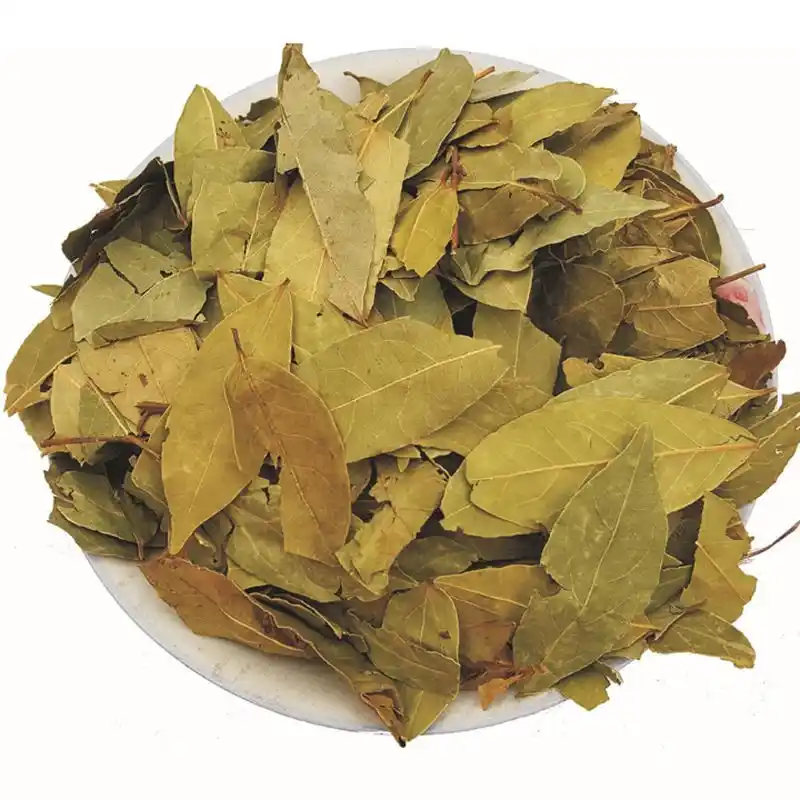
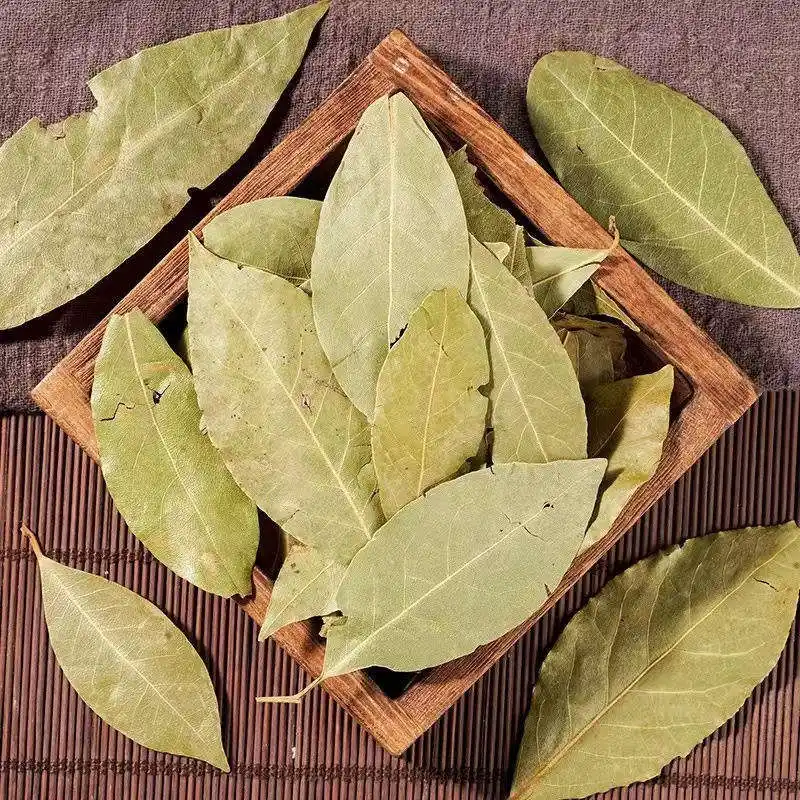
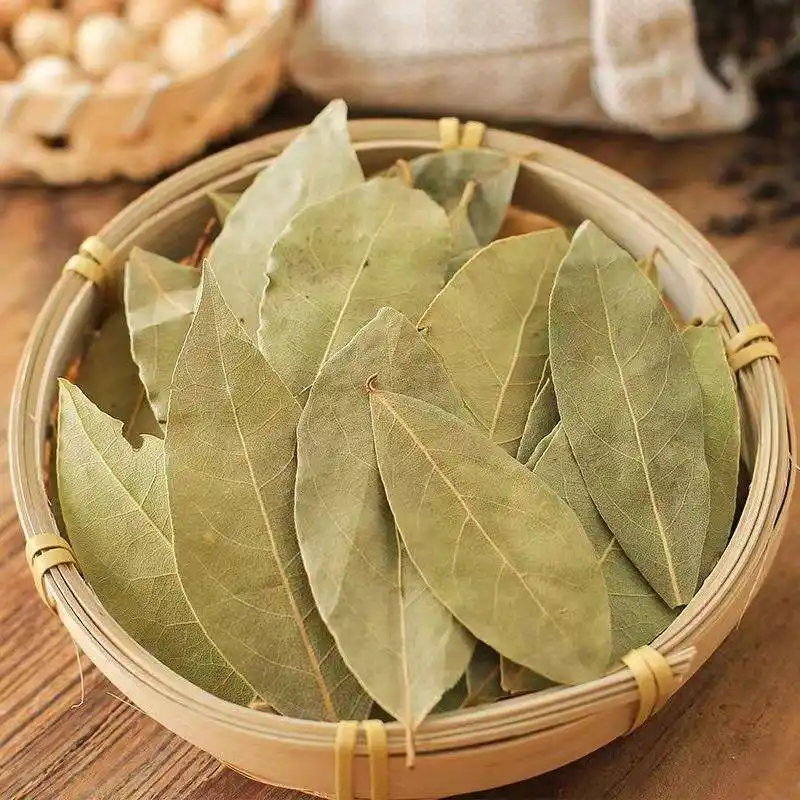
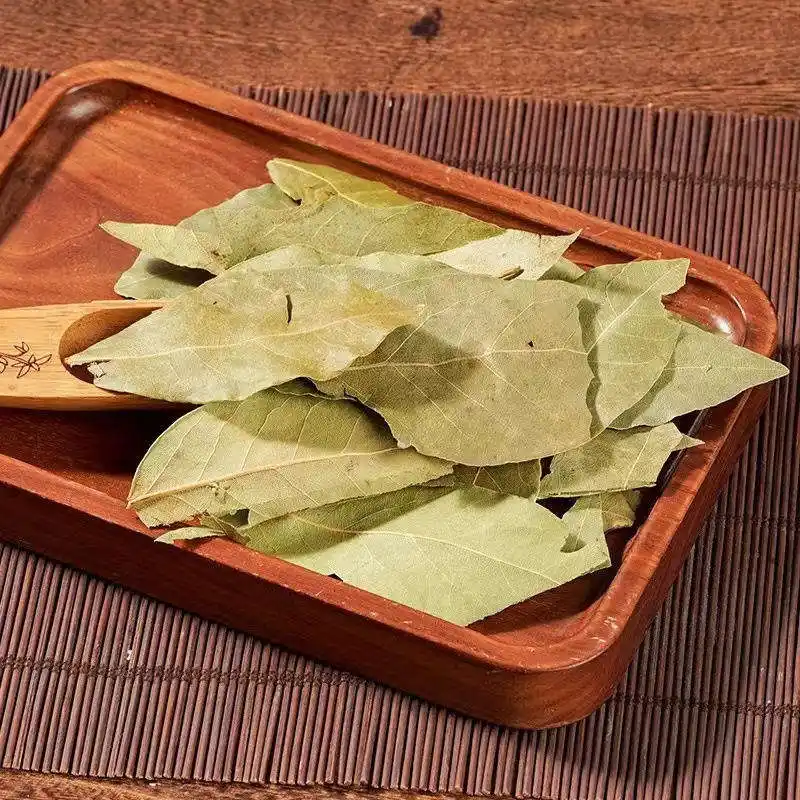
Open a carton of bay leaves and you’ll see it in five seconds. One lot looks clean, pale green, mostly whole. Another lot looks tired: yellow-brown, brittle, lots of crumbs at the bottom. People call it “just color.” But in bulk trade, color stability is a handling signal. It tells you what likely happened during drying, packing, storage, or transit. And yeah, it often predicts whether your IQC team is gonna pass the lot or start writing a deviation report.
My take is simple: treat leaf color stability like a quick diagnostic tool, not a beauty contest. Pair it with a tight spec (whole-leaf ratio, moisture, foreign matter, COA per lot), and you cut the usual back-and-forth emails.
If you’re sourcing through GuoCao, you can cross-check this with our own bay leaf pages and purchasing guides:
The Spice House explains the core point clearly: producers prune branches, dry them in shade, and then cure them. If you dry leaves in direct sunlight, they turn brown and you lose essential oils and aroma.
That matters because buyers don’t pay for “leaf material.” They pay for aroma yield and batch-to-batch consistency. Sunlight browning can be a warning sign that the lot took a shortcut somewhere.
Pale green color and fewer blemishes
That same article also says quality leaves should look pale green, mostly whole, and not full of blemishes.
So, if you want a practical argument for your team: Color stability is basically a “process audit” you can do with your eyes.
Whole leaf ratio and broken control
Whole leaf ratio
When you buy Xiang Ye in bulk, you’re buying a spec, not a vibe. GuoCao’s wholesale grading article says it straight: lock the spec around whole leaf ratio and broken control, then support it with packing, humidity control, and foreign matter limits.
Why buyers care (real-life ops problems, not theory):
Foodservice packs want whole leaves because chefs can toss them in and pull them out.
Tea bag / sachet lines hate dusty fragments because it clogs and makes fill weights swing.
Grinding/extraction can accept more broken, but only if the lot is clean and moisture-stable. Otherwise you’ll fight odor, mold, and yield swings.
Broken control
GuoCao also points out something many POs miss: define what “broken” means, then set a max %. If you don’t, you’ll argue forever with photos.
A simple buyer-friendly way to write it (no fancy words):
“Broken = pieces under X cm”
“Broken max = Y%”
“Whole leaves min = Z%”
“Foreign matter max = ___%”
“Moisture max = ___%”
Not glamorous. But it stops chargebacks and the “same grade” drama.
Moisture content, musty odor, and mold risk
Moisture content max 8%
ISO 6576 (laurel whole and ground leaves) sets a moisture content maximum of 8% and a volatile oil minimum (we’ll get to that next).
Mustiness is a fail signal
The same ISO text says laurel must be free of extraneous odor, especially mustiness.
In other words: if the lot smells damp or “warehouse-y,” don’t talk yourself into accepting it. Musty odor usually means moisture exposure at some point.
FDA enforcement triggers exist
FDA’s bay leaves adulteration guidance lists enforcement thresholds for moldy pieces (and insect issues too).
You don’t need to run a courtroom case on every shipment. But you should know the risk is real. Moisture abuse isn’t just “quality”; it can become a compliance headache.
Volatile oil content and aroma retention
Volatile oil content min 1 ml/100 g
ISO 6576 lists a volatile oil minimum of 1 ml/100 g for laurel leaves.
That’s a big deal for buyers who sell:
spice blends (flavor consistency)
nutraceutical inputs (organoleptic stability)
functional drinks (aroma carry-through)
herbal tea bags (smell test matters a lot)
Crush test: the fast sensory check
The Spice House also reminds you: bay leaf aroma really shows when you crush the leaf. So the simplest receiving SOP is:
look at color + fragments,
crush one leaf,
smell for clean herbal aroma,
reject anything musty.
Yeah it sounds low-tech. But it works. It catch problems early.
Storage and transport conditions
Protect from sun, rain, and excessive heat
ISO’s storage guidance says store packages in closed premises and protect them from sun, rain, and excessive heat. Keep the room dry, odor-free, and protected from insects/vermin.
10–15 °C and 55–65% relative humidity
A scientific review on Laurus nobilis notes suggested storage conditions for spices: 10–15 °C and 55–65% RH.
Freezer storage lasts for years (for end users or R&D)
Serious Eats gives a very practical tip: store bay leaves in the freezer and they’ll last for years.
For wholesalers, you’re not freezing pallets (usually). But you can still apply the logic: lower heat + lower humidity + less light = better stability.
GMP production line, ISO 22000 system, and COA per lot
This is where “I want stable leaf color” turns into “I want stable supply.”
GuoCao runs GMP herbal-slice lines, uses ambient / cool / MAP (modified atmosphere) warehouses, follows an ISO 22000 food-safety system, and supports third-party COA testing per lot. We also support OEM/ODM customization and herbal strain fermented enzyme beverage production.
So if you’re a pharma buyer, a supplement factory, a functional drink brand, or a distributor, you don’t have to gamble on “looks good in photos.” You can ask for:
lot traceability
COA per shipment
moisture control proof
packaging spec
warehouse condition control (ambient / cool / MAP)
That’s normal buyer talk. Not fluff.
Purchase specification for bay leaves: stop quality disputes before they start
If you only remember one line, remember this: write numbers, not adjectives.
Here’s a compact spec table you can adapt for your PO (and align it with common standards and trade signals).
Spec item (buyer keyword)
What to set
Why it fixes the pain
Evidence / reference
Whole leaf ratio
Min % whole leaves
Prevent “nice top / dust bottom” claims
GuoCao grading guide
Broken definition
“Broken = under X cm”
Stops photo-arguing
GuoCao grading guide
Broken max %
Put a cap
Stabilizes packing lines + retail look
GuoCao grading guide
Moisture max
≤ 8%
Reduces musty odor + mold risk
ISO 6576 Table 1
Volatile oil min
≥ 1 ml/100 g
Protects aroma, not just appearance
ISO 6576 Table 1
Odor
“No mustiness”
Fast reject rule at IQC
ISO 6576 odor clause
Visual aging flags
“No yellow-brown brittle lot” (or define a limit)
Matches trade reality
TIS-GDV / Cargo
Add your usual add-ons (foreign matter, insect-damaged pieces, micro limits) based on your market and channel. Keep it tight. If it’s too loose, it don’t protect you.
Why this matters for buyers: less rework, fewer claims, steadier sales
Leaf color stability touches real business stuff:
Retail brands hate customer reviews like “tastes like dust.”
Beverage labs hate aroma swing from lot to lot.
Hospitals and clinics want clean documentation and repeatability.
Distributors want fewer returns and faster turnover.
If you want to source Xiang Ye as a spice or as a herbal input, start with the bay leaf page and the grading guide, then talk to us with your target spec:
Our low MOQ of 1 kg (2.2 lb) makes it easy to order Chinese herbal slices or wholesale Chinese medicine herbs. Private-label and bilingual labeling are also available.
Delivery Cycle & Support
We have a fast 7-day lead time. We provide free samples, COA reports, and technical support to help you bring high-quality bulk Chinese herbs to market.
Quality & Certifications
Our products are manufactured in a GMP-certified facility and meet ISO22000 standards. All Chinese herbs are third-party tested for heavy metals, pesticides, and microorganisms.