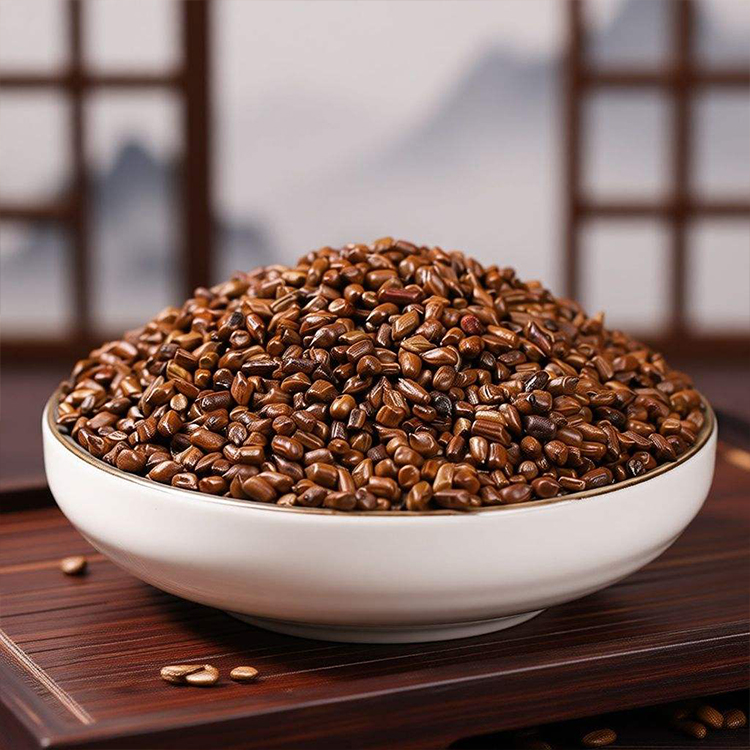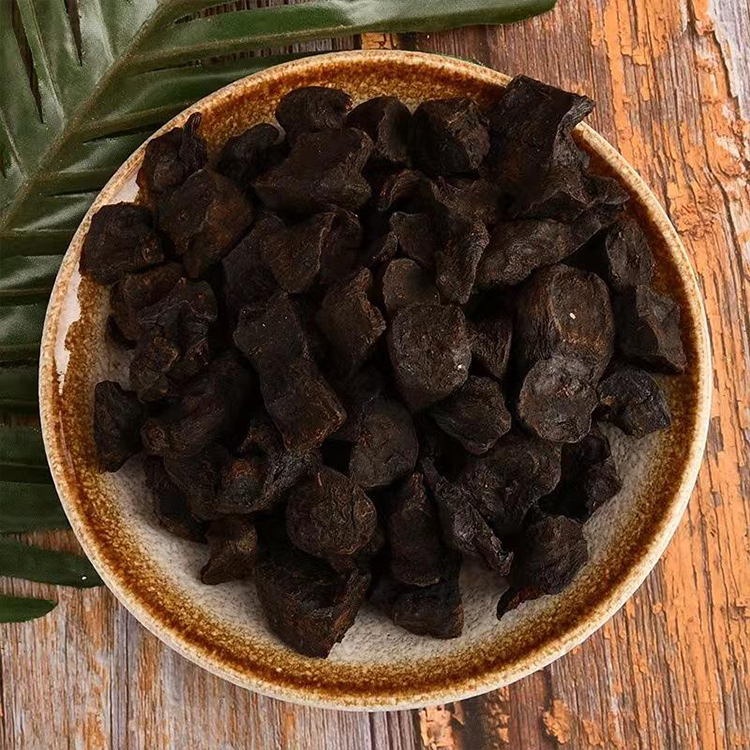



Cassia seed looks simple up until it reaches a tea-bag line, supplement formula, or export audit. This overview discusses exactly how severe customers need to review clean cassia seed, roasted cassia seed, storage conditions, and distributor proof before authorizing a mass order.

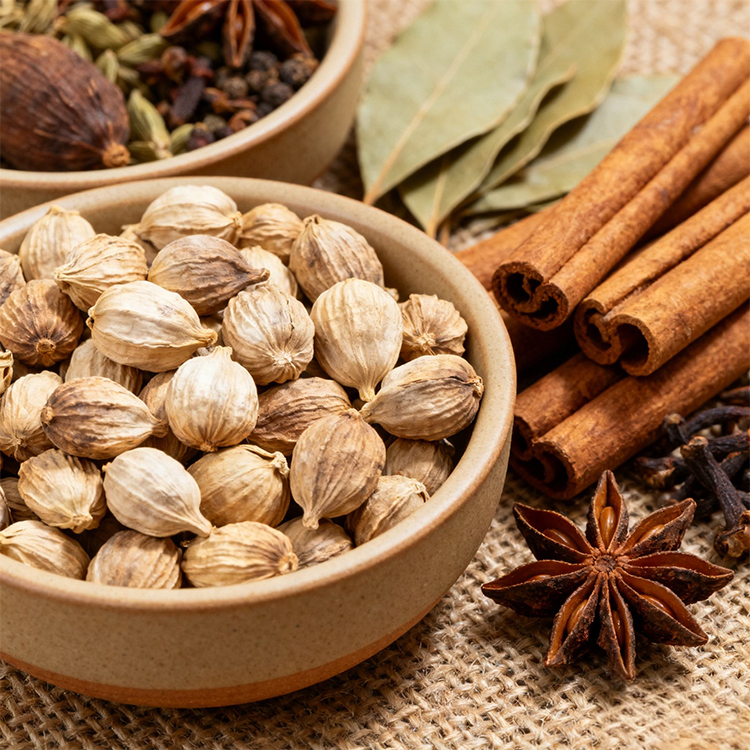
The Smell Is the Agreement Scent passes away quietly. In bulk cardamom purchase, the buyer typically finds the damages far too late: the bags show up undamaged, the invoice looks tidy, the provider still sounds certain, yet the coverings have…

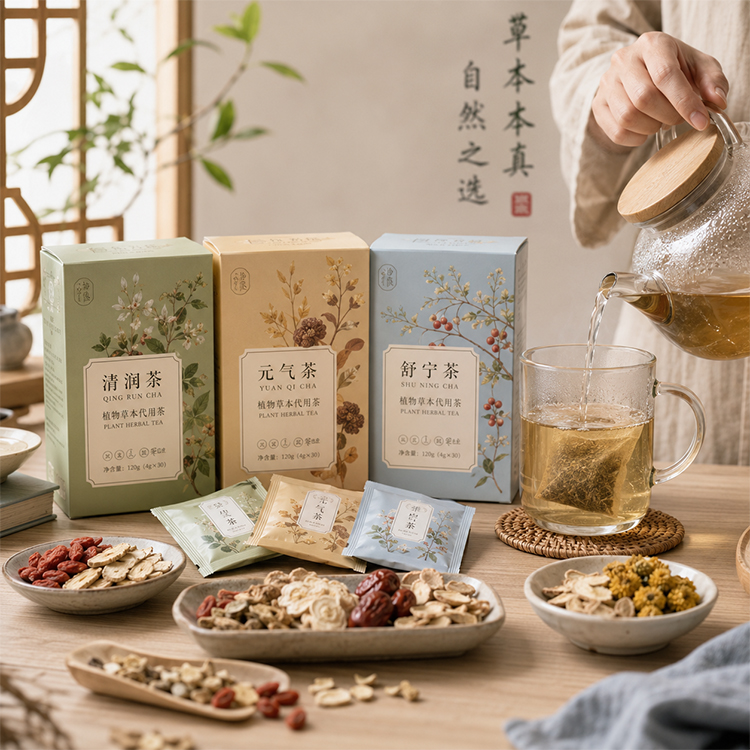
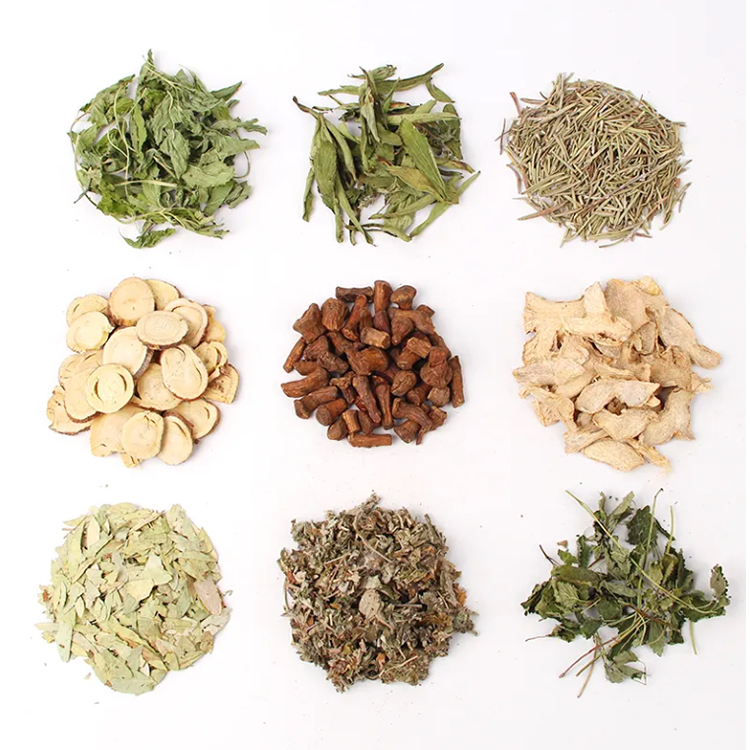
A lot of personal label Chinese natural tea bag projects stop working prior to production starts. The formula is obscure. The distributor is under-audited. The claims are too aggressive. The COA is dealt with like decoration. Right here is the practical, blunt guide to developing exclusive label Herbal Tea Bags that can make it through sampling, manufacturing, export, and retail examination.

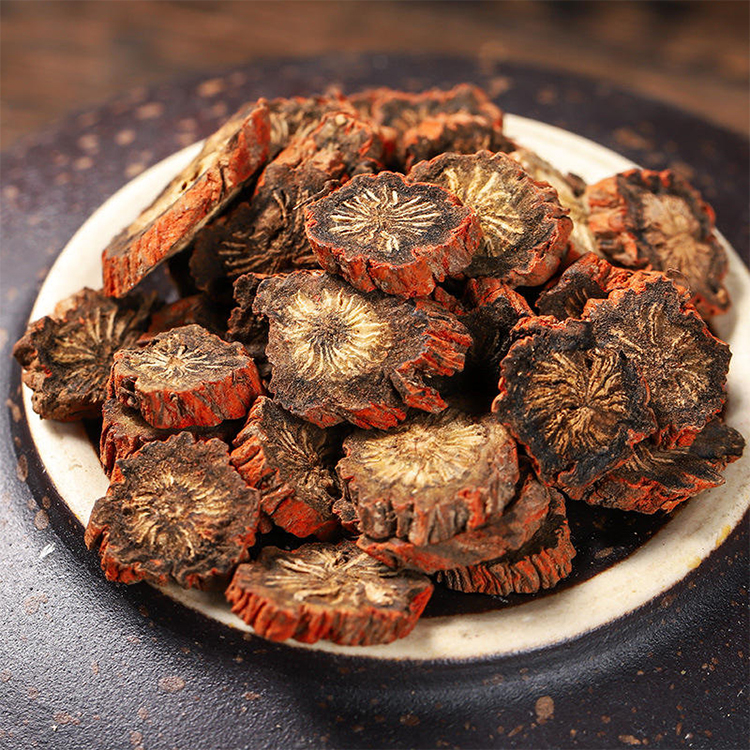
Bulk salvia root is not just another reddish-brown herb in a sack. For solution brand names, Dan Shen sourcing lives or passes away on identity evidence, marker testing, moisture control, deposit screening, supplier honesty, and whether the delivered lot matches the documentation.

Bulk herb procurement in 2026 is not about chasing the cheapest sack price. It is about identity, traceability, lab proof, moisture control, supplier redundancy, and knowing when a pretty COA is not enough.

Chinese herbal slices do not fail only because of bad sourcing. They fail because moisture was ignored after drying, during warehousing, or inside a shipping container. This guide explains how serious buyers should control moisture, mold risk, packaging, transit, and shelf life before a batch becomes expensive waste.

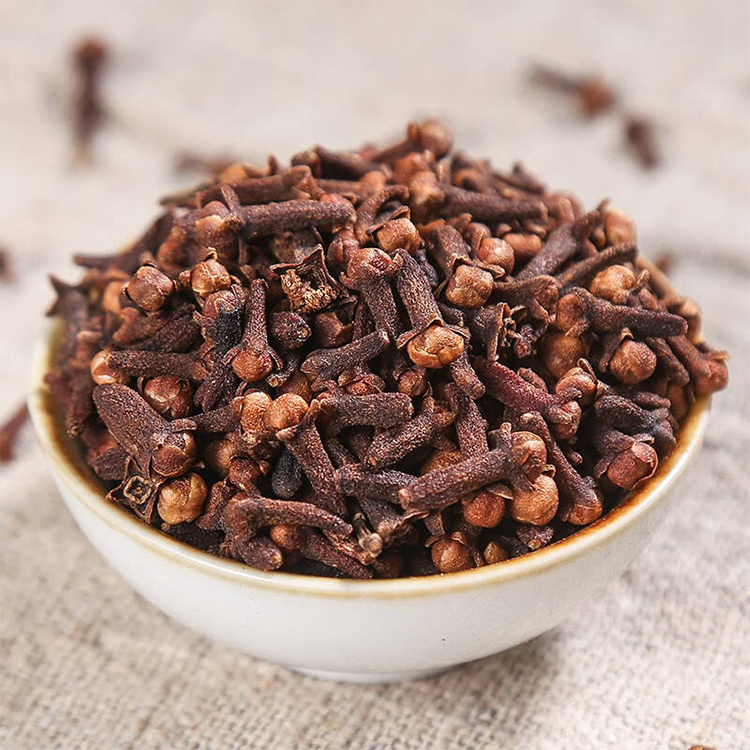
Buying bulk cloves is not about finding the cheapest brown buds in a sack. Real value sits in volatile oil, eugenol profile, stem percentage, moisture control, microbial safety, and storage discipline.

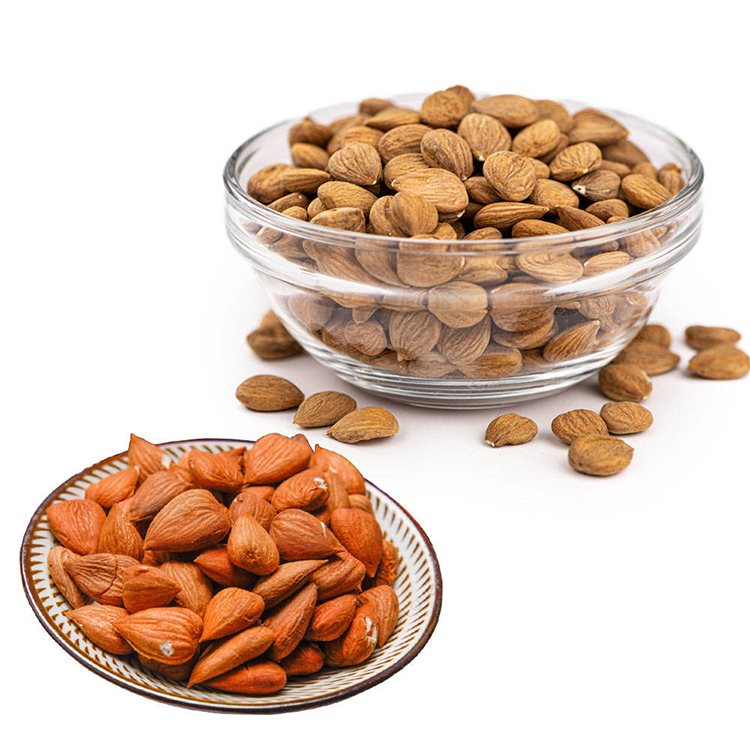
Bitter apricot seeds are not a casual commodity. This guide explains how buyers should evaluate Ku Xing Ren identity, cyanogenic glycoside risk, amygdalin testing, supplier paperwork, and documentation before placing a bulk order.

Low-cost bulk seasonings can become expensive quickly. Below is what food brands should validate before purchasing wholesale dried spices from China, from third-party laboratory screening to FSVP documents, virus reduction, and traceability.

Fo-Ti origin is not a laid-back mass natural herb. The market mixes raw and refined product, loosened health language, weak COAs, and liver-risk baggage. Below is just how major purchasers should source it.

Panax notoginseng is not a straightforward origin asset. Quality can be controlled, beginning can be obscured, and a weak COA can conceal pricey troubles. This overview clarifies just how significant buyers should review Sanqi root prior to bulk sourcing.

Buying goji berries wholesale is not about locating the reddest berry or the least expensive container. It is about showing beginning, deposit security, dampness control, dimension grade, processing approach, and whether the great deal really fits tea, snack, or supplement manufacturing.