Star Anise Sourcing: Whole Shape and Export Quality Standards
Whole star anise looks simple until a buyer gets stuck with broken pods, weak aroma, mixed species, microbial risk, or export paperwork that does not survive customs scrutiny. Here is how professional buyers should read shape, origin, documents, and supplier behavior before committing to a lot.
The Money Is in the Shape, But the Risk Is in the Lot
Shape tells lies.
I have seen buyers obsess over glossy photos of whole star anise pods while ignoring the boring documents that decide whether the shipment clears, sells, or becomes an expensive warehouse argument; the industry likes romance, but the profit is made in moisture control, species verification, broken-rate discipline, and supplier honesty.
So why do so many buyers still source star anise like they are buying decoration?
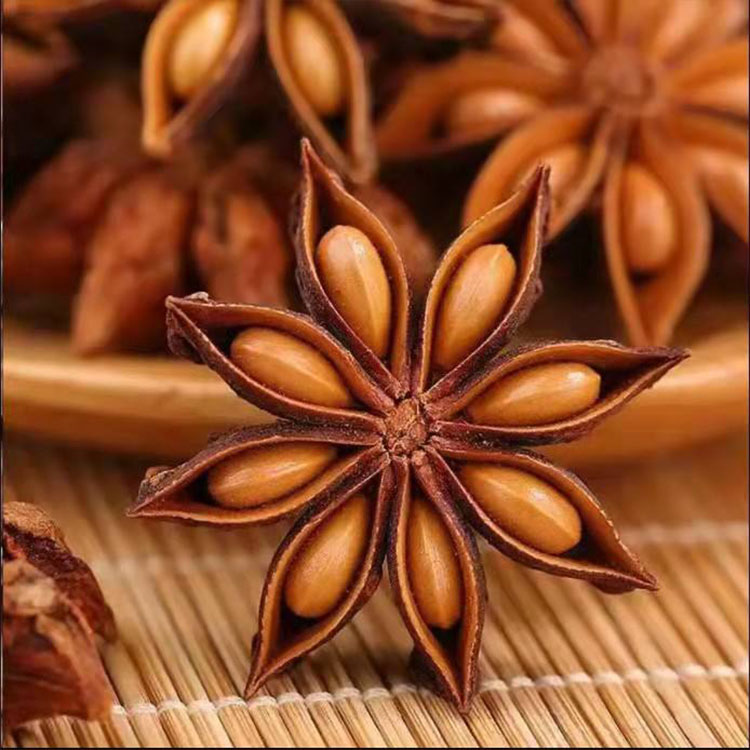
Star anise sourcing is not just “find a star anise supplier and ask for a quote.” It is the discipline of buying Illicium verum with a defined whole-star ratio, controlled broken pods, acceptable foreign matter, export-ready documents, and traceable processing. The product page for Star Anise Ba Jiao Hui Xiang bulk supply correctly identifies the Latin name as Illicium verum, the Pinyin as Ba Jiao Hui Xiang, and the commercial form as whole dried fruit, which is exactly where a serious buyer should begin.
But let’s be blunt. A pretty whole star can still be a bad lot.
The two hard questions are: Can the supplier prove what it is? And can the supplier keep it consistent after the first sample?
Table of Contents
The Export Market Does Not Reward Romantic Buying
The global trade data is noisy because HS 090910 groups “seeds of anise or badian” together, so it is not a pure star anise number. Still, it gives us a useful buying signal. World Bank WITS reported that China exported $96.445 million and 18,469,500 kg of HS 090910 goods in 2024, up from $81.745 million and 13,924,900 kg in 2023. That is not a sleepy category. That is a crowded one where quality claims get copied fast and verified slowly.
Here is the hard truth: cheap star anise is often expensive twice. First when the buyer pays for dead aroma, broken pods, and mixed grades. Then again when a customer, regulator, or distributor asks for documents the supplier never controlled.
The 2005 Tamiflu supply shock is the case study spice buyers should remember. Reuters reported in 2026 that Roche’s Tamiflu production once depended on shikimic acid from star anise, and that shikimic acid prices rose ten-fold in a month when demand surged. That was not a cute food story; it was a reminder that one agricultural raw material can become a pharmaceutical bottleneck when C7H10O5 suddenly matters to global health procurement. Read the Reuters analysis on star anise and supply shocks.
Whole Star Anise Grading: What Buyers Should Actually Measure
Whole star anise pods are judged by shape, color, aroma, dryness, species identity, and cleanliness. I would rather buy a slightly dull-looking lot with honest test reports than a photogenic shipment with no lot trail.
That sounds harsh. Good.
For food, tea, spice blends, and herbal product manufacturing, Fruit and Seed Chinese medicinal ingredients are not decorative commodities. They sit inside formulas, labels, export documents, and customer complaints. The same logic applies if you are sourcing from a broader dried spices wholesale supplier and need cinnamon, fennel, cardamom, Sichuan pepper, and star anise to follow one coherent quality system.
Quality checkpoint
Buyer-grade target
What it exposes
My opinion
Whole-star ratio
85–95%+ depending on contract
Breakage during drying, packing, and transport
Below 80%, stop calling it premium whole star anise
Broken pods
Usually capped at 5–10%
Rough handling, weak packaging, old stock
Broken is not evil; hidden broken is
Foreign matter
Buyer-specific, often ≤1%
Sorting quality, farm hygiene, warehouse control
This is where sloppy suppliers reveal themselves
Moisture
Must be low enough to prevent mold risk
Drying discipline and storage conditions
Moisture arguments usually start after bad storage
Species identity
Illicium verum only
Adulteration or dangerous substitution
Non-negotiable
Aroma
Strong anethole-like licorice note
Age, volatile oil retention, storage
Aroma is useful, but it is not a lab test
Documents
COA, pesticide screen, heavy metals, microbiology, origin, batch code
Export readiness
No documents, no serious deal
Do not buy only from photos. Ask for a short inspection video showing the same lot under neutral light, not a polished sample tray. Ask the supplier to scoop from at least three bags. Then ask for the batch code.
That last part makes people uncomfortable. It should.
The Safety Problem Nobody Wants to Put in the Sales Brochure
The dangerous lookalike issue is real. The U.S. FDA’s 2003 enforcement archive said the agency advised the public not to consume tea brewed from star anise while it was unable to differentiate Japanese and Chinese star anise in the relevant products, and it monitored imports to prevent Japanese star anise from being represented for food use. Japanese star anise is Illicium anisatum; Chinese star anise is Illicium verum. One belongs in commerce as food-grade star anise.
And here is where I get opinionated: a supplier who says “our workers can tell by smell” is not giving you a quality system. They are giving you folklore.
For export quality standards, species verification should be treated like a gatekeeping step, especially when the shipment is destined for food, tea, nutraceutical, or herbal retail channels. Morphology helps. Odor helps. But when the lot value is high or the buyer market is strict, ask for documented identity control.
The microbiology side is just as unforgiving. FDA’s spice risk profile found Salmonella positives in multiple imported spice categories during FY2012–FY2015, including black pepper, coriander, cumin, oregano, red pepper, and whole sesame seed. That table is not star-anise-specific, but it tells buyers something uncomfortable: dried spices are low-moisture products, not magic products. Low moisture does not mean zero risk.
Codex says the quiet part clearly. For spices and dried culinary herbs used without a lethality step, testing for pathogens such as Salmonella should be considered, and products in which Salmonella is detected should not be used unless subjected to effective microbial reduction treatment. It also recommends protective, non-porous containers and warns that spraying dried culinary herbs or spices with water to prevent breakage can create mold or pathogen growth risk. See Codex CXC 75-2015 on low-moisture food hygiene.
How to Source Star Anise Without Getting Sold the Sample
The sample is theater. The repeat shipment is the truth.
When I evaluate a star anise supplier, I look past the opening quote and ask how the supplier behaves under friction. Can they explain the origin? Can they separate whole grade from broken grade? Can they provide COA reports, pesticide residue testing, heavy metals, microbiological testing, and export documents? Can they support smaller trial orders before pushing a full container?
This is where a buyer should read the supplier’s wider operating model, not only one product page. A site with a wholesale guide for importing herbal slices from China gives procurement teams a better starting point because it frames customs, quality specs, batch randomness, and documentation as normal buying problems, not after-sales excuses.
My Practical Supplier Screening Checklist
Ask these before paying:
Is the product confirmed as Illicium verum?
What is the contracted whole-star ratio?
What percentage of broken pods is allowed?
What is the maximum foreign matter limit?
What is the moisture specification?
Is the lot fumigated, steam-treated, irradiated, or untreated?
Can the supplier provide pesticide, heavy metal, and microbiology results?
Are cartons lined with food-grade inner bags?
Is the quote for the same grade as the sample?
Can the supplier photograph and video the actual lot before shipment?
Small question. Big difference.
If a supplier resists these questions, they are not protecting trade secrets. They are protecting weak process control.
Whole Shape Standards: Why “Eight Points” Is Not Enough
Many buyers talk about eight-point star anise like it is the whole standard. It is not.
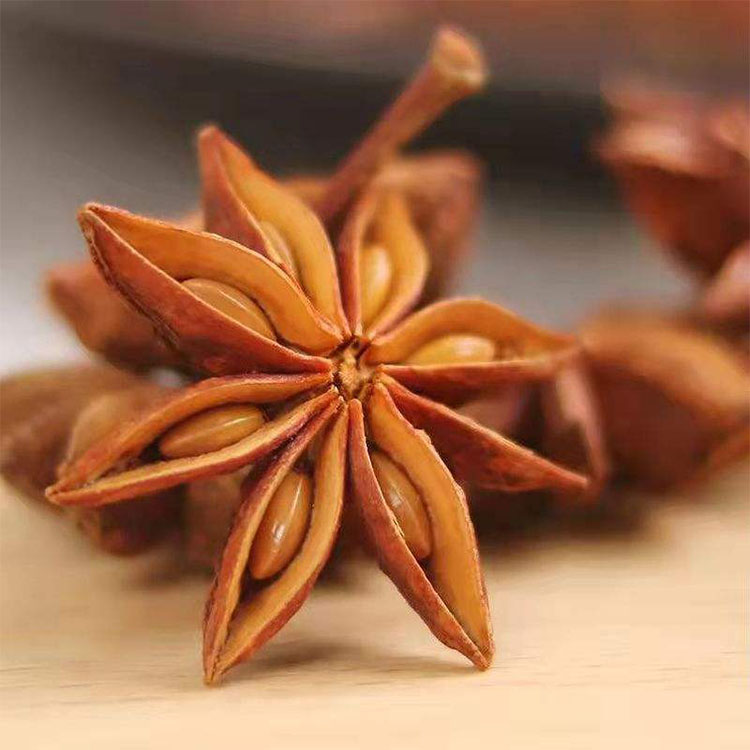
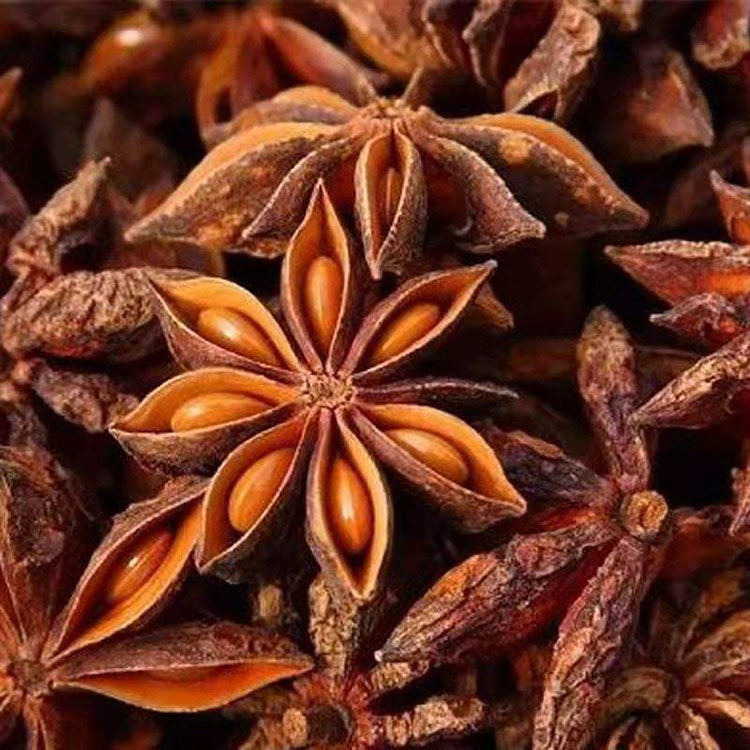
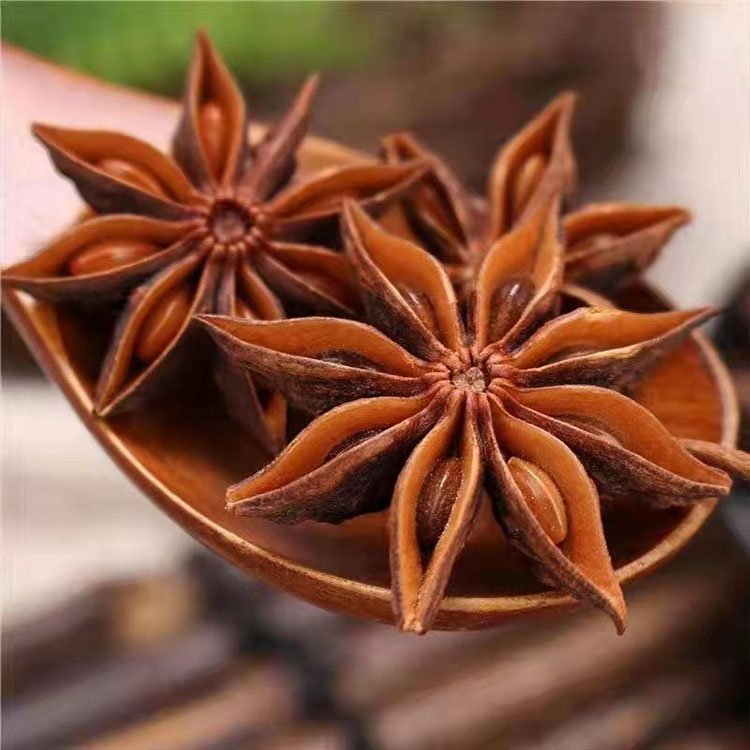
Yes, good whole star anise usually shows a recognizable star shape with firm follicles, reddish-brown to dark brown color, and a strong sweet licorice aroma associated with anethole, C10H12O. The target site’s product description also emphasizes whole dried fruit, star-shaped appearance, and dark brown to reddish-brown color on its Ba Jiao Hui Xiang product page.
But a professional buyer should not treat “eight points” as a passport.
Some export buyers want large, symmetrical pods for retail jars. Others accept smaller whole pods for spice bags, tea blends, or extraction. A food-service buyer may care more about aroma and cleanliness than visual perfection. A premium retail brand may reject a lot that is perfectly safe but visually inconsistent.
So the right sourcing question is not “Is it best quality whole star anise?”
The right question is: “Best for which channel, which customer, which label, which inspection rule, and which price point?”
Export Quality Documents That Separate Suppliers From Traders
Export quality is paperwork plus product reality. One without the other is a risk.
For star anise export quality standards, I would expect a serious supplier to provide, at minimum, batch-linked documents covering product name, Latin name, origin, net weight, production date, expiry or best-before date, packaging format, and test reports. For food and herbal brands, the expected quality file often includes pesticide residue screening, heavy metals, aflatoxin or mycotoxin controls where relevant, microbiological testing, and a COA matched to the actual lot.
The Codex Code of Hygienic Practice for Spices and Dried Aromatic Herbs defines spices and dried aromatic herbs as dried plant components used for flavoring, coloring, and aroma, and it applies to whole, broken, ground, and blended forms. It also stresses environmental hygiene, contamination control from animals and humans, and Good Agricultural Practices. See Codex CAC/RCP 42-1995 on spices and dried aromatic herbs.
This is why a supplier’s category infrastructure matters. A company handling traditional Chinese medicine herbs and spices under one quality logic has an advantage over a trader who only appears when market prices move. And if you need a quote, samples, or private-label packaging, the most direct next step is usually the GuoCao contact page, not another week of comparing anonymous marketplace photos.
FAQs
What is star anise sourcing?
Star anise sourcing is the commercial process of selecting, verifying, grading, testing, pricing, and importing Illicium verum whole pods or broken material from qualified suppliers for use in spices, teas, food manufacturing, herbal products, extraction, or resale. It includes origin checks, lot inspection, export documents, and safety testing.
In plain English, it is how you stop buying a beautiful sample and start buying a controlled shipment. The strongest buyers define whole-star ratio, broken rate, moisture, foreign matter, microbiology, pesticide residues, and packaging before price negotiation gets serious.
How do you identify best quality whole star anise?
Best quality whole star anise is generally identified by intact star-shaped pods, clean reddish-brown to dark-brown color, strong sweet licorice aroma, low broken content, low foreign matter, correct Illicium verum identity, suitable dryness, and batch-linked test documents proving the lot is export-ready.
I do not trust appearance alone. A clean, whole pod still needs identity control, moisture discipline, and supplier traceability. If the buyer’s market is strict, ask for COA, pesticide, heavy metals, and microbiology reports before treating the lot as premium.
What export quality standards matter most for whole star anise pods?
The most important export quality standards for whole star anise pods are species identity, whole-star ratio, broken-pod percentage, moisture control, foreign matter limits, pesticide residue compliance, heavy metal limits, microbiological safety, packaging integrity, batch traceability, and accurate documents that match the actual shipment.
The mistake is treating export quality as one certificate. It is not. It is a chain of controls from harvest to drying, sorting, packing, testing, and shipping. One weak link can turn a profitable order into a customs, distributor, or customer complaint.
How do you source star anise from a supplier safely?
To source star anise safely, define the grade first, request an actual-lot sample, verify Illicium verum, demand batch-linked test reports, confirm whole and broken percentages, check packaging, review export documents, and place a controlled trial order before scaling into larger wholesale or container volumes.
The safest buyer is not the one who asks the most questions. It is the one who asks questions in the right order. Product identity comes before price. Lot quality comes before marketing language. Repeatability comes before promises.
Why does whole shape affect star anise export value?
Whole shape affects star anise export value because intact pods signal better sorting, gentler drying, cleaner packing, stronger retail appearance, and lower dust or fragment content, especially for visible applications such as jars, tea blends, premium spice packs, food-service packs, and giftable culinary products.
But shape is not everything. Whole pods can still be old, weak, contaminated, or poorly documented. For serious sourcing, whole shape should raise interest, not end the inspection.
Final Thoughts: Ask for the Lot Before You Ask for the Discount
Star anise sourcing rewards disciplined buyers. Not hopeful ones.
If you are buying whole star anise pods for export, retail spice packing, tea formulas, seasoning blends, or herbal product manufacturing, stop leading with “best price.” Lead with grade, lot photos, whole-star ratio, broken control, species identity, COA, pesticide screen, microbiology, heavy metals, packaging, and lead time.
Then talk price.
For a direct sourcing discussion, request a current-lot quote through the Star Anise Ba Jiao Hui Xiang supplier page or contact the team through GuoCao’s wholesale inquiry page. Ask for the actual lot. Ask for the documents. Ask what happens if the shipment does not match the sample. That is where the real supplier shows up.
Our low MOQ of 1 kg (2.2 lb) makes it easy to order Chinese herbal slices or wholesale Chinese medicine herbs. Private-label and bilingual labeling are also available.
Delivery Cycle & Support
We have a fast 7-day lead time. We provide free samples, COA reports, and technical support to help you bring high-quality bulk Chinese herbs to market.
Quality & Certifications
Our products are manufactured in a GMP-certified facility and meet ISO22000 standards. All Chinese herbs are third-party tested for heavy metals, pesticides, and microorganisms.