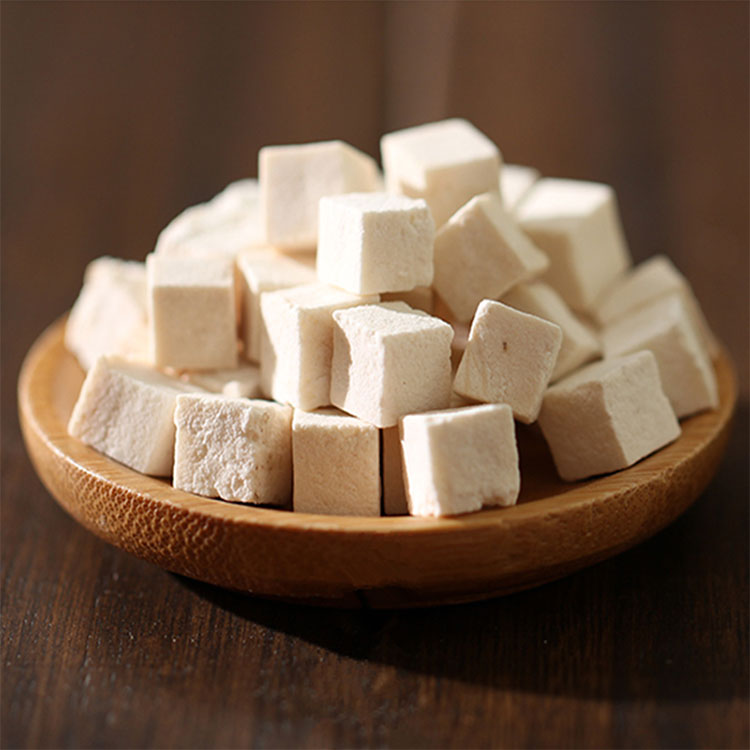
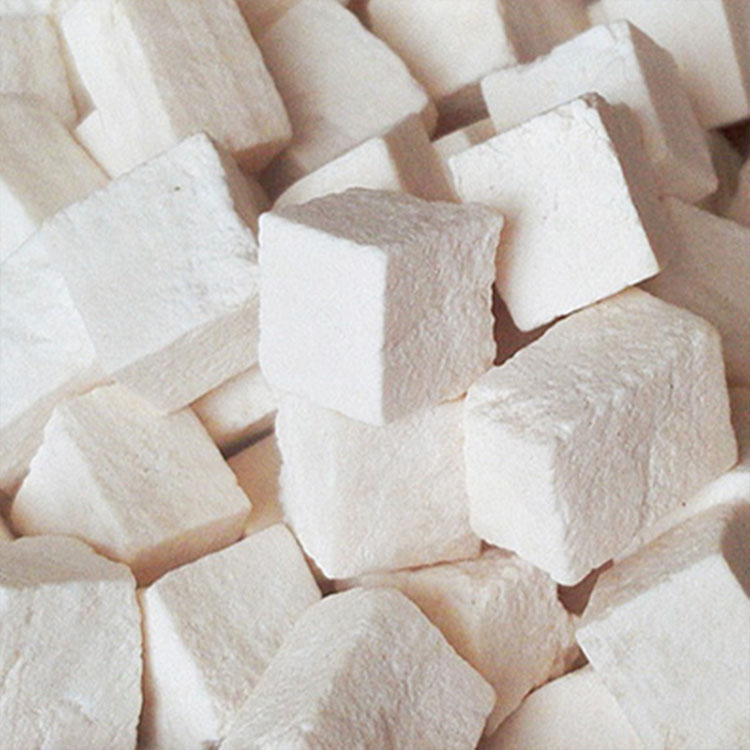
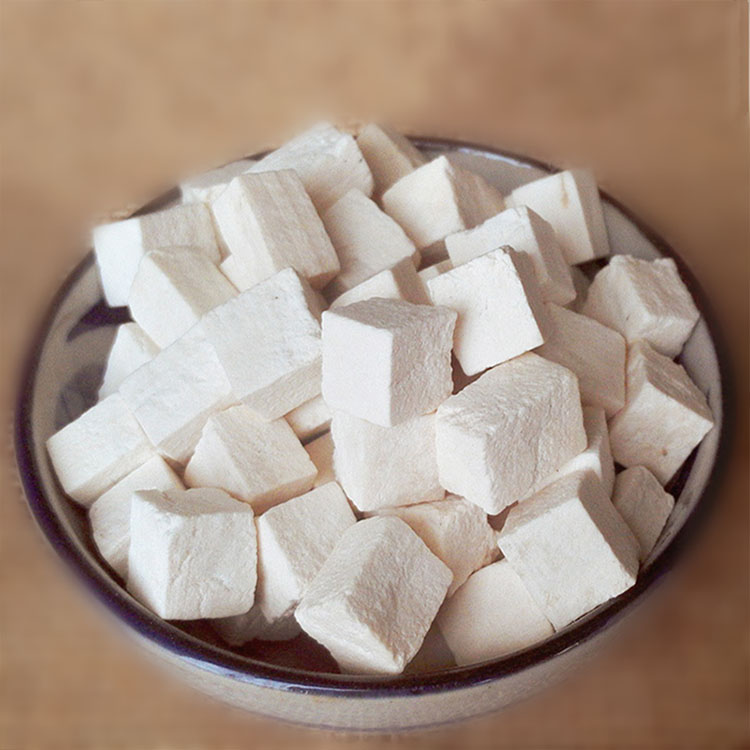
Clean color means nothing. In the herb trade, the real fight is against invisible contamination that shows up in storage, transit, customs, and finished-product release. Here is where mycotoxin testing actually earns money, prevents recalls, and separates disciplined suppliers from polished sales talk.
I have seen herb lots arrive with gorgeous color, low visible dust, and packaging neat enough to impress a buyer on the first video call, yet the same lots later turned into hold notices, retesting bills, and supplier arguments because nobody took mycotoxin testing seriously at intake, during drying, or before export release. Why do so many teams still act surprised when mold chemistry ignores marketing?
That is the hard truth. Mycotoxin testing is not a lab-side accessory for premium brands. It is part of margin protection, customs survival, and batch credibility. The World Health Organization is blunt: mycotoxins can grow before harvest or after harvest during storage, they are chemically stable, and many survive processing; FDA says its current monitoring focus includes aflatoxins, ochratoxin A, T-2, HT-2, fumonisins, DON, and zearalenone.
Where mycotoxin testing actually matters in the herb business
Incoming botanicals are the first trap
Start upstream.
If you are buying bulk roots, seeds, bark, flowers, or powders, the biggest mistake is treating the supplier COA like a finished truth instead of a starting claim, because contamination is heterogeneous, lot-to-lot drift is normal, and one “clean” retention sample tells you very little about the worst pocket in a 500 kg shipment. So why do buyers still sample like they are inspecting cosmetics, not agricultural risk?
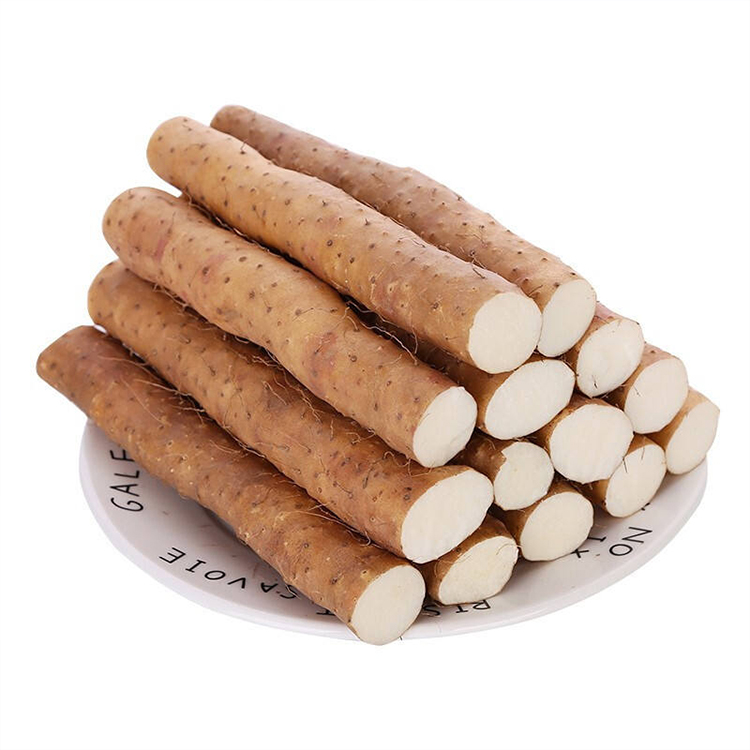
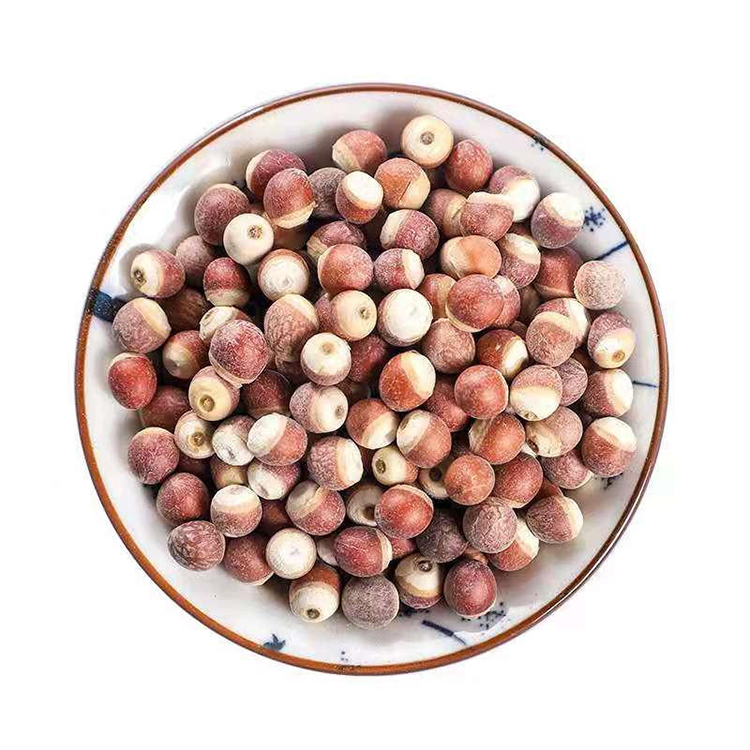
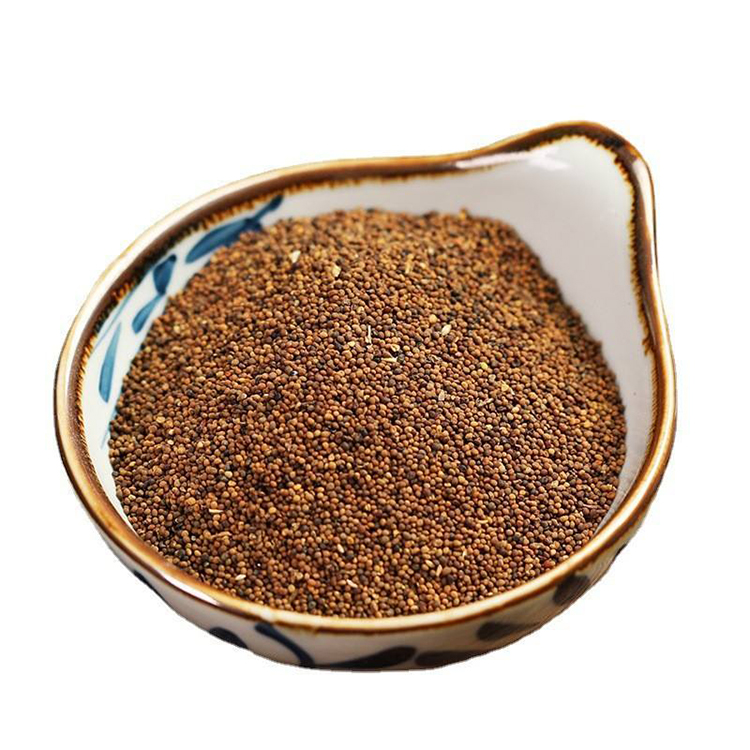
This is where mycotoxin testing in herbs should begin: at intake, before the lot is blended, milled, or cut into something harder to challenge later. Seed-heavy materials and spice-adjacent items deserve extra suspicion. That is why the site’s fruit and seed Chinese medicines section matters commercially, and why root materials in the root and rhizome Chinese medicines section should not get a free pass just because they look dry and old-fashioned.
Drying and storage create the silent failure window
Moisture bites back.
The trade loves harvest stories, but many lots go bad after harvest, when drying is rushed, warehouse zoning is sloppy, liners sweat in transit, or sliced material picks up enough water activity to feed fungal activity without showing obvious visible spoilage to a rushed buyer or warehouse supervisor. Isn’t it amazing how often “unexpected contamination” is just bad storage wearing a polite mask?
That is why I treat herb industry quality control testing as a chain, not a single event. Intake test. Post-drying verification. Pre-export release. And yes, retest after long storage if the material is hygroscopic, powdered, or moving through humid ports. The site’s own processing methods for herbal slices article gets one thing very right: drying, slice thickness, sulfite status, and storage stability are commercial variables, not academic ones.
OEM and finished-product release are where weak systems get exposed
No more guessing.
Once raw herbs are turned into tea bags, powders, capsules, extracts, or private-label SKUs, the cost of being wrong jumps fast, because now you are not only managing contamination risk but also release documentation, market claims, importer verification, and customer confidence after money has already been spent on processing, labels, and freight. Why do so many companies wait until this expensive stage to ask basic questions about aflatoxin and OTA?
If you run contract manufacturing or private label, aflatoxin testing for herbal products and mycotoxin analysis in botanicals should sit beside identity, heavy metals, pesticides, and microbiology in the release packet. The FDA has already moved its human-food laboratories to a multi-mycotoxin LC-MS/MS method for simultaneous quantification of twelve mycotoxins, which tells you where the analytical standard is heading, whether smaller brands like it or not. (U.S. Food and Drug Administration) If your supply chain ends in custom blends or retail packs, the site’s custom Chinese herbal and spice solutions page is the relevant internal bridge, because private-label work without contaminant control is just outsourced liability.
The data the trade prefers not to discuss
The numbers sting.
A 2025 study on medicinal herbs reported that 17 mycotoxins were detected across 260 samples, with an 86.2% detection rate, mostly linked to Aspergillus species; a 2019 PubMed-indexed ginger study found summer samples with aflatoxins and ochratoxin A at levels above legally permissible limits; and a 2020 review noted that aflatoxins and ochratoxin A are the mycotoxins most often described in herbal products. If that does not change your supplier approval logic, what will?
And the enforcement trail is not theoretical. In the EU’s RASFF system, Germany logged Notification 2023.6513 for ochratoxin A in organic dandelion root on 26 September 2023, Greece logged Notification 2024.3959 for aflatoxins in nutmeg from Indonesia on 22 May 2024, and the Netherlands logged Notification 2025.3582 for aflatoxins in Indonesian nutmeg shrivels on 14 May 2025. Those are not lab curiosities. They are border-facing commercial failures.
The legal message is even clearer. The European Commission states that food containing contaminants at unacceptable toxicological levels shall not be placed on the market, and it points directly to Commission Regulation (EU) 2023/915 for maximum contaminant levels. FDA is just as plain: it may consider human food with total aflatoxins above 20 µg/kg (20 ppb) adulterated, and in a warning letter to Lone Star Botanicals, it said mycotoxins in white pepper, cayenne pepper, and paprika were a known or reasonably foreseeable hazard requiring preventive controls and supplier verification.
Best mycotoxin testing methods for herbal supplements
Fancy instruments do not save bad sampling.
I say that because too many people ask for the “best mycotoxin testing methods for herbal supplements” as if the answer were a single machine, when the real answer is a chain of decisions: matrix selection, incremental sampling, grind homogeneity, extraction cleanup, screening logic, and confirmation thresholds. Isn’t it strange how often the weakest part of the program is the part nobody budgets for?
Here is the blunt version I use:
Method
What it does well
Where it fails
Speed
Cost level
Best application in the herb industry
ELISA
Fast screening for targeted toxins such as AFB1 or total aflatoxins
Solid quantitation for selected aflatoxins and some established methods
Narrower scope than multi-toxin mass spectrometry, more method-specific setup
Medium
Medium
Routine targeted testing when the toxin list is limited and the matrix is stable
LC-MS/MS
Broad, high-specificity multi-mycotoxin detection and confirmation
Higher method complexity, instrument cost, and cleanup demands
Medium
High
Final release, dispute resolution, export compliance, high-risk powdered or blended botanicals
My opinion is not subtle. For modern mycotoxin analysis in botanicals, LC-MS/MS is where serious programs end up, especially when a product contains mixed herbs, powders, roots plus seeds, or formulation complexity that makes single-analyte logic look outdated. FDA says its labs have transitioned to a validated multi-mycotoxin LC-MS/MS method, and recent NIH-indexed literature on herbs, spices, and supplements describes LC-MS/MS as the gold standard for detection.
But do not misunderstand me. ELISA still has a job. I use it as a gatekeeper, not a judge. Fast screening can save time and money when used to reject obvious problems early. It just should not be the only shield standing between your batch and the market.
What smart herb companies test for now
Test by risk.
A seed-rich botanical, a root held through humid transit, a powder destined for capsules, and a blended herbal tea do not carry the same contamination profile, yet many factories still run one lazy panel across everything because uniform paperwork feels tidy even when the risk is not. Why pretend all botanicals fail the same way?
This is the framework I trust:
At raw-material intake: targeted aflatoxin testing for herbal products with supplier history review and moisture check.
After drying or slicing: check whether process control actually protected the lot, especially for powders and tea-cut material.
Before export or batch release: use confirmatory testing, ideally LC-MS/MS for high-risk or mixed formulas.
After long storage or route disruption: retest suspect lots instead of worshipping stale paperwork.
And I would add one more rule. If a supplier talks beautifully about “authentic origin” but cannot explain sampling plan, retention policy, lot genealogy, and reconditioning rules, I assume the QA system is thinner than the brochure.
FAQs
What is mycotoxin testing in herbs?
Mycotoxin testing in herbs is the analytical process used to detect and quantify toxic fungal metabolites, especially aflatoxins and ochratoxin A, in raw botanicals, sliced herbs, powders, teas, extracts, and finished supplements so that unsafe lots are identified before blending, export, release, or retail sale.
In practice, it is not one test. It is a control program tied to sourcing, storage, drying, and finished-product release.
How to test herbs for mycotoxins?
Testing herbs for mycotoxins means collecting representative incremental samples from a defined batch, homogenizing the material, extracting the toxins with a validated method, screening with a fit-for-purpose assay such as ELISA when needed, and confirming or broadly quantifying contamination with chromatographic methods such as HPLC-FLD or LC-MS/MS.
The sampling plan matters as much as the instrument. Poor sampling makes beautiful data worthless.
What is the best mycotoxin testing method for herbal supplements?
The best mycotoxin testing method for herbal supplements is usually a risk-based combination in which rapid screening is used for intake or triage while validated LC-MS/MS is used for confirmatory, release, export, or dispute testing, especially when the product contains multiple botanicals, powders, or mixed matrices.
I would not rely on one cheap screen for a high-value export batch. That is false economy.
Why are aflatoxin testing and ochratoxin A testing both needed in medicinal herbs?
Aflatoxin testing and ochratoxin A testing are both needed in medicinal herbs because the toxins can arise from different fungal behaviors, storage histories, and commodity risks, and because a batch that looks acceptable for one toxin group may still fail on another, especially in dried roots, seeds, spices, teas, and blended botanicals.
This is why ochratoxin A testing in medicinal herbs should not be treated as an optional add-on after aflatoxin data comes back clean.
Can a clean-looking herbal batch still fail mycotoxin limits?
A clean-looking herbal batch can absolutely fail mycotoxin limits because toxin formation may occur without dramatic visible mold, contamination can be unevenly distributed across the lot, and drying or storage abuse can leave behind chemically stable toxins even when the material still appears saleable to an untrained buyer.
I have more faith in a hard COA plus good sampling than in color, aroma, or supplier confidence.
Your next move
Be stricter now.
If you are buying, processing, or private-labeling herbs, stop asking whether mycotoxin testing is necessary and start asking where your current program is weakest: intake sampling, storage control, supplier verification, or final release confirmation. That is where money is leaking. That is where future claims will come from. And that is where disciplined companies quietly separate themselves from the ones still selling reassurance instead of control.
My view is simple: in the herb industry, the companies that test early, sample properly, and document everything do not just avoid trouble. They win the business from the people who thought “natural” was enough.
Our low MOQ of 1 kg (2.2 lb) makes it easy to order Chinese herbal slices or wholesale Chinese medicine herbs. Private-label and bilingual labeling are also available.
Delivery Cycle & Support
We have a fast 7-day lead time. We provide free samples, COA reports, and technical support to help you bring high-quality bulk Chinese herbs to market.
Quality & Certifications
Our products are manufactured in a GMP-certified facility and meet ISO22000 standards. All Chinese herbs are third-party tested for heavy metals, pesticides, and microorganisms.