Processing Methods for Herbal Slices and Their Effects
Processing methods for herbal slices are not cosmetic. They change chemistry, bioavailability, toxicity, storage stability, and market risk. I break down what cutting, drying, stir-frying, steaming, honey-processing, wine-processing, vinegar-processing, salt-processing, and sulfur fumigation really do—and where the industry still gets it badly wrong.
I have watched too many buyers, brand owners, and even practitioners stare at a clean-looking lot of Chinese herbal slices, praise the color and uniformity, and completely miss the things that actually move efficacy and risk: cut window, drying curve, sulfite status, marker retention, moisture drift, and traceability back to the field or incoming lot. Does a bright slice help anyone if the chemistry has already been pushed off target?
That is the hard truth.
In traditional Chinese medicine, paozhi processing is not a decorative ritual but a technical system of cutting, heating, steaming, frying, and using adjuncts such as honey, vinegar, salt, wine, or ginger juice to change how a crude herb behaves in extraction, storage, and use; and yes, modern research keeps confirming that these steps can alter composition and biological activity in measurable ways. Why are we still pretending this is just “old wisdom” instead of process engineering with cultural memory attached?
The processing methods that actually change herbal slices
Cutting and slice thickness are not minor details
Thickness changes extraction.
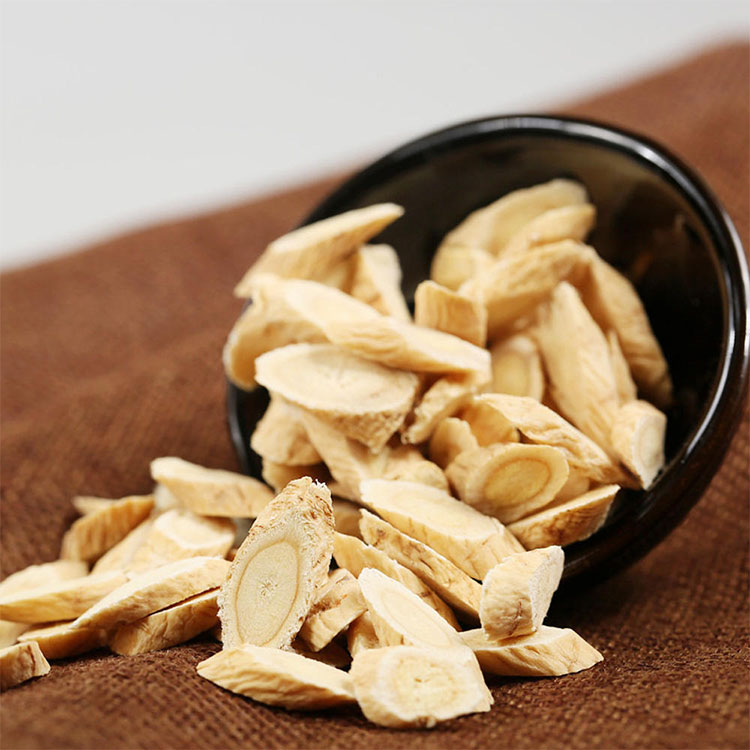
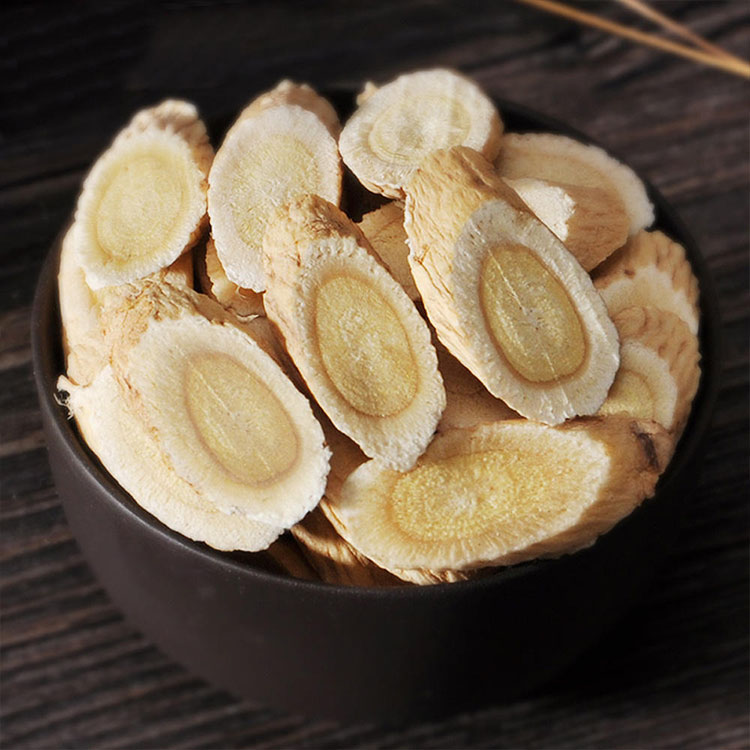
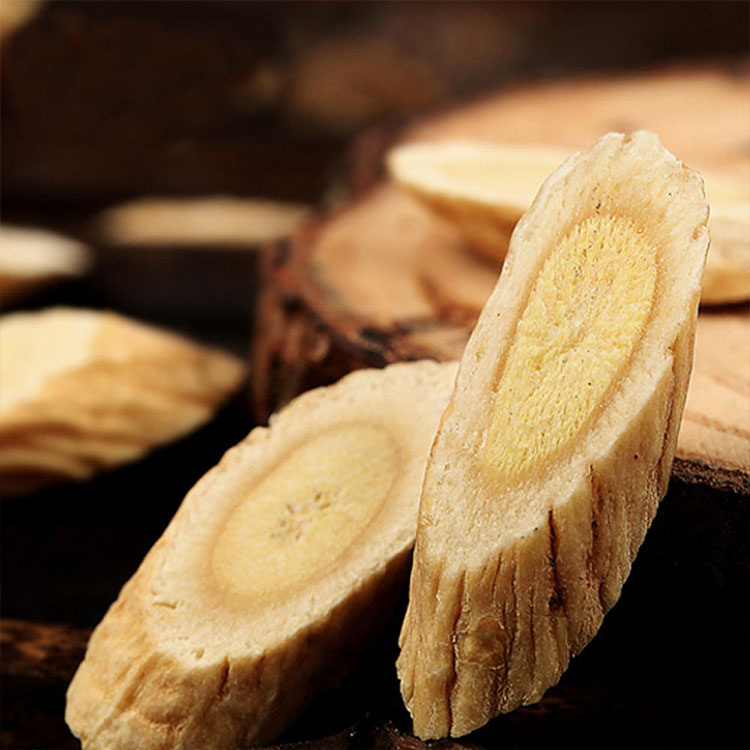
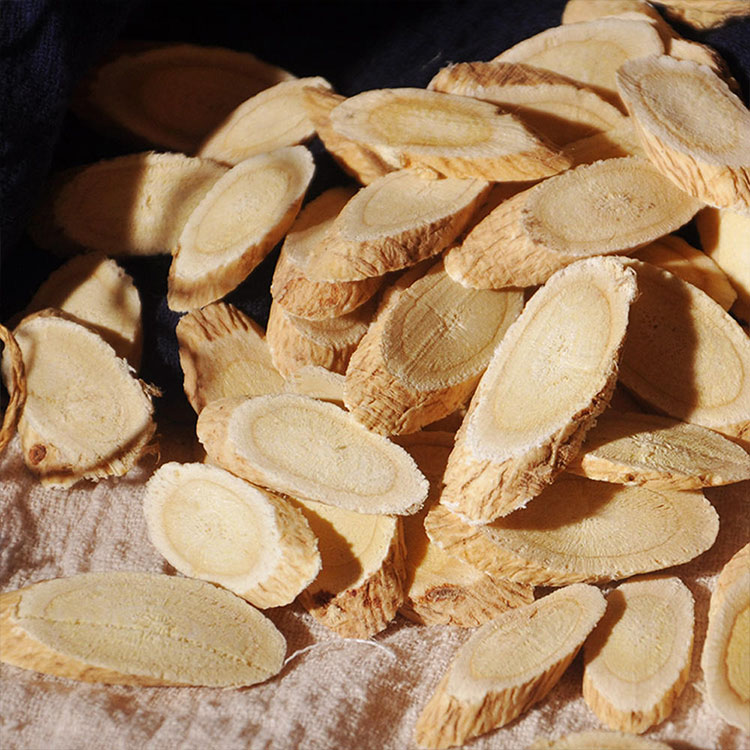
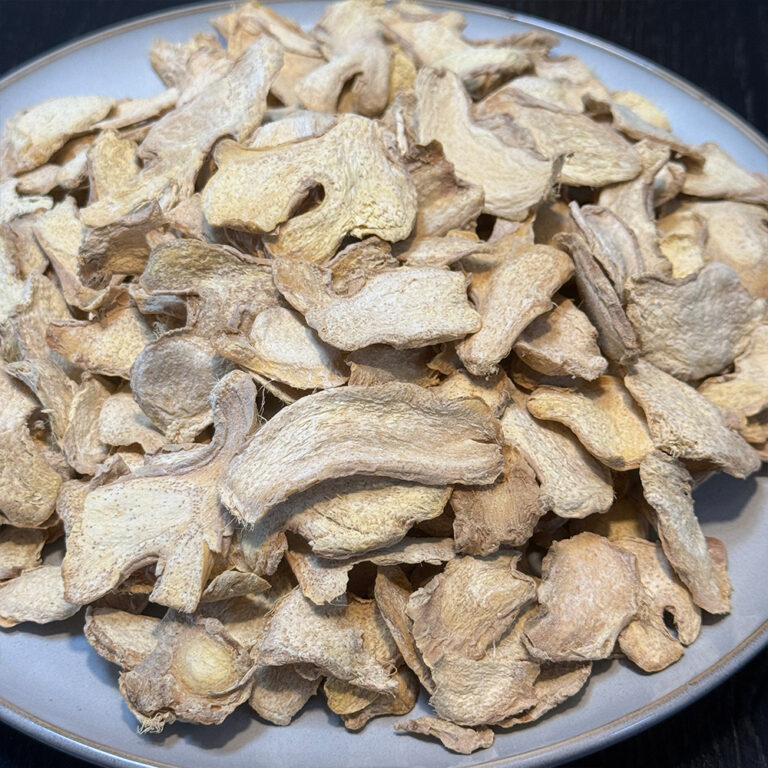
The site’s own decoction-piece guide gives useful working bands—thin slices at 1–2 mm, thick slices at 2–4 mm, segment pieces around 5–10 mm, and dice or blocks around 8–12 mm—and that matters because thinner pieces increase exposed surface area and wet faster, while thicker pieces protect structure and aroma during longer boiling or rougher handling. So when somebody says “a slice is a slice,” I know they have never had to defend a failed batch or a drifting brew profile.
Drying is where shelf life and chemistry start fighting each other
Moisture bites back.
A herbal slice that is under-dried carries microbiological and mold risk, while one that is over-dried can crack, powder, lose aroma, and create ugly fill-weight variation in packaging or tea-cut applications; that is why serious operators tie moisture windows to shipping routes, packaging choices, and storage zoning rather than treating drying as the last boring step before boxing. Isn’t it strange how often the profit leak shows up in the warehouse, not the formula?
Honey, wine, vinegar, and salt processing can redirect performance
Adjuncts matter.
A 2024 PubMed-indexed study on honey-processed Astragalus reported that honey-processed Astragalus polysaccharides improved symptom scores, spleen and thymus indices, inflammatory cytokines such as TNF-α and IL-1β, and intestinal mucosal SIgA in mice with spleen Qi deficiency, while the paper also states that honey-processed Astragalus shows stronger Qi-tonifying efficacy than the raw product. That is not mystical language to me; it is a reminder that the processing medium can reframe the biological profile.
And the signal is broader than one paper.
A 2025 study on Astragali Radix processing methods found that salt-, wine-, and honey-stir-fried processing altered Astragalus polysaccharide structure and affected bidirectional immunomodulatory activity, which is exactly why “best processing method for Chinese herbs” is usually the wrong question; the better question is, best for what endpoint, under what formulation logic, and with what marker loss tolerated?
Steaming and heat treatment can help, but only when controlled
Heat is selective.
Thermal processing in paozhi has long been used to moderate harshness, reduce toxicity, shift organoleptic behavior, and change extraction outcomes, but once temperature, duration, and adjunct ratio drift, you stop doing processing and start doing damage; and in export work, damage is rarely announced by the seller, it just shows up later as weak extraction, buyer complaints, or a failed spec review. I have very little patience for factories that talk about “traditional expertise” but cannot show a time-temperature range or a retained marker profile.
Sulfur fumigation is where bad habits become visible
This one irritates me.
A 2025 NIH-hosted review on sulfur fumigation notes that in Angelica sinensis (Dang Gui), sulfur fumigation can reduce ferulic acid by more than 50%, while a 2024 chemical profiling study on Angelicae Dahuricae Radix found significant decreases in byakangelicol, oxypeucedanin, L-proline, and L-arginine after sulfur fumigation. If a method makes the lot look cleaner but strips actives and complicates compliance, why are we still treating it like a harmless finishing trick?
What the evidence says when you strip away the sales talk
Here is the cleaner way to look at herbal processing methods and their effects. The table below is not folklore. It is the operating reality I would use when evaluating Chinese herbal slices for clinical, retail, or OEM use.
Processing method
What it changes first
Where it helps
What goes wrong when it is done badly
Thin vs thick slicing
Surface area, wetting speed, fines level
Decoction pieces, tea-cut, extraction prep
Weak consistency, excess powder, uneven brewing
Controlled drying
Moisture, micro risk, aroma retention
Export lots, longer transit, stable warehousing
Mold growth, odor loss, broken slices
Honey / wine / vinegar / salt paozhi
Solubility, structure, direction of effect
Formula-specific positioning and traditional processing goals
Fake standardization, no reproducible outcome
Steaming / stir-frying / carbonizing
Heat transformation and toxicity moderation
Herbs that need tempering or redirected action
Marker loss, over-char, batch drift
Sulfur fumigation
Color, brightness, superficial appearance
Mostly cosmetic preservation logic
Altered chemistry, sulfite burden, buyer distrust
My strong opinion? A supplier who cannot explain the table above in process terms does not really understand herbal slice processing. They may understand sales. That is different.
Compliance gets real when one bad lot hits customs or harms a user
Regulators do not care.
The EMA’s 2025 revision of its GACP guideline is explicit that cultivation, harvesting, collection, and primary processing directly influence the quality of herbal substances, while the agency’s quality guidance for herbal medicinal products ties those materials to dossier-level expectations and GMP discipline. In other words, “traditional” does not exempt you from documentation; it increases the burden because the material is inherently variable.
And when the process or identification fails, the legal record is ugly.
The FDA’s Import Alert 54-10, published on December 10, 2020, authorizes detention without physical examination for bulk or finished products containing aristolochic acid, which the agency describes as a potent carcinogen and nephrotoxin. Hong Kong’s Department of Health recall notice from December 7, 2012 shows the same problem from the market side: a recalled Radix Stephaniae Tetrandrae lot was contaminated with plants from the Aristolochiaceae family, and the department warned that prolonged and excessive use of AA-containing herbs is associated with kidney failure and urinary tract cancer. That is not abstract compliance language. That is what failure looks like in public.
Then there is sulfite disclosure.
Under 21 CFR 101.100, 10 ppm or more of sulfiting agent in the finished food triggers labeling in the U.S., which means sulfur-fumigated material is not just a process issue but a labeling and border-risk issue as well; and if you are building export-ready decoction pieces, that is why the site’s pages on quality standards and importing Chinese herbs to the US and EU matter more than generic product catalogs. Paperwork is part of efficacy now.
What I would demand from any supplier before I trust the lot
Ask harder questions.
I would want the cut specification, the drying regime, the moisture target, the microbial panel, the heavy-metal panel for Pb/Cd/As/Hg, the sulfite statement, the lot code logic, and proof that in-process controls exist before final release; and if the supplier talks endlessly about origin stories but cannot show a master spec, a golden sample, or a release-vs-hold system, I would treat that as a red flag, not a charming cultural difference. Why gamble on process opacity when the consequences are so predictable?
I would also look for evidence that traceability is real, not brochure filler. The site’s GuoCao story on traceability says its ERP mapping system has been in place since June 2020, covering intake through dispatch, and that kind of lot-level visibility is not glamorous, but it is exactly what separates a process-managed herbal business from a shiny trading operation. The companies that survive scale are rarely the loudest. They are the most documented.
FAQs
What are herbal processing methods?
Herbal processing methods are the controlled physical and chemical steps used after harvest—such as cutting, drying, stir-frying, steaming, carbonizing, or treating herbs with honey, wine, vinegar, salt, or ginger juice—to change extraction behavior, reduce risk, improve storage stability, and shape the final therapeutic or commercial profile of the herb.
In plain English, they determine whether the herb behaves like raw material, decoction piece, extraction input, or regulatory headache. I do not treat them as optional finishing steps.
What is paozhi processing in Chinese herbal medicine?
Paozhi processing is the traditional Chinese medicine system of preparing crude herbs through cutting, heating, steaming, stir-frying, adjunct treatment, and related transformations so the herb becomes safer, more stable, more targeted in action, or more suitable for specific formulas, dosage forms, and clinical uses.
The mistake is assuming paozhi is only historical language. Modern papers keep showing measurable shifts in chemistry and bioactivity after those treatments.
How are herbal slices processed?
Herbal slices are processed by first identifying and cleaning the raw botanical material, then cutting it to a defined size, drying it to a controlled moisture range, and in some cases applying adjunct or heat processing—such as honey-frying, wine-frying, steaming, or other paozhi steps—before QC release, labeling, and storage.
For decoction pieces, size specification is not guesswork; the working ranges on this site are already laid out in millimeters, and that affects both extraction and shipping behavior.
What is the best processing method for Chinese herbs?
The best processing method for Chinese herbs is the one that matches the botanical species, intended use, extraction goal, safety profile, and regulatory route, because no single method is universally superior once you account for marker retention, toxicity moderation, moisture control, and end-market requirements.
That answer frustrates people who want one tidy rule. But it is the honest one. Honey-processing may help one herb, while sulfur fumigation may simply create compliance trouble.
Does sulfur fumigation improve or damage herbal slices?
Sulfur fumigation may improve superficial appearance and preservation in the short term, but the evidence shows it can damage chemical composition, reduce key actives, complicate sulfite labeling, and increase market risk, which is why I view it as one of the most overused and under-defended shortcuts in the herbal trade.
If a supplier uses it, I want to see the sulfite data, the rationale, and the market-specific labeling plan immediately. Otherwise I assume trouble is coming.
Why does slice thickness matter in decoction pieces?
Slice thickness matters in decoction pieces because it changes surface area, wetting speed, extraction rate, fines generation, aroma retention, packing behavior, and even how consistently a lot performs during brewing, which means thickness is both a therapeutic variable and a supply-chain control point.
This is why I trust suppliers who speak in cut windows and tolerances, not adjectives. “Premium” is not a spec. 1–2 mm and 2–4 mm are.
Your next move
Be stricter now.
If you are buying, formulating, or writing about Chinese herbal slices, stop asking only where the herb came from and start asking how it was processed, to what spec, under what moisture limit, with what adjunct, under which release rules, and with what evidence that the chemistry still makes sense. Then read the site’s cut-size guide, quality standards article, OEM/ODM workflow, and traceability storage guide as one connected system, not four separate blog posts.
Our low MOQ of 1 kg (2.2 lb) makes it easy to order Chinese herbal slices or wholesale Chinese medicine herbs. Private-label and bilingual labeling are also available.
Delivery Cycle & Support
We have a fast 7-day lead time. We provide free samples, COA reports, and technical support to help you bring high-quality bulk Chinese herbs to market.
Quality & Certifications
Our products are manufactured in a GMP-certified facility and meet ISO22000 standards. All Chinese herbs are third-party tested for heavy metals, pesticides, and microorganisms.