Moutan Bark Sourcing: Core Removal, Slicing and Drying Standards
Moutan Bark quality is not decided by color alone. Core removal, slice thickness, drying discipline, origin control, and lab-backed release data decide whether a lot is useful material or a quiet liability.
When Moutan Bark arrives with a clean cream-white surface, neat curls, and that faint aromatic hit buyers like to talk about, the lot may still be weak, over-dried, under-dried, poorly cored, chemically inconsistent, or simply dressed up for the camera. So why do buyers still approve Mu Dan Pi from photos?
I’ll be blunt: Moutan Bark sourcing is where lazy procurement hides behind old vocabulary. “Cortex Moutan.” “Mu Dan Pi.” “Tree peony root bark.” Nice names. But names do not prove the lot.
The material in question is the root bark of Paeonia suffruticosa / Paeonia × suffruticosa, and modern quality work keeps coming back to two marker compounds buyers should know by heart: paeonol and paeoniflorin. A review of Paeonia × suffruticosa notes that the European Pharmacopoeia 10th edition requires Moutan Cortex to contain at least 2.2% paeonol and 1.1% paeoniflorin; that is the kind of number that belongs in a purchase spec, not buried in a lab file after the shipment lands.
That matters because Moutan Bark is not just “bark.” It is a processed botanical material whose commercial value is shaped by origin, harvesting season, core removal, peeling method, drying curve, storage humidity, and release testing. If the buyer treats those steps as folklore, the supplier will treat the spec as decoration.
Core removal is where the first quiet fraud happens.
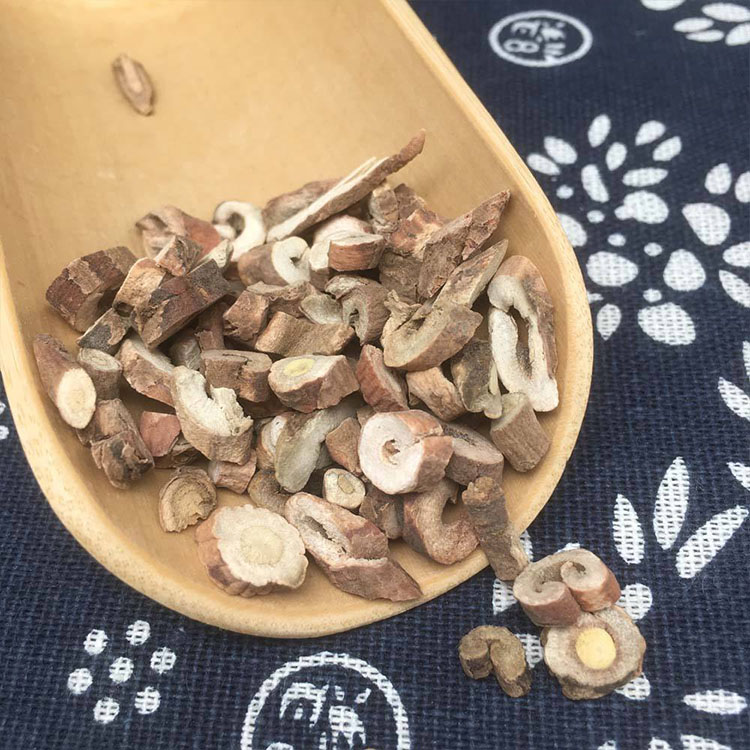
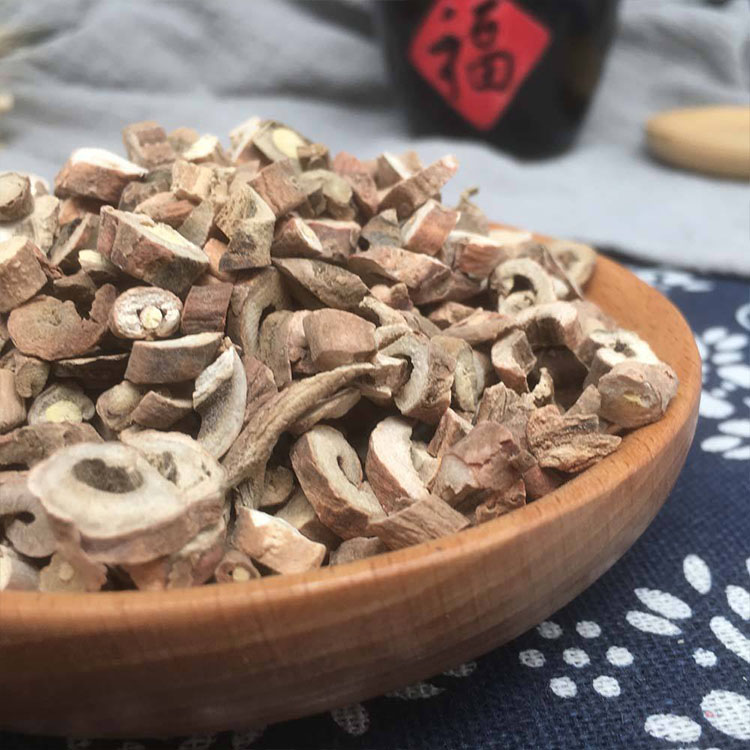
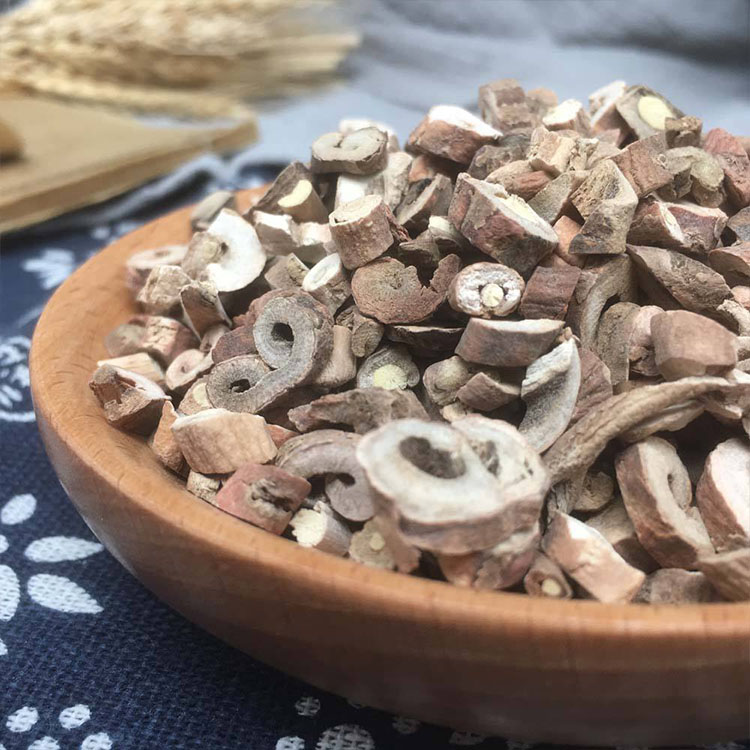
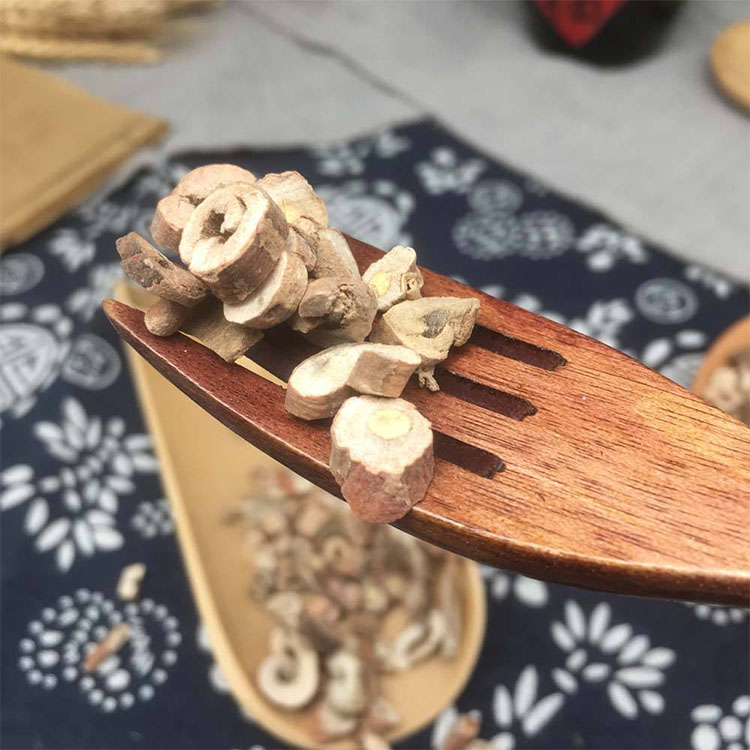
A good Moutan Bark spec should distinguish bark from woody core because the commercial and pharmacognostic target is the root bark, not a woody filler pretending to be useful material. In real buying terms, that means the lot should not carry excessive xylem, oversized hard centers, thick woody strips, or dusty fragments from aggressive scraping.
Here is the hard truth: if your supplier cannot explain how the core is removed, when it is removed, and how the removed-core rate is checked, you are not buying a controlled botanical. You are buying a story.
For Moutan Bark sourcing standards, I would separate three grades before price is even discussed:
Quality Point
Acceptable Lot
Borderline Lot
Reject Lot
Core removal
Clean bark strips with minimal woody core
Visible core in scattered pieces
Heavy woody center, hard strips, filler-like material
Slice form
Uniform curved slices or strips
Mixed sizes but usable
Broken, dusty, uneven fragments
Aroma
Mild characteristic paeonol-like odor
Weak aroma, storage odor slight
Moldy, smoky, sulfur-like, stale
Dryness
Dry but not brittle-powdery
Slight moisture drift, needs retest
Damp, clumped, mold-risk material
Documentation
Lot-specific COA, origin, harvest/process record
Generic COA or weak traceability
No real batch trail
I would not accept “core removed” as a supplier claim unless it is backed by intake photos, in-process inspection, retained samples, and a finished-lot defect limit. This is where a serious Chinese herb supplier audit process becomes useful: the audit should test whether the seller controls the system, not whether the sales team can email a certificate.
And yes, I know this opinion annoys some traders. Good. It should.
Slicing Standards: Thin, Pretty, and Sometimes Wrong
Thin slices sell.
But thin is not always better, and that is where a lot of buyers get trapped. Moutan bark slicing standards should consider extraction behavior, breakage, fines, packaging loss, and inspection visibility. Slice thickness should be written into the purchase order, not negotiated after the container is packed.
The site’s own decoction-piece cut-size guide gives practical working ranges often used for Chinese herbal slices: thin slices around 1–2 mm, thick slices around 2–4 mm, segment pieces around 5–10 mm, and dice or block forms around 8–12 mm. Those bands are useful because “cut” is not a style choice; it changes wetting, extraction, fines, and warehouse handling.
For Moutan Bark, I would usually push for controlled thin-to-medium slicing rather than ultra-thin shaving. Why? Because ultra-thin material may look elegant in a sample bag, but it can create excessive fines, faster aroma loss, and ugly powder accumulation in bulk cartons.
Here is the buyer language I would use:
“Paeonia suffruticosa root bark, core-removed, sliced, clean, dry, characteristic odor, low fines, no visible mold, no sulfur odor, lot-specific COA, marker testing for paeonol and paeoniflorin where applicable, heavy metals, pesticide residues, microbiology, and moisture included.”
Not poetic. Useful.
Drying Standards: Where Good Bark Turns Into Bad Inventory
Moisture wins.
A Moutan Bark drying process that is too gentle can leave hidden moisture in curled bark and thicker fragments; a drying process that is too aggressive can drive brittleness, cracking, aroma loss, and marker-compound degradation risk, especially when the supplier cares more about speed than release quality. Who pays for that mistake later?
Usually the buyer.
Drying should be treated as a controlled step, not an afterthought. For Mu Dan Pi quality standards, I would ask for drying method, drying temperature range if hot-air drying is used, drying duration, final moisture or loss-on-drying value, rehydration or visual inspection notes, and storage conditions after drying.
This is not paranoia. The European Commission’s 2024 Alert and Cooperation Network report recorded 9,460 overall notifications, an 8% increase from 2023, while RASFF food-safety notifications rose 12% to 5,250; the Commission also noted that fruit and vegetables were the largest non-compliance category at 16%, mainly due to pesticide residues, and that unauthorized health claims for food supplements were a notable mislabeling issue.
That is the wider trade environment Moutan Bark moves through. Importers are no longer operating in a sleepy paper-based world where “traditional use” excuses sloppy controls. Drying, storage, and documentation now sit inside a risk chain that customs, regulators, retailers, and brand owners can all question.
For a broader processing framework, I would connect this Moutan Bark spec to the site’s guide on processing methods for herbal slices and their effects, because slicing and drying are not cosmetic steps. They are chemistry, shelf life, and buyer liability.
The Chemistry Does Not Care About Your Sales Deck
A 2019 multi-component study of Cortex Moutan tested 50 samples and reported that paeoniflorin and paeonol were the main detected components, accounting for 60%–90% of the detected compounds, while samples from different areas showed major variation.
That one finding should make every professional buyer uncomfortable.
If 50 samples can vary that much, then “same herb, same name” is a weak sourcing argument. You need origin control, cultivar awareness, harvest timing, drying discipline, and batch-specific testing. Otherwise, your Moutan Bark program is just a rotating gamble with Latin names on the label.
I would ask suppliers for the following release packet before approving serious volume:
Document or Test
Why It Matters for Moutan Bark
Botanical identity
Confirms Paeonia suffruticosa / accepted source material
Tracks the marker most buyers associate with Moutan Cortex quality
Paeoniflorin test
Adds a second chemical anchor where required by market/spec
Heavy metals
Screens lead, arsenic, cadmium, mercury risk
Pesticide residues
Needed for EU, U.S., and brand-owner risk control
Microbiology
Especially relevant after drying, cutting, and repacking
Sulfur dioxide where relevant
Detects fumigation or post-harvest treatment risk
Batch traceability
Links farm/incoming lot to finished sliced lot
The March 2025 FDA recall of Zaarah Herbals powders is a good reminder of why contamination testing is not optional: New York Wholesale Group recalled several herbal powder products because they could contain elevated lead and arsenic, with distribution to retailers in New York, New Jersey, Connecticut, and California between December 20, 2024 and January 7, 2025.
Different herb. Same lesson.
And the identity problem is just as ugly. The FDA has repeatedly warned that some products labeled as tejocote root or Brazil seed were actually substituted with toxic yellow oleander, a poisonous plant associated with neurological, gastrointestinal, and cardiovascular risks.
That is why I dislike vague supplier language. “Natural.” “Traditional.” “Premium.” These words are cheap. Traceability is not.
What I Would Put Into a Moutan Bark Purchase Specification
Here is the short version: buy the process, not the photograph.
For Moutan Bark sourcing, the purchase specification should include the accepted botanical source, plant part, processing method, core-removal requirement, slice-size range, drying method, moisture limit, foreign-matter limit, odor standard, marker-compound expectation, contamination tests, packaging, storage, and documentation.
A practical Moutan Bark spec might look like this:
Spec Field
Recommended Buyer Requirement
Product name
Moutan Bark / Cortex Moutan / Mu Dan Pi
Botanical source
Paeonia suffruticosa root bark, or accepted market standard
Plant part
Root bark only
Core removal
Removed or tightly limited; woody core defect level defined
Form
Sliced bark, clean strips, controlled fines
Slice size
Buyer-defined, commonly thin-to-medium slice range
Drying
Sun-dried or controlled drying, no mold, no damp clumping
Odor
Characteristic, aromatic, no smoke, sulfur, mold, or stale odor
Testing
Identity, moisture, paeonol/paeoniflorin where required, metals, pesticides, micro
Packaging
Moisture-protective inner liner, clean carton, lot label
Traceability
Origin, batch number, production date, COA, retained sample
The storage side should not be ignored either. A lot can pass release and still fail in the warehouse if cartons are opened, relabeled poorly, mixed with another batch, or held in humidity. That is why I would pair Moutan Bark procurement with a written batch traceability and shelf-life control system.
Small mistakes compound. Fast.
The Supplier Questions That Separate Adults From Tourists
I would ask these before discussing price:
What is the exact botanical source and origin region?
Is the material Liandapi-style, Guadanpi-style, or another commercial form?
At what step is the woody core removed?
What is the target slice thickness?
What is the finished-lot moisture or loss-on-drying limit?
Do you test paeonol and paeoniflorin?
Is the COA batch-specific or copied from a previous lot?
What pesticide panel is used?
Are heavy metals tested by ICP-MS or another validated method?
Can the supplier provide retained sample photos and production-date records?
If the answer is vague, I would walk.
Professional sourcing is not about being difficult. It is about refusing to inherit someone else’s weak process. For buyers entering overseas markets, the site’s guide to quality standards for Chinese herbal slices in international markets is the right supporting read because Moutan Bark is not sold into a vacuum; it is sold into regulatory systems, retailer audits, and finished-product risk reviews.
FAQs
What is Moutan Bark?
Moutan Bark is the dried root bark of tree peony, commonly identified in trade as Cortex Moutan or Mu Dan Pi, and it is valued in Chinese herbal supply chains for its characteristic bark form, aromatic profile, and marker compounds such as paeonol and paeoniflorin.
In sourcing terms, the key issue is not the name alone. The buyer must verify plant part, botanical origin, core removal, drying status, slice form, contamination testing, and traceability. A lot labeled “Mu Dan Pi” without these controls is not a professional-grade lot.
Why does core removal matter in Moutan Bark?
Core removal matters because Moutan Bark should represent the root bark, not excessive woody root center, and a high amount of remaining core can dilute usable bark quality, alter appearance, increase hard fragments, and signal weak processing control.
I would treat excessive core as a defect, not a harmless style difference. The purchase spec should define acceptable core residue, require finished-lot inspection, and link the claim to retained samples or production photos.
What are good Moutan Bark slicing standards?
Good Moutan Bark slicing standards define the target thickness, acceptable size variation, fines limit, breakage level, and visual form, so the buyer receives material that extracts consistently, packs cleanly, and can be inspected for foreign matter or woody residue.
For many buyers, thin-to-medium slices are more practical than fragile ultra-thin material. The best slice is the one that matches the intended use, extraction method, packaging format, and quality-control plan.
How should Moutan Bark be dried?
Moutan Bark should be dried until stable, clean, and free from damp clumping, mold odor, smoky odor, or excessive brittleness, with moisture or loss-on-drying data used to confirm that the lot is suitable for storage, transport, and further processing.
Sun drying may be traditional, and controlled drying may be commercially useful, but either method needs evidence. Drying records, final moisture data, clean storage, and sealed packaging matter more than a supplier’s romantic description.
What tests should buyers require for Mu Dan Pi quality standards?
Buyers should require identity confirmation, moisture or loss on drying, foreign matter inspection, paeonol and paeoniflorin testing where applicable, heavy metals, pesticide residues, microbiology, sulfur dioxide when relevant, and a batch-specific COA tied to the shipped lot.
For export or finished-product use, I would also ask for retained samples, packaging photos, production date, origin record, and storage condition. A generic COA is not enough.
What is the biggest sourcing risk with Moutan Bark?
The biggest sourcing risk with Moutan Bark is not one single defect but uncontrolled variability across origin, core removal, slicing, drying, contamination status, marker content, and documentation, which can turn a visually acceptable lot into a regulatory or formulation problem.
That is why serious buyers should stop buying from photos alone. The lot must be judged through process evidence, lab data, and traceability.
Final Thoughts: Buy Moutan Bark Like a Quality Investigator, Not a Tourist
Moutan Bark sourcing is simple only when nobody checks the details.
If you are buying Cortex Moutan for wholesale, formulation, extraction, tea-cut blending, or private-label herbal products, ask for the boring evidence: core-removal control, slice-size range, drying record, moisture result, marker testing, contamination screen, packaging plan, and batch traceability.
My advice is plain: before approving your next Mu Dan Pi lot, send your supplier a written spec and demand a batch-specific release packet. If they can answer cleanly, continue the conversation. If they dodge, move on.
Our low MOQ of 1 kg (2.2 lb) makes it easy to order Chinese herbal slices or wholesale Chinese medicine herbs. Private-label and bilingual labeling are also available.
Delivery Cycle & Support
We have a fast 7-day lead time. We provide free samples, COA reports, and technical support to help you bring high-quality bulk Chinese herbs to market.
Quality & Certifications
Our products are manufactured in a GMP-certified facility and meet ISO22000 standards. All Chinese herbs are third-party tested for heavy metals, pesticides, and microorganisms.